










CountryLanguage

Timur

Timur

A very early white table grape with crisp berries. In Belarus, yields and pollination success vary considerably by site and season.

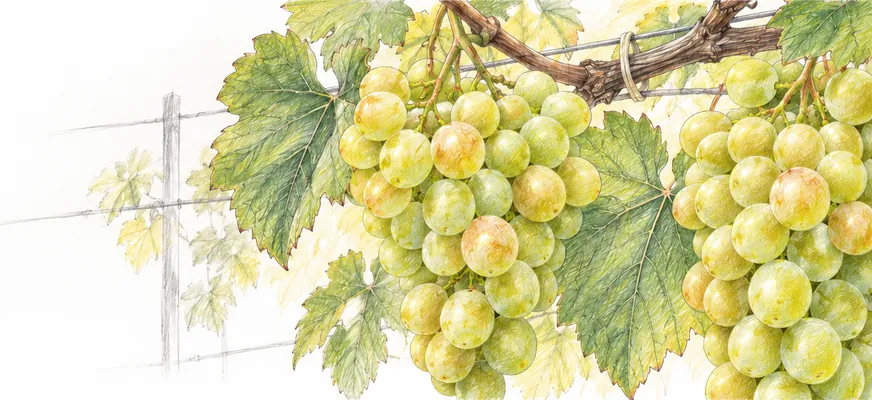
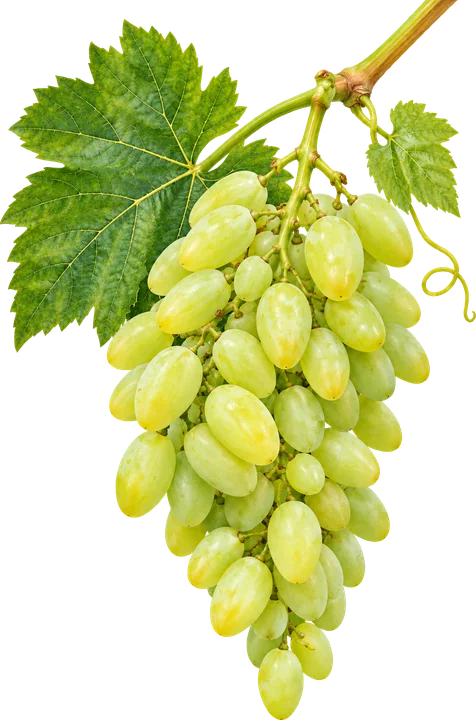
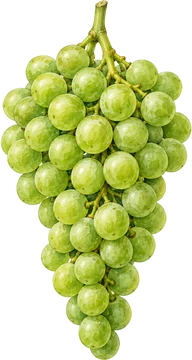
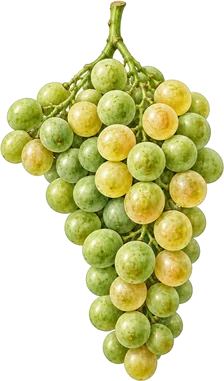
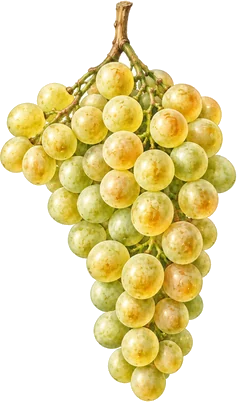
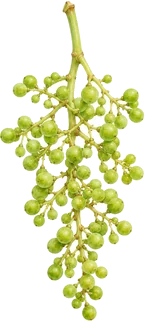
Timur: a bunch of elongated white grapes with pointed tips and an amber blush — AI illustration based on photographs and the variety description
  • Ripening timeVery early105–115 days according to the variety description
  • Berry6–8 gwhite with an amber blush; bunches 400–600 g
  • Frost hardinessdown to −25 °Caccording to the variety description
  • Sugar17–⁠22 %according to the variety description
  • 14first-hand observations
  • 1amateur grower
  • 4professionals
  • 4seasons

Timur’s season in Belarus

Click a stage to see what happens on the vine and what growers saw.

Scroll the strip to see the whole season

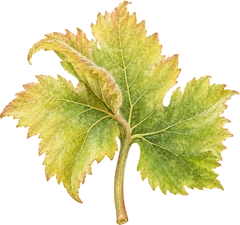
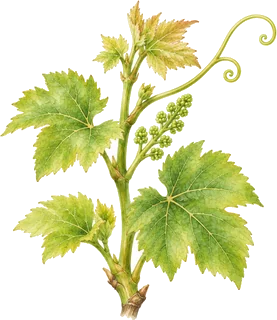
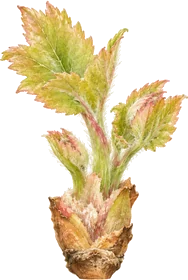
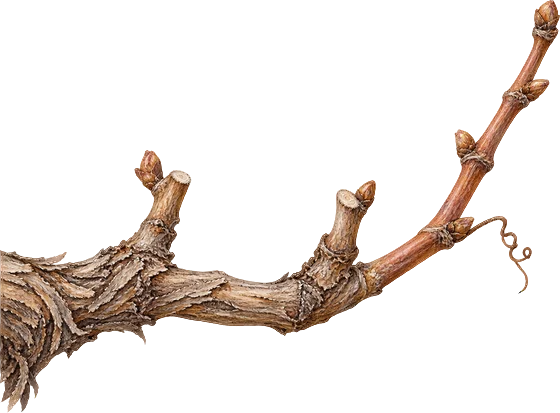
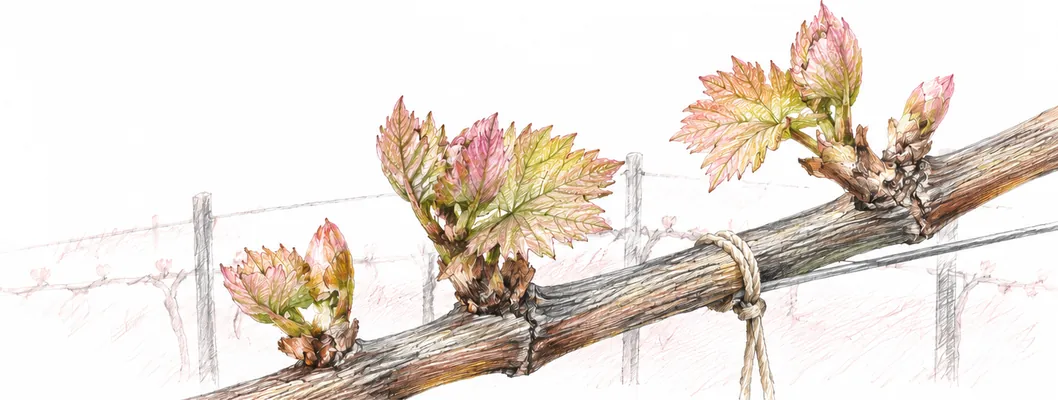
Bud break

May

When Timur buds break

Professionals' observations
No observations yet.

2

Weather, diseases and pests

Professionals 1 observation

  1. Minsk Region, Smolevichi DistrictIn a hotbedAfter the May frosts, Timur appeared undamaged under the tunnel. A few Alyoshenkin buds suffered frost damage at the edge of the same cover.

Amateurs 0 observations

3

Work on the vine

No observations yet.

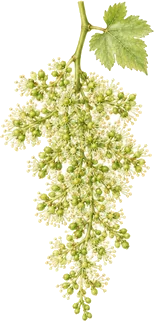
Flowering

June — early July

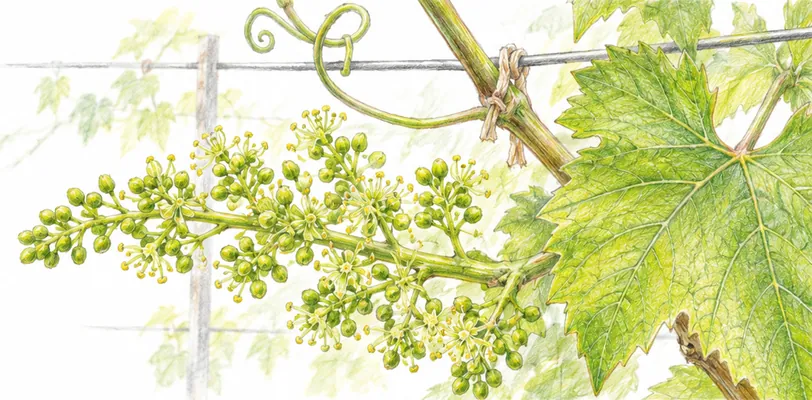
How Timur flowers and sets fruit

Professionals' observations

Professionals 3 observations

  1. Vitebsk Region, MezhnoIn a greenhouseBy late August, the result of pollination was visible on Timur bunches in a greenhouse in Mezhno. The grower rated pollination as fairly good.
  2. Minsk Region, Smolevichi DistrictSAT since 1 April — 1025 °C, as usualmonthly precipitation — 91 mm, about usualBy 7 July, Timur had shed almost all its flower clusters. Of the few that remained, some were just starting to flower and others had yet to open.
  3. Gomel Region, SvetlogorskA young Timur vine in Svietlahorsk fruited for the first time. The grower noticed that the bunch had only been partially pollinated.

Amateurs 0 observations

2

Weather, diseases and pests

No observations yet.

3

Work on the vine

No observations yet.
Weather in the observation lines is from AgERA5 data for the region: sum of active temperatures, precipitation.

Berry growth

July — August

How Timur berries swell

Professionals' observations

Professionals 2 observations

  1. Minsk Region, Smolevichi DistrictAfter poor pollination, only small bunches remained on Timur by mid-August. By September there were just a couple, and in autumn the grower noted that the variety often produces undersized berries.
  2. Vitebsk RegionIn a greenhouseTimur produced a large crop in the greenhouse. The grower noted the large berries and their unremarkable colour.

Amateurs 0 observations

2

Weather, diseases and pests

No observations yet.

3

Work on the vine

No observations yet.
Ripening and harvest

August — September

Timur sugar, flavour and harvest timing

Observations by professionals and amateurs

Professionals 4 observations

  1. Minsk Region, Smolevichi DistrictA grower in the Smaliavichy district noted that Timur kept well after picking. He liked the flavour and the especially crisp flesh.
  2. Gomel region, YeryominoSAT since 1 April — 2344 °C, the season is 9 days behind usualmonthly precipitation — 20 mm, 55% less than usualtwo weeks 2 °C colder than usual; nights below +8 °C — 9 of 14By 10 September 2022, a grower from Yeryomino had harvested so much Timur that he chose it as his sole variety for the exhibition.
  3. Vitebsk RegionIn a greenhouseBy late August, the Timur berries in the greenhouse had accumulated plenty of sugar. The grower noted that the flesh was crisp and that children picked these berries most often.
  4. Gomel Region, SvetlogorskSAT since 1 April — 2254 °C, the season is 13 days ahead of usualmonthly precipitation — 102 mm, 1.4 times the usual15% more sun than usualTimur berries were already fully ripe in Svietlahorsk on 13 August. The young vine bore its first crop that year.

Amateurs 0 observations

2

Weather, diseases and pests

Professionals 1 observation

  1. Gomel region, YeryominoIn Yeryomino in the 2022 seasons, Timur berries stayed intact. The grower reported that there had been no rain and that the berries did not split.

Amateurs 1 observation

  1. Gomel RegionIn the Gomel region, white Timur remained intact after rain that split the berries of several neighbouring varieties.
3

Work on the vine

No observations yet.

Weather in the observation lines is from AgERA5 data for the region: sum of active temperatures, precipitation.

Autumn

September — October

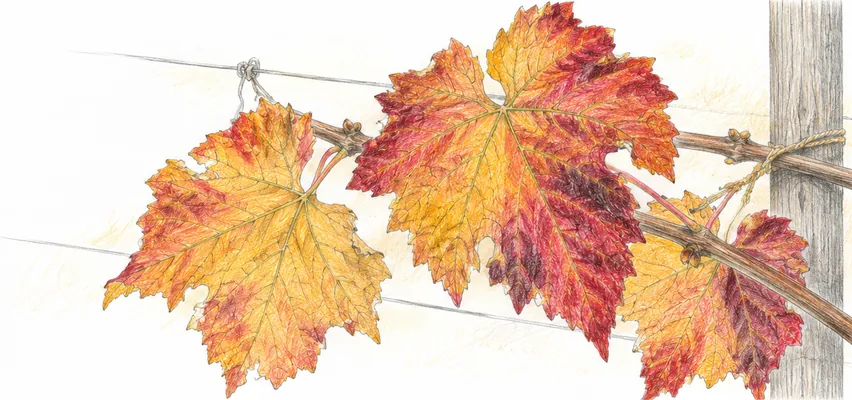
How Timur canes ripen

Professionals' observations

Professionals 2 observations

  1. Minsk Region, Smolevichi DistrictSAT since 1 April — 2426 °C, the season is 27 days behind usualmonthly precipitation — 59 mm, about usual; rain on 8 days of 1425% less sun than usualTimur’s canes in the Smaliavichy district were fully ripe by 26 October. The grower found the same with the other varieties at the site.
  2. Minsk Region, Smolevichi DistrictSAT since 1 April — 2232 °C, as usualmonthly precipitation — 20 mm, 60% less than usualtwo weeks 4 °C warmer than usual; 20% more sun than usualIn the Smaliavichy district, the grower left the Timur bunches on the vine and had yet to taste them on 12 September. In his experience, the berries stay on the bunch for a long time.

Amateurs 0 observations

2

Weather, diseases and pests

No observations yet.

3

Work on the vine

No observations yet.
Weather in the observation lines is from AgERA5 data for the region: sum of active temperatures, precipitation.

Timur’s strengths and risks

Strengths

  • A very early variety: berries ripened by mid-August in Svietlahorsk
  • Large white berries with firm, crisp flesh and a Muscat aroma, according to the variety description
  • Berries accumulated plenty of sugar in a greenhouse, and the variety yielded heavily in Yeryomino
  • The berries can stay on the bunch for a long time and keep well after harvest
  • Canes were fully ripe by late October in the Smaliavichy district

Risks in Belarus

  • Pollination varies by site and year, ranging from good fruit set to the loss of almost all flower clusters
  • Poor pollination leaves small bunches, undersized berries and a light crop
  • Some growers found berries intact after rain, while others reported splitting and grey mould
  • The variety description reports low to moderate vigour and notes that the berries can taste astringent on heavy soils

Suitable for growers looking for an early white table grape who can provide a warm spot with light soil and keep an eye on pollination.

Origin: Russia, Ya. I. Potapenko Institute of Viticulture and Winemaking, Frumoasa Albă × VostorgUpdated How we collect observations