











CountryLanguage

Prima Ukrainy

Prima Ukrainy

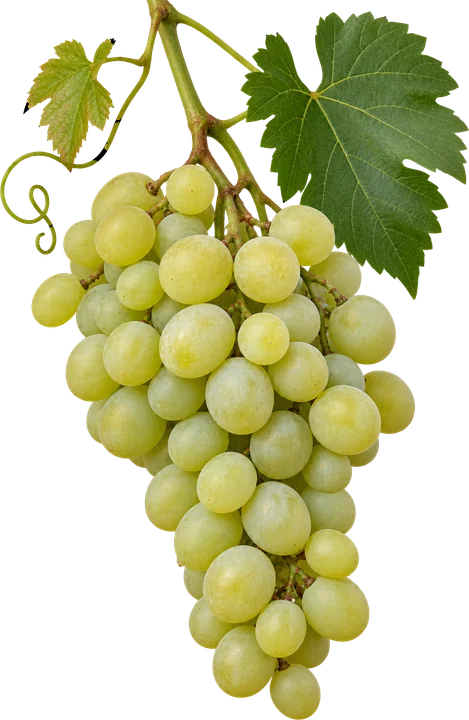
A very early white table variety with large berries and a bright muscat: in Belarus it ripens outdoors by the end of August and hangs on the vine for a long time, but pollinates unreliably, especially in a greenhouse.

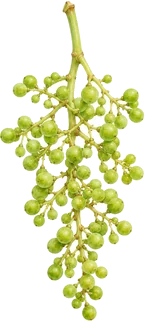
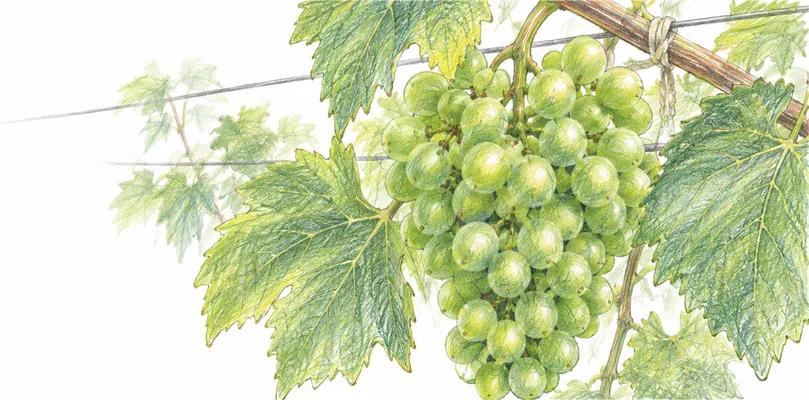
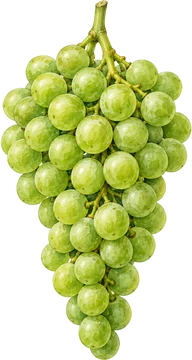
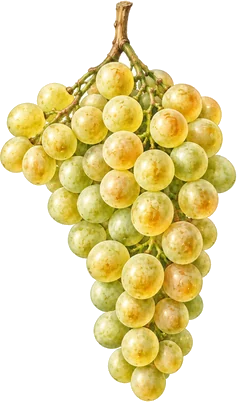
Prima Ukrainy: very large, round, slightly flattened milky-white berries with a whitish bloom — AI illustration based on photos and the variety description
  • Ripening timeVery earlyoutdoors in Belarus — from 20 August to early September
  • Berry10–15 gmilky white to yellow, roundish, slightly flattened; bunch up to 1 kg
  • Frost hardinessno datano figure in descriptions; covered for winter in Belarus
  • Sugar17–⁠18 Brixin Belarus, measurements from 2026
  • 93first-hand observations
  • 23amateur growers
  • 7professionals
  • 6seasons

Prima Ukrainy's season in Belarus

Click a stage to see what happens on the vine and what growers saw.

Scroll the strip to see the whole season

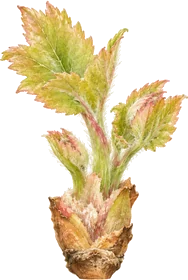
Bud break

April — early May

When Prima Ukrainy's buds break

Amateurs' observations
Professionals 0 observations

Amateurs 3 observations

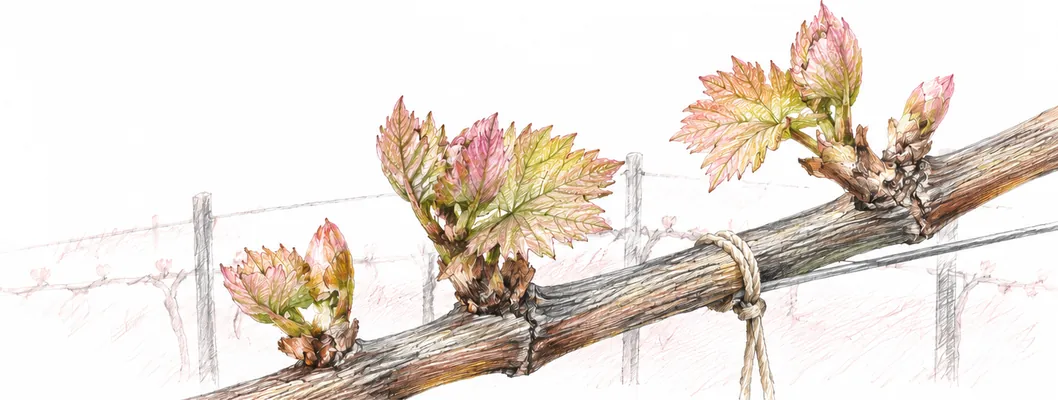
  1. Gomel Region, Gomel Districtsteady warmth above +10 °C from 2 Mayfrosts from −1 to −2 °C, the last on 29 AprilIn Gomel District by early May 2026 Prima Ukrainy in open ground was among the first to start, together with Jupiter, Podarok Nesvetaya, Bazhena and Blestyashchiy: all of them already had shoots of about 5 cm.
  2. Vitebsk Region, Vitebsksteady warmth above +10 °C from 2 Mayfrosts from −2 to −3 °C, the last on 29 AprilIn Vitebsk on 1 April 2026 the grower removed the winter cover and saw that the buds of Prima Ukrainy in open ground had already woken up, like those of Jupiter and two other varieties. He had never had such an early bud break before.
  3. Location not specifiedIn 2024 Prima Ukrainy in open ground was the first on the plot to start growing, together with Valek. The grower noted this at the end of April.
2

Weather, diseases and pests

Professionals 0 observations

Amateurs 1 observation

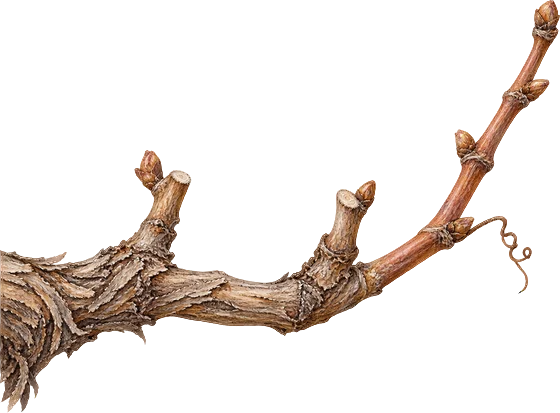
  1. Location not specifiedAfter the frosty May of 2025 an arm of Prima Ukrainy was frost-damaged. At first everything looked normal, but by the end of July the arm had to be cut off: the pith in the cut was half brown.
3

Work on the vine

No observations yet.

Weather in the observation lines is from AgERA5 data for the region: frosts, sum of active temperatures.

Shoot growth

May — June

How Prima Ukrainy's shoots grow

Observations by professionals and amateurs

Professionals 3 observations

  1. Grodno Region, GrodnoSAT since 1 April — 1799 °C, the season is 13 days ahead of usualmonthly precipitation — 135 mm, 1.7 times the usualThe Prima Ukrainy vine in Grodno was planted in spring 2023. In its second year, by the end of July 2024, it has a trial fruit set, and even the laterals are giving a few berries.
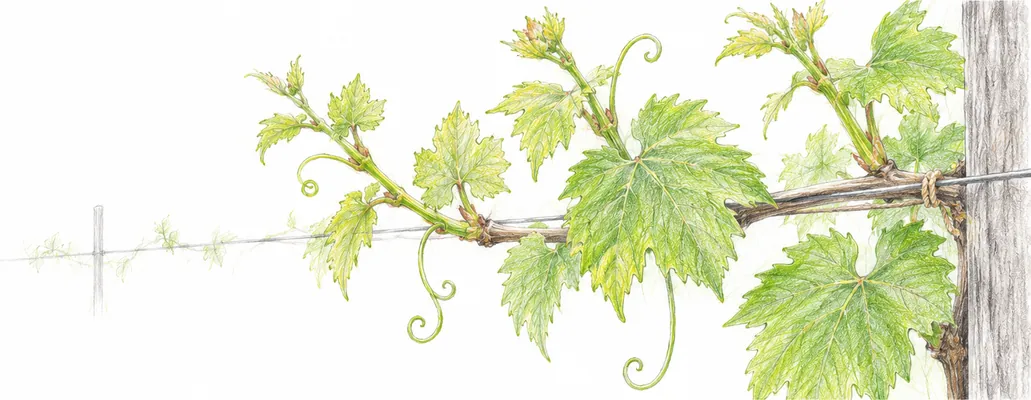
  2. Minsk Region, Minsk DistrictSAT since 1 April — 220 °C, the season is 12 days ahead of usualmonthly precipitation — 69 mm, 1.6 times the usualIn early May 2024 in Minsk District the Prima Ukrainy vine started growing well, and it is already clear that there will be a crop this season.
  3. Vitebsk Region, NovopolotskThe Prima Ukrainy vine in Novopolotsk was planted in 2022 by a wall, as wall culture. At first it hardly wanted to grow, but the grower managed to get it going: by August 2023 the growth is quite decent.

Amateurs 5 observations

  1. Location not specifiedIn the outdoor planting Prima Ukrainy grows intermixed with a kishmish, presumably Zaporozhsky. In 2026 both varieties are giving a trial crop.
  2. Location not specifiedIn 2026 the Prima Ukrainy vine produced its first trial bunches. The vine grows next to Tsimus and other varieties.
  3. Location not specifiedA Prima Ukrainy cutting took a long time to root and produced a shoot only in July 2023, yet in 2024 this vine carried six trial bunches.
  4. Location not specifiedIn four years, by spring 2024, the grower's Prima Ukrainy vine had not produced a single normal bunch or a normal crop load.
  5. Location not specifiedThe grower was about to throw out the Prima Ukrainy vine but kept it. Over the 2023 seasons a shoot on it grew by about 40 cm.
2

Weather, diseases and pests

No observations yet.

3

Work on the vine

Professionals 0 observations

Amateurs 1 observation

  1. Location not specifiedIn May 2024 the grower planted Prima Ukrainy shallowly — in a hole one spade deep with manure at the bottom — and gave two feeds of liquid infusion in summer; the vine put out two canes of up to 2 m.

Weather in the observation lines is from AgERA5 data for the region: sum of active temperatures, precipitation.

Flowering

mid-June — early July

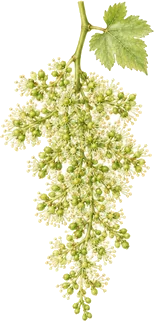
How Prima Ukrainy flowers and sets berries

Observations by professionals and amateurs

Professionals 9 observations

  1. Grodno Region, GrodnoIn Grodno in 2026 Prima Ukrainy pollinated worse than any other variety on the plot. Later the berries grew and filled out, and the bunches turned out quite decent.
  2. Grodno Region, LidaIn a greenhouseIn a greenhouse in Lida in 2026 Prima Ukrainy pollinated very poorly, and the bunches are almost empty. The year before, pollination was good and the bunches large.
  3. Minsk Region, SoligorskFor another grower in 2025, at its first trial fruiting, Prima Ukrainy pollinated well: the bunches were large, the berries about 14–15 g.
  4. Minsk Region, SoligorskIn Soligorsk in open ground Prima Ukrainy pollinates variably: sometimes poorly, sometimes fairly well. In 2025 the bunches turned out uneven, and the author does not consider pollination a strength of the variety.
  5. Grodno Region, LidaIn a greenhouseIn a greenhouse in Lida Prima Ukrainy flowered and pollinated very well in 2025. During flowering it was cool and windy, the doors and windows were kept open, and the caps came off. For many growers it pollinated poorly that year.
  6. Minsk RegionIn Minsk Region in 2024 Prima Ukrainy shed its caps poorly but pollinated right under them; in the end the berry grew large.
  7. Grodno Region, GrodnoSAT since 1 April — 1799 °C, the season is 13 days ahead of usualmonthly precipitation — 135 mm, 1.7 times the usualIn Grodno in 2024 Prima Ukrainy pollinated imperfectly but fairly well on the whole, even though there were periodic downpours during flowering.
  8. Grodno Region, LidaIn a greenhouseIn a greenhouse in Lida Prima Ukrainy, growing for about seven years, pollinated very poorly for the first time in 2024. The author puts this down to heat during flowering and a lack of wind: almost all varieties pollinated poorly.
  9. Grodno Region, LidaIn Lida in 2022 the grower's Prima Ukrainy in open ground, trained on two planes, pollinated fairly well: the bunches came out at about a kilogram, with large berries.

Amateurs 11 observations

  1. Location not specifiedOutdoors, the grower's Prima Ukrainy next to Kishmish Zaporozhsky pollinated normally without any special techniques. In the greenhouse he could not get it to pollinate.
  2. Location not specifiedIn 2026 the grower's Prima Ukrainy pollinated so well that crop thinning was needed, even though it had not shed its caps. Krasen, growing nearby, shed in the cold and rain. Prima may have started flowering 3–4 days earlier.
  3. Location not specifiedIn open ground Prima Ukrainy pollinated excellently in its third year, in 2026, although it still did not shed its caps. In the two previous years pollination was very poor.
  4. Location not specifiedIn a greenhouseIn the grower's greenhouse in 2026, Prima Ukrainy hardly pollinated at all — the third year without pollination. Some bunches have two or three berries, the others four berries and a shot berry.
  5. Location not specifiedIn 2026, at its first trial fruiting, the grower's Prima Ukrainy pollinated fairly well. Growing next to it are Tsimus, 342 and KM Krasny.
  6. Location not specifiedOn 3 July 2026 the grower's Prima Ukrainy was still flowering. Together with Jupiter it was the last variety on the plot to start flowering; flowering was drawn out that year.
  7. Location not specifiedIn a greenhouseIn the grower's greenhouse in 2025, Prima Ukrainy set berries normally for the first time in three years. It was very cold and windy during flowering, and in his opinion this helped.
  8. Location not specifiedOf this grower's two Prima Ukrainy vines, by 21 June 2025 one had already finished flowering and set berries, while the other was only starting to flower.
  9. Location not specifiedIn the grower's open ground Prima Ukrainy pollinates inconsistently, although Jupiter and selection 342 grow next to it.
  10. Minsk Region, PetrishkiFor a grower near Petrishki in Minsk Region, Prima Ukrainy pollinated well in all three years of fruiting, without failures.
  11. Location not specifiedIn a greenhouseIn the grower's wagon-type greenhouse with two vestibules, Prima Ukrainy pollinated poorly in 2023–2024: the dried caps did not fall off. Canes of neighbouring selections intertwined with it for pollination did not help.
2

Weather, diseases and pests

Professionals 0 observations

Amateurs 2 observations

  1. Vitebsk Region, PolotskIn Polotsk, for the second year running, Prima Ukrainy's inflorescences in open ground have partly dried up despite spraying with Switch; this did not happen in the greenhouse.
  2. Location not specifiedFor the second year running, the grower's inflorescences of Prima Ukrainy and other varieties are drying up; in 2026 all the inflorescences on Prima dried up, but the vine put out new ones on the laterals.
3

Work on the vine

Professionals 0 observations

Amateurs 4 observations

  1. Location not specifiedIn 2026 the grower removed dry caps with tweezers from some of the Prima Ukrainy bunches in open ground. Where he left them alone, pollination was just as good.
  2. Location not specifiedA single gibberellin treatment at 20 mg/l at the end of flowering on Prima Ukrainy in open ground proved ineffective: the berries came out small, the size of a small cherry.
  3. Location not specifiedIn a greenhouseIn a 5×10 m greenhouse the grower removed the end walls completely to let the wind in, pollinator 342 grew nearby, and he tried hand pollination. Prima Ukrainy still did not pollinate properly.
  4. Location not specifiedGibberellin worked poorly on the grower's Prima Ukrainy: he tested it several times, and the treatment did not help improve pollination.

Weather in the observation lines is from AgERA5 data for the region: sum of active temperatures, precipitation.

Berry growth

July — early August

How Prima Ukrainy's berries fill

Observations by professionals and amateurs

Professionals 4 observations

  1. Grodno Region, GrodnoSAT since 1 April — 1831 °C, the season is 4 days behind usualmonthly precipitation — 59 mm, 20% less than usualIn Grodno in 2026 the berries of Prima Ukrainy filled out to an attractive size by the end of summer. The largest berries weighed 10–12 g, and there were smaller ones too.
  2. Minsk RegionSAT since 1 April — 1021 °C, the season is 5 days behind usualmonthly precipitation — 82 mm, about usual; rain on 9 days of 14In early July 2026 in Minsk Region Prima Ukrainy's bunches still looked unimpressive: the lower one worse, the upper one better. After rain during flowering some berries kept their caps, but the berries were filling; the variety sheds its caps poorly.
  3. Grodno Region, LidaIn Lida in 2025 Prima Ukrainy had many bunches, but small ones, while the berry was not small; there were also some beautiful large bunches.
  4. Minsk RegionIn Minsk Region in 2024 the bunches of Prima Ukrainy did not reach a kilogram. The berry is firm, slightly ribbed, like a little pumpkin, and blushed on the sunny side.

Amateurs 2 observations

  1. Location not specifiedThis grower's Prima Ukrainy grows between Dynka and Belosnezhka. Its berries are fairly large, the flesh is meaty and the skin is not thick, yet the bunches are small.
  2. Location not specifiedIn 2025 Prima Ukrainy gave its first trial crop. The main problem turned out to be millerandage, and the taste did not impress the grower, so he intends to remove the variety.
2

Weather, diseases and pests

Professionals 0 observations

Amateurs 2 observations

  1. Location not specifiedIn mid-July 2025 two of the grower's Prima Ukrainy vines were completely affected. The vines on which the morning dew lingers longest were hit hardest.
  2. Location not specifiedIn September 2024 almost all the varieties on the plot had downy mildew on their tops. Prima Ukrainy in open ground proved to be among the most disease-resistant.
3

Work on the vine

No observations yet.

Weather in the observation lines is from AgERA5 data for the region: sum of active temperatures, precipitation.

Colouring

late July — mid-August

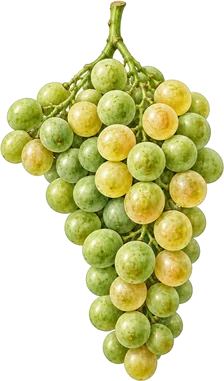
How Prima Ukrainy's berries change colour

Observations by professionals and amateurs

Professionals 2 observations

  1. Minsk Region, SoligorskSAT since 1 April — 1840 °C, the season is 5 days behind usualmonthly precipitation — 103 mm, 1.6 times the usualIn Soligorsk on 20 August 2025 Prima Ukrainy in open ground was taking on a beautiful yellow colour. The bunches are small but tasty, even though August turned out rainy and nights were as cool as +8 °C.
  2. Grodno Region, LidaIn a greenhouseIn a greenhouse in Lida, on a vine about seven years old, Prima Ukrainy's berries had already begun colouring by 20 July 2024. According to the author, his crop load is always heavy.

Amateurs 2 observations

  1. Grodno Region, Novogrudok DistrictSAT since 1 April — 1804 °C, as usualmonthly precipitation — 110 mm, 1.4 times the usualIn Novogrudok District by mid-August 2025 Prima Ukrainy in open ground was colouring together with Athos, Rombik, Kataloniya and Zorenka. In the greenhouse the early varieties were already finishing ripening at that time.
  2. Gomel Region, GomelSAT since 1 April — 1615 °C, the season is 4 days behind usualmonthly precipitation — 70 mm, about usual; rain on 10 days of 1415% less sun than usualIn Gomel at the end of July 2025 Prima Ukrainy was at roughly the same stage as Pamyati Uchitelya, which had begun to colour. The grower cannot yet tell by eye when its ripening begins.
2

Weather, diseases and pests

No observations yet.

3

Work on the vine

No observations yet.

Weather in the observation lines is from AgERA5 data for the region: sum of active temperatures, precipitation.

Ripening and harvest

August — early September

Sugar, taste and harvest time of Prima Ukrainy

Observations by professionals and amateurs

When Prima Ukrainy ripens

6 observations without greenhouses · 2023–2026

Professionals4 observationsAmateurs2 observations

still ripeningripealready cutapproximate date

Scroll the dates ↔

What state the bunches were found in6 observations. Each drop is one observation: filled — bunches ripe, hollow — still ripening, cross — already cut. Harvest window — from 20 August to 31 August.harvest window · 20 August — 31 AugustAugust510152025September510152025October5ProfessionalsAmateurs

Professionals 14 observations

  1. Grodno Region, GrodnoSAT since 1 April — 2030 °C, the season is 5 days behind usualmonthly precipitation — 62 mm, about usualOn 31 August 2026 in Grodno Prima Ukrainy reached 17 Brix and was already fit to eat, although neither of the two seeds had ripened yet. The muscat is so strong that it puckers the tongue.
  2. Grodno Region, LidaIn a greenhouseIn a greenhouse in Lida Prima Ukrainy always ripened among the first in previous years: by about 3–5 August the berries could already be eaten and sold.
  3. Grodno Region, LidaIn 2025 Prima Ukrainy in Lida ripened later than in previous years, at the same time as Podarok Nesvetaya. The bunches are small but numerous, and the taste is excellent.
  4. Minsk Region, SoligorskSAT since 1 April — 2143 °C, the season is 6 days behind usualmonthly precipitation — 25 mm, 55% less than usualtwo weeks 2 °C warmer than usual; 20% more sun than usualAt the grower's acquaintances, Prima Ukrainy gave large bunches at its first fruiting in 2025. The berries are uneven, 14–15 g, sweet and crunchy, with a very intense muscat that not everyone likes; the longer they hang, the sweeter they get.
  5. Grodno Region, LidaIn a greenhouseIn a greenhouse in Lida by 21 August 2025 some berries and bunches of Prima Ukrainy were already being eaten, but they lacked sugar: the taste was not what it had been in previous years.
  6. Minsk Region, SoligorskSAT since 1 April — 1840 °C, the season is 5 days behind usualmonthly precipitation — 103 mm, 1.6 times the usualIn Soligorsk by 20 August 2025 Prima Ukrainy in open ground had ripened, while no other outdoor varieties were ripe yet. The berry is yellow, sweet and crunchy, with muscat, and does not crack; the bunches are small.
  7. Minsk Region, Minsk DistrictSAT since 1 April — 2336 °C, the season is 20 days ahead of usualmonthly precipitation — 29 mm, 50% less than usualtwo weeks 4 °C warmer than usual; 15% more sun than usualIn Minsk District by the end of August 2024 Prima Ukrainy is already fully ripe, and the grapes are very tasty.
  8. Minsk RegionSAT since 1 April — 2149 °C, the season is 13 days ahead of usualmonthly precipitation — 65 mm, about usualBy 20 August 2024 Prima Ukrainy was fully ready for cutting: the berry is yellow, blushed in the sun, slightly uneven, firm and crunchy, with a bright citron muscat.
  9. Grodno Region, GrodnoSAT since 1 April — 1799 °C, the season is 13 days ahead of usualmonthly precipitation — 135 mm, 1.7 times the usualAt the end of July 2024 Prima Ukrainy in Grodno was, in the grower's estimate, already almost ripe. Pollination was not perfect: there were downpours during flowering.
  10. Grodno Region, LidaA grower from Lida left two bunches almost everywhere on Prima Ukrainy. Some berries were already ripe, others were still ripening. It hangs well, and its citron muscat is reminiscent of sweet orange.
  11. Grodno Region, LidaSAT since 1 April — 2737 °C, as usualmonthly precipitation — 43 mm, about usualtwo weeks 3 °C warmer than usual; 25% more sun than usualIn 2023 in Lida Prima Ukrainy gave the largest lateral crop of all the varieties — a second crop in one season. The berries were tasty; they were both eaten and given away.
  12. Grodno Region, LidaIn Lida, in open ground, Prima Ukrainy gave bunches of about a kilogram with large round berries under a good load. The berry is tasty, with muscat.
  13. Grodno Region, GrodnoA grower from Grodno considers Prima Ukrainy the tastiest variety in his garden. Its perfumed muscat is brighter than that of the similar Tason, and so strong that after a couple of berries you do not want any more.
  14. Vitebsk Region, NovopolotskIn a greenhouseIn a greenhouse in Novopolotsk, by the end of August 2022, Prima Ukrainy's berries were ripening; the berry is round, of ordinary shape, with a very bright muscat — the author rates its taste above all his other varieties.

Amateurs 13 observations

  1. Location not specifiedThe grower likes the taste of Prima Ukrainy. Muscat with a barely noticeable bitterness, fleshy pulp, not very thick skin, a large berry.
  2. Minsk Region, BorovlyanySAT since 1 April — 2332 °C, the season is 8 days behind usualmonthly precipitation — 80 mm, 1.7 times the usual15% less sun than usualIn Borovlyany outdoors in 2026 Prima Ukrainy ripened slightly earlier than Kishmish Zaporozhsky, whose trial bunches were cut on 24 September.
  3. Minsk Region, BorovlyanySAT since 1 April — 2233 °C, the season is 7 days behind usualmonthly precipitation — 63 mm, about usualIn Borovlyany by mid-September 2026, of the vines in open ground by the south-east fence only Prima Ukrainy was in good shape; Jupiter and Swenson Red still had to hang.
  4. Minsk Region, BorovlyanySAT since 1 April — 1961 °C, the season is 9 days behind usualmonthly precipitation — 51 mm, about usualIn Borovlyany, north-east of Minsk, Prima Ukrainy outdoors was still ripening by 30 August 2026; it could be picked in about a week.
  5. Location not specifiedBy 28 August 2026 the grower's Prima Ukrainy had ripened very selectively: far from everything was ready.
  6. Gomel Region, GomelSAT since 1 April — 1999 °C, the season is 4 days behind usualmonthly precipitation — 30 mm, 55% less than usualAt a dacha in Gomel Prima Ukrainy reached 18 Brix by 17 August 2026. By 30 August the sugar was holding at the same 18 Brix; the berry is very tasty.
  7. Location not specifiedThe grower's child bites into a Prima Ukrainy berry and spits it out, yet strips the Preobrazhenie vine almost completely over the autumn.
  8. Grodno Region, GrodnoIn a greenhouseIn Grodno, in the greenhouse, Prima Ukrainy ripened, but the berries' sugar is low. Outdoors there was nothing to taste yet at that time.
  9. Location not specifiedThe grower's Prima Ukrainy usually does not hang until the seeds are ripe: it gets eaten earlier. At the end of August 2024 he expected that this season, too, it would not have time to develop its muscat.
  10. Location not specifiedIn the grower's open ground Prima Ukrainy's berries ripen, and the cane ripens normally too. The weak point is inconsistent pollination, although Jupiter and Kishmish 342 grow nearby.
  11. Location not specifiedFor this grower the taste and strength of Prima Ukrainy's muscat varied greatly from bunch to bunch and from berry to berry; in places there was no muscat at all. His vine is young.
  12. Location not specifiedIn 2022 Prima Ukrainy gave the grower its first trial crop. Summing up the season, he singled it out among the new varieties as tasty and early.
  13. Brest Region, KobrinIn Kobrin, in open ground, Prima Ukrainy gave a full crop very early. The taste is excellent, muscat with citron notes, and the berry is large.
2

Weather, diseases and pests

Professionals 2 observations

  1. Grodno Region, GrodnoSAT since 1 April — 1921 °C, the season is 4 days behind usualmonthly precipitation — 85 mm, about usualIn Grodno at the end of August 2025 Prima Ukrainy in bags suffered less from sparrows than neighbouring varieties, but the berries were left with hail damage.
  2. Minsk RegionPrima Ukrainy raises no concerns about either disease or cracking. In 2023 it was kept on the vine for a long time, and the berry did not lose its taste.

Amateurs 3 observations

  1. Location not specifiedAfter the rains about 10–15% of the grower's Prima Ukrainy berries cracked, while on some other hybrid selections it was up to 50–60%.
  2. Location not specifiedIn the heat of August 2026 the grower's almost ripe Prima Ukrainy suffered little: only a couple of berries got sunburnt, whereas Bazhena is very sensitive to sun.
  3. Brest Region, KobrinIn Kobrin birds readily peck the berries of Prima Ukrainy, so the bunches have to be covered with netting. It did not have a single spot of downy mildew, while the neighbouring Armani is badly affected.
3

Work on the vine

No observations yet.

Weather in the observation lines is from AgERA5 data for the region: sum of active temperatures, precipitation.

Autumn

September

How Prima Ukrainy's cane ripens

Observations by professionals and amateurs

Professionals 5 observations

  1. Minsk Region, SoligorskIn Soligorsk in open ground Prima Ukrainy had already gained sugar by 20 August 2025. In the author's experience, its berries hang on the vine for a long time and do not crack.
  2. Minsk RegionPrima Ukrainy hangs well on the vine: in 2023 it was kept for a long time, did not lose its taste and kept excellently; the cane ripens normally.
  3. Grodno Region, GrodnoIn Grodno, on a second-year vine planted in spring 2023, the cane of Prima Ukrainy had already begun to ripen and turn brown by 31 July 2024.
  4. Grodno Region, GrodnoSAT since 1 April — 2446 °C, the season is 8 days ahead of usualmonthly precipitation — 40 mm, 30% less than usualtwo weeks 3 °C warmer than usual; 20% more sun than usualIn Grodno by 18 September 2023 Prima Ukrainy had been hanging on the vines for a month after ripening: the berry is tanned, with some millerandage in places, no cracks, and the muscat flavour has been retained.
  5. Vitebsk Region, NovopolotskIn a greenhouseAt the end of August 2022 in a greenhouse in Novopolotsk both the berries and the cane of Prima Ukrainy were ripening at the same time. According to the grower, everything on this vine ripens.

Amateurs 4 observations

  1. Location not specifiedIn May 2024 the grower planted a Prima Ukrainy vine shallowly, with manure at the bottom of the hole, together with Tayna Monakha, and fed them twice over the summer. Each vine put out two canes of almost two metres, and both ripened.
  2. Location not specifiedA Prima Ukrainy cutting in a bucket started growing only in August and did not ripen before the frosts. Indoors at +4…5 °C its shoot had ripened by the end of January, while Chorny Khrustal next to it stayed green.
  3. Minsk RegionSAT since 1 April — 2632 °C, as usualmonthly precipitation — 28 mm, 35% less than usualtwo weeks 3 °C warmer than usualIn Minsk Region by the end of September 2023 Prima Ukrainy had been hanging on the vine for over a month, and the berry had not lost its flavour in that time.
  4. Location not specifiedIn open ground with spring cover, the new variety Prima Ukrainy had no problems with cane ripening in the 2022 seasons, unlike Tsimus. Later the grower confirmed that its cane ripens normally, although the vine does need some effort.
2

Weather, diseases and pests

No observations yet.

3

Work on the vine

No observations yet.

Weather in the observation lines is from AgERA5 data for the region: sum of active temperatures, precipitation.

Winter

November — March

How the Prima Ukrainy vine overwintered

Amateurs' observations

Professionals 0 observations

Amateurs 1 observation

  1. Location not specifiedA young Prima Ukrainy vine grown from a cutting did not drop its leaves and spent the whole winter of 2023/24 in a bucket at +5 °C, and in spring it continued growing.
2

Weather, diseases and pests

No observations yet.

3

Work on the vine

No observations yet.

Strengths and risks of Prima Ukrainy

Strengths

  • Ripens early: in open ground in Soligorsk and Minsk Region it was ready by 20 August, when no other varieties outdoors were ripe yet; in a greenhouse in Lida and Mozyr — by late July to early August
  • Bright muscat with citron notes: in Grodno, Novopolotsk and Lida growers call it the tastiest variety in the garden
  • Large berries, 10–15 g, firm and crunchy, with meaty flesh; in Lida bunches reached a kilogram with a good crop load
  • Hangs on the vine for a long time: in Grodno and Minsk Region for a month or more after ripening, without cracking and keeping its taste
  • Little disease: in Kobrin it had not a single spot of downy mildew while a neighbouring variety was badly affected; in 2024 it was among the most resistant on the plot
  • Little cracking: after rains 10–15% of berries versus 50–60% in some other selections; in the August heat only a few berries got scorched
  • The cane ripens normally; in Grodno it began to turn brown on a young vine as early as the end of July; in Lida the variety gave the largest lateral crop of all

Risks in Belarus

  • The main complaint is pollination: the caps often dry up and do not fall off, and the berries show millerandage. For some growers the variety pollinates well in open ground year after year, for others sometimes poorly, sometimes decently
  • In a greenhouse, pollination is especially unreliable: in Lida in 2024 and 2026 the bunches came out almost empty, and for another grower neither a draught, nor a pollinator nearby, nor hand pollination helped for three seasons running
  • Gibberellin does not rescue pollination: after treatment the berries came out small, the size of a smallish cherry
  • The muscat is not to everyone's taste: for some it is the best in the garden, for others it is rather harsh, slightly bitter or astringent on the tongue; on a young vine the strength of the muscat varies from berry to berry
  • The bunches are often small; in the cool year of 2025 the berries lacked sugar in greenhouses in Lida and Grodno, and in Lida the variety ripened later than usual
  • Birds readily peck the berries and hail damages them — the bunches are covered with netting or bags
  • Slow start: cuttings root poorly, grafts take with difficulty, and for one grower the vine gave no proper crop in four years
  • For some growers the inflorescences have been drying up for the second year running, in Polotsk despite spraying; after the frosty May of 2025 one vine had an arm damaged by frost

Suits growers in all regions of Belarus who want a very early white variety with large muscat berries: it is best planted in open ground in a sunny spot, covered for the winter, with the bunches protected from birds as they ripen, and growers should be prepared for years of poor pollination.

Origin: Ukraine; the breeders and parent varieties are not stated in the descriptionsUpdated How we collect observations