










CountryLanguage

Pinot Noir

Pinot Noir

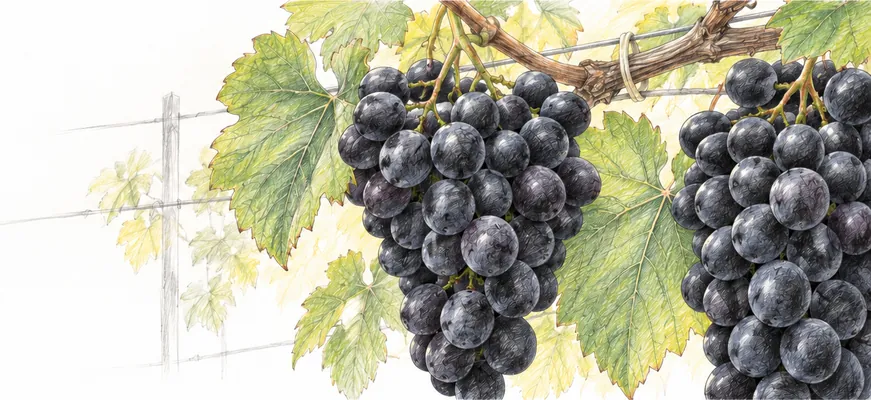
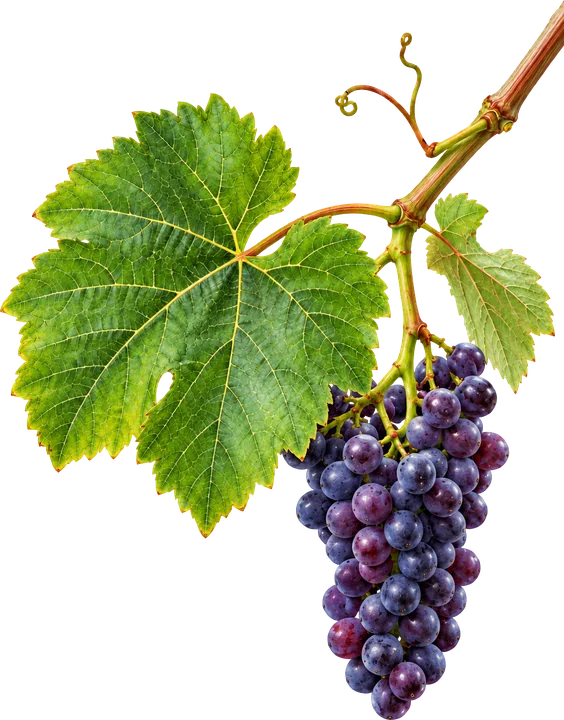
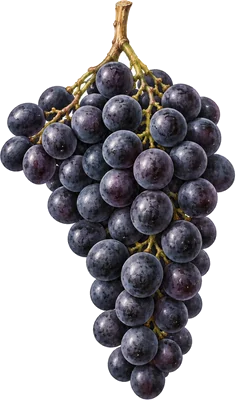
A classic wine variety from Burgundy: a compact bunch of small blue-black berries with the Pinot aroma — in Belarus it gains high sugar but depends heavily on the clone and the site.

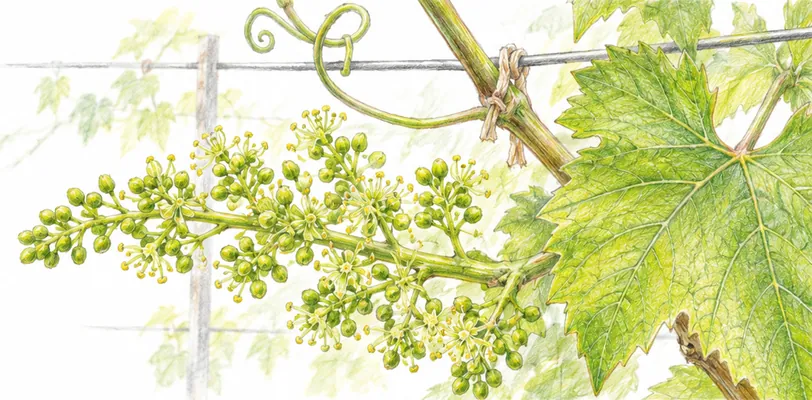
Pinot Noir: a compact bunch of small dark blue berries with a bluish bloom — AI illustration based on photos and the description of the variety
  • Ripening timeMid-seasonin Belarus — mid to late September
  • Berry1.3 gdark blue, round; bunch 66–120 g, compact
  • Frost hardinessdown to −22 °Caccording to descriptions; in Belarus it is covered
  • Sugar17–⁠23 Brixin Belarus, by year
  • 37first-hand observations
  • 7amateur growers
  • 1professional
  • 6seasons

The season of Pinot Noir in Belarus

Click a stage to see what happens on the vine and what growers saw.

Scroll the strip to see the whole season

Bud break

April

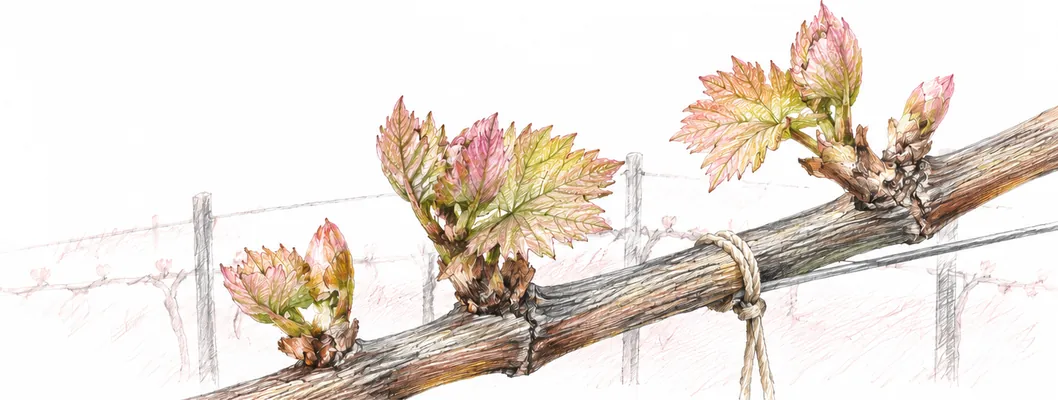
When Pinot Noir's buds break

Observations by professionals and amateurs
Professionals 3 observations

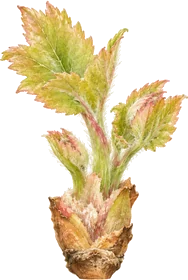
  1. Minsk Regionsteady warmth above +10 °C from 13 Mayfrosts down to −2 °C, the last on 9 MayIn early April 2024 Pinot Noir (high-yielding clone) by a wall already had a noticeably woolly bud — the plant was waking up.
  2. Minsk Regionsteady warmth above +10 °C from 11 Mayfrosts from −2 to −3 °C, the last on 8 MayAt the end of April 2023 Pinot Noir (high-yielding clone) started slowly, roughly on a par with many others: some buds were still asleep, the lower ones just beginning to open.
  3. Minsk Regionsteady warmth above +10 °C from 11 Mayfrosts from −4 to −7 °C, the last on 5 MayIn 2022 one Pinot Noir clone woke up late: by early June the bud was only just waking and the shoots were about ten centimetres, although the previous year's cane had ripened well.

Amateurs 0 observations

2

Weather, diseases and pests

Professionals 0 observations

Amateurs 1 observation

  1. Gomel Region, Yelsk DistrictA grower in Yelsk District used to see trunk-trained Pinot Noir scorched by late spring frosts, so the grower gave up the trunk and covers the variety as a half-fan.
3

Work on the vine

No observations yet.

Weather in the observation lines is from AgERA5 data for the region: frosts, sum of active temperatures.

Shoot growth

May — June

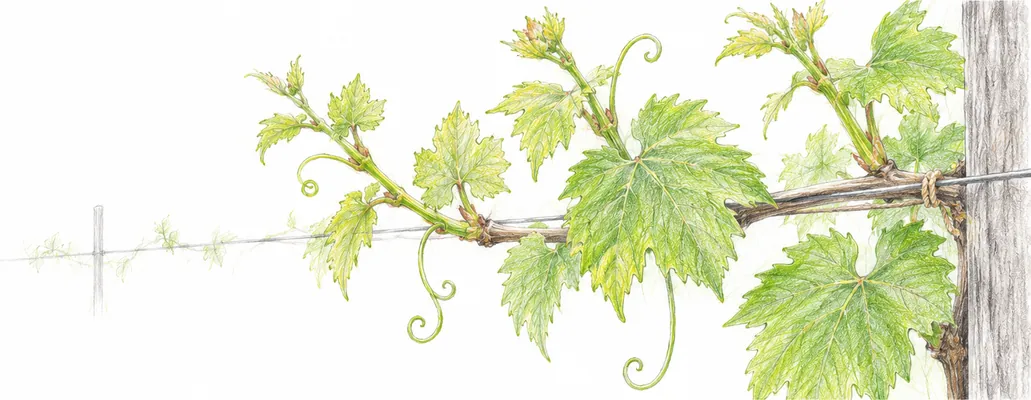
How Pinot Noir's shoots grow

Observations by professionals and amateurs

Professionals 6 observations

  1. Minsk RegionIn 2024 the high-yielding Pinot Noir clone grew very strongly and powerfully, noticeably more so than the early clone, which stood in a damper spot by a neighbour's shed.
  2. Minsk RegionIn 2024 Pinot Noir trained in two planes produced powerful thick shoots, although by its description it is not very vigorous.
  3. Minsk RegionPinot Noir likes plenty of ash under the vine: its leaves stay dark, healthy and attractive, without chlorosis, although other varieties turn yellow on alkaline soil.
  4. Minsk RegionA Pinot Noir vine that lagged in development the year before showed a very good pace in 2022 and grew without chlorosis.
  5. Minsk RegionIn 2022 the high-yielding Pinot Noir clone grew very well, even too actively: the cane became thicker than a little finger, which in wine varieties indicates excessive vigour.
  6. Minsk RegionA Pinot Noir vine in its first year after planting grew simply magnificently — it developed well and stood out from the rest.

Amateurs 1 observation

  1. Location not specifiedFor this grower Pinot Noir behaves like a low-vigour variety, so it is planted more densely — as a three-arm half-fan every 1.1–1.3 metres.
2

Weather, diseases and pests

No observations yet.

3

Work on the vine

No observations yet.

Flowering

June

How Pinot Noir flowers and sets berries

Professionals' observations

Professionals 1 observation

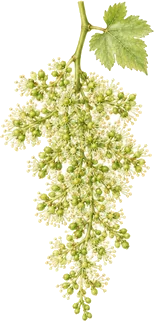
  1. Minsk RegionIn 2026 the Pinot Noirs on the plot pollinated poorly: the bunches dried out in places, while Pinot Blanc next to them gave a good result.

Amateurs 0 observations

2

Weather, diseases and pests

No observations yet.

3

Work on the vine

No observations yet.

Berry growth

July — August

How Pinot Noir's berries fill

Observations by professionals and amateurs

Professionals 3 observations

  1. Minsk RegionIn 2025 Pinot Noir (early clone) had small, compact bunches that looked nice, like little cones.
  2. Minsk RegionIn early August 2024 the bunches of the high-yielding Pinot Noir clone were a different size from those of the early clone, and there were more of them on the vine.
  3. Minsk RegionIn July 2022 a young Pinot Noir vine (high-yielding clone) had small bunches weighing about 150 grams.

Amateurs 0 observations

2

Weather, diseases and pests

Professionals 2 observations

  1. Minsk RegionPinot Noir's compact bunch rots partly — in the grower's observation, rot occurs because of the compactness.
  2. Minsk RegionOn a dacha plot Pinot Noir was hit by downy mildew in 2021, and the vine looked noticeably worse than on the village plot, although both grew from the same cutting.

Amateurs 1 observation

  1. South of BelarusFor a grower in southern Belarus Pinot Noir's berries rotted in 2024; in the north of the country, in the grower's words, the variety does not ripen.
3

Work on the vine

Professionals 2 observations

  1. Minsk RegionIn 2024 Pinot Noir trained in two planes was heavily loaded with bunches, while the shoots stayed powerful and thick.
  2. Minsk RegionOn a young Pinot Noir vine with one overly vigorous shoot, both small bunches were left to load the vine.

Amateurs 1 observation

  1. Location not specifiedIn 2024 Pinot Noir was trimmed twice at the pea-size stage, but no trace remained — the bunch stayed compact, and the operation did not help.

Colouring

August

How Pinot Noir's berries change colour

Professionals' observations

Professionals 3 observations

  1. Minsk RegionSAT since 1 April — 2029 °C, the season is 7 days behind usualmonthly precipitation — 27 mm, 55% less than usualIn late August and early September 2025 the early Pinot Noir at the dacha began colouring — two weeks later than the year before on the same plot.
  2. Minsk RegionSAT since 1 April — 1913 °C, the season is 11 days ahead of usualmonthly precipitation — 89 mm, about usualIn early August 2024 Pinot Noir was only beginning to colour: individual berries in the bunch were colouring.
  3. Minsk RegionSAT since 1 April — 1876 °C, the season is 11 days ahead of usualmonthly precipitation — 90 mm, about usualIn early August 2024 the high-yielding Pinot Noir clone was colouring in full swing, while the early clone was still green.

Amateurs 0 observations

2

Weather, diseases and pests

No observations yet.

3

Work on the vine

No observations yet.

Weather in the observation lines is from AgERA5 data for the region: sum of active temperatures, precipitation.

Ripening and harvest

September

Sugar, taste and harvest time of Pinot Noir

Observations by professionals and amateurs, and vine.farm notes

Professionals 4 observations

  1. Minsk RegionPinot Noir, together with Pinot Gris and Pinot Blanc, went into a blend and was kept on the skins for several days with cold fermentation.
  2. Minsk RegionIn 2025 Pinot Noir reached 19–20 Brix by the end of September; the seed had not fully ripened yet, and the skin had pleasant cherry notes.
  3. Minsk RegionThe Pinot Noirs were picked in 2024 around mid-September; in normal weather they could also be picked by the end of September in 2025.
  4. Minsk RegionIn wine from Pinot Noir the author noticed resinous notes that were not to their liking; the same notes had appeared in their own wine.

Amateurs 2 observations

  1. Location not specifiedThe author tried their own rosé from Pinot Noir for the first time and was pleased: the home-made wine turned out more aromatic and tastier than shop-bought.
  2. South of BelarusIn southern Belarus Pinot Noir gains high sugar: 23 Brix on 7 October 2023, and 22 Brix as early as 20 August 2024.
2

Weather, diseases and pests

Professionals 0 observations

Amateurs 2 observations

  1. Location not specifiedLast year, after a severe hydraulic shock, the grower's Pinot Noir, surprisingly, was not damaged at all.
  2. Location not specifiedIn the dry year of 2023, when there was no rain for two months, the author's Pinot Noir did not crack, although a cracked bunch was shown at the show.
3

Work on the vine

No observations yet.

Autumn

September — October

How Pinot Noir's cane ripens

Professionals' observations and vine.farm notes

Professionals 2 observations

  1. Minsk RegionIn 2023 canes ripening on the early Pinot Noir clone was so-so, but not critical — everything could still ripen.
  2. Minsk RegionIn 2022 the canes of Pinot Noir began to ripen as early as 10 August, although the author doubts that the variety is reliable for our region — when overloaded or overfed, the cane may not ripen.

Amateurs 0 observations

2

Weather, diseases and pests

Professionals 1 observation

  1. Minsk RegionIn early September 2022, after frosts, many Pinot Noir leaves were damaged, but some stayed alive; on the second plot the damage was slight.

Amateurs 0 observations

3

Work on the vine

No observations yet.

Winter

November — April

How the Pinot Noir vine overwintered

Observations by professionals and amateurs

Professionals 1 observation

  1. Minsk RegionA Pinot Noir vine (early clone) was damaged by frost in spring and grew from secondary buds, so the crop was small.

Amateurs 0 observations

2

Weather, diseases and pests

No observations yet.

3

Work on the vine

Professionals 0 observations

Amateurs 1 observation

  1. Vitebsk Region, OrshaIn Orsha Pinot Noir is covered for the winter: black geotextile 300 on the first wire, with spunbond 60 on the second wire above it.

Strengths and risks of Pinot Noir

Strengths

  • High sugar in Belarus: 17–23 Brix depending on the year; in the south up to 22–23 by late August to early October
  • A recognisable Pinot aroma in the wine: cherry notes and a rich colour; it makes rosé and red blends
  • The cane ripens early and almost completely — by mid-September already over six buds
  • The high-yielding clone grows strongly and powerfully and has more bunches than the early clone
  • A compact bunch with small dark blue berries — the classic wine type

Risks in Belarus

  • Depends heavily on the clone: some growers have up to twelve clones, and grafted vines from different sources differ in yield and timing
  • It rots in a compact bunch: for some growers the berry partly rots, in the south it rots
  • A thin skin and a compact bunch — it may crack, although for some growers it does not
  • Pollinates poorly in some years: millerandage, and bunches dry up in places
  • Some vines grow weakly: the variety is low in vigour, sensitive to site and soil, and prone to chlorosis and downy mildew
  • Needs winter cover; on a trunk it is scorched by late spring frosts

Pinot Noir has a better chance in a sheltered warm spot with winter cover and attention to the clone and rots; it suits those who make wine and value the Pinot aroma more than a big crop.

Origin: France (Burgundy); probable parents by DNA — Traminer × Pinot MeunierUpdated How we collect observations