











CountryLanguage

Marquette

Marquette

A black wine variety for growing without winter cover: in Belarus it overwinters on the trellis, gets little disease and reaches 20–24 Brix, but suffers from spring frosts and does not ripen everywhere.

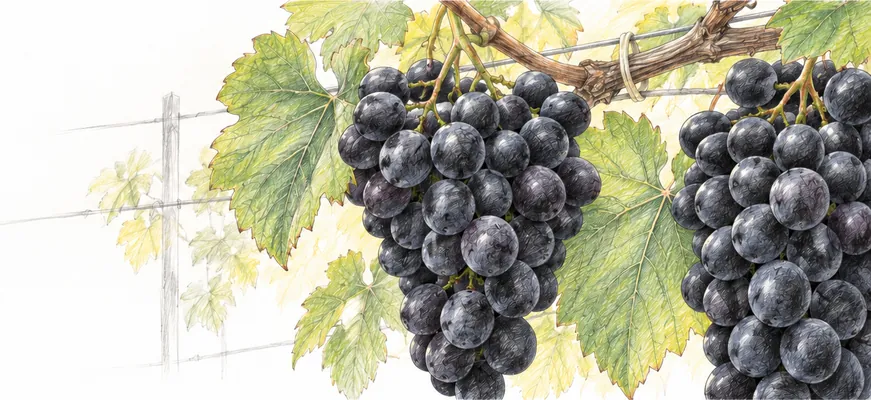
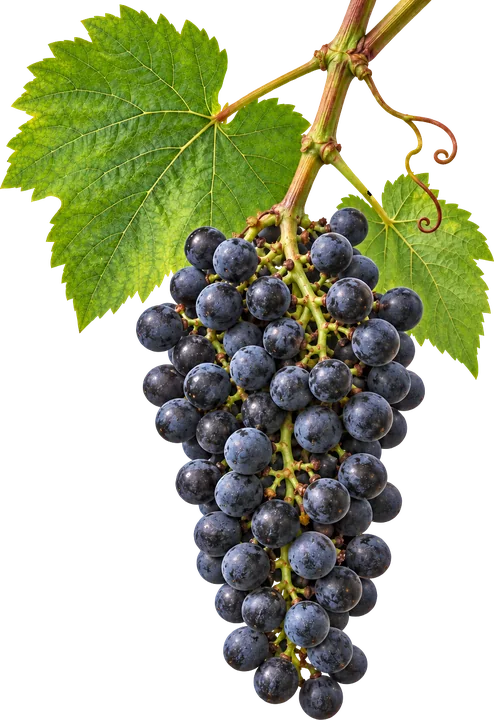
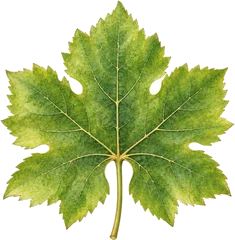
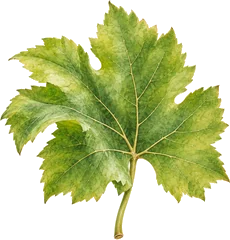
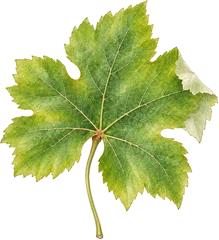
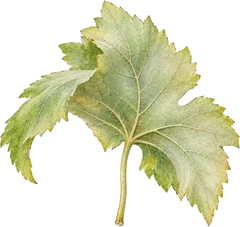
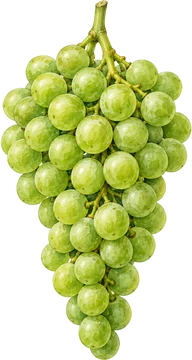
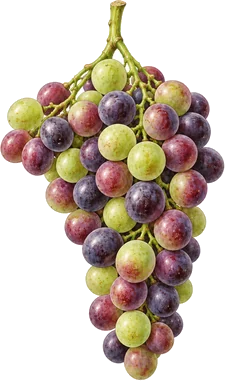
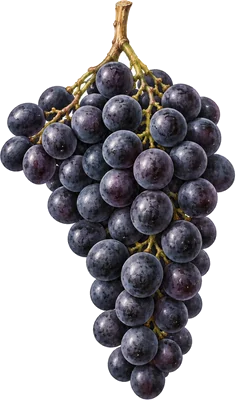
Marquette: small round dark blue berries with a bluish bloom in a small elongated bunch — AI illustration based on photos and the description of the variety
  • Ripening timeMid-seasonin Belarus — late August to early October
  • BerrySmallblack, round; bunch small, compact
  • Frost hardinessbelow −30 °Caccording to the reference book; at −27 °C buds were lost
  • Sugar19–⁠24 Brixin Belarus, by year
  • 97first-hand observations
  • 28amateur growers
  • 7professionals
  • 6seasons

The season of Marquette in Belarus

Click a stage to see what happens on the vine and what growers saw.

Scroll the strip to see the whole season

Bud break

late April — May

When Marquette's buds break

Observations by professionals and amateurs
Professionals 2 observations

  1. Minsk Region, Dzerzhinsksteady warmth above +10 °C from 19 Mayfrosts from −4 to −8 °C, the last on 9 MayBy a south wall in Dzerzhinsk Marquette was doing well by 25 May 2025: the buds broke well, and the shoots are fine. The vine is only in its second year.
  2. Grodno Region, Lidasteady warmth above +10 °C from 10 Mayfrosts from −3 to −4 °C, the last on 9 MayOn 24 April 2023 in Lida the grower uncovered Marquette and tied up the canes. The buds look fine; 7–8 of them broke off during tying. The shoots of Denisovsky next to it are already bigger.

Amateurs 2 observations

  1. Location not specifiedMarquette overwintered under several layers of spunbond. By 25 April 2026 about 90 percent of the buds on the vine had woken up.
  2. Location not specifiedMarquette overwintered without cover on an arch. By 24 April 2026 all the buds on the vine were alive and had already turned rusty.
2

Weather, diseases and pests

Professionals 2 observations

  1. Minsk Region, SoligorskIn Soligorsk in spring 2025 Marquette was very badly damaged by late spring frosts: the autumn crop was small, with small bunches. Its declared winter hardiness down to −38 °C did not protect it from spring frosts.
  2. Grodno Region, Lidasteady warmth above +10 °C from 10 Mayfrosts from −3 to −4 °C, the last on 9 MayIn spring 2023 in Lida Marquette and other wine varieties in open ground were caught by a frost. Secondary buds grew, their shoots developed and by the end of June finished flowering normally.

Amateurs 2 observations

  1. Location not specifiedOn last year's Marquette plant the buds were damaged by frost in spring 2025, and not one woke up. By the end of July the bark on the vine began to split, and suckers grew from beneath it.
  2. Location not specifiedIn spring 2025 uncovered Marquette was caught by a frost down to −6 °C and was damaged. Not everything survived on the covered vines either, and the grower drew conclusions.
3

Work on the vine

No observations yet.

Weather in the observation lines is from AgERA5 data for the region: frosts, sum of active temperatures.

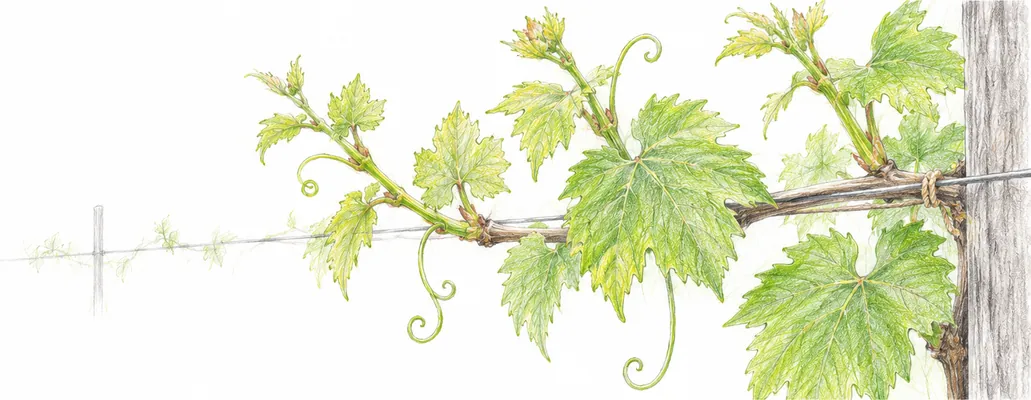
Shoot growth

May — June

How Marquette's shoots grow

Observations by professionals and amateurs

Professionals 4 observations

  1. Minsk Region, DzerzhinskSAT since 1 April — 572 °C, the season is 6 days behind usualmonthly precipitation — 96 mm, 1.5 times the usual; rain on 8 days of 1420% less sun than usualIn 2026, its third year, growth is very vigorous: by mid-June the canes had reached the roof, and by August they had gone further than needed. The author did not thin the vine's crop this year.
  2. Minsk Region, DzerzhinskIn 2025, the second year after planting, the vine in open ground produced five thick canes: by early August one had reached the end of the 3.5 m trellis, and by the end of the season the canes had climbed onto the roof.
  3. Minsk Region, DzerzhinskSAT since 1 April — 888 °C, as usualmonthly precipitation — 112 mm, 1.6 times the usual; rain on 11 days of 14two weeks 2 °C colder than usualIn the second year all four upper canes came with clusters, and a shoot from a lower secondary bud gave two clusters and grew to 1.7 m by mid-July. One shoot has three clusters, the third almost empty.
  4. Minsk Region, DzerzhinskSAT since 1 April — 1241 °C, the season is 9 days ahead of usualmonthly precipitation — 90 mm, about usualtwo weeks 2 °C warmer than usualThe vine stood still for a long time, first put out laterals, and then in early July 2024 suddenly took off; by 22 July the shoots were about one and a half metres, and the author just tied them up.

Amateurs 9 observations

  1. Location not specifiedA plant set out in mid-September took root, and after just one summer the first berries appeared on it.
  2. Location not specifiedThe vine grows by the south wall of a house without a paved apron or drip edge, 90 cm from the wall. It grows normally, and the author does not notice the spot harming it much.
  3. Minsk Region, RatomkaOn heavy, wet clay in a humid climate the vine grows very vigorously and pushes many laterals; in Anusino the grower gave up on the variety and kept it only near Minsk, in Ratomka.
  4. North of BelarusIn the north of Belarus, with heavy rainfall, the vine grows so vigorously that it has to be trimmed every week; for this reason the grower ranks it below Maréchal Foch.
  5. Location not specifiedFour vines rooted from cuttings and planted out in open ground in 2023 gave trial bunches on every vine in their second year, 2024; they have many inflorescences.
  6. Location not specifiedOver the last season the grower's vine grew very powerfully and pushed out a whole forest of laterals; for its vigour the author called the variety a beast.
  7. Location not specifiedIn the grower's experience, on a vertical trellis the variety pushes many laterals, while on a horizontal one there are almost none; last season the grower did no green operations on the vine at all.
  8. Vitebsk RegionOn a village plot in Vitebsk Region there is less care, and most vines do not grow until the grass around them is removed. Marquette is the exception here: it grows even in the grass.
  9. Location not specifiedBy early July 2023 the planted vine had grown so much that if care slips even slightly, the laterals can no longer be told apart from the main shoots.
2

Weather, diseases and pests

Professionals 2 observations

  1. Minsk Region, DzerzhinskSAT since 1 April — 1350 °C, the season is 7 days behind usualmonthly precipitation — 89 mm, about usualAt the end of July 2026 the canes that had climbed onto the roof are blown off by the wind — they do not hold there; the vine's leaves, however, are free of disease.
  2. Minsk Region, DzerzhinskSAT since 1 April — 232 °C, as usualmonthly precipitation — 38 mm, 30% less than usualtwo weeks 5 °C colder than usual; nights below +8 °C — 14 of 14In May 2025 snails were eating the young shoots on the vine; one shoot snapped off by itself after hitting the cover box, and the author accidentally broke another when it grew through the box.

Amateurs 0 observations

3

Work on the vine

Professionals 1 observation

  1. Minsk Region, DzerzhinskSAT since 1 April — 232 °C, as usualmonthly precipitation — 38 mm, 30% less than usualtwo weeks 5 °C colder than usual; nights below +8 °C — 14 of 14In spring 2025, in its second year, the vine after shoot removal again pushed shoots from almost every internode. The author left two shoots at the bottom and four at the top; by early June the upper ones already had inflorescences.

Amateurs 4 observations

  1. Mogilev Region, OsipovichiIn Osipovichi, on arches, when the cane grows to a metre, the author pulls off three or four tendrils near the tip. After that the tip thickens, and cane growth slows down.
  2. Location not specifiedSix years ago the author made a first graft: top-working an Agat Donskoy vine to Marquette. The author considers the result of this graft wonderful.
  3. Location not specifiedThe author grafted Marquette onto an old MR vine and layered the grafted cane in a loop into the ground to speed up growth and move the vine 70–80 cm. In the third year the old trunk was removed, and the vine remained on its own roots and on the MR loop.
  4. Location not specifiedIn one summer the author compared three rootstocks by grafting the low-vigour Somerset Seedless onto them. On Marquette rootstock the scion grew noticeably stronger than on MR rootstock.

Weather in the observation lines is from AgERA5 data for the region: sum of active temperatures, precipitation.

Flowering

mid to late June

How Marquette flowers and sets berries

Observations by professionals and amateurs

Professionals 5 observations

  1. Minsk Region, DzerzhinskSAT since 1 April — 560 °C, the season is 6 days behind usualmonthly precipitation — 92 mm, 1.4 times the usual15% less sun than usualIn Dzerzhinsk three-year-old Marquette on the trellis was in full flower on 14 June 2026, and on 21 June the vine was still finishing flowering. There were many bumblebees on the flowers; there are large clusters and smaller ones.
  2. Grodno Region, LidaSAT since 1 April — 937 °C, as usualmonthly precipitation — 84 mm, about usualIn Lida in 2025 Marquette by the fence dropped heavily after flowering. In early July the author could see the vine would have practically no crop, and in the twenties of the month this was confirmed.
  3. Minsk Region, DzerzhinskSAT since 1 April — 888 °C, as usualmonthly precipitation — 112 mm, 1.6 times the usual; rain on 11 days of 14two weeks 2 °C colder than usualIn Dzerzhinsk by the end of June 2025 Marquette's clusters, which were in flower at the previous inspection, had lengthened and pollinated quite well. A shoot from a secondary bud produced two clusters but had not yet flowered.
  4. Minsk Region, DzerzhinskSAT since 1 April — 733 °C, as usualmonthly precipitation — 167 mm, 3.0 times the usual; rain on 10 days of 14In Dzerzhinsk on 20 June 2025 Marquette in open ground was already flowering, although it was raining. The lower shoot of the vine produced two small clusters, and they were in flower.
  5. Grodno Region, LidaSAT since 1 April — 869 °C, as usualmonthly precipitation — 30 mm, 55% less than usual; rain on 10 days of 14two weeks 2 °C warmer than usualIn Lida in 2023 Marquette in open ground was caught by a frost. New shoots grew from the secondary buds, flowered, and by the end of June the vine had finished flowering quite well.

Amateurs 1 observation

  1. Brest Region, BrestIn Brest the grower's Marquette flowered before all the other varieties on the plot: the first flowers on the vine appeared on 14 June.
2

Weather, diseases and pests

No observations yet.

3

Work on the vine

Professionals 1 observation

  1. Grodno Region, GrodnoAs an experiment a grower in Grodno dipped bunches in a gibberellin solution. By mid-August no difference can be seen: the bunches are the same as usual.

Amateurs 0 observations

Weather in the observation lines is from AgERA5 data for the region: sum of active temperatures, precipitation.

Berry growth

July

How Marquette's berries fill

Observations by professionals and amateurs

Professionals 4 observations

  1. Minsk Region, DzerzhinskSAT since 1 April — 892 °C, the season is 4 days behind usualmonthly precipitation — 81 mm, about usualtwo weeks 3 °C warmer than usual; 20% more sun than usualIn Dzerzhinsk in early July 2026 the bunches on three-year-old Marquette vary, some larger, some smaller. The vine is very vigorous, so the author left all the bunches without thinning.
  2. Minsk Region, DzerzhinskSAT since 1 April — 1589 °C, the season is 4 days behind usualmonthly precipitation — 154 mm, 1.9 times the usualIn Dzerzhinsk in the summer of 2025 Marquette in its second year gave only a few very small bunches: three on the upper cane and two on a lower shoot that broke from the trunk.
  3. Minsk Region, SoligorskIn Soligorsk in the 2024 seasons Marquette's bunches were more substantial and its berries larger than those of Léon Millot from the same vineyard.
  4. Vitebsk Region, NovopolotskIn Novopolotsk Marquette fruited for the third year, and its bunch turned out compact; the author is still testing and observing the variety.

Amateurs 2 observations

  1. Location not specifiedThe grower's Marquette is at its second fruiting: last year the trial bunches were very small, while in the summer of 2026, as the grower sees it, the bunch has grown noticeably.
  2. Location not specifiedAnother grower's Marquette grows next to Maréchal Foch; in this grower's observation the bunch gets bigger with each crop: earlier, the trial bunches were smaller.
2

Weather, diseases and pests

Professionals 3 observations

  1. Minsk Region, DzerzhinskSAT since 1 April — 715 °C, the season is 6 days behind usualmonthly precipitation — 90 mm, 1.6 times the usualIn Dzerzhinsk on 23 June 2026 hail damaged Marquette's foliage, badly in places, but the berries, the size of a small pea, were not harmed according to the author's inspection.
  2. Minsk Region, DzerzhinskIn Dzerzhinsk in 2024–2026 Marquette in open ground did not get sick in summer: clean leaves and berries, with treatments only by infusions and an ash extract. In August 2025 only isolated spots of downy mildew were found.
  3. Grodno Region, LidaSAT since 1 April — 1298 °C, as usualmonthly precipitation — 142 mm, 1.5 times the usual; rain on 11 days of 1415% less sun than usualIn Lida in July 2025 Marquette by the fence did not catch any disease, although the oily spots of downy mildew and white coating were already visible on the neighbouring Denisovsky.

Amateurs 2 observations

  1. Location not specifiedIn the summer of 2025 Jupiter on the plot was badly hit by downy mildew, while the Marquette growing next to it, with the same sprays, hardly got sick.
  2. Location not specifiedIn 2024 powdery mildew badly damaged the canes on relatives' vines, while a young Marquette planted next to them as a replacement that year stayed healthy.
3

Work on the vine

Professionals 1 observation

  1. Grodno Region, LidaIn Lida two bunches per shoot were left on Marquette. The bunches came out long and handsome, and by early October 2023 the sugar was 19 Brix at the bottom of the bunch and 20–21 in the middle, with darkened seeds.

Amateurs 1 observation

  1. Location not specifiedLast season the grower did not thin the bunches on Marquette and left everything that set; the wine made from it with Denisovsky turned out very good.

Weather in the observation lines is from AgERA5 data for the region: sum of active temperatures, precipitation.

Colouring

late July — August

How Marquette's berries change colour

Observations by professionals and amateurs

Professionals 5 observations

  1. Minsk Region, SoligorskSAT since 1 April — 2122 °C, the season is 9 days behind usualmonthly precipitation — 75 mm, 1.3 times the usualOn 9 September 2026 in Soligorsk Marquette berries were already blue. Solaris, intertwined with it, grew alongside, and its berries stayed yellow.
  2. Grodno Region, LidaSAT since 1 April — 1444 °C, the season is 5 days behind usualmonthly precipitation — 108 mm, 1.3 times the usualOn 30 July 2026 in Lida, Marquette was already colouring among the wine varieties, together with Denisovsky. Maréchal Foch at that time still had completely green berries.
  3. Minsk Region, DzerzhinskSAT since 1 April — 1330 °C, the season is 7 days behind usualmonthly precipitation — 86 mm, about usualOn 26 July 2026 Marquette bunches in Dzerzhinsk were still hanging uncoloured. The berries and leaves were healthy; the vine grows outdoors without irrigation.
  4. Minsk Region, DzerzhinskSAT since 1 April — 1674 °C, the season is 4 days behind usualmonthly precipitation — 136 mm, 1.7 times the usualIn 2025 on a two-year-old vine in Dzerzhinsk the trial bunches had not started colouring by 10 August. Colouring began around 17 August, and by 24 August one bunch was colouring while the other two stayed green.
  5. Grodno Region, LidaSAT since 1 April — 2196 °C, as usualmonthly precipitation — 72 mm, about usualtwo weeks 3 °C warmer than usualOn 3 September 2023 in Lida the wine grape Marquette in open ground was colouring well. It was not yet fully coloured, and the grower decided to wait with the harvest.

Amateurs 1 observation

  1. Location not specifiedIn 2023 Marquette gave its first, trial crop. By 26 August the berry had reached 19 Brix, but the acidity still tasted a bit high.
2

Weather, diseases and pests

Professionals 1 observation

  1. Grodno Region, LidaSAT since 1 April — 2444 °C, as usualmonthly precipitation — 47 mm, about usualAt the end of September 2025 in Lida berries pecked by birds were found on Marquette. In early October the crop was cut: the vines had been caught by frosts, there were few berries, and birds had pecked some of them.

Amateurs 1 observation

  1. Mogilev Region, Mogilev DistrictSAT since 1 April — 2470 °C, the season is 7 days behind usualmonthly precipitation — 83 mm, 1.8 times the usual; rain on 7 days of 1420% less sun than usualOn 27 September 2026 in Mogilev District birds pecked Denisovsky, Neturan and Mukuzani overnight. They did not touch Marquette and Valiant on the same plot.
3

Work on the vine

No observations yet.

Weather in the observation lines is from AgERA5 data for the region: sum of active temperatures, precipitation.

Ripening and harvest

late August — early October

Sugar, taste and harvest time of Marquette

Observations by professionals and amateurs

When Marquette ripens

8 observations without greenhouses · 2023–2026

Professionals4 observationsAmateurs4 observations

still ripeningripealready cutapproximate date

Scroll the dates ↔

What state the bunches were found in8 observations. A drop is one observation: filled — bunches ripe, hollow — still ripening, cross — already cut. Harvest window from 14 September to 2 October.harvest window · 14 September — 2 OctoberAugust510152025September510152025October5ProfessionalsAmateurs

Professionals 8 observations

  1. Grodno Region, LidaSAT since 1 April — 2378 °C, the season is 4 days behind usualmonthly precipitation — 68 mm, 1.4 times the usual20% less sun than usualOn 24 September 2026 in Lida Marquette had only 17 Brix: in very cold weather the variety hardly gained sugar. The crop load on the vines was normal, though.
  2. Grodno Region, LidaIn Lida Marquette went into a blend with Denisovsky and other varieties. At the second tasting the wine was rated very good, and the author considers the combination a success.
  3. Grodno Region, LidaIn western Belarus Marquette is one of the author's most trouble-free wine varieties: it is disease-resistant.
  4. Minsk Region, SoligorskIn autumn 2025 the juice of wine varieties was compared in Soligorsk. Marquette's juice was the richest and most deeply coloured, and the refractometer showed 22 Brix.
  5. Grodno Region, LidaSAT since 1 April — 2444 °C, the season is 8 days behind usualmonthly precipitation — 45 mm, about usualnights below +8 °C — 12 of 14Marquette cut in Lida in early October 2025 reached more than 20 Brix — 21–22, like Denisovsky, Cabernet Cortis and Maréchal Foch. That is enough for wine without added sugar.
  6. Minsk Region, DzerzhinskSAT since 1 April — 2266 °C, as usualmonthly precipitation — 20 mm, 60% less than usualtwo weeks 4 °C warmer than usualNear Dzerzhinsk a two-year-old Marquette vine gave a few bunches. On 14 September 2025 the berry was ripe at 20 Brix, a week later 21 Brix, and by the 27th the seeds had fully ripened. The author found the taste of the fresh berry empty.
  7. Minsk Region, SoligorskSAT since 1 April — 2649 °C, as usualmonthly precipitation — 31 mm, 40% less than usualtwo weeks 4 °C warmer than usual; 20% more sun than usualIn Soligorsk on 14 September 2024 Marquette berries showed 24 and 27 Brix, and the juice was coloured. The neighbouring Kudrik gave 23. Because of the high sugar, Marquette began to be cut.
  8. Grodno Region, LidaSAT since 1 April — 2672 °C, as usualmonthly precipitation — 28 mm, 40% less than usualtwo weeks 5 °C warmer than usual; 20% more sun than usualIn Lida Marquette had two long, handsome bunches per shoot. A berry from the bottom of the bunch showed 19 Brix, from the middle and top 20–21. The seeds are already dark and the berry is ripe.

Amateurs 16 observations

  1. Minsk Region, Pukhovichi DistrictSAT since 1 April — 1943 °C, the season is 9 days behind usualmonthly precipitation — 50 mm, about usualOn 29 August 2026 in Pukhovichi District Marquette in open ground was not yet ripe. The grower expected that, like Maréchal Foch, Valiant and Cabernet Cortis, it would not ripen by 4 September.
  2. Mogilev RegionA grower in the east of Mogilev Region got a small Marquette crop. The sugar in the must, as the grower recalls, was about 22–23 Brix.
  3. Location not specifiedIn 2025 the grower's Marquette vine carried about 10 kg, but the berry condition could not have been worse. In this grower's assessment, the variety cannot cope with our climate.
  4. Minsk Region, RatomkaAt a dacha near Ratomka, on an east-facing slope, Marquette reached phenolic ripeness in 2024 for the first time in 5 seasons, at 25 Brix. In 2025 it reached only 19 Brix.
  5. Location not specifiedIn 2025 the grower picked Marquette right after a frost at 20 Brix. No other variety of theirs reached more that season: Maréchal Foch and Cabernet Cortis also gave 20, the rest less.
  6. West of BelarusIn western Belarus 7 Marquette vines, planted 1.3 m apart, reached 22 Brix in 2025, and 23–24 Brix in 2024.
  7. Minsk RegionSAT since 1 April — 2404 °C, as usualmonthly precipitation — 22 mm, 55% less than usualtwo weeks 2 °C warmer than usualOn 24 September 2025, north of Minsk, Marquette was still green. In the grower's view it would not ripen any more: there the variety did not ripen even in years of average weather.
  8. Location not specifiedOn 23 September 2025 the grower's Marquette was ripe, but the grower decided to harvest later. The grower considers the variety easy to care for.
  9. Location not specifiedIn its third year the grower's Marquette produced 35 shoots on a two-metre, two-plane trellis. All the bunches together came to about half a bucket, one bunch weighs about 50 g, and the author sees no point in growing the variety.
  10. Location not specifiedOne Marquette vine, trained over a pergola of 10 square metres, gives the grower about 50 kg of grapes.
  11. Minsk Region, AnusinoNear Anusino Marquette ripened irregularly, at the very limit of the season, and the variety was abandoned there. The vines were kept only in Ratomka near Minsk.
  12. Mogilev Region, BobruiskSAT since 1 April — 2352 °C, the season is 15 days ahead of usualmonthly precipitation — 27 mm, 55% less than usualtwo weeks 4 °C warmer than usual; 20% more sun than usualIn Bobruisk, Marquette by a house, on the south side, showed 22–23 Brix on 28 August 2024. That is more than any wine variety on the plot: Regent by a wall gave 18–19.
  13. Minsk RegionSAT since 1 April — 2149 °C, the season is 13 days ahead of usualmonthly precipitation — 65 mm, about usualOn a plot directly south of Minsk Marquette had already ripened by 20 August 2024, and its whole crop was picked.
  14. Minsk Region, Logoisk DistrictSAT since 1 April — 2465 °C, the season is 15 days ahead of usualmonthly precipitation — 33 mm, 35% less than usual20% more sun than usualIn Logoisk District, in 7 years of fruiting, Marquette never gained more than 19% sugar and hung until the frosts. In 2023 it reached 22% as early as mid-September.
  15. Location not specifiedThe grower's Marquette gains high sugar. The grower uses the berries for distillates, and the variety suits this very well.
  16. Location not specifiedOn 27 August 2023 the grower measured the berries on the plot with a refractometer. Marquette had 16% sugar: more than Bianca and Maréchal Foch (14 each), but less than Siegerrebe (18).
2

Weather, diseases and pests

No observations yet.

3

Work on the vine

Professionals 1 observation

  1. Grodno Region, LidaSAT since 1 April — 2378 °C, the season is 4 days behind usualmonthly precipitation — 68 mm, 1.4 times the usual20% less sun than usualIn Lida birds pecked Marquette heavily for the past two seasons. In 2026 the author covered the vines with netting, and by the end of September the crop under it was intact.

Amateurs 0 observations

Weather in the observation lines is from AgERA5 data for the region: sum of active temperatures, precipitation.

Autumn

September — October

How Marquette's cane ripens

Observations by professionals and amateurs

Professionals 3 observations

  1. Mogilev Region, MogilevSAT since 1 April — 2138 °C, the season is 5 days behind usualmonthly precipitation — 55 mm, about usualIn Mogilev at the end of August 2026 Marquette's cane was still green, while on most neighbouring varieties and selections on the plot it had already started to ripen.
  2. Minsk Region, DzerzhinskSAT since 1 April — 2373 °C, as usualmonthly precipitation — 28 mm, 45% less than usualtwo weeks 3 °C warmer than usualIn Dzerzhinsk, on a two-year-old Marquette vine, the buds began to ripen by 21 September 2025, noticeably better than on Solaris; by the end of the month all the canes had ripened for at least 50 cm, with good thickness.
  3. Vitebsk Region, NovopolotskSAT since 1 April — 2089 °C, the season is 15 days behind usualmonthly precipitation — 38 mm, 25% less than usualtwo weeks 3 °C colder than usual; 20% less sun than usualIn Novopolotsk in September 2022, at its third fruiting, Marquette's berries on the vine had already started to shrivel and turn into raisins; its bunch is compact.

Amateurs 1 observation

  1. West of BelarusIn western Belarus the cane of seven Marquette vines, planted 1.3 m apart, ripened excellently in the 2025 seasons. The author believes there is no need to go south for this variety.
2

Weather, diseases and pests

No observations yet.

3

Work on the vine

No observations yet.

Weather in the observation lines is from AgERA5 data for the region: sum of active temperatures, precipitation.

Winter

November — April

How the Marquette vine overwintered

Observations by professionals and amateurs

Professionals 3 observations

  1. Minsk Region, DzerzhinskIn Dzerzhinsk Marquette spent the winter of 2025/26 hanging on the trellis without cover. Frosts of −24 °C lasted for more than one day and reached −26 °C. The vine overwintered excellently: by June it has good canes and inflorescences.
  2. Gomel RegionA Marquette plant was set out last year from a short one-bud cutting, so it was planted very deep. It overwintered under a plastic bottle and by May 2023 had produced normal shoots.
  3. Grodno Region, LidaMarquette overwintered in Lida under cover together with Denisovsky. On 24 April 2023 the vines were uncovered and tied up: the buds had overwintered well.

Amateurs 7 observations

  1. Minsk RegionNear Minsk a three-year-old uncovered Marquette in an open field was killed down to the snow line: in the winter of 2025/26 a frost of −27 °C struck with gusty wind. Foch, La Crescent and Bianca suffered the same.
  2. Minsk Region, Logoisk DistrictMarquette spent the winter of 2025/26 in Logoisk District without cover, on a support, with frosts below −30 °C. In spring about half of the primary buds came to life, and secondary buds broke in place of the lost ones.
  3. Location not specifiedIn spring 2026 the grower noted that Marquette had withstood the winter frosts without cover, and almost all shoots on the vine came with bunches. In the grower's observation, cuttings of the variety root well.
  4. Location not specifiedIn the same winter the grower's uncovered Marquette, along with Foch, Léon Millot and Lepsna, overwintered excellently both in Minsk and in the south.
  5. Location not specifiedFor two seasons the grower left Marquette at the bottom without cover. Every spring the vine lost its fruiting buds, and the crop from the secondary buds did not have time to ripen, so the variety was removed from the main plot.
  6. Location not specifiedThe grower tested trunk-trained vines on sands, where the vine starts growing early, and not one trunk left upright for the winter survived. Marquette was among the varieties tested.
  7. Minsk Region, Logoisk DistrictIn the north of Logoisk District Marquette overwintered without cover for 5–7 years, was not taken off the trellis, and the vine did not suffer winter kill. Later the author specified that at −27 °C primary buds were sometimes lost.
2

Weather, diseases and pests

No observations yet.

3

Work on the vine

Professionals 1 observation

  1. Minsk Region, DzerzhinskIn the winter of 2024/25 the tall vine was taken off the trellis, laid down and covered with a double layer of film from old greenhouses. In spring the vine started well, with shoots coming from almost every internode.

Amateurs 1 observation

  1. Location not specifiedTo guarantee a crop, the grower covers almost all the grapes for the winter, including Marquette on a horizontal trellis. Marquette on an arch 3–3.5 m high is neither taken down from the support nor covered.

Strengths and risks of Marquette

Strengths

  • Gains high sugar: usually 20–22 Brix, and in the warm 2024 23–27 Brix as early as mid-September; the juice is deeply coloured
  • Overwinters without cover on a trellis and arch: the vine came through frosts of −24…−26 °C excellently; after −30 °C half of the primary buds came to life, and the secondary buds gave the rest of the crop
  • Little disease: for three seasons without chemicals the leaves and berries stayed clean, and next to Jupiter and Denisovsky affected by downy mildew the variety hardly got sick
  • Grows very vigorously and fruits early: in the second year canes up to 3.5 m and the first bunches, with almost all shoots carrying inflorescences
  • After a frost it gives a crop from secondary buds: their shoots flower and bear fruit
  • Growers rate the wine as worthy and very good, including blended with Denisovsky; the berry also goes into distillates
  • The bunch gets larger with each crop; on a pergola one vine gave about 50 kg

Risks in Belarus

  • Frost hardiness does not save it from late spring frosts: in 2023 and 2025 in Lida and Soligorsk the crop after them was small, with small bunches
  • It does not ripen everywhere or every year: north of Minsk it was still green at the end of September; in Logoisk District it did not exceed 19% in seven years; in the cold year of 2026 in Lida it had 17 Brix by 24 September
  • Small bunch and berry: some growers got half a bucket from a vine on a two-metre trellis with bunches of about 50 g, while for others a vine on a pergola gave dozens of kilograms
  • Vigorous growth: on a vertical trellis it pushes many laterals, and in a humid climate they have to be trimmed every week; on a horizontal one there are almost no laterals
  • In a harsh winter without cover it suffers: at −27 °C the primary buds were lost, and in an open field at −27 °C with gusty wind the vine was killed down to the snow line
  • Birds: in Lida they pecked the berries heavily two seasons in a row, and netting saved the crop; in Mogilev District birds did not touch the variety

Suits winemakers who want a variety that needs no winter cover: most reliable in the south and west of Belarus and in warm spots in the centre, on an arch, pergola or horizontal trellis. In places with late spring frosts and north of Minsk the crop and ripening are unreliable.

Origin: USA, University of Minnesota: MN 1094 × Ravat 262Updated How we collect observations