











CountryLanguage

Lora

Lora

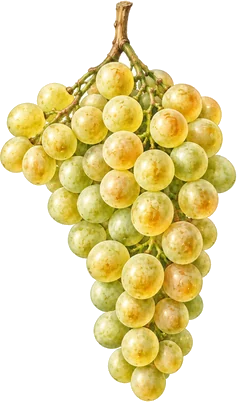
A white table variety with large bunches and firm, crunchy berries. In Belarus the yield and ripening dates vary noticeably between plots and seasons; the result of pollination matters especially.

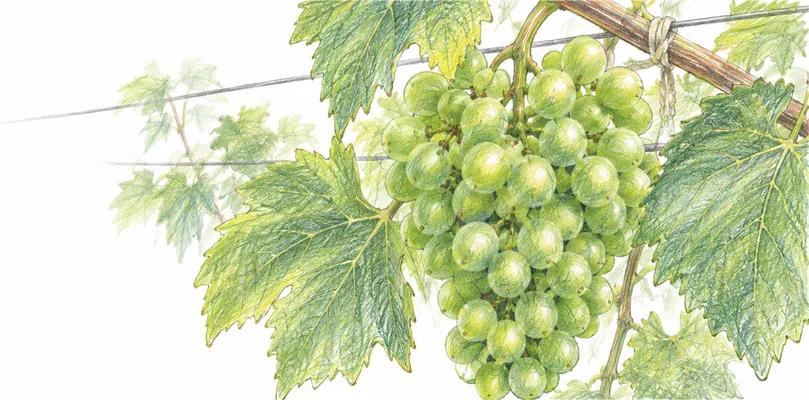
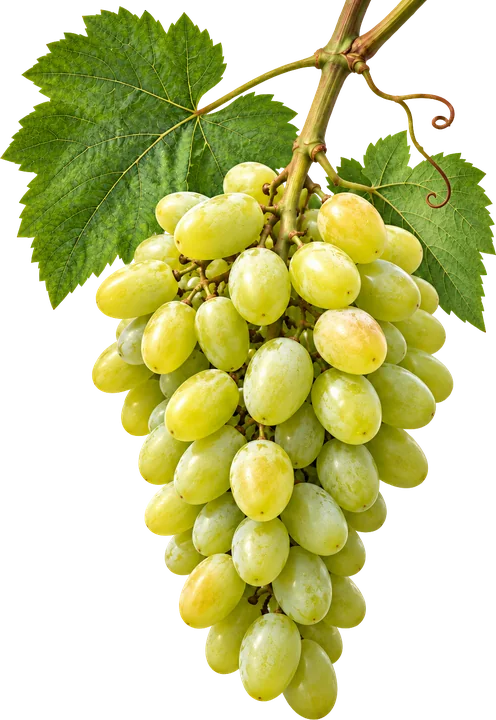
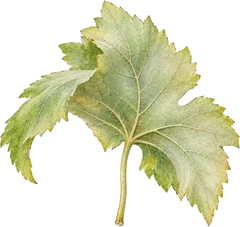
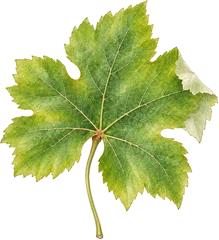
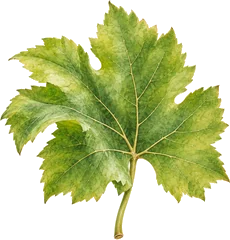
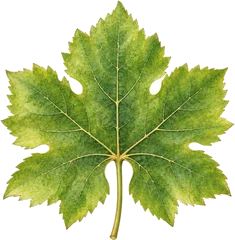
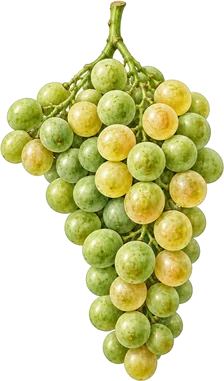
Lora: large oval light green berries with a golden tan — AI illustration based on photos and the description of the variety
  • Ripening timeVery earlyin Belarus — mid-August to September
  • Berry7–12 glight green, with a tan; bunch 0.7–1.5 kg
  • Frost hardiness−21…⁠−23 °Caccording to descriptions; in Belarus it is covered
  • Sugar11–⁠16 Brixmeasurements in Belarus at different stages of ripeness
  • 195first-hand observations
  • 26amateur growers
  • 10professionals
  • 14seasons

The season of Lora in Belarus

Click a stage to see what happens on the vine and what growers saw.

Scroll the strip to see the whole season

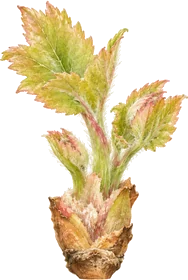
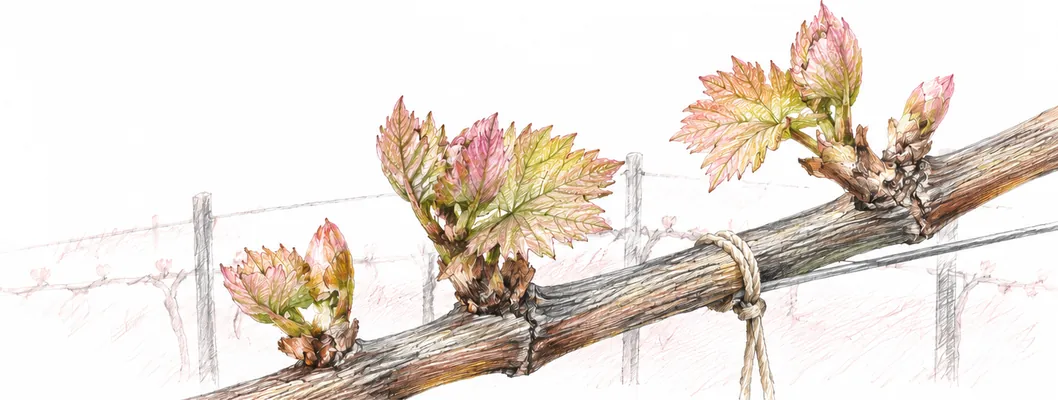
Bud break

late April — May

When Lora's buds break

Observations by professionals and amateurs
Professionals 5 observations

  1. Minsk Region, Minsk Districtsteady warmth above +10 °C from 13 Mayfrosts down to −2 °C, the last on 9 MayBy 3 May 2024 the second Lora vine on a plot in Minsk District was developing well after the winter; its shoots were larger than those of the Preobrazhenie lying next to it.
  2. Minsk Region, DzerzhinskIn a greenhouseIn the greenhouse in 2024 Lora woke up before all the others: by the end of April the shoots had six or seven leaves, and the inflorescences were already visible.
  3. Gomel Regionsteady warmth above +10 °C from 10 Mayfrosts of about −2 °C, the last on 27 AprilLora was uncovered last, but by 16 May 2021 its shoots were already about 20 cm; the canes were still lying in the channel and had not yet been raised onto the support.
  4. Gomel Regionsteady warmth above +10 °C from 2 Mayfrosts from −4 to −6 °C, the last on 23 AprilOn 22 April 2020, in cool weather, Lora's buds were only beginning to push, while some varieties already had shoots of 2–3 cm.
  5. Gomel Regionsteady warmth above +10 °C from 20 Aprilfrosts from −3 to −4 °C, the last on 20 AprilBy early May 2019 all of Lora's shoots had opened; some had already been removed, leaving a small reserve in case of damage.

Amateurs 3 observations

  1. South-west of BelarusIn south-western Belarus, in a cold spring, Lora had not yet woken up when the dark Isabella-type varieties were just starting to open their buds.
  2. Location not specifiedIn a greenhouseIn the greenhouse in spring 2016 Lora started first of all and by the end of April had already put out decent inflorescences, although it was still snowing outside.
  3. Location not specifiedIn a greenhouseIn the greenhouse in April 2015 even a small Lora vine began growing among the first; the early start was noticed before the cold weather outside had ended.
2

Weather, diseases and pests

Professionals 9 observations

  1. Minsk Region, DusaevshchinaLora opens early, but on the plot it came through late spring frosts without problems; the grower noted this from experience over several seasons.
  2. Minsk Region, Smolevichi DistrictIn a greenhouseIn May 2025 Lora in a covered tunnel kept all its buds: after cold nights no frost damage was found on the vines in this tunnel.
  3. Grodno Region, Lidasteady warmth above +10 °C from 27 Aprilfrosts down to −1 °C, the last on 8 MayThe May frost of 2024 killed a whole row on the plot: all the shoots of the Lora vine froze together with the inflorescences, and there will be no crop from it this year.
  4. Gomel Regionsteady warmth above +10 °C from 27 Aprilfrosts down to −1 °C, the last on 5 AprilIn April 2024 almost all the buds on one Lora vine died, including the lateral buds; on another the grower noted the complete loss of buds and canes.
  5. Gomel Regionsteady warmth above +10 °C from 11 Mayfrosts down to −2 °C, the last on 29 AprilIn spring 2023 two shoots of a young Lora that had not ripened by winter turned black. Two new shoots had already appeared at the base of the vine, and some of the old wood was still green.
  6. Grodno Region, Lidasteady warmth above +10 °C from 14 Mayfrosts from −2 to −3 °C, the last on 9 MayA frost on the night of 9 May 2021 damaged a few buds on Lora; where the buds had already opened or were still dormant, everything survived.
  7. Gomel Regionsteady warmth above +10 °C from 2 Mayfrosts from −4 to −6 °C, the last on 23 AprilIn early June 2020 an inflorescence damaged by frost remained on Flora; the grower also allowed for the possibility of anthracnose on the damaged tissue.
  8. Gomel Regionsteady warmth above +10 °C from 2 Mayfrosts from −4 to −6 °C, the last on 23 AprilIn May 2020 the shoot tips of a late-uncovered Lora were damaged by frost; the shoots themselves and the inflorescences stayed alive, and no serious harm to the vine was noted.
  9. Gomel Regionsteady warmth above +10 °C from 3 Mayfrosts from −4 to −5 °C, the last on 2 MayIn spring 2017 a week of April frosts down to −6 °C damaged Lora even under spunbond, with only the lower buds surviving; the frosts of 12 and 18 May hit the shoots again.

Amateurs 0 observations

3

Work on the vine

Professionals 1 observation

  1. Gomel Regionsteady warmth above +10 °C from 20 Aprilfrosts from −3 to −4 °C, the last on 20 AprilBy 30 April 2019 Lora's shoots were pressing against the covering material, so the cover had to be raised to a higher wire; after the winter the buds had started growing.

Amateurs 0 observations

Weather in the observation lines is from AgERA5 data for the region: frosts, sum of active temperatures.

Shoot growth

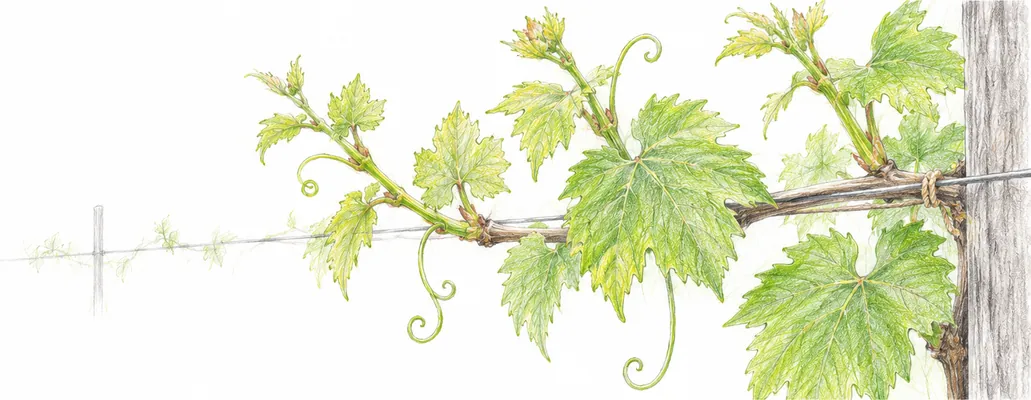
May — June

How Lora's shoots grow

Observations by professionals and amateurs

Professionals 19 observations

  1. Minsk Region, Smolevichi DistrictSAT since 1 April — 303 °C, as usualmonthly precipitation — 51 mm, about usualtwo weeks 3 °C colder than usualBy 23 May 2025 the Lora vine was heavily crowded with shoots; the neighbouring Valyok and Sfinks carried noticeably more moderate numbers of shoots.
  2. Minsk Region, DzerzhinskIn a greenhouseIn a greenhouse in Dzerzhinsk Lora's cane was more than a centimetre thick; in early July 2024 the average measurement was 10.7 mm. The laterals grew more weakly than on some neighbouring varieties.
  3. Minsk Region, DzerzhinskIn a greenhouseBy 14 May 2024 Lora in the greenhouse had grown to the top wire and been tied up; there were many inflorescences, and the shoots had up to thirteen leaves.
  4. Minsk Region, DzerzhinskIn a greenhouseIn the greenhouse in early May 2024 Lora gave two inflorescences per shoot, three in places; by then the shoots had about nine or ten leaves.
  5. Minsk Region, Minsk DistrictSAT since 1 April — 731 °C, as usualmonthly precipitation — 4 mm, 95% less than usualBy mid-June 2023 Lora in Minsk District had reached the last wire of the trellis and gone into hanging growth.
  6. Gomel RegionSAT since 1 April — 187 °C, the season is 4 days behind usualmonthly precipitation — 32 mm, 25% less than usualtwo weeks 3 °C colder than usualIn early May 2023 Flora already had well-developed shoots; the grower noted its early start compared with varieties that woke up later.
  7. Gomel RegionTwo Flora vines planted at the same time grew differently: between mature vines the shoots hardly grew, while at the end of the row the other vine took up about eight metres.
  8. Minsk Region, Ostroshitsky GorodokSAT since 1 April — 489 °C, the season is 9 days behind usualmonthly precipitation — 65 mm, about usualDespite the long, cold spring of 2022, by mid-June some of Lora's shoots were already over a metre.
  9. Gomel RegionIn the summer of 2021 Lora on the plot grew more laterals than Podarok Belarusi and Arkadia; Preobrazhenie's lateral growth was rated as in between.
  10. Gomel RegionOn one plot in July 2021 Flora in a damp, low spot grew strongly after feeding; higher up, where there was less moisture, the shoots were thinner and the laterals grew more weakly.
  11. Minsk Region, Ostroshitsky GorodokSAT since 1 April — 1074 °C, as usualmonthly precipitation — 60 mm, 20% less than usualtwo weeks 3 °C warmer than usualBy 7 July 2021 the Lora vine in Ostroshitsky Gorodok had grown to the top wire of the trellis on the grower's second plot.
  12. Gomel RegionSAT since 1 April — 517 °C, the season is 7 days behind usualmonthly precipitation — 86 mm, 1.5 times the usualIn early June 2021 Lora's shoots often had three inflorescences; the grower noted this number even before flowering began.
  13. Gomel RegionSAT since 1 April — 350 °C, the season is 6 days behind usualmonthly precipitation — 91 mm, 1.7 times the usual; rain on 10 days of 14At the end of May 2021 a mature Flora vine was already growing actively, although it had only been uncovered in early May; the grower attributed the quick start to the vine's maturity.
  14. Gomel RegionIt was hard to get a powerful cane on Lora on this grower's plot: it is usually thin, although that season the grower also noted fairly powerful growth.
  15. Gomel RegionWhen cuttings were taken in autumn 2020, Flora's cane was rated as medium in thickness; more vigorous varieties on the same plot had noticeably thicker cuttings.
  16. Gomel RegionSAT since 1 April — 342 °C, the season is 11 days behind usualmonthly precipitation — 96 mm, 1.8 times the usual; rain on 12 days of 14two weeks 5 °C colder than usual; nights below +8 °C — 8 of 14; 25% less sun than usualAt the end of May 2020 Flora's longest shoots reached about 75 cm; Rogers on the same plot had some shoots of about 110 cm already.
  17. Gomel RegionSAT since 1 April — 479 °C, the season is 5 days ahead of usualmonthly precipitation — 59 mm, about usualtwo weeks 3 °C warmer than usualBy the end of May 2019 Lora had the most powerful shoots on the plot; on one of them the grower counted about fifteen leaves before flowering.
  18. Grodno Region, LidaThe shoots of a two-year-old Lora vine grew more than three metres; in this spot the vine developed well and already carried its first four bunches.
  19. Gomel RegionIn September 2017 the grower noted from experience Lora's slow development in the first two years of growing.

Amateurs 3 observations

  1. Gomel Region, TerekhovkaIn Terekhovka near Gomel in spring 2025 Lora's shoots reached about 40 cm; Liviya, Furshetny and Preobrazhenie then had about 10 cm of growth.
  2. Mogilev RegionIn open ground in Mogilev Region Lora grew to about one and a half metres; by then the vine had already finished flowering, as had several neighbouring varieties.
  3. Location not specifiedBy mid-August 2023 Lora planted from a cutting that season had grown only about three centimetres — the weakest result among the plantings.
2

Weather, diseases and pests

Professionals 3 observations

  1. Gomel RegionIn spring 2024 water was standing on the plot with Flora; the grower noted that it cools the soil and holds back the grapes until the ground warms up.
  2. Gomel RegionIn July 2020, on the raised part of the plot, the shoot tips of Lora stopped growing and the internodes became short for lack of moisture; urgent watering was needed.
  3. Gomel RegionSAT since 1 April — 479 °C, the season is 5 days ahead of usualmonthly precipitation — 59 mm, about usualtwo weeks 3 °C warmer than usualIn May 2019 a leaf roller curled two leaves on Lora into tubes. The grower noticed no significant harm and did not spray separately against it.

Amateurs 0 observations

3

Work on the vine

Professionals 0 observations

Amateurs 1 observation

  1. Location not specifiedLora grew weakly in its old spot; after being moved about 15 m aside, to where the soil had more clay, growth increased noticeably.

Weather in the observation lines is from AgERA5 data for the region: sum of active temperatures, precipitation.

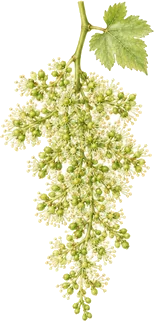
Flowering

late May — July

How Lora flowers and sets berries

Observations by professionals and amateurs

Professionals 7 observations

  1. Grodno Region, GrodnoSAT since 1 April — 430 °C, as usualmonthly precipitation — 94 mm, 1.3 times the usual; rain on 9 days of 14two weeks 2 °C colder than usual; 20% less sun than usualBy 31 May 2025 Lora in Grodno had not yet flowered, although it usually started among the first; the vine had many inflorescences.
  2. Minsk Region, DzerzhinskIn a greenhouseIn a greenhouse in Dzerzhinsk by 26 May 2024 Lora had been in full flower for three days; flowering covered the whole vine.
  3. Minsk Region, DzerzhinskIn a greenhouseBy 14 May 2024 Lora in a greenhouse in Dzerzhinsk had already grown to the top wire, but flowering on the vine had not yet begun.
  4. Minsk Region, Minsk DistrictSAT since 1 April — 731 °C, as usualmonthly precipitation — 4 mm, 95% less than usualBy 17 June 2023 Lora on a plot in Minsk District had not yet started flowering, while Preobrazhenie next to it had completely finished.
  5. Gomel RegionSAT since 1 April — 716 °C, the season is 8 days behind usualmonthly precipitation — 67 mm, about usualOn 18 June 2022 Flora was flowering in the vineyard; by then some of the neighbouring varieties had already finished, and flowering did not progress at the same time across the plot.
  6. Minsk RegionIn 2020 Lora flowered almost first, and some bunches pollinated poorly, whereas the year before everything had been perfect. On the shady side of the trellis it flowered later, and the bunches there came out much better.
  7. Gomel RegionSAT since 1 April — 726 °C, the season is 8 days behind usualmonthly precipitation — 102 mm, 1.8 times the usualtwo weeks 5 °C warmer than usualOn 19 June 2020 Flora was still flowering, while Yubiley Khersonskogo Dachnika on the same plot had completely finished flowering and started forming berries.

Amateurs 4 observations

  1. Brest Region, BrestSAT since 1 April — 784 °C, the season is 6 days behind usualmonthly precipitation — 53 mm, about usualIn Brest, Lora that overwintered under dry cover had finished flowering by 21 June 2026, while vines buried in soil for the winter were only flowering.
  2. Gomel RegionIn Gomel Region by mid-July 2025 fruit set was already visible on Lora under the caps that were still holding on.
  3. Grodno Region, GrodnoIn Grodno in 2024 Lora finished flowering among the first varieties on the plot, together with Jupiter and Tsimus; Etalon and Athos were the last to finish.
  4. Mogilev RegionIn open ground in Mogilev Region Lora had already finished flowering together with Jupiter, Russky Ranny and Supaga, while Geliodor on the plot was still in flower.
2

Weather, diseases and pests

Professionals 0 observations

Amateurs 1 observation

  1. Location not specifiedIn a hotbedIn 2025 in a hotbed, grey mould appeared on the caps of Lora's inflorescences for the first time in 15 years — apparently because of long covering and late prevention. It was stopped with a fungicide spray.
3

Work on the vine

Professionals 1 observation

  1. Brest Region, PinskIn Pinsk in 2019 gibberellin was applied to Lora before flowering; after that many flowers dropped, and the grower was unhappy with the result.

Amateurs 3 observations

  1. Location not specifiedIn a greenhouseIn 2026 in the greenhouse Lora was treated once with gibberellin at 20 mg/l at the end of flowering; the grower rated the result on this variety as good.
  2. Location not specifiedIn a greenhouseFor about seven years Lora in the greenhouse pollinated poorly: there were large berries, but small ones predominated. Since switching to gibberellin, the growers have had full bunches with elongated seedless berries for more than ten years.
  3. Location not specifiedLora's inflorescences were dipped once in a 20 mg/l gibberellin solution, and it set well; for other varieties that flowered later the result is not yet visible.

Weather in the observation lines is from AgERA5 data for the region: sum of active temperatures, precipitation.

Berry growth

June — August

How Lora's berries fill

Observations by professionals and amateurs

Professionals 31 observations

  1. Minsk Region, DusaevshchinaIn Dusaevshchina in 2026 Lora had heavy millerandage: each shoot had two bunches, but almost solid small berries. In the two previous years this vine gave good bunches.
  2. Minsk Region, Minsk DistrictAfter its first good season Lora dropped completely two years in a row: not a single bunch remained. The grower gave the vine two seasons and then removed it.
  3. Minsk Region, DzerzhinskIn Dzerzhinsk the grower removed Lora because of poor pollination: they could not get normal berry set on their vine.
  4. Grodno Region, GrodnoSAT since 1 April — 1921 °C, the season is 4 days behind usualmonthly precipitation — 85 mm, about usualIn Grodno in 2025 three-year-old Lora pollinated even better than the year before. The vine was not especially vigorous, but it managed the load left on it — one or two bunches per shoot.
  5. Minsk Region, Smolevichi DistrictIn central Belarus in 2025 two Lora bunches among the shoots of Athos pollinated quite well; on the other side of the same vine the result was noticeably worse.
  6. Grodno Region, GrodnoIn Grodno in 2025 Lora pollinated well next to Jupiter and Veles. The grower attributed the good set of the female flower to these neighbours.
  7. Grodno Region, GrodnoSAT since 1 April — 1360 °C, as usualmonthly precipitation — 146 mm, 1.8 times the usual; rain on 10 days of 14In Grodno in the summer of 2025 long bunches were shown on Lora. By mid-August the vine was hung all over with crop, although the berries in those bunches were not yet ripe.
  8. Minsk Region, Smolevichi DistrictIn early July 2025 in central Belarus Lora, with its functionally female flower, pollinated poorly: the grower noticed a lot of dropped fruit set.
  9. Minsk Region, Ostroshitsky GorodokSAT since 1 April — 2149 °C, the season is 13 days ahead of usualmonthly precipitation — 65 mm, about usualNear Minsk in August 2024 Lora had only two or three good bunches. The rest set worse, with noticeable millerandage.
  10. Grodno Region, LidaIn Lida in 2024 Lora was recovering from spring damage and pollinated late; at the bottom of the vine berry set was a little better than in the other bunches.
  11. Grodno Region, GrodnoSAT since 1 April — 1690 °C, the season is 14 days ahead of usualmonthly precipitation — 91 mm, about usualtwo weeks 2 °C warmer than usualIn Grodno in July 2024 Lora produced very large bunches on thick shoots. By the end of the month its berries were even larger than on the neighbouring Arkadia.
  12. Minsk Region, DzerzhinskIn a greenhouseIn a greenhouse in Dzerzhinsk in the 2023 seasons Lora pollinated poorly: the berries were small, but seedless.
  13. Minsk Region, Minsk DistrictThe largest Lora bunch on the plot was estimated at about 2 kg. The grower noted the variety's good crop load and high sugar.
  14. Minsk Region, Minsk DistrictIn 2023 near Minsk Lora had very large bunches and a heavy load. In berry and bunch size it was compared with Zabava; Lora's stayed green in colour.
  15. Minsk Region, Minsk DistrictIn 2023 on a plot in Minsk District Lora pollinated poorly: the bunches had many small berries. Among the mature vines here only it had a functionally female flower.
  16. Grodno Region, LidaIn a greenhouseAt the autumn inspection Lora in the greenhouse looked better than the vines outdoors, but some berries showed millerandage.
  17. Minsk RegionIn 2022 Lora pollinated poorly on the plot. The growers attributed this to heavy overcrowding: almost twice as many shoots as usual had been left.
  18. Minsk RegionSAT since 1 April — 1470 °C, the season is 9 days behind usualmonthly precipitation — 115 mm, 1.4 times the usualIn August 2022 a Lora bunch had both large and very small berries at the same time. The grower noted that the small ones would stay seedless and the bunch would be uneven.
  19. Minsk RegionAt its second full fruiting in 2021 Lora set well despite hail and rain during flowering. The bunches were estimated at 1.2–1.5 kg; the berry was a little smaller than usual.
  20. Minsk Region, Ostroshitsky GorodokSAT since 1 April — 1918 °C, as usualmonthly precipitation — 69 mm, about usualNear Ostroshitsky Gorodok in mid-August 2021 Lora's berries were still gaining size. On this plot the young vines were giving their first crop.
  21. Gomel RegionSAT since 1 April — 1399 °C, as usualmonthly precipitation — 57 mm, about usualtwo weeks 4 °C warmer than usualIn the summer of 2021 Flora's berries were already starting to gain size. One vine took up about eight metres of the grower's row.
  22. Gomel RegionIn 2021 Flora pollinated well on the plot: after the June heat the fruit set was rated positively, and in July handsome, well-filled bunches were noted.
  23. Gomel RegionIn the 2020 Flora crop a bunch of about one and a half kilograms was shown. The berries were large and fairly even in size, although some stayed smaller.
  24. Gomel RegionSAT since 1 April — 2039 °C, the season is 8 days behind usualmonthly precipitation — 27 mm, 50% less than usualIn August 2020 bunches of about 800 g with large, even berries were shown on Flora; under a normal load the berry weight was estimated at 10–12 g.
  25. Gomel RegionIn early August 2020 all of Flora's shoots carried large bunches: the vine was fully loaded with crop, and the grower saw no shoots without bunches.
  26. Grodno Region, LidaSAT since 1 April — 975 °C, the season is 7 days behind usualmonthly precipitation — 58 mm, 30% less than usualLora has a functionally female flower, but in 2020 flowering went excellently, although pollination was not assisted in any way.
  27. Minsk RegionIn July 2020 no dropping was noticed on Lora, which had recently finished flowering, although pollination was not specially assisted; the size and evenness of the berries were not yet final.
  28. Grodno Region, LidaIn Lida two Lora vines next to the kishmishes gave a steady crop year after year with very large berries and bunches, coping with a heavy load.
  29. Gomel RegionIn autumn 2019 bunches of 2–2.5 kg were shown on the plot with Flora; the grower noted that the Rogers growing next to it pollinated its female flower well.
  30. Grodno Region, LidaIn Lida in 2019 Lora, with its functionally female flower, set its bunches well; the grower rated the pollination result on this vine as excellent.
  31. Gomel RegionLarge bunches were shown on Flora vines in open ground in autumn 2018: the grower estimated their weight at one and a half kilograms, some up to two.

Amateurs 4 observations

  1. Gomel Region, SvetlogorskIn Svetlogorsk Lora, by the grower's assessment, pollinated somewhat better; Arkadia and Veles on this plot were then only starting to flower.
  2. Location not specifiedIn the 2025 seasons the grower noted especially successful pollination of Lora: in the grower's view, berry set had never been this good before.
  3. Minsk Region, DzerzhinskIn a greenhouseA four-year-old Lora in a greenhouse in Dzerzhinsk pollinated poorly; the vine was grown without chemical sprays, but normal berry set was never achieved.
  4. Gomel Region, GomelIn Gomel in the 2024 seasons Lora was left without a crop, and the grower only grew canes. In previous years this vine had given an excellent crop.
2

Weather, diseases and pests

Professionals 7 observations

  1. Grodno Region, GrodnoIn early September 2024 Lora in Grodno was free of disease: the leaves were healthy, and the cane was ripening along with the berry. The grower had not seen powdery mildew in their vineyard.
  2. Minsk Region, DzerzhinskIn a greenhouseIn the greenhouse in the hot July of 2024 no powdery mildew was found on Lora, and no downy mildew either. The leaves and cane stayed clean, although there were already diseased berries on another variety next to it.
  3. Gomel RegionSAT since 1 April — 1934 °C, as usualmonthly precipitation — 46 mm, 35% less than usual; rain on 8 days of 14In August 2021 Flora came through the disease period well. The shoots were checked for traces of powdery mildew, but the small spots noticed may have been scuffs or scratches.
  4. Gomel RegionIn 2020 no disease was seen on one of the Flora vines with minimal spraying. This vine was deliberately under-cropped; its berries stayed healthy and very large.
  5. Gomel RegionSAT since 1 April — 1522 °C, the season is 9 days ahead of usualmonthly precipitation — 51 mm, 30% less than usualtwo weeks 3 °C colder than usualIn July 2019 no disease had yet been noticed on Flora, although the weather was cool — about +15 °C. The vine on the town plot kept bearing fruit.
  6. Grodno Region, LidaSAT since 1 April — 2125 °C, the season is 23 days ahead of usualmonthly precipitation — 104 mm, 1.3 times the usualtwo weeks 4 °C warmer than usual; 15% more sun than usualIn 2018 the two-year-old Lora vine is clean, free of disease, although the vineyard has had only one spray so far.
  7. Gomel RegionBy September 2017 no disease had been noticed on Lora. Spraying followed the programme for the whole vineyard, without separate protection for this variety.

Amateurs 1 observation

  1. Location not specifiedIn July 2026 the Lora growing next door was fine, while on the neighbouring Aleshenkin the young leaves suffered both in open ground and in the hotbed.
3

Work on the vine

Professionals 11 observations

  1. Grodno Region, GrodnoIn autumn 2025 a treated Lora showed berries smaller than usual but seedless. Next to it a standard Lora had larger berries that kept their elongated shape.
  2. Minsk Region, DzerzhinskIn a greenhouseIn a greenhouse in Dzerzhinsk in 2024 Lora pollinated poorly for the second season in a row: few large berries, the small ones seedless. Three bunches per shoot were left with a cane thickness of 9–12 mm; there were no shoots without bunches.
  3. Gomel RegionSAT since 1 April — 1764 °C, the season is 7 days behind usualmonthly precipitation — 79 mm, about usualAfter flowering, at the pea-size stage, up to two thirds of the berries were removed from both sides of Flora's bunches. By early August the remaining berries were already softening, but had been damaged by hail.
  4. Minsk RegionIn 2021 Lora at first had three bunches per shoot; then one was left, with 40 buds per vine. By the time of the inspection the cane had already ripened.
  5. Gomel RegionAt the end of the 2021 seasons Lora on the plot had coped well with its load and ripened by the first days of September. The grower attributed the result to care and feeding of the vine.
  6. Gomel RegionSAT since 1 April — 1770 °C, as usualmonthly precipitation — 57 mm, 20% less than usualIn 2021 Flora's overly compact bunches were thinned by removing surplus berries. Even after the first thinning some bunches stayed compact, so the load was reduced further.
  7. Grodno Region, LidaSAT since 1 April — 1919 °C, the season is 8 days behind usualmonthly precipitation — 49 mm, 25% less than usualAt the end of August 2020 bunches were cut off one Lora vine to reduce the load. More crop was left on the second; there the berries were already growing and softening.
  8. Gomel RegionA young Flora vine was deliberately overloaded with bunches in 2020. Its berries were slightly smaller than on the neighbouring under-cropped vine, but stayed large and even.
  9. Gomel RegionSAT since 1 April — 1104 °C, the season is 4 days behind usualmonthly precipitation — 72 mm, about usualtwo weeks 3 °C warmer than usualIn July 2020 Flora set so many berries that the bunches had to be thinned. Part of the crop was cut off, including where shoots had been left for renewal.
  10. Gomel RegionSAT since 1 April — 2248 °C, the season is 5 days ahead of usualmonthly precipitation — 60 mm, about usual; rain on 7 days of 14One Flora vine was deliberately loaded more lightly than the others in 2019 to get ripe berries for sale earlier. By the end of August its crop was almost ripe.
  11. Gomel RegionSAT since 1 April — 2224 °C, the season is 4 days ahead of usualmonthly precipitation — 73 mm, about usual; rain on 8 days of 14A young Lora vine was deliberately overloaded to stretch out the ripening and selling of the crop. Even with such a load there were no cracks on the berries in August 2019.

Amateurs 4 observations

  1. Location not specifiedIn a greenhouseLora has grown in the greenhouse for six years: there are no pollination problems, it loads up very heavily, sometimes two bunches per shoot; the surplus is cut after pollination.
  2. Location not specifiedAfter two gibberellin treatments at 30 mg/l Lora gave a good result, but the bunch became coarse: the berries snapped off when touched. That is how the grower described one season's experience.
  3. Location not specifiedIn a greenhouseIn the greenhouse all bunches were left on Lora, two to four per shoot, and by early June the canes are already about five metres long and not stopping.
  4. Location not specifiedThe Lora vine is in its second year: six canes were left with a bunch on each and the tips were pinched long ago, but the vine still seems to be growing too lush.

Weather in the observation lines is from AgERA5 data for the region: sum of active temperatures, precipitation.

Colouring

late July — September

How Lora's berries change colour

Observations by professionals and amateurs

Professionals 10 observations

  1. Minsk Region, Smolevichi DistrictSAT since 1 April — 2232 °C, as usualmonthly precipitation — 20 mm, 60% less than usualtwo weeks 4 °C warmer than usual; 20% more sun than usualIn central Belarus by mid-September 2025 Lora's berry was yellow and softening but had not yet gained sugar. The crop was left on the vine, while the neighbouring Athos was already being cut.
  2. Grodno Region, GrodnoSAT since 1 April — 1921 °C, the season is 4 days behind usualmonthly precipitation — 85 mm, about usualBy 24 August 2025 in Grodno Lora's berries had turned yellow. The three-year-old vine carried a heavy load, but there was not yet enough warmth for final ripening.
  3. Minsk Region, DzerzhinskIn a greenhouseIn a greenhouse near Dzerzhinsk in early July 2024 Lora was just gaining sugar, and by 28 July it measured 11 Brix. After a rainy week the berry kept ripening.
  4. Gomel RegionSAT since 1 April — 2057 °C, as usualmonthly precipitation — 47 mm, 35% less than usualBy mid-August 2021 Flora had turned yellow, with a beautiful tint to the berry. The seeds were starting to turn brown; the grower expected the crop to be ripe soon.
  5. Gomel RegionSAT since 1 April — 1934 °C, as usualmonthly precipitation — 46 mm, 35% less than usual; rain on 8 days of 14In early August 2021 Flora had its first sugar, although some sourness remained. By then some very early varieties on the plot had not yet gained sugar.
  6. Minsk Region, Minsk DistrictSAT since 1 April — 1639 °C, as usualmonthly precipitation — 40 mm, 50% less than usualBy 1 August 2021 on two young Lora vines near Minsk the berry was approaching its varietal size and beginning to soften. It was these vines' first crop.
  7. Grodno Region, LidaSAT since 1 April — 1818 °C, the season is 8 days behind usualmonthly precipitation — 35 mm, 55% less than usualBy 22 August 2020 Lora's bunches had started turning yellow at the top, while the berries at the bottom were still green; the load was one or two bunches per cane.
  8. Gomel RegionSAT since 1 April — 1654 °C, the season is 8 days behind usualmonthly precipitation — 48 mm, 30% less than usualIn early August 2020 softening of the berries was noted on a Flora vine. They were still growing in size, though, and the filling of the crop was not over.
  9. Grodno Region, LidaSAT since 1 April — 1746 °C, the season is 6 days ahead of usualmonthly precipitation — 61 mm, 30% less than usualIn early August 2019 Lora is filling after good pollination, but there is a complete lack of warmth; one vine is only starting to change colour.
  10. Grodno Region, LidaSAT since 1 April — 2125 °C, the season is 23 days ahead of usualmonthly precipitation — 104 mm, 1.3 times the usualtwo weeks 4 °C warmer than usual; 15% more sun than usualBy 9 August 2018 the berries on Lora's first bunches are turning yellow and softening, and the cane is also starting to change colour.

Amateurs 1 observation

  1. Location not specifiedIn a hotbedIn an open hotbed on 31 August 2026 Lora's berries measured 11.4–14.2 Brix. In these readings the higher sugar was usually found in the smaller berry.
2

Weather, diseases and pests

Professionals 1 observation

  1. Gomel RegionSAT since 1 April — 1764 °C, the season is 7 days behind usualmonthly precipitation — 79 mm, about usualIn early August 2022 Flora's berries had already softened, but there were many hail-damaged berries in the bunches. Next to it, under film, there was noticeably less damage.

Amateurs 0 observations

3

Work on the vine

No observations yet.

Weather in the observation lines is from AgERA5 data for the region: sum of active temperatures, precipitation.

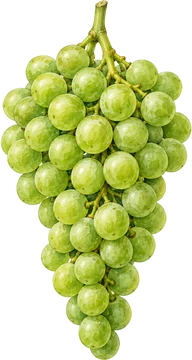
Ripening and harvest

mid-August — September

Sugar, taste and harvest time of Lora

Observations by professionals and amateurs

When Lora ripens

14 observations without greenhouses · 2013–2026

Professionals12 observationsAmateurs2 observations

still ripeningripealready cutapproximate date

Scroll the dates ↔

What state the bunches were found in14 observations. A drop is one observation: filled — bunches ripe, hollow — still ripening, cross — already cut. Harvest window from 30 August to 14 September.harvest window · 30 August — 14 SeptemberAugust510152025September510152025October5ProfessionalsAmateurs

Professionals 21 observations

  1. Minsk Region, DusaevshchinaSAT since 1 April — 2332 °C, the season is 8 days behind usualmonthly precipitation — 80 mm, 1.7 times the usual15% less sun than usualBy the end of September 2026 in Dusaevshchina the Lora crop had already been cut and eaten: the berries were ripe about three weeks before the inspection. This season the bunches were small.
  2. Grodno Region, GrodnoSAT since 1 April — 2110 °C, the season is 5 days behind usualmonthly precipitation — 76 mm, about usualIn 2026 Lora is late: at the beginning of September the berry has not softened yet and is sour and smaller than usual, although two small bunches of about 700 g each were left.
  3. Grodno Region, GrodnoSAT since 1 April — 2160 °C, as usualmonthly precipitation — 36 mm, 50% less than usualBy 6 September 2025 Lora in Grodno was already being cut selectively. The vine was heavily loaded, and the grower attributed the slight shift in timing to this load.
  4. Minsk Region, DzerzhinskIn a greenhouseBy 8 September 2024 the Lora crop on one side of the vine in the greenhouse had been fully picked and processed. Ripened canes and healthy leaves remained on that side.
  5. Grodno Region, GrodnoSAT since 1 April — 2071 °C, the season is 13 days ahead of usualmonthly precipitation — 108 mm, 1.4 times the usualBy 15 August 2024 Lora's bunches were completely yellow, amber: the taste has a honeyed finish, the flesh breaks into pieces, two seeds, already brown. In taste it outdid Arkadia.
  6. Minsk Region, Minsk DistrictComparing the varieties grown on the plot, Lora stood out for its high sugar: its berries were among the sweetest tasted.
  7. Minsk Region, Minsk DistrictSAT since 1 April — 2182 °C, the season is 6 days ahead of usualmonthly precipitation — 67 mm, about usualtwo weeks 4 °C warmer than usualIn Minsk District by the end of August 2023 the small Lora bunches could already be eaten, while the large ones were not yet ripe. The crop was picked gradually, leaving the big bunches to hang.
  8. Minsk RegionTwo Lora vines from the same mother plant, planted 5–6 m apart, ripened differently: one gave 30–40 kg of ripe berries, while the second had only just started fruiting and stayed sour.
  9. Minsk Region, Minsk DistrictSAT since 1 April — 1999 °C, the season is 6 days behind usualmonthly precipitation — 35 mm, 40% less than usual; two weeks without raintwo weeks 4 °C warmer than usual; 20% more sun than usualBy 29 August 2022 in Minsk District Flora was not yet ready for picking, although the vine already had handsome marketable bunches.
  10. Minsk RegionLora usually ripens by 10 September; in 2021 it was slightly late. The berry is firm and crunchy, with a simple, harmonious taste. A crop of more than 40 kg per vine was obtained in 2019.
  11. Minsk RegionSAT since 1 April — 2307 °C, as usualmonthly precipitation — 57 mm, about usualnights below +8 °C — 8 of 14By 14 September 2021 Lora on the plot was already considered ready for picking. Its ripening was late this season, but the berries did reach an edible state.
  12. Minsk RegionAbout 35 kg of crop was taken from one Lora vine. In one season the berries were fully ripe and sweet by 20 September; the year before they ripened faster.
  13. Grodno Region, LidaSAT since 1 April — 2293 °C, the season is 8 days behind usualmonthly precipitation — 75 mm, 1.4 times the usualBy 22 September 2020 part of the Lora had been cut; the rest is ripe and hanging on the vine — the crop is gradually going for sale.
  14. Gomel RegionSAT since 1 April — 2256 °C, the season is 8 days behind usualmonthly precipitation — 49 mm, about usualtwo weeks 2 °C warmer than usualRipe Flora in September 2020 was noted for an unusual pleasant taste and a fairly firm berry. The berries held on firmly and were harder to pick off than those of some neighbouring varieties.
  15. Grodno Region, LidaSAT since 1 April — 1919 °C, the season is 8 days behind usualmonthly precipitation — 49 mm, 25% less than usualIn Lida by 28 August 2020 Lora had not yet ripened. Valyok, growing intermixed with it, felt closer to ripeness, while Lora still needed time.
  16. Gomel RegionSAT since 1 April — 2039 °C, the season is 8 days behind usualmonthly precipitation — 27 mm, 50% less than usualBy 23 August 2020 Flora's berries had gained a lot of sweetness, and the seeds were starting to turn brown. On the vine shown the bunches were about 800 g each.
  17. Minsk RegionA Lora bunch picked on 11 September 2019 lasted until 3 November in a dampish cellar. The berries stayed sweet and tasty, although in places they were starting to rot.
  18. Gomel RegionOn this plot Flora is considered a reliable variety for selling: it has yellow grapes and large bunches. It ripens later than the Madonna growing next to it.
  19. Grodno Region, LidaSAT since 1 April — 2129 °C, the season is 6 days ahead of usualmonthly precipitation — 82 mm, about usualBy 26 August 2019 in Lida Lora was not yet ready for a full harvest: the berries were being tasted little by little, but the whole crop had not yet been picked from the vine.
  20. Gomel RegionBy 16 August 2019 the Flora crop had been cut for sale. The vine survived the season's adverse events, and the grapes went to market.
  21. Minsk Region, MinskSAT since 1 April — 2478 °C, the season is 32 days ahead of usualmonthly precipitation — 34 mm, 45% less than usualBy 3 September 2018 a young Lora vine had a good crop: the berries were turning yellow and could already be eaten little by little, although the bunches were left to hang.

Amateurs 9 observations

  1. Minsk Region, Ostroshitsy area, Logoisk DistrictIn a greenhouseIn a greenhouse in the Ostroshitsy area of Logoisk District a well-loaded Lora ripened by mid-September 2026. By mid-August it had no ripe crop yet.
  2. Gomel Region, Gomel DistrictSAT since 1 April — 2222 °C, the season is 6 days behind usualmonthly precipitation — 43 mm, about usualAt the end of August 2026 Lora reached 16 Brix: the berry is already quite edible but should hang for another week.
  3. Location not specifiedIn the 2025 seasons Lora ripened at the usual time for this plot — in early September. The late spring shifted the timing of many neighbouring varieties but did not delay Lora and Jupiter.
  4. Minsk Region, Pukhovichi DistrictIn Pukhovichi District Lora in open ground never ripened in 2025 — it was caught by a September frost.
  5. Location not specifiedIn mid-September 2025 Lora's berries stayed clean, but by the grower's estimate they needed about two more weeks to ripen. The crop was kept on the vine for now.
  6. Brest Region, BrestIn Brest in the 2023 seasons Lora was just starting to be eaten when Garold and Pamyati Uchitelya had already been picked, Jupiter was being finished off and Arkadia had almost fully ripened.
  7. Minsk Region, DzerzhinskIn a greenhouseIn a greenhouse in Dzerzhinsk Lora was not yet ripe by 11 August 2023. Its sugar was not measured; Arkadia and Aladdin growing there had not ripened at the same time either.
  8. Location not specifiedAfter five years of testing in open ground Lora was removed from the plot: the berries did not have time to develop their full flavour. There was no greenhouse on this plot.
  9. Location not specifiedBy 28 August 2013 Flora on the plot was still approaching ripeness: some other varieties had already been eaten or given away, while its crop remained on the vine.
2

Weather, diseases and pests

Professionals 13 observations

  1. Minsk Region, MinskIn Minsk District Lora's berries were seen to drop during transport: even a short trip to the market, about 15–20 km, meant losses.
  2. Gomel RegionSAT since 1 April — 2287 °C, the season is 6 days behind usualmonthly precipitation — 18 mm, 55% less than usualtwo weeks 3 °C warmer than usualBy early September 2022 no berry cracking was noted on Flora, and the crop had mostly been cut. There were only a few damaged or eaten berries.
  3. Grodno Region, LidaSAT since 1 April — 2171 °C, the season is 4 days behind usualmonthly precipitation — 56 mm, about usualtwo weeks 3 °C colder than usual; nights below +8 °C — 6 of 14In Lida in September 2021 only an occasional cracked berry was found on Lora; on the whole the bunches kept well, and the crop was already being cut.
  4. Minsk RegionSAT since 1 April — 2178 °C, as usualmonthly precipitation — 81 mm, 1.4 times the usual20% less sun than usualAfter heavy rain in early September 2021 Lora on the plot kept its berries intact: not a single crack was found at inspection.
  5. Gomel RegionSAT since 1 April — 2162 °C, as usualmonthly precipitation — 62 mm, about usualIn August 2021 the grower deliberately inspected all their Flora vines and did not find a single cracked berry. By then the berries had grown noticeably.
  6. Gomel RegionIn 2020 no rot was found on Flora when the crop was inspected. On the first of September its bunches were already being cut on the plot.
  7. Gomel RegionSAT since 1 April — 2671 °C, as usualmonthly precipitation — 32 mm, about usualOn a young Lora vine in 2020 a few berries split slightly, without much harm; with long hanging the berry became very sweet.
  8. Gomel RegionSAT since 1 April — 2256 °C, the season is 8 days behind usualmonthly precipitation — 49 mm, about usualtwo weeks 2 °C warmer than usualOn ripe Flora in early September 2020 a rusty tint and small dots were noticed on the sunny side of the berries; this made the bunches look less attractive.
  9. Gomel RegionSAT since 1 April — 2248 °C, the season is 5 days ahead of usualmonthly precipitation — 60 mm, about usual; rain on 7 days of 14After heavy downpours in August 2019 most of the berries on the young Flora vines stayed intact. A close inspection did find a single split berry.
  10. Grodno Region, LidaSAT since 1 April — 1979 °C, the season is 5 days ahead of usualmonthly precipitation — 75 mm, about usual; rain on 7 days of 14In mid-August 2019 Lora's berry is still firm and only gaining size, with no cracks, while on a neighbouring kishmish some berries split after the rains.
  11. Grodno Region, LidaSAT since 1 April — 1926 °C, the season is 5 days ahead of usualmonthly precipitation — 80 mm, about usual; rain on 8 days of 1415% less sun than usualIn Lida in August 2019 Lora cracked where water ran off the roof. In another spot on the plot no such damage was noted.
  12. Gomel RegionLora withstood the 2017 seasons with its sharp temperature swings and a month's worth of rain in a day: the cracks were minor, one or two berries per bunch.
  13. Gomel RegionSAT since 1 April — 2467 °C, the season is 6 days behind usualmonthly precipitation — 77 mm, 1.8 times the usual; rain on 7 days of 1415% less sun than usualIn September 2017 cracks were found on Lora at the berry stems, not in the middle of the berries. Some damaged berries were starting to rot, and wasps and hornets were eating them.

Amateurs 1 observation

  1. Gomel RegionIn Gomel Region in the 2021 seasons cracking also affected Lora. On the same plot some other varieties stayed intact, while some neighbours had severe damage.
3

Work on the vine

No observations yet.

Weather in the observation lines is from AgERA5 data for the region: sum of active temperatures, precipitation.

Autumn

September — October

How Lora's cane ripens

Observations by professionals and amateurs

Professionals 14 observations

  1. Grodno Region, GrodnoSAT since 1 April — 2110 °C, the season is 5 days behind usualmonthly precipitation — 76 mm, about usualIn Grodno by early September 2026 Lora's cane was already ripening, although the berries in the bunches were still sour and not yet softening. This season the cane was ahead of the crop.
  2. Grodno Region, GrodnoSAT since 1 April — 2454 °C, the season is 10 days behind usualmonthly precipitation — 47 mm, about usualtwo weeks 2 °C colder than usual; nights below +8 °C — 14 of 14In Grodno by 8 October 2025 the ripened part of various Lora shoots reached about 1.5–2 metres.
  3. Minsk Region, Smolevichi DistrictSAT since 1 April — 2404 °C, the season is 13 days behind usualmonthly precipitation — 26 mm, 30% less than usualtwo weeks 2 °C colder than usual; nights below +8 °C — 14 of 14By early October 2025 Lora in central Belarus had already been harvested. After picking, the start of cane ripening was noticeable on the vine.
  4. Minsk Region, Smolevichi DistrictSAT since 1 April — 2404 °C, the season is 10 days behind usualmonthly precipitation — 24 mm, 40% less than usualIn central Belarus by the end of September 2025 some of Lora's canes were already ripening. On the whole cane ripening on this plot was rated as relatively good.
  5. Grodno Region, GrodnoIn Grodno cane ripening on Lora was noticeable as early as the end of July 2025. By 24 August it was going well, roughly like Helena growing next to it.
  6. Minsk RegionOn fruiting Lora vines the cane ripened well. Young plants had difficulties with ripening in their first year or two, which later stopped being a concern.
  7. Minsk RegionIn Minsk Region, when left to hang long on the vine, Lora gained so much sugar that the berries became very sweet, even cloying.
  8. Grodno Region, LidaSAT since 1 April — 2171 °C, the season is 4 days behind usualmonthly precipitation — 56 mm, about usualtwo weeks 3 °C colder than usual; nights below +8 °C — 6 of 14By early September 2021 in Lida Lora's cane in open ground was already ripening; at that time the crop on the vine was starting to be cut.
  9. Gomel RegionFlora's cane began to ripen as early as 24 July 2021. By mid-August it was progressing normally on most vines, but one young vine was noticeably behind.
  10. Minsk RegionSAT since 1 April — 2463 °C, the season is 6 days behind usualmonthly precipitation — 28 mm, 45% less than usualtwo weeks 5 °C warmer than usualIn October 2020 Lora kept hanging on the vine and gaining sugar. With long hanging the berries became very sweet; for storage they were picked earlier.
  11. Gomel RegionAt the end of August 2020 Flora's cane was ripening on both strong and weak shoots. On one of the vines shown, ripening had already reached the bend and beyond.
  12. Grodno Region, LidaBy 22 August 2020 in Lida, with a good load of bunches, Lora's cane was already ripening: the shoots had turned yellow for about a metre.
  13. Gomel RegionBy 21 August 2019 on young Flora vines with their first small bunches the cane was already ripening.
  14. Grodno Region, LidaAs early as the end of July 2019 Lora's cane is turning yellow and moving towards ripeness, although the berries are only gaining size.

Amateurs 0 observations

2

Weather, diseases and pests

Professionals 2 observations

  1. Minsk Region, Smolevichi DistrictIn the 2024 seasons Lora on a plot in central Belarus was affected by powdery mildew. In 2025, with the usual spray programme, no disease was seen on this vine.
  2. Minsk RegionSAT since 1 April — 2463 °C, the season is 6 days behind usualmonthly precipitation — 28 mm, 45% less than usualtwo weeks 5 °C warmer than usualIn autumn 2020 birds pecked Lora heavily on the plot, although there were no wasps that season. Most of the remaining bunches were kept in bags.

Amateurs 2 observations

  1. Location not specifiedIn autumn 2026 powdery mildew ran over the canes of almost all vines on the plot, while Lora stayed completely disease-free, as did several other varieties.
  2. Location not specifiedAt the end of September 2025, after a night of about −3 °C, Lora on the plot was not damaged by frost, although in the morning the leaves were covered with a crust of ice. Many other varieties suffered.
3

Work on the vine

Professionals 1 observation

  1. Grodno Region, LidaSAT since 1 April — 2514 °C, the season is 11 days ahead of usualmonthly precipitation — 28 mm, 40% less than usualtwo weeks 2 °C colder than usual; nights below +8 °C — 9 of 14In Lida the crop left on Lora was covered with double spunbond. After an autumn frost down to −6 °C the berries were not damaged, did not crack and kept their juiciness and crunch.

Amateurs 1 observation

  1. Location not specifiedIn a greenhouseA Lora plant put out a shoot from the ground only on 1 August. In a mini-greenhouse made from a large bag the shoot grew more than a metre by winter and ripened over several buds.

Weather in the observation lines is from AgERA5 data for the region: sum of active temperatures, precipitation.

Winter

November — April

How the Lora vine overwintered

Professionals' observations

Professionals 1 observation

  1. Minsk Region, MinskIn Minsk Lora came through the winter well after a season with poorly ripened cane. By autumn 2018 the vine gave a good crop and stayed free of disease.

Amateurs 0 observations

2

Weather, diseases and pests

No observations yet.

3

Work on the vine

No observations yet.

Strengths and risks of Lora

Strengths

  • Large bunches: growers got 0.7–1.5 kg, and some bunches were estimated at 2–2.5 kg
  • A big crop in a good season: in 2019 more than 40 kg came from one vine
  • Firm, crunchy flesh; the taste is described both as simple and harmonious and as sweet with a honeyed finish
  • In several seasons the berries stayed intact after heavy rain, or only single berries cracked
  • In Grodno Region the start of cane ripening was observed as early as July
  • A bunch cut in September kept its sweetness and taste for almost two months; a few rotting berries did appear in storage

Risks in Belarus

  • Functionally female flower: for some growers the bunches set well, for others small berries remain or all the inflorescences drop for several seasons in a row
  • A greenhouse alone does not solve the pollination problem: there is long successful experience, but also vines with repeated heavy millerandage
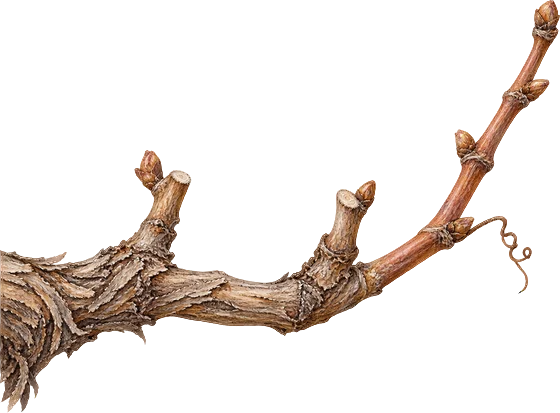
  • Its early start makes spring frosts important: in some cases buds and shoots with inflorescences died; autumn frosts were tolerated differently
  • In cold places and seasons the berry lags: in September it stays sour and sometimes does not ripen before the frost; with a heavy load, even in a hotbed, the harvest shifted to mid-September
  • Disease resistance is not absolute: powdery mildew, shoot wilting and grey mould on inflorescences in a hotbed were noted; in other seasons the vines stayed clean
  • Cracking occurs, including near the berry stem and under water running off a roof; the compact bunch makes it hard to remove damaged berries, and berries may drop in transport
  • Results with gibberellin vary: full seedless bunches are described, but also flower drop and coarse bunches with berries snapping off
  • Growth and cane ripening vary: young vines sometimes develop weakly, while in another spot or for another grower they grow strongly

Suits those prepared to fit the load and the method of pollination to their plot, cover the vine and check berry ripeness; a greenhouse can speed up development but does not guarantee good fruit set.

Origin: Ukraine, the V. Ye. Tairov Odesa Institute of Viticulture and Winemaking: (Muscat de Saint-Vallier × a mix of Muscat Hamburg and Husaine pollen) × Koroleva TairovskayaUpdated How we collect observations