












CountryLanguage

Liepājas Dzintars

Liepājas Dzintars

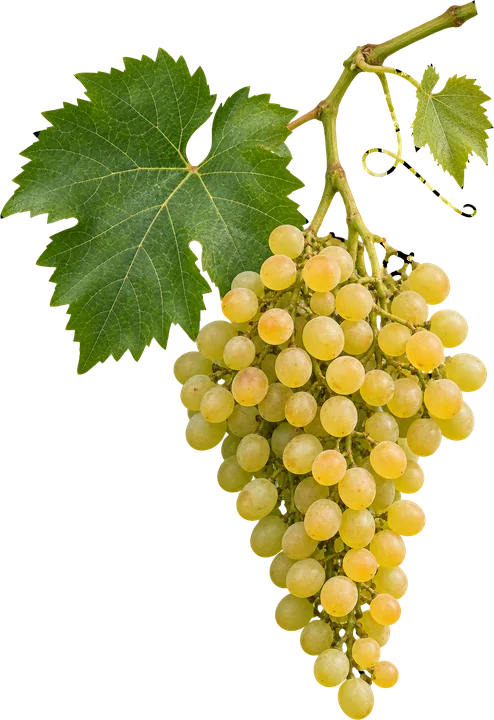
An early Latvian grape with Muscat flavour. In Belarus, growers sampled it from late July and had bunches ready to cut in August.

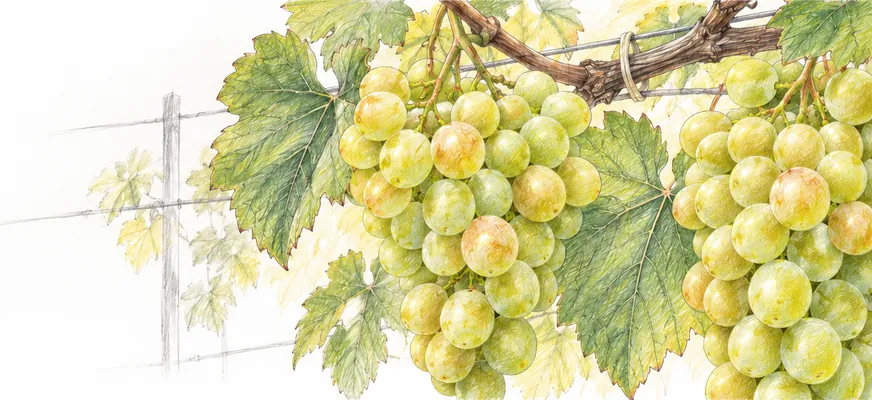
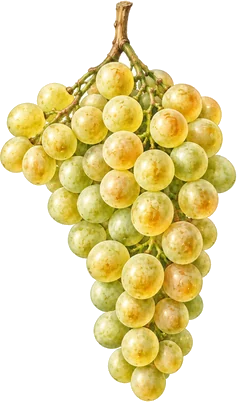
Liepājas Dzintars: a bunch of round amber-yellow berries — AI illustration based on photos and a variety description
  • Ripening timeVery earlyaccording to the register, with ripeness most often reported in August on Belarusian sites
  • BerryMediumpale and round, amber at ripeness, with Muscat flavour
  • Frost hardiness−23…⁠−26 °Caccording to the reference, with local reports of overwintering under cover
  • Sugar17–⁠22 Brixreadings at different stages of ripeness in Belarus
  • 30first-hand observations
  • 11amateur growers
  • 2professionals
  • 11seasons

Liepājas Dzintars's growing season in Belarus

Click a stage to see what happens on the vine and what growers saw.

Scroll the strip to see the whole season

Bud break

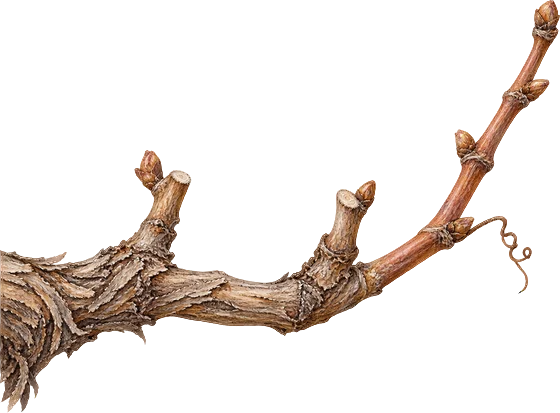
April - May

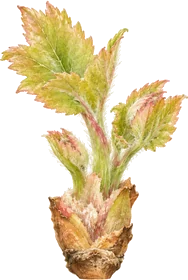
When Liepājas Dzintars buds open

Amateurs' observations
Professionals 0 observations

Amateurs 1 observation

  1. Vitebsk Region, Novopolotsksteady warmth above +10 °C from 23 Mayfrosts from −2 to −3 °C, the last on 20 AprilOutdoors on 22 April 2015, the grower saw fuzzy buds. This vine was among several varieties already emerging from dormancy.
2

Weather, diseases and pests

Professionals 0 observations

Amateurs 1 observation

  1. Location not specifiedIn mid-July 2025 the grower assessed how far the vines had resumed growth. Liepājas Dzintars was recovering less well than Muscat Bleu and Dublyansky.
3

Work on the vine

No observations yet.

Weather in the observation lines is from AgERA5 data for the region: frosts, sum of active temperatures.

Shoot growth

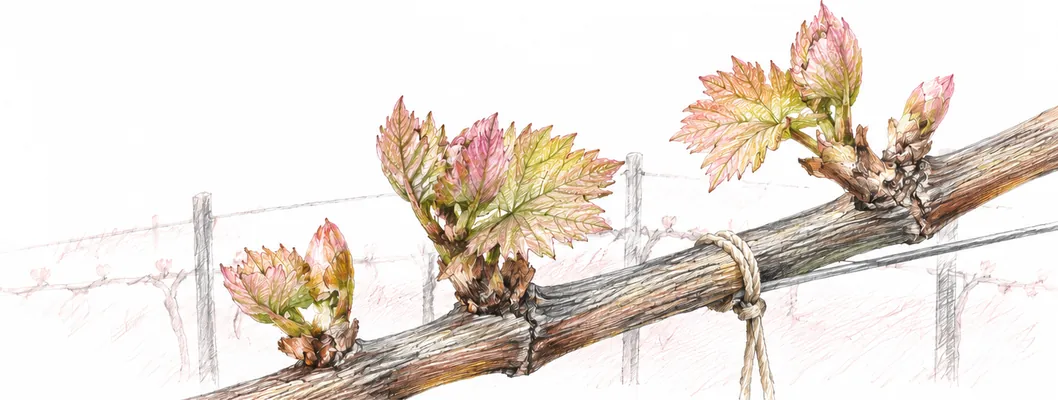
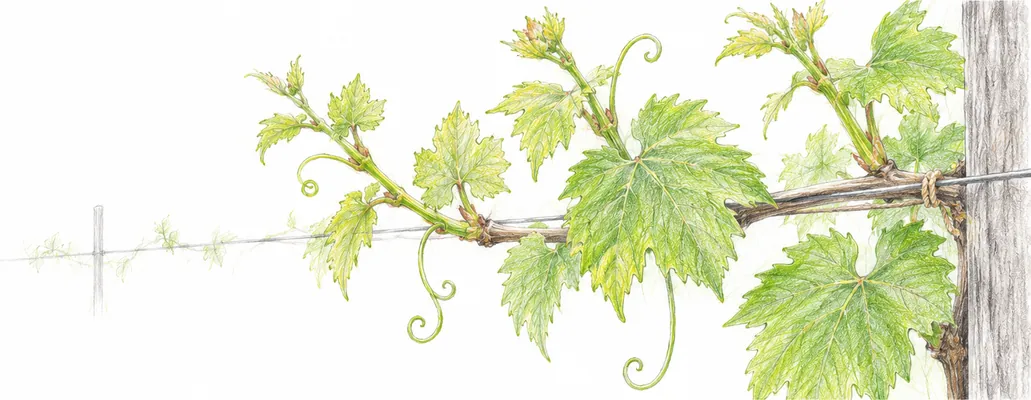
May - July

How Liepājas Dzintars shoots grow

Amateurs' observations

Professionals 0 observations

Amateurs 2 observations

  1. Location not specifiedIn the 2026 seasons one grower saw vigorous shoot growth under a light crop load. The vine carried only small bunches.
  2. Location not specifiedBy mid-September 2026 the vine had yet to produce sample bunches, so the grower had not been able to taste berries from his own plot.
2

Weather, diseases and pests

No observations yet.

3

Work on the vine

Professionals 0 observations

Amateurs 1 observation

  1. Location not specifiedThe grower rooted cuttings that had looked weak to her. They started growing and had yet to produce their first crop at the time of the report.

Flowering

June — early July

How Liepājas Dzintars flowers and sets berries

Observations by professionals and amateurs

Professionals 0 observations

Amateurs 2 observations

  1. Minsk Region, AnusinoIn Anusina in 2023, the grower noted pollination by the neighbouring Jupiter vine. The seedless grape 342 had usually served that role, but was frost-damaged that season.
  2. Vitebsk Region, NovopolotskIn northern Belarus the grower saw incomplete pollination. Tason and Somerset Seedless grew next to the vine, and pollinizers had not been deliberately chosen.
2

Weather, diseases and pests

No observations yet.

3

Work on the vine

Professionals 1 observation

  1. Vitebsk Region, NovopolotskIn Navapolatsk the grower pinches the shoots of this vine with female flowers. At an early July inspection he noted no shedding of the flowers.

Amateurs 0 observations

Berry growth

July — August

How Liepājas Dzintars berries fill out

Observations by professionals and amateurs

Professionals 1 observation

  1. Vitebsk Region, NovopolotskSAT since 1 April — 1332 °C, the season is 8 days behind usualmonthly precipitation — 101 mm, about usualAt a July inspection in Navapolatsk in 2022, the grower was pleased with the number of bunches. The outdoor berries were still filling out.

Amateurs 1 observation

  1. Gomel Region, MozyrSAT since 1 April — 1874 °C, the season is 8 days ahead of usualmonthly precipitation — 81 mm, about usualOutdoors in Mazyr on 30 July 2024, the vine carried two bunches per shoot. The berries at the tops of the bunches were already ready to taste.
2

Weather, diseases and pests

Professionals 0 observations

Amateurs 2 observations

  1. Location not specifiedIn the 2026 seasons one grower noticed downy mildew on his vine. That year he also reported vigorous shoots with a light crop.
  2. Vitebsk Region, NovopolotskOn the west side of the house, the vine received sun for part of the day. The grower had seen no serious disease problems on his vine.
3

Work on the vine

No observations yet.

Weather in the observation lines is from AgERA5 data for the region: sum of active temperatures, precipitation.

Colouring

August — early September

How Liepājas Dzintars berries change colour

Professionals' observations

Professionals 1 observation

  1. Vitebsk Region, NovopolotskSAT since 1 April — 1999 °C, the season is 7 days behind usualmonthly precipitation — 15 mm, 75% less than usual25% more sun than usualIn early September 2022, the last bunches were still on the vine in Navapolatsk. Their berries had developed a clear yellow-amber hue.

Amateurs 0 observations

2

Weather, diseases and pests

No observations yet.

3

Work on the vine

No observations yet.

Weather in the observation lines is from AgERA5 data for the region: sum of active temperatures, precipitation.

Ripening and harvest

late July — August

Sugar, flavour and harvest dates for Liepājas Dzintars

Observations by professionals and amateurs

Professionals 1 observation

  1. Gomel RegionIn a typical season, the grower was tasting berries as early as the first few days of August. He noted a strong Muscat flavour.

Amateurs 11 observations

  1. Location not specifiedAnother grower kept the vine in a field and estimated that it ripened before September. He found the bunches rather small for eating fresh.
  2. Location not specifiedOn one grower's plot the variety ripened at about the same time as Tsimus. In 2026 the people tasting its berries did not like them as much when they tried them alongside other varieties.
  3. Location not specifiedOn a vine by a wall on 28 August 2025, berries registered 17–22 Brix. The grower still tasted strong acidity and the seeds were just starting to darken.
  4. Location not specifiedOne grower added Kristall to this variety for a wine blend. He found Liepājas Dzintars berries rather small for eating fresh.
  5. Vitebsk RegionSAT since 1 April — 1863 °C, as usualmonthly precipitation — 77 mm, 1.3 times the usualtwo weeks 2 °C colder than usualIn Polatsk District on 23 August 2025, the grower's family had eaten about half the crop. The other bunches were still hanging on the vine by a south-facing wall.
  6. Gomel Region, MozyrSAT since 1 April — 1874 °C, the season is 8 days ahead of usualmonthly precipitation — 81 mm, about usualIn Mazyr on 30 July 2024, individual berries at the tops of the outdoor bunches were the first ready to taste. The grower could already taste Muscat.
  7. Minsk Region, AnusinoIn Anusina, the grower reported reliable cropping outdoors. The berries were among the first at his site to ripen and had a distinctive Muscat flavour.
  8. Vitebsk Region, NovopolotskSAT since 1 April — 1686 °C, as usualmonthly precipitation — 102 mm, 1.3 times the usualtwo weeks 4 °C colder than usualOutdoors in northern Belarus the bunches were ready to pick on 10 August 2019. Later that month the grower noted a floral Muscat flavour.
  9. Vitebsk Region, NovopolotskSAT since 1 April — 1935 °C, the season is 8 days ahead of usualmonthly precipitation — 66 mm, about usualBy 17 August 2014, the last bunches remained on the outdoor vine by the wall. It was among the first to ripen on the grower's plot that season.
  10. Vitebsk Region, NovopolotskSAT since 1 April — 2017 °C, the season is 13 days ahead of usualmonthly precipitation — 61 mm, about usualOutdoors, the average reading from the top and bottom of the bunch on 17 August 2013 was 19 Brix. A week earlier the grower had recorded 17 Brix.
  11. Vitebsk Region, NovopolotskIn northern Belarus, the bush on the west side of the house usually ripened in mid- to late August. The grower was pleased with its performance outdoors.
2

Weather, diseases and pests

No observations yet.

3

Work on the vine

No observations yet.

Weather in the observation lines is from AgERA5 data for the region: sum of active temperatures, precipitation.

Autumn

September — October

How Liepājas Dzintars canes ripen

Observations by professionals and amateurs

Professionals 1 observation

  1. Vitebsk Region, NovopolotskSAT since 1 April — 1999 °C, the season is 7 days behind usualmonthly precipitation — 15 mm, 75% less than usual25% more sun than usualIn Navapolatsk in early September 2022 the remaining crop was keeping well on the vine. The canes had already started to ripen.

Amateurs 2 observations

  1. Location not specifiedBy mid-September 2026 on one site the canes had yet to ripen. The grower reported vigorous growth and only a few bunches.
  2. Vitebsk Region, NovopolotskSAT since 1 April — 2315 °C, as usualmonthly precipitation — 97 mm, twice the usualOn a northern site, natural leaf fall had started by early October 2015. In another season the vine had shed nearly all its leaves before frost by late October.
2

Weather, diseases and pests

No observations yet.

3

Work on the vine

No observations yet.

Weather in the observation lines is from AgERA5 data for the region: sum of active temperatures, precipitation.

Winter

autumn – winter

How Liepājas Dzintars overwintered

Amateurs' observations

Professionals 0 observations

Amateurs 1 observation

  1. Minsk Region, AnusinoThe grower tried leaving one arm on the ground without cover. After winter it put out shoots from replacement buds and produced no crop.
2

Weather, diseases and pests

No observations yet.

3

Work on the vine

Professionals 0 observations

Amateurs 1 observation

  1. Location not specifiedOne grower covered Liepājas Dzintars for winter. Managed that way, his vine cropped well for several seasons.

Strengths and risks of Liepājas Dzintars

Strengths

  • In Mazyr individual berries were tasted in late July, and bunches were harvested in northern Belarus in August
  • Growers in Anusina and Navapolatsk noted a distinctive Muscat flavour
  • On a northern site the last bunches kept well on the vine into early September

Risks in Belarus

  • The flowers are functionally female, and pollination was incomplete on one site
  • On one site, an uncovered arm put out replacement shoots after winter and produced no crop
  • On a vine by a wall, the grower still tasted strong acidity at 17–22 Brix

For early tasting and eating fresh with Muscat flavour. In local reports pollination depended on nearby varieties, and growers considered both acidity and sugar at harvest.

Origin: Latvia, bred by Gunvaldis VestminshUpdated How we collect observations