













CountryLanguage

Kishmish 342

Kishmish 342

A Hungarian kishmish for eating and raisins: a sweet small berry, vigorous growth and an early crop. In Belarus the result depends heavily on the site and the season.

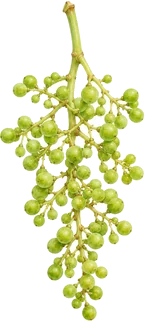
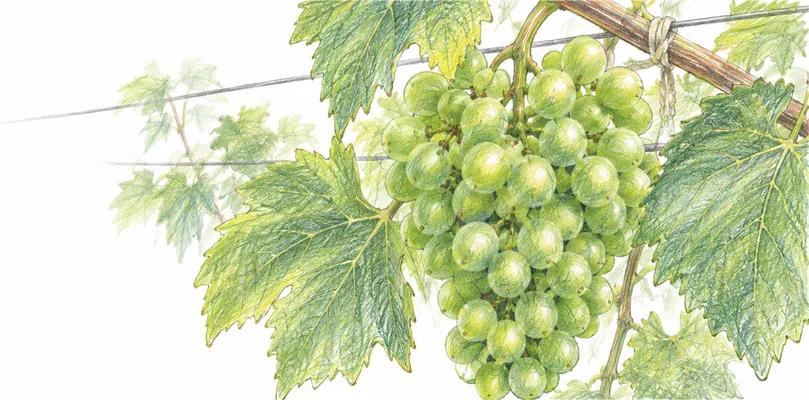
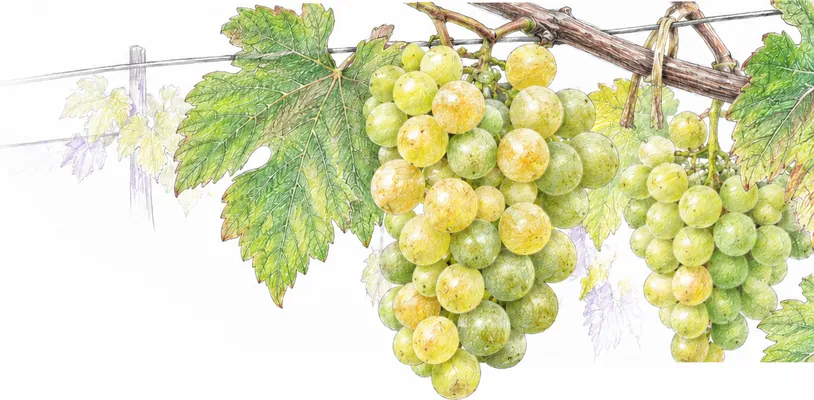
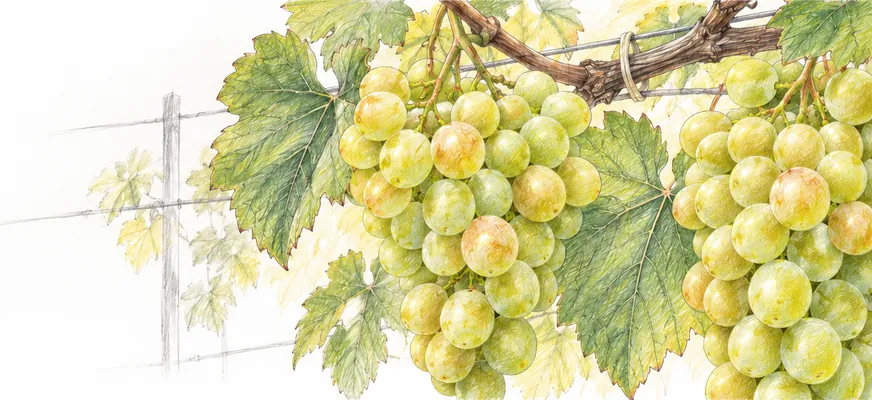
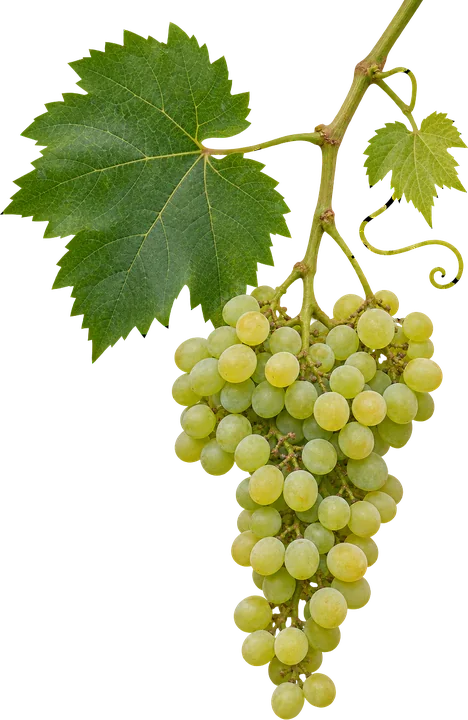
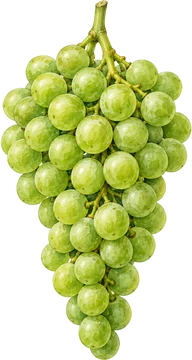
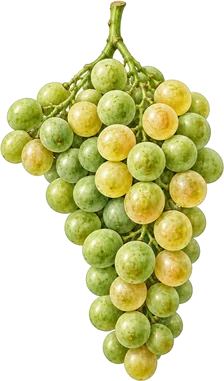
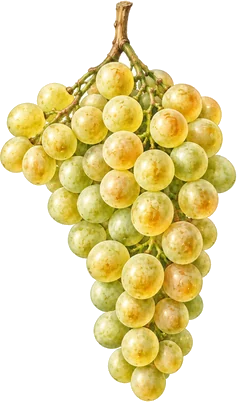
Kishmish 342: a bunch of small green-golden egg-shaped berries with a delicate bloom — AI illustration based on photos and the description of the variety
  • Ripening timeVery early110–115 days according to the description; in Belarus August to September
  • Berry2–3.5 ggreen-golden, egg-shaped; according to the variety description
  • Frost hardiness−24…⁠−26 °Caccording to the description; field experience in Belarus differs
  • Sugar17–⁠20 Brixmeasurements in Novopolotsk and Grodno District
  • 162first-hand observations
  • 33amateur growers
  • 7professionals
  • 12seasons

The season of Kishmish 342 in Belarus

Click a stage to see what happens on the vine and what growers saw.

Scroll the strip to see the whole season

Bud break

late April — early May

When the buds of Kishmish 342 break

Observations by professionals and amateurs
Professionals 3 observations

  1. Minsk Region, Minsk Districtsteady warmth above +10 °C from 13 Mayfrosts down to −2 °C, the last on 9 MayBy 3 May in Minsk District Kishmish 342 had woken up after overwintering and put out a great many shoots. The grower showed the dense growth on this vine.
  2. Gomel RegionIn Gomel Region, after the first uncovering on 5 April, many buds broke on Kishmish 342. At the next inspection the grower showed a vine that had already started growing.
  3. Gomel Regionsteady warmth above +10 °C from 2 Mayfrosts from −4 to −6 °C, the last on 23 AprilOn 22 April in Gomel Region the buds of Kishmish 342 swelled and weak shoots about two centimetres long appeared. The vine grew on the east side of a fence.

Amateurs 0 observations

2

Weather, diseases and pests

Professionals 0 observations

Amateurs 1 observation

  1. Location not specifiedOn one plot the early-starting Kishmish 342 was constantly caught by frosts. No crop came from the secondary buds, the berries could rarely be tasted, and some vines were dug up.
3

Work on the vine

Professionals 1 observation

  1. Vitebsk Region, Novopolotsksteady warmth above +10 °C from 13 Mayfrosts from −2 to −4 °C, the last on 9 MayIn Novopolotsk Kishmish 342 came through the late spring frosts undamaged. The vine was protected with insulating materials; the shoots grew well and carried inflorescences.

Amateurs 0 observations

Weather in the observation lines is from AgERA5 data for the region: frosts, sum of active temperatures.

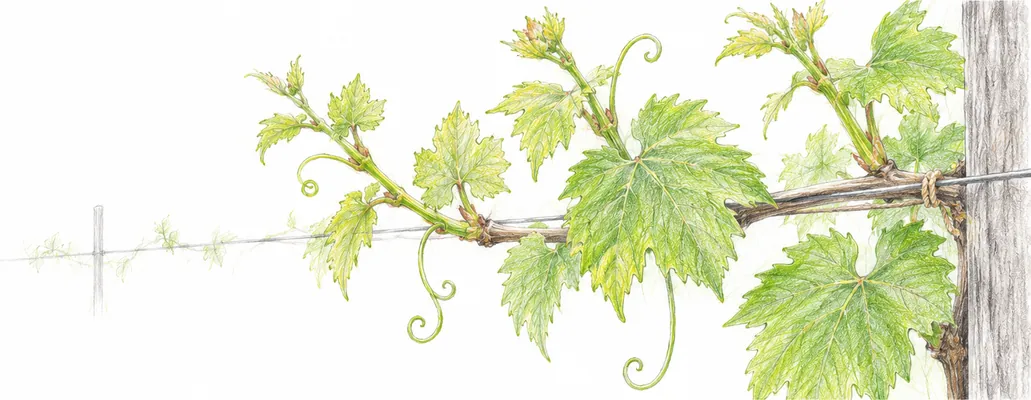
Shoot growth

May — June

How Kishmish 342's shoots grow

Observations by professionals and amateurs

Professionals 9 observations

  1. Minsk Region, Minsk DistrictSAT since 1 April — 914 °C, as usualmonthly precipitation — 86 mm, 1.3 times the usualtwo weeks 4 °C warmer than usual; 15% more sun than usualIn early July in Minsk District Kishmish 342 was growing a little too lush, and one side of the vine looked weaker. Usually this vine was never left without a crop.
  2. Grodno Region, LidaSAT since 1 April — 1155 °C, the season is 8 days behind usualmonthly precipitation — 152 mm, 1.6 times the usualtwo weeks 3 °C colder than usualBy mid-July in Lida the shoots of Kishmish 342 and the Aladdin growing next to it had grown about three metres long. The new growth was already hanging down from the top of the trellis.
  3. Grodno Region, LidaSAT since 1 April — 616 °C, the season is 9 days behind usualmonthly precipitation — 89 mm, 1.4 times the usualIn Lida Kishmish 342 produced powerful canes, overly lush in places, and a crop every year. There were two or three bunches per shoot; no extra feeding of the vines was planned.
  4. Vitebsk Region, NovopolotskIn Novopolotsk in its second year Kishmish 342 developed well in open ground. There were no bunches yet by August, although the grower was satisfied with the growth.
  5. Minsk Region, Minsk DistrictIn Minsk District by 1 August the hanging shoots of Kishmish 342 had reached the ground. The vines planted in autumn 2019 bore fruit for the first time this season.
  6. Grodno Region, LidaSAT since 1 April — 975 °C, the season is 7 days behind usualmonthly precipitation — 58 mm, 30% less than usualIn Lida in July the Kishmish 342 vines produced powerful canes and did not look weak. The grower did not intend to feed them additionally because of their vigorous growth.
  7. Vitebsk Region, NovopolotskSAT since 1 April — 382 °C, as usualmonthly precipitation — 68 mm, 1.3 times the usualtwo weeks 3 °C warmer than usualAt the end of May in Novopolotsk Kishmish 342 formed decent inflorescences on almost every shoot. Before that, the vine had given less crop for a while.
  8. Vitebsk Region, NovopolotskSAT since 1 April — 106 °C, the season is 5 days ahead of usualmonthly precipitation — 3 mm, 95% less than usualtwo weeks 3 °C warmer than usual; 25% more sun than usualBy early May in Novopolotsk Kishmish 342 was slightly behind in development: the vine grew where there was not enough sun. Its general condition stayed good, though.
  9. Grodno Region, LidaSAT since 1 April — 1462 °C, the season is 17 days ahead of usualmonthly precipitation — 66 mm, 20% less than usual15% less sun than usualIn early July in Lida Kishmish 342 grew without delays: the canes grew long, and almost every one had two bunches. The bunches on this vine are small.

Amateurs 7 observations

  1. Location not specifiedIn a greenhouseOn 10 May every shoot of Kishmish 342 in the greenhouse had inflorescences. A six-year-old Preobrazhenie growing next to it had good foliage but did not form a single inflorescence.
  2. Location not specifiedThe grower saw four bunches per shoot on Kishmish 342 in the season after strong cane growth. The thick shoots did not prevent the crop from setting.
  3. Location not specifiedIn the fourth and fifth years Kishmish 342 grew good canes, but there was no fruit set. The vine was trained from an early age and pruned to three buds.
  4. Location not specifiedThe grower left the whole load on their Kishmish 342: the vine constantly set many bunches. Even with a crop it kept very strong, overly lush growth.
  5. Location not specifiedOn this plot the grower noted very vigorous growth and many barren shoots on Kishmish 342. This combination was the reason for dissatisfaction with the variety.
  6. Location not specifiedIn two years the grower did not see a single barren shoot on their Kishmish 342. On the contrary, they repeatedly found three inflorescences on one shoot.
  7. Location not specifiedIn seven years of growing, Kishmish 342 and Arkadia on the same plot alternately grew too lush and regrew from the head of the vine. In the end both varieties were removed.
2

Weather, diseases and pests

No observations yet.

3

Work on the vine

Professionals 1 observation

  1. Gomel RegionSAT since 1 April — 761 °C, the season is 7 days ahead of usualmonthly precipitation — 58 mm, about usualOn two Kishmish 342 vines the shoots stopped growing. After the surplus shoots were removed, growth resumed at once; warm weather set in at the same time.

Amateurs 0 observations

Weather in the observation lines is from AgERA5 data for the region: sum of active temperatures, precipitation.

Flowering

June — early July

How Kishmish 342 flowers and sets berries

Observations by professionals and amateurs

When the flowering of Kishmish 342 was observed

3 observations with an exact day · 2018–2025

Professionals3 observationsAmateurs0 observations

Scroll the dates ↔

Distribution of observed flowering dates3 observations. Each bar is the number of records over two days. Height and colour intensity grow with the number of records; an empty space means no records.MayJuneJuly202224262830135791113151719212325272913579ProfessionalsAmateurs

Professionals 9 observations

  1. Grodno Region, LidaSAT since 1 April — 937 °C, as usualmonthly precipitation — 84 mm, about usualOn 1 July in Lida Kishmish 342 was still flowering, together with the neighbouring Aladdin. The grower considered their condition normal, while Producer next to them was shedding its fruit set.
  2. Grodno Region, LidaIn Lida in the 2023 seasons the berries of Kishmish 342 set well. By the September inspection one bunch had been left on the section of the vine shown.
  3. Minsk Region, Minsk DistrictIn Minsk District by early July Kishmish 342 had pollinated successfully and gave its first crop. Thinning was not finished yet: the vines showed vigorous growth.
  4. Grodno Region, LidaSAT since 1 April — 644 °C, the season is 5 days behind usualmonthly precipitation — 66 mm, about usualOn 18 June in Lida Aleshenkin was the first to flower. Usually Kishmish 342 and Jupiter are among the very first to flower here, but this season they had not yet overtaken it.
  5. Vitebsk Region, NovopolotskSAT since 1 April — 778 °C, the season is 5 days behind usualmonthly precipitation — 76 mm, about usualtwo weeks 4 °C warmer than usualOn 28 June in Novopolotsk Kishmish 342 was flowering. The vine had inflorescences, although they had formed with difficulty; the grower had already thinned the crop.
  6. Grodno Region, LidaOn a plot in Lida Kishmish 342 was among the first varieties to flower. Jupiter, Zlata and Aladdin began flowering at about the same time.
  7. Grodno Region, LidaSAT since 1 April — 1033 °C, the season is 10 days ahead of usualmonthly precipitation — 59 mm, about usualtwo weeks 4 °C warmer than usual; 20% more sun than usualBy 25 June in Lida Kishmish 342 had pollinated well and formed bunches normal for a kishmish. The grower noted that this variety pleases them every year.
  8. Vitebsk Region, NovopolotskSAT since 1 April — 955 °C, the season is 9 days ahead of usualmonthly precipitation — 23 mm, 55% less than usualOn 23 June in Novopolotsk Kishmish 342 was still flowering, but there were very few bunches on the vine. The vine itself developed normally; the grower considered the crop too small.
  9. Grodno Region, LidaSAT since 1 April — 1108 °C, the season is 21 days ahead of usualmonthly precipitation — 10 mm, 85% less than usualBy 18 June in Lida two Kishmish 342 vines had practically finished flowering. Berries were already setting on the first, and the second vine had also almost finished.

Amateurs 5 observations

  1. Location not specifiedIn the difficult 2025 seasons berries stayed on Kishmish 342, although on many other vines the fruit set dropped. Of fifteen vines, a crop was expected on only five.
  2. Vitebsk Region, VitebskSAT since 1 April — 1064 °C, as usualmonthly precipitation — 98 mm, about usualIn Vitebsk, in the cold season of 2025, Kishmish 342 flowered for the first time only on 9 July. The vine was in its fourth year and had suffered from winter kill before.
  3. Location not specifiedOn this plot the grower noted very good pollination and high yield on Kishmish 342. Despite vigorous growth, caring for the vine took little time.
  4. Location not specifiedOn their Kishmish 342 the grower saw very good pollination and overly compact bunches. For this grower the main problem of the variety was precisely the compactness of the clusters.
  5. Location not specifiedIn a greenhouseIn a greenhouse with two doors Kishmish 342 coped normally with the conditions and pollinated without hand help. Prima Ukrainy and Super Extra next to it pollinated poorly on their own.
2

Weather, diseases and pests

No observations yet.

3

Work on the vine

Professionals 1 observation

  1. Gomel RegionSAT since 1 April — 761 °C, the season is 7 days ahead of usualmonthly precipitation — 58 mm, about usualOn four-year-old Kishmish 342 vines two inflorescences per shoot were left. The grower considered this a sufficient load even with incomplete pollination.

Amateurs 3 observations

  1. Location not specifiedIn a greenhouseIn a greenhouse of about 5 × 10 m Kishmish 342 did not provide good pollination for Prima Ukrainy. Fully removed end walls, a suitable wind direction and hand pollination did not help.
  2. Location not specifiedAfter pollination the grower tapped the inflorescences of Kishmish 342 several times. The grower considered the bunches rather compact; after gibberellin their sections became too brittle.
  3. Minsk Region, BorovlyanyIn a greenhouseIn a greenhouse in Borovlyany Kishmish 342 was sprayed once with gibberellin at full bloom. Without such a treatment there were many small berries and very tiny ones this season.

Weather in the observation lines is from AgERA5 data for the region: sum of active temperatures, precipitation.

Berry growth

July — August

How Kishmish 342's berries fill

Observations by professionals and amateurs

Professionals 11 observations

  1. Grodno Region, GrodnoIn Grodno, after several years of modest bunches, Kishmish 342 began producing larger clusters. The grower attributed this to the build-up of old wood.
  2. Grodno Region, LidaIn Lida in the 2026 seasons Kishmish 342 grew decent bunches. Several of the largest clusters reached about a kilogram by the grower's estimate.
  3. Minsk Region, Minsk DistrictIn Minsk District in 2024 the Kishmish 342 vines that was kept carried an unusually heavy load. The grower had never seen such large bunches on this vine before.
  4. Minsk Region, Ostroshitsky GorodokIn Minsk District Kishmish 342 had small berries and small bunches. Of four vines, one has already been top-worked, two were to be removed and the last kept for the time being.
  5. Grodno Region, LidaIn the 2022 seasons in Lida about 50 bunches were counted on Kishmish 342, two per shoot. The lower bunch was estimated at about a kilogram; the berries were small.
  6. Gomel Region, GomelIn Gomel, Kishmish 342 in open ground produced bunches of a kilogram and more with large berries. The grower did no extra work on the bunches.
  7. Grodno Region, GrodnoIn Grodno District a three-year-old Kishmish 342 had bunches weighing up to 500 g, some a little more. The berries were small, about two grams each.
  8. Vitebsk Region, NovopolotskIn Novopolotsk in 2021 Kishmish 342 produced rather loose bunches. The grower missed a treatment they had wanted to do, and showed clusters of uneven compactness.
  9. Grodno Region, LidaSAT since 1 April — 1746 °C, the season is 6 days ahead of usualmonthly precipitation — 61 mm, 30% less than usualIn Lida by early August Kishmish 342 had three bunches per shoot. Bunches of about 600 g and more were expected; as it aged, the vine carried an ever heavier load.
  10. Grodno Region, LidaIn Lida a cut bunch of Kishmish 342 was weighed: it came to about 630 g. The bunch did not look big, and the berries on the vine were already starting to turn to raisins.
  11. Gomel RegionIn its second year Kishmish 342 had small berries, although the vine itself, grown from a layer, developed well. The grower rated the vine's load as normal.

Amateurs 4 observations

  1. Location not specifiedAfter at least five crops the eight-year-old Kishmish 342 stayed on the plot. Korinka Russkaya was removed: it had similar but smaller berries and bunches.
  2. Location not specifiedOn one plot the bunch of Kishmish 342 grew much larger than that of Rombik, although individual berries were smaller. Rombik was not seen to ripen earlier.
  3. Minsk Region, Pukhovichi DistrictIn Pukhovichi District Kishmish 342 grown by a wall was considered trouble-free for many years. The only drawback named was the small berry, and a second vine was planted.
  4. Gomel RegionIn Gomel Region the grower did not like Kishmish 342 because of its very small berries. After several years of growing grapes, Jupiter was planted on the plot.
2

Weather, diseases and pests

Professionals 3 observations

  1. Grodno Region, LidaIn eight seasons in Lida the grower saw no disease on Kishmish 342. A large vine on sandy soil stayed clean and regularly bore a good crop.
  2. Grodno Region, LidaIn Lida by the end of August in the 2020 seasons no disease was noted on Kishmish 342. The grower considered the variety undemanding and not prone to disease on this plot.
  3. Vitebsk Region, NovopolotskIn Novopolotsk by September the foliage of Kishmish 342 stayed completely clean. The vine has given an abundant crop for several years despite a spot that is not the sunniest.

Amateurs 3 observations

  1. Location not specifiedIn a greenhouseIn the greenhouse the lower leaves of Kishmish 342 quickly turned yellow. After a second inspection the grower clarified: the edges turned yellow while the veins stayed green; Arkadia's leaves were green.
  2. Location not specifiedOn one plot Kishmish 342 suffered from powdery mildew, while the neighbouring Athos never got sick. Moreover, Athos, standing by the gazebo, received fewer chemical sprays.
  3. Grodno Region, Grodno DistrictIn Grodno District spots similar to the damage on other varieties were noticed on Kishmish 342. During flowering the weather was cold with heavy rain.
3

Work on the vine

Professionals 4 observations

  1. Minsk Region, Minsk DistrictIn Minsk District in the 2025 seasons Kishmish 342 showed millerandage. The grower cut out the small berries and made raisins from them, and used the rest of the crop separately.
  2. Grodno Region, GrodnoFor the first fruiting of a three-year-old Kishmish 342 in Grodno District 12 bunches were left on two arms. One arm was short, the other longer.
  3. Grodno Region, LidaIn Lida all the bunches that set on Kishmish 342 were left, including three per shoot. The bunches grew to about 500–600 g, and the vine coped with that load.
  4. Grodno Region, LidaSAT since 1 April — 1213 °C, the season is 9 days ahead of usualmonthly precipitation — 46 mm, 35% less than usual15% more sun than usualOn an overly lush Kishmish 342 vines in Lida the bunches were not thinned: two or three per shoot were left. The grower estimated their usual weight at 400–500 g.

Amateurs 4 observations

  1. Location not specifiedOn an arch Kishmish 342 grew well, but more than half of the shoots, with bunches already set, had to be broken off. Early removal did not help, so the grower waited until after pollination.
  2. Location not specifiedTesting gibberellin on their varieties for the third year, the grower saw a positive effect on Kishmish 342. In the 2024 seasons about 40% of its bunches were treated.
  3. Location not specifiedOn this plot the grower saw Kishmish 342 respond to gibberellin best of the selections tested: the treated berries became noticeably larger and longer.
  4. Location not specifiedOn this plot the grower left the whole crop of Kishmish 342 without thinning. Over four years of experience the grower classed it among varieties with no cane-ripening problems.

Weather in the observation lines is from AgERA5 data for the region: sum of active temperatures, precipitation.

Colouring

August

How Kishmish 342's berries change colour

Observations by professionals and amateurs

Professionals 6 observations

  1. Vitebsk Region, NovopolotskSAT since 1 April — 1881 °C, the season is 12 days ahead of usualmonthly precipitation — 86 mm, about usualOn 10 August in Novopolotsk Kishmish 342 started to colour. The berry was fairly small this season, and the grower expected about two more weeks before tasting.
  2. Grodno Region, LidaSAT since 1 April — 1650 °C, the season is 9 days behind usualmonthly precipitation — 61 mm, 25% less than usualOn 14 August in Lida the upper berries of Kishmish 342 were already turning yellow, but the grower was not going to taste the crop yet. The vine carried a very good load.
  3. Minsk Region, Ostroshitsky GorodokSAT since 1 April — 1918 °C, as usualmonthly precipitation — 69 mm, about usualBy 16 August in Ostroshitsky Gorodok Kishmish 342 had fully coloured and gained sugar. The grower expected the full flavour in another day or two.
  4. Minsk Region, Minsk DistrictSAT since 1 April — 1639 °C, as usualmonthly precipitation — 40 mm, 50% less than usualOn 1 August in Minsk District the berries of Kishmish 342 started to soften. In the upper part of the bunches the acidity was already going; it was the vines' first crop.
  5. Grodno Region, LidaOn ripe Kishmish 342 in Lida the berries on the sunny side turned golden. On the other side the same bunches could still be green.
  6. Vitebsk Region, NovopolotskIn Novopolotsk in September the Kishmish 342 bunches got a pronounced tan. Yet the vine grew in a less than ideal spot and got sun only part of the day.

Amateurs 0 observations

2

Weather, diseases and pests

No observations yet.

3

Work on the vine

Professionals 0 observations

Amateurs 1 observation

  1. Grodno RegionSAT since 1 April — 1933 °C, the season is 5 days behind usualmonthly precipitation — 89 mm, about usualtwo weeks 2 °C colder than usualIn Grodno Region Kishmish 342, together with other varieties that gained sugar early, attracted wasps. The grower had bagged the bunches the week before.

Weather in the observation lines is from AgERA5 data for the region: sum of active temperatures, precipitation.

Ripening and harvest

August — September

Sugar, taste and harvest time of Kishmish 342

Observations by professionals and amateurs

When Kishmish 342 ripens

16 observations without greenhouses · 2016–2026

Professionals13 observationsAmateurs3 observations

still ripeningripealready cutapproximate date

Scroll the dates ↔

What state the bunches were found in16 observations. A drop is one observation: filled — bunches ripe, hollow — still ripening, cross — already cut. Harvest window from 18 August to 13 September.harvest window · 18 August — 13 SeptemberAugust510152025September510152025October5101520ProfessionalsAmateurs

Professionals 29 observations

  1. Minsk Region, Minsk DistrictIn Minsk District the Kishmish 342 crop made very good sweet raisins for baking. The vine usually stayed productive even when the shoots began to grow too lush.
  2. Minsk Region, SoligorskSAT since 1 April — 2085 °C, the season is 7 days behind usualmonthly precipitation — 26 mm, 55% less than usual15% more sun than usualBy 4 September 2025 the berries of Kishmish 342 were already ripe and sweet. On this vine the berry was small and the bunch compact.
  3. Grodno Region, LidaSAT since 1 April — 1998 °C, the season is 5 days behind usualmonthly precipitation — 48 mm, 20% less than usualtwo weeks 3 °C colder than usualAt the end of August in Lida Kishmish 342 was weaker than usual and gave small bunches instead of the earlier kilogram ones. The berries already had a tan and were starting to turn to raisins.
  4. Grodno Region, GrodnoSAT since 1 April — 1765 °C, as usualmonthly precipitation — 116 mm, 1.4 times the usualOn 14 August in Grodno, on a vigorous Kishmish 342 with small bunches, some berries had already gained sugar and become edible. The whole crop was not yet reported ripe.
  5. Minsk Region, Minsk DistrictIn Minsk District a long-ripe Kishmish 342 was gradually cut and dried for raisins. Bees were eating the remaining bunches, and the berries on the vine were starting to spoil.
  6. Minsk Region, Minsk DistrictSAT since 1 April — 2336 °C, the season is 20 days ahead of usualmonthly precipitation — 29 mm, 50% less than usualtwo weeks 4 °C warmer than usual; 15% more sun than usualBy 29 August in Minsk District about 15 kg had been picked from one side of a Kishmish 342 vines, while the crop was still hanging on the other. The vine was kept for raisins, which went into pies.
  7. Grodno Region, LidaSAT since 1 April — 2138 °C, the season is 15 days ahead of usualmonthly precipitation — 95 mm, 1.3 times the usualBy 18 August in Lida the main crop of Kishmish 342 had been cut and sent to market. At the inspection a few bunches were still left on the plot.
  8. Grodno RegionIn a greenhouseIn the greenhouse Kishmish 342 ripened among the first. At the inspection on 2 September the outdoor grapes were only getting close, while Veles in the same greenhouse had already been eaten.
  9. Grodno Region, LidaIn the coolish 2022 seasons in Lida Kishmish 342 ripened with a very sweet, even cloying berry. The crop on the sandy plot was intact and abundant.
  10. Vitebsk Region, NovopolotskSAT since 1 April — 1999 °C, the season is 7 days behind usualmonthly precipitation — 15 mm, 75% less than usual25% more sun than usualBy 4 September in Novopolotsk Kishmish 342 had acquired a pleasant tan. The crop was soon to be dried together with Rusbol: this variety was valued as raw material for raisins.
  11. Grodno Region, LidaSAT since 1 April — 2031 °C, the season is 6 days behind usualmonthly precipitation — 16 mm, 75% less than usualtwo weeks 3 °C warmer than usualBy 1 September in Lida Kishmish 342 had been partly cut. Garold had been harvested by then, while most other varieties were still hanging with sour berries.
  12. Minsk Region, Minsk DistrictSAT since 1 April — 1999 °C, the season is 6 days behind usualmonthly precipitation — 35 mm, 40% less than usual; two weeks without raintwo weeks 4 °C warmer than usual; 20% more sun than usualAt the end of August in Minsk District Kishmish 342 was cut selectively: the berries were sweet and the children liked them. Because of the small bunches, it was decided to replace some of the vines.
  13. Vitebsk Region, NovopolotskSAT since 1 April — 1860 °C, the season is 4 days behind usualmonthly precipitation — 23 mm, 65% less than usual; two weeks without raintwo weeks 4 °C warmer than usual; 25% more sun than usualOn 25 August in Novopolotsk some Kishmish 342 berries could already be tasted selectively, but full ripeness had not come yet. Despite the delayed ripening, the yield stayed high.
  14. Vitebsk Region, NovopolotskSAT since 1 April — 1814 °C, the season is 4 days behind usualmonthly precipitation — 25 mm, 60% less than usual; two weeks without raintwo weeks 3 °C warmer than usual; 25% more sun than usualBy 23 August in Novopolotsk the outdoor vines, including Kishmish 342, were still behind in ripening. The crop was still far from ready this season.
  15. Grodno Region, LidaIn Lida Kishmish 342 was kept for its very sweet, even cloying berry. The size was considered smallish, but the grower and family liked eating these grapes.
  16. Vitebsk Region, NovopolotskSAT since 1 April — 1332 °C, the season is 8 days behind usualmonthly precipitation — 101 mm, about usualOn 30 July in Novopolotsk Kishmish 342 gave a modest crop. The berries were filling, but they were still far from ripeness and enough sugar.
  17. Grodno Region, GrodnoIn Grodno Region in the 2021 seasons Kishmish 342 was the first to ripen on the plot. Comparing dates, another variety lagged behind it by about 7–10 days.
  18. Grodno Region, GrodnoIn August in Grodno District Kishmish 342 was fully ripe and showed 18–20 Brix even at the bottom of the bunch. The flesh was juicy, not crunchy, without seeds, muscat or noticeable acidity.
  19. Grodno Region, LidaSAT since 1 April — 2293 °C, the season is 8 days behind usualmonthly precipitation — 75 mm, 1.4 times the usualBy 22 September in Lida Kishmish 342 had long been eaten. At the same time there were still bunches of Aladdin and almost the whole crop of Zlata on the plot.
  20. Gomel RegionSAT since 1 April — 2418 °C, the season is 7 days behind usualmonthly precipitation — 57 mm, 1.3 times the usualAs of 13 September 2020 in Gomel Region the berries on the Kishmish 342 vines were already ripe.
  21. Grodno Region, LidaSAT since 1 April — 1919 °C, the season is 8 days behind usualmonthly precipitation — 49 mm, 25% less than usualOn 28 August in Lida Kishmish 342 was already ready for harvest. The crop ripened under a heavy load, and for several years the grower has made good raisins from this variety.
  22. Grodno Region, LidaSAT since 1 April — 1415 °C, the season is 9 days behind usualmonthly precipitation — 36 mm, 60% less than usualOn 2 August in Lida Kishmish 342 was still green and hard, the berries still growing. In 2018 the bunches were cut as early as 5 August, and in 2019 they were first tasted on 16 August.
  23. Gomel RegionIn Gomel Region Kishmish 342 ripened by 11 August. A vine about five metres long carried an abundant crop; in mid-August the grapes were already being cut for sale.
  24. Grodno Region, LidaSAT since 1 April — 1979 °C, the season is 5 days ahead of usualmonthly precipitation — 75 mm, about usual; rain on 7 days of 14On 18 August in Lida Kishmish 342 was already being eaten and cut. The berries had become sweet and got a tan on the sunny side; the grower considered the crop ripe.
  25. Grodno Region, LidaSAT since 1 April — 1746 °C, the season is 6 days ahead of usualmonthly precipitation — 61 mm, 30% less than usualOn 5 August in Lida Kishmish 342 had not yet gained enough sugar: the berries were tasted, but the grower decided to wait. The previous year the crop was already being eaten by this date.
  26. Grodno Region, LidaKishmish 342 was dried in a simple six-tray electric dryer. The berries did not fall through the racks, so this dryer proved convenient for this variety.
  27. Grodno Region, LidaIn Lida Kishmish 342 ripened by 5 August in the 2018 seasons. Comparing it with their other varieties, the grower noted the very tasty berry of this kishmish.
  28. Vitebsk Region, NovopolotskSAT since 1 April — 2444 °C, as usualmonthly precipitation — 51 mm, about usualtwo weeks 4 °C colder than usualOn 20 October in Novopolotsk a bunch of Kishmish 342 left for the children was already overripe. Two sugar readings gave 18% each; seed traces in the berries were practically imperceptible.
  29. Vitebsk Region, NovopolotskSAT since 1 April — 2269 °C, the season is 5 days ahead of usualmonthly precipitation — 48 mm, 25% less than usualOn 11 September in Novopolotsk Kishmish 342 was sweet: two readings gave 17 and almost 18 Brix. Part of the crop had already gone for drying, part was left on the vine.

Amateurs 28 observations

  1. Minsk Region, Logoisk DistrictIn the Ostroshitsy area of Logoisk District, over 15 years, Kishmish 342 in open ground usually ripened around the middle of September. 2024 was an earlier exception.
  2. Location not specifiedIn a greenhouseIn the greenhouse Kishmish 342 and Super Extra ripened by 1 September 2026. On this experience the grower did not see the promised month's lead over open ground.
  3. Location not specifiedOn a trellis sheltered from the north by thujas and from the west by a metal fence, Kishmish 342 was ripe in the twenties of August. Blestyashchy needed another two weeks in early September.
  4. Grodno Region, GrodnoIn Grodno in the 2026 seasons a few bunches of Kishmish 342 ripened here and there. Most other selections on the same plot were only beginning to colour.
  5. Minsk Region, KolodishchiSAT since 1 April — 1896 °C, the season is 8 days behind usualmonthly precipitation — 49 mm, 25% less than usualBy 26 August in Kolodishchi Kishmish 342 had already been eaten. Tsimus had not fully ripened yet, while Jupiter had become sweet, although not all its berries had coloured.
  6. Minsk Region, BorovlyanyIn a greenhouseIn a greenhouse in Borovlyany Kishmish 342 was tasted from 19 August. By 26 August it was ripe in the open greenhouse; in early September the grower confirmed it had ripened by 1 September.
  7. Gomel Region, RechitsaSAT since 1 April — 1828 °C, as usualmonthly precipitation — 37 mm, 50% less than usualIn Rechitsa Kishmish 342 in open ground began being eaten on 5 August 2026. By 11 August Mirazh on the same plot was only getting close, while Druzhba was starting to develop its muscat.
  8. Gomel Region, LelchitsyIn Lelchitsy in the 2025 seasons Kishmish 342 was already ripe when Tsimus was only approaching ripeness. Athos and Jupiter were grown on the plot along with it.
  9. Location not specifiedOn 14 September Kishmish 342 had just ripened, and the grower picked the whole crop. Half of the Jupiter was ready too, although the varieties were usually about 25 days apart.
  10. Location not specifiedIn the 2025 seasons Kishmish 342 gave its first trial bunches. The grower's spouse liked the berries very much, although before fruiting the grower had doubts about the choice of variety.
  11. Location not specifiedOn this plot the grower valued Kishmish 342 for its seedlessness and earliest ripening. The only wish was for larger bunches.
  12. Location not specifiedOne grower did not like the taste of Kishmish 342, and the variety was removed. Wasps and neighbours ate the crop eagerly, but the owner found no appealing taste in the berries.
  13. Minsk RegionOn a plot about 22 km north of Minsk Kishmish 342 was grown in open ground. The crop here ripened in the first ten days of September.
  14. Location not specifiedGrowing Rombik and Kishmish 342 on the same plot, Rombik did not give an earlier crop. The grower did not see the expected advantage in ripening time.
  15. Location not specifiedIn one family the Kishmish 342 crop was eaten completely. The children would not eat another small-berried kishmish with a thick skin, so it was removed from the plot.
  16. Minsk Region, Pukhovichi DistrictIn Pukhovichi District Kishmish 342 by a wall in open ground ripened among the first varieties on the plot. It is usually ready closer to mid-August.
  17. Location not specifiedOn one plot Kishmish 342 ripened among the first, together with Reliance Pink Seedless, Galant and Nadezhda Rannyaya. The crop was good, but the taste was considered rather plain.
  18. Location not specifiedIn one family the child preferred Kishmish 342 to all the muscat varieties grown and considered it the tastiest. The grower only wanted to make the bunches less compact.
  19. Location not specifiedRusbol Improved was removed from the plot because of noticeable seed traces in the berries, while Kishmish 342 was kept. The variety was liked so much that another vine was planted.
  20. Location not specifiedOn the plot Kishmish 342 usually ripened earlier than the other varieties, around the beginning of August. The crop was eaten straight away; ripe bunches never had to be kept long.
  21. Location not specifiedKishmish 342 was planted as an alternative to Rusbol and gave a more predictable result. In taste the varieties turned out similar, but the berries of 342 better matched what one expects of a kishmish.
  22. Location not specifiedAfter seven years of growing, Kishmish 342 was removed together with Arkadia: on the plot they regularly failed to ripen or grew too lush. The good reports from other plots were not confirmed.
  23. Gomel Region, Dobrush DistrictIn Dobrush District in the 2022 seasons Kishmish 342 ripened earlier than Kodryanka and Aleshenkin. For several other varieties the grower expected about another week.
  24. Gomel RegionIn Gomel Region in the 2022 seasons Kishmish 342 was already being cut for eating when the neighbouring Kodryanka had only just fully coloured and was still on the vine.
  25. Vitebsk Region, PostavyIn the warm 2018 seasons in Postavy Kishmish 342 in open ground began to be tasted on 15 August. Liepājas Dzintars was eaten from 10 August, and Tason from 20 August.
  26. Location not specifiedIn the 2018 seasons Kishmish 342 on the plot ripened as early as the end of July. Ayuta on the same plot was ripe in mid-August, noticeably later than this kishmish.
  27. Location not specifiedBy early October the Kishmish 342 crop was used for drying: the berries were still finishing drying when the remains of the grapes had already been cleared from most vines on the plot.
  28. Location not specifiedAfter five years of testing grapes on the plot the grower removed Kishmish 342: the variety did not suit the grower's taste, like several other varieties grown.
2

Weather, diseases and pests

Professionals 5 observations

  1. Grodno Region, LidaSAT since 1 April — 2030 °C, the season is 5 days behind usualmonthly precipitation — 62 mm, about usualIn Lida at the end of August 2026 Kishmish 342 partly cracked even on sandy soil. Wasps attacked the ripe sweet berries; the crop was cut for raisins.
  2. Grodno Region, LidaSAT since 1 April — 2171 °C, the season is 4 days behind usualmonthly precipitation — 56 mm, about usualtwo weeks 3 °C colder than usual; nights below +8 °C — 6 of 14In Lida in September 2021 Kishmish 342 showed no signs of disease, but some berries cracked. The grower specified that the cracking was minor.
  3. Grodno Region, GrodnoAfter heavy rain in Grodno District up to 5% of the berries of Kishmish 342 cracked. They were not removed: they dried up, and rot did not spread further through the bunch.
  4. Vitebsk Region, NovopolotskSAT since 1 April — 1924 °C, the season is 7 days ahead of usualmonthly precipitation — 74 mm, about usualIn Novopolotsk in August wasps began flying to Kishmish 342. To save the berries some of the bunches were to be bagged; the family loved the ripe crop.
  5. Grodno Region, LidaSAT since 1 April — 1979 °C, the season is 5 days ahead of usualmonthly precipitation — 75 mm, about usual; rain on 7 days of 14On Kishmish 342 ready for picking in Lida one or two cracked berries were found. Most of the crop remained intact, but wasps were already attacking the bunches.

Amateurs 2 observations

  1. Location not specifiedIn mid-September small birds finished off the Kishmish 342 crop. They also damaged white grapes, and on the neighbouring Solaris they got in even under the protective net.
  2. Location not specifiedGrowing Kishmish 342 on an arch, the grower noted a thin skin and berries rotting in the bags. Separate protection against wasps was needed even before the crop was damaged.
3

Work on the vine

Professionals 2 observations

  1. Grodno Region, GrodnoSAT since 1 April — 2110 °C, the season is 5 days behind usualmonthly precipitation — 76 mm, about usualIn Grodno a long-ripe Kishmish 342 was kept in bags for guests and tastings. Insects got in even under the protection, but some of the bunches were kept on the vine.
  2. Grodno Region, LidaSAT since 1 April — 2271 °C, the season is 10 days ahead of usualmonthly precipitation — 79 mm, about usualtwo weeks 3 °C warmer than usual; 25% more sun than usualIn Lida the ripe Kishmish 342 was kept in protective bags: wasps and flies began eating the very sweet berries. Some bunches were cut as needed.

Amateurs 0 observations

Weather in the observation lines is from AgERA5 data for the region: sum of active temperatures, precipitation.

Autumn

late August — October

How Kishmish 342's cane ripens

Observations by professionals and amateurs

Professionals 11 observations

  1. Grodno Region, GrodnoSAT since 1 April — 2110 °C, the season is 5 days behind usualmonthly precipitation — 76 mm, about usualBy 5 September in Grodno the cane of Kishmish 342 was brown and well ripened. The thick shoots grew a little too lush after one arm was removed for top-working.
  2. Grodno Region, GrodnoSAT since 1 April — 2454 °C, the season is 15 days behind usualmonthly precipitation — 37 mm, 30% less than usualnights below +8 °C — 14 of 14By 13 October in Grodno the cane of Kishmish 342 had ripened almost to the top. The main crop had long been eaten; some bagged bunches were kept for tasting.
  3. Grodno Region, LidaIn Lida in the 2022 seasons more than two metres of cane ripened on Kishmish 342. The grower considered this enough for the vine to overwinter with a crop of about 50 bunches.
  4. Grodno Region, LidaDuring a crop inspection in Lida Kishmish 342 was already turning to raisins on the vine. On the same plot there was still unripe Kataloniya, which was struggling to ripen.
  5. Grodno Region, LidaSAT since 1 April — 2304 °C, the season is 25 days behind usualmonthly precipitation — 84 mm, 1.7 times the usual; rain on 8 days of 14By 10 October in Lida the cane of Kishmish 342 had ripened well. At the autumn inspection the grower singled out this vine among the plants whose cane ripening raised no questions.
  6. Vitebsk Region, NovopolotskSAT since 1 April — 1999 °C, the season is 7 days behind usualmonthly precipitation — 15 mm, 75% less than usual25% more sun than usualBy 4 September in Novopolotsk the cane of Kishmish 342 was ripening very well. This vine still had its crop, which was later to be used for drying.
  7. Grodno Region, LidaAt the end of August in Lida Kishmish 342's cane was ripening despite the heavy load of bunches. Judging by the shoots, the grower saw no problems preparing for winter.
  8. Gomel RegionIn the previous season, after a frost, Kishmish 342 failed to ripen its cane. The next year only about two bunches were left on this vine.
  9. Vitebsk Region, NovopolotskSAT since 1 April — 2618 °C, as usualmonthly precipitation — 58 mm, about usualBy 24 September in Novopolotsk the cane of Kishmish 342 was ripening normally. When inspecting the vine, the grower saw no problems with preparing the shoots for winter.
  10. Grodno Region, LidaSAT since 1 April — 2895 °C, as usualmonthly precipitation — 55 mm, about usualtwo weeks 2 °C warmer than usual; 15% more sun than usualIn Lida the Kishmish 342 crop, ripe on 5 August, stayed on the vine until the September inspection. The berries were drying into raisins, and the taste remained very sweet.
  11. Vitebsk Region, NovopolotskBy 30 August 2015 in Novopolotsk the cane of Kishmish 342 in open ground was practically ripe.

Amateurs 1 observation

  1. Location not specifiedOn a two-year-old Kishmish 342 three shoots, about 2.5–3 cm thick by eye, ripened excellently along their full length. The next season the new shoots on the vine were already growing with a crop.
2

Weather, diseases and pests

No observations yet.

3

Work on the vine

Professionals 1 observation

  1. Gomel RegionOn a two-year-old Kishmish 342 the leaves were removed gradually, moving up the shoots. The grower showed well-ripening cane and an already developed vine.

Amateurs 1 observation

  1. Location not specifiedIn five years on this plot the grower noticed no difference after feeding with monopotassium phosphate. The canes of Kishmish 342, Jupiter and Spulga ripened without it.

Weather in the observation lines is from AgERA5 data for the region: sum of active temperatures, precipitation.

Winter

November — April

How the Kishmish 342 vines overwintered

Observations by professionals and amateurs

Professionals 1 observation

  1. Gomel RegionWhen Kishmish 342 was inspected in the channel at ground level, the bud was in good condition: there was no mould or damp. The cover used ordinary and laminated spunbond.

Amateurs 3 observations

  1. Location not specifiedFor one grower the arms of Kishmish 342 were periodically damaged by frost. They could not be preserved with the chosen training, and the experience with the variety was unsuccessful.
  2. Location not specifiedOn one plot Kishmish 342 was repeatedly killed to the root, after which it was removed. It woke up very early, at the same time as Super Extra, which sometimes survived.
  3. Location not specifiedAfter overwintering all the shoots of Kishmish 342 were equivalent, and the grower rated its emergence from winter as good.
2

Weather, diseases and pests

No observations yet.

3

Work on the vine

Professionals 0 observations

Amateurs 2 observations

  1. Location not specifiedOn this plot the grower always pruned Kishmish 342 to 10–12 buds. The same long pruning was used for Avgustin, while most varieties were left with 4–8.
  2. Location not specifiedOn this plot Kishmish 342 was pruned long: short pruning gave nothing but foliage. The grower grew the vines on cordons or with mixed training.

Strengths and risks of Kishmish 342

Strengths

  • On many plots it ripens among the first: in Rechitsa the crop was eaten from 5 August, in Lida and Pukhovichi District in August
  • Children like the seedless sweet berry; some families prefer its taste even to muscat varieties
  • When well developed it withstands a heavy load: in Minsk District about 15 kg was picked from one side of a vine, while the crop was still hanging on the other
  • Good for raisins: the berries are dried in an electric dryer, used in baking and sometimes left to dry on the vine
  • In Lida and Novopolotsk there is long experience of clean foliage and a good crop; yet on other plots powdery mildew occurs
  • On well-developed vines the cane ripens early and over a great length; there is experience of even thick shoots ripening fully in the second year
  • In measurements from Novopolotsk and Grodno District the ripe berry reached 17–20 Brix

Risks in Belarus

  • Starts growing early and gets caught by late spring frosts; after damage, not everyone gets a crop from secondary buds
  • Timing depends heavily on the site: in Logoisk District over 15 years it was usually ready around mid-September, and in a greenhouse near Minsk in 2026 by the beginning of September
  • Vigorous growth does not guarantee a crop: for some growers every shoot has two or three inflorescences, for others there are many barren shoots and weak fruiting
  • The berries are small, and sometimes the bunches too; it is because of the size that some growers replace the variety
  • A simple taste without muscat: some like the very sweet berry, others find it bland
  • In rainy seasons the berries crack; for some growers the damaged berry dries without rotting, for others the crop spoils, including in bags
  • Wasps, bees and birds damage the sweet berries; bags and netting do not always help
  • There is experience of the vine being killed to the root and of lost arms; with short pruning some vines give only foliage

Suits lovers of sweet seedless grapes and home-made raisins who are prepared to choose a warm spot, keep fruiting canes and protect the crop from frosts, wasps and birds.

Origin: Hungary: Villard Blanc × PerletteUpdated How we collect observations