













CountryLanguage

Kataloniya

Kataloniya

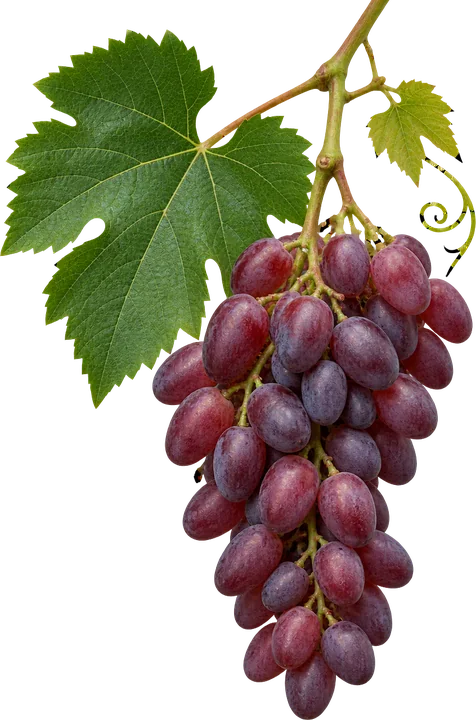
A very early table variety with a large dark berry and crunchy flesh. In Belarus it turns red among the first, but the cane ripens with difficulty and the small berries crack.

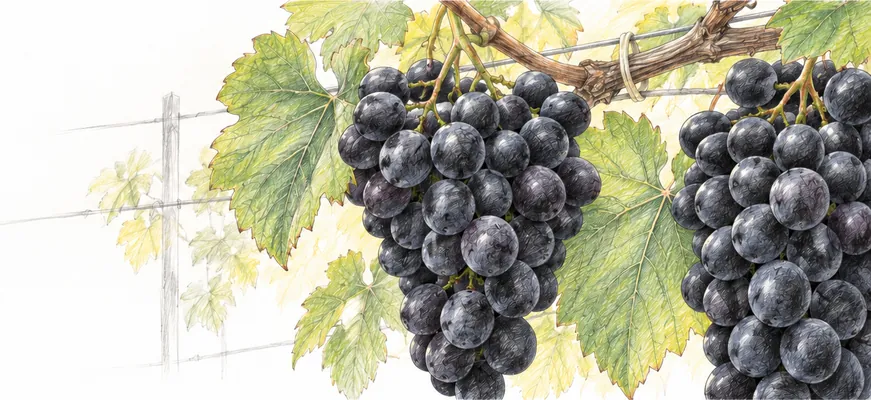
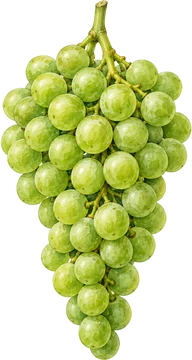
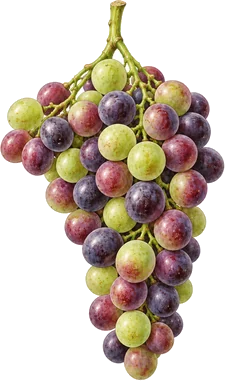
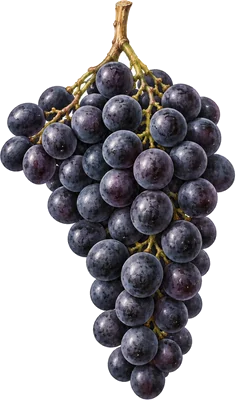
Kataloniya: large elongated red-violet berries with a bloom — AI illustration based on photos and the description of the variety
  • Ripening timeVery earlyin Belarus — August
  • Berry10–12 gdark, red-violet; bunch 500–1000 g
  • Frost hardiness−19…⁠−22 °Caccording to the reference book; in Belarus it is covered
  • Sugar14–⁠18 Brixin Belarus, by year
  • 226first-hand observations
  • 19amateur growers
  • 9professionals
  • 8seasons

The season of Kataloniya in Belarus

Click a stage to see what happens on the vine and what growers saw.

Scroll the strip to see the whole season

Bud break

late April — May

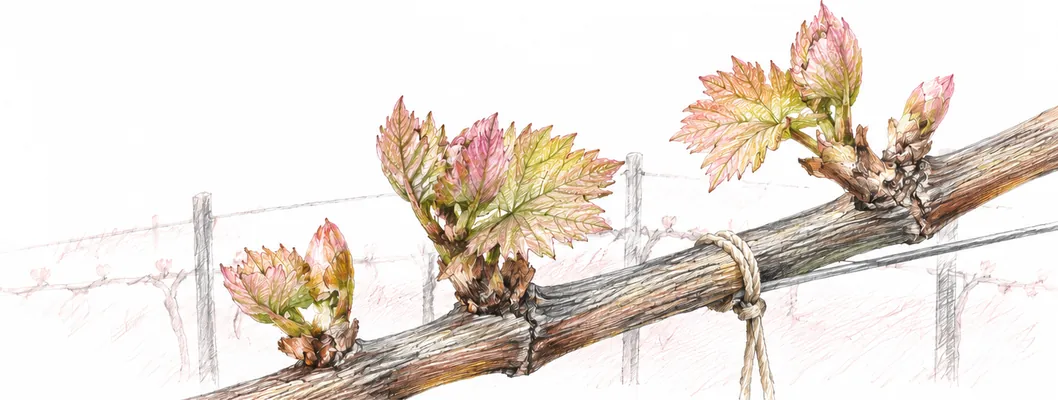
When Kataloniya's buds break

Observations by professionals and amateurs
Professionals 5 observations

  1. Gomel Region, Kalinkovichisteady warmth above +10 °C from 2 Mayfrosts from −1 to −2 °C, the last on 29 AprilA Kataloniya plant set out a year earlier overwintered under soil and film. It was uncovered on 3 May — its buds were only starting to turn woolly.
  2. Minsk Region, Ostroshitsky Gorodoksteady warmth above +10 °C from 13 Mayfrosts down to −2 °C, the last on 9 MayBy 9 May the Kataloniya vine was waking up unevenly: on one side the shoots were just starting, on the other they had already grown noticeably.
  3. Gomel Region, Kalinkovichisteady warmth above +10 °C from 27 Aprilfrosts down to −1 °C, the last on 5 AprilKataloniya overwintered heeled into the soil. When it was uncovered at the end of April and hoops were set up, its buds were only beginning to wake up, while one of the neighbouring varieties had already moved ahead.
  4. Minsk Regionsteady warmth above +10 °C from 11 Mayfrosts from −2 to −3 °C, the last on 8 MayTwo weeks after the cover was removed, in warm weather, the buds of a young Kataloniya vine all broke together. Its last-year cane had ripened, although a neighbouring vine shaded it heavily.
  5. Grodno Region, LidaIn a greenhouseIn the greenhouse by mid-April some of Kataloniya's buds had already opened and some had only swelled: among the ultra-early varieties it was one of the first to start.

Amateurs 0 observations

2

Weather, diseases and pests

Professionals 8 observations

  1. Brest Region, Pinsksteady warmth above +10 °C from 2 Mayfrosts from −1 to −2 °C, the last on 29 AprilThe spring frost of 2026 killed the first buds on the plot, although the vines were covered with film overnight. Kataloniya started growing and fruited from the second, secondary buds.
  2. Minsk Regionsteady warmth above +10 °C from 19 Mayfrosts from −4 to −8 °C, the last on 9 MayIn spring after frosts Kataloniya's shoots survived, but the leaves were frost-damaged, with injured veins. The vine still recovered and by mid-September gave a crop that was enough to eat.
  3. Gomel Region, Kalinkovichisteady warmth above +10 °C from 17 Mayfrosts from −5 to −10 °C, the last on 6 MayIn 2025 Kataloniya froze in early spring, grew only a few shoots over the summer and gave just a couple of bunches. By the end of May 2026 the vine did set bunches, though fewer than hoped.
  4. Gomel Region, Kalinkovichisteady warmth above +10 °C from 27 Aprilfrosts down to −1 °C, the last on 5 AprilThe cover was fully removed only on 19 May. Where the shoot tips touched the film they were nipped by frost, but the vine held up; a year earlier a frost damaged it more severely.
  5. Gomel Region, Kalinkovichisteady warmth above +10 °C from 27 Aprilfrosts down to −1 °C, the last on 5 AprilIn spring 2024 Kataloniya was caught by frosts and many buds were killed, so the crop was more modest than hoped, though there is enough to enjoy. By mid-July the frost-damaged vine had nevertheless coloured almost entirely.
  6. Minsk RegionA Kataloniya shoot was caught by a frost in spring, but it recovered and ripened even in a poor season with a cold September; a lateral ripened too, and shoots with bunches grew on it.
  7. Minsk Regionsteady warmth above +10 °C from 11 Mayfrosts from −2 to −3 °C, the last on 8 MayAfter the May frosts of 2023 nothing on the Kataloniya vine suffered: the buds and young shoots stayed intact.
  8. Gomel Region, Kalinkovichisteady warmth above +10 °C from 11 Mayfrosts down to −2 °C, the last on 29 AprilThe first May frosts slightly damaged Kataloniya's buds, but a few days later you could see the vine recovering and moving on.

Amateurs 1 observation

  1. Location not specifiedThe June frost of 2023 almost wiped out the vine, and Kataloniya fell far behind in development, although it is usually one of the first to start colouring.
3

Work on the vine

Professionals 0 observations

Amateurs 2 observations

  1. Location not specifiedKataloniya overwintered under a little house of Dornit fabric and by mid-May, when the cover was removed, had pushed shoots of 40 cm. Vines simply pinned to the ground under flat cover overwintered without losses but started noticeably later.
  2. Location not specifiedKataloniya was covered for the winter with its leaves on, and in spring there was mush under the cover. The vine was cleaned, dried and sprayed with Azofos — it came out of the winter well, grew and flowered.

Weather in the observation lines is from AgERA5 data for the region: frosts, sum of active temperatures.

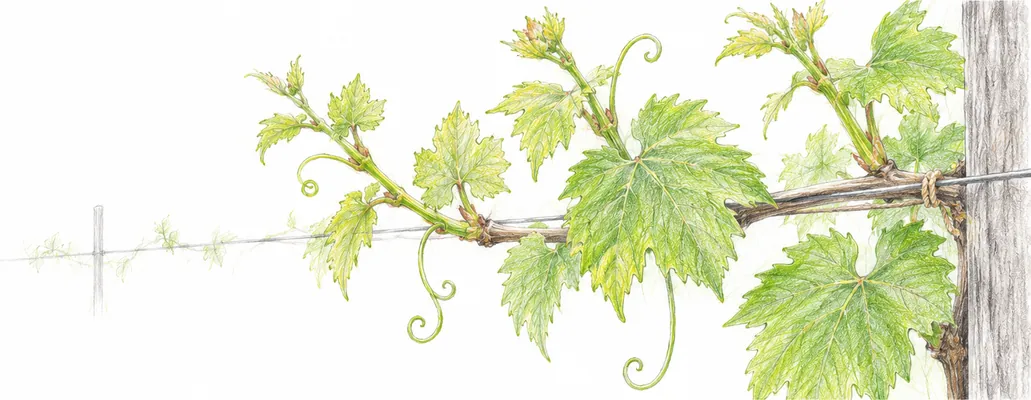
Shoot growth

May — June

How Kataloniya's shoots grow

Observations by professionals and amateurs

Professionals 12 observations

  1. Vitebsk Region, MezhnoIn 2025 a grower in Polotsk District found the shoots on the Kataloniya vine rather thin, and the crop on it correspondingly not very large.
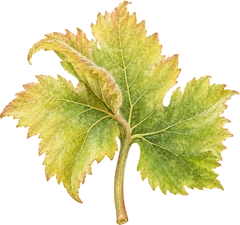
  2. Grodno Region, GrodnoThe leaves on the Kataloniya vine are not uniform: one vine has leaves of different shapes, some of them deeply cut and dissected. This is how the vine looked in early August 2024.
  3. Minsk RegionSAT since 1 April — 1035 °C, the season is 9 days ahead of usualmonthly precipitation — 83 mm, 1.4 times the usualAt the end of June 2024 the Kataloniya vines are small and their shoots weak, although the bunches are handsome, 20–25 cm long.
  4. Minsk Region, Minsk DistrictA third-year Kataloniya vine is fairly vigorous, grows well and pushes big, long shoots. In 2023 it already carries a decent load, while a year earlier there were only trial bunches.
  5. Gomel Region, KalinkovichiSAT since 1 April — 1205 °C, as usualmonthly precipitation — 101 mm, 1.7 times the usual; rain on 10 days of 1420% less sun than usualIn 2023, after frosts and drought, Kataloniya started growing with great difficulty and stood still for a long time. By July it had recovered a little and still set its first crop.
  6. Minsk RegionA mature Kataloniya vine was moved in 2022 with damaged roots, and before planting it lay in a shed for another two weeks. It woke up very late and put out only one shoot, but the cane on it ripened.
  7. Grodno Region, LidaIn a greenhouseIn the long rainy season of 2022 Kataloniya in the greenhouse produced a great many barren shoots from the head of the vine. The bunches were not large, 400–500 g each.
  8. Grodno Region, GrodnoThe Kataloniya vine was planted in spring 2020 as a rooted cutting and developed very well: by the end of August 2021 it already had two arms and 17 bunches.
  9. Grodno Region, GrodnoA second-year vine from a rooted cutting planted in spring 2020 grows very vigorously. Laterals come up to the sixth order, and they need constant work.
  10. Grodno Region, LidaIn a greenhouseIn the greenhouse, after overwintering, the vine stood still for a long time, then suddenly took off and put out three canes able to grow to 6 metres. There were no bunches on the primary buds — the crop came from laterals.
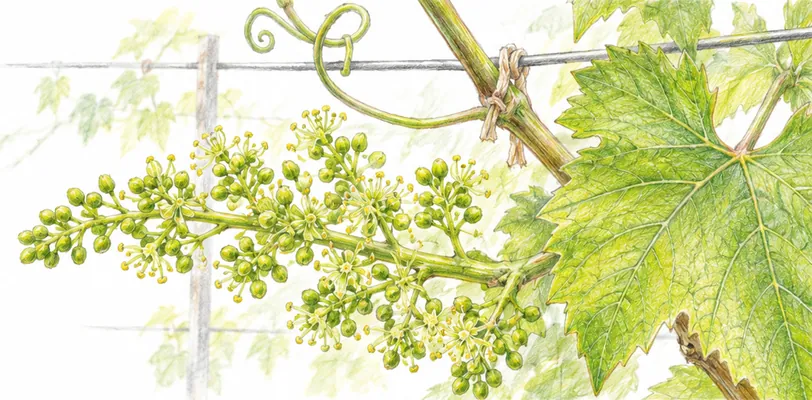
  11. Grodno Region, LidaIn a greenhouseIn the greenhouse in early May 2021 the shoots of Kataloniya, which is considered an ultra-early selection, already showed large inflorescences.
  12. Grodno Region, LidaIn a greenhouseIn the greenhouse Kataloniya gave three trial bunches on laterals. By 3 November two of them had coloured, but such late bunches have no flavour — they are merely edible.

Amateurs 2 observations

  1. Location not specifiedKataloniya's inflorescences came even from the first, lowest buds of last year's cane, so it can be pruned short. After the winter the canes grew actively and flowered.
  2. Location not specifiedOne year mice ate a Kataloniya vine right down to the root. It started late and recovered only in June, but pushed powerful, thick canes.
2

Weather, diseases and pests

Professionals 1 observation

  1. Gomel Region, KalinkovichiSAT since 1 April — 466 °C, as usualmonthly precipitation — 39 mm, 30% less than usualAt the end of May 2026, after a night-time storm and severe cold, Kataloniya generally held up, but the shoot tips were torn and curled from the cold. The vine has many inflorescences this year.

Amateurs 0 observations

3

Work on the vine

Professionals 1 observation

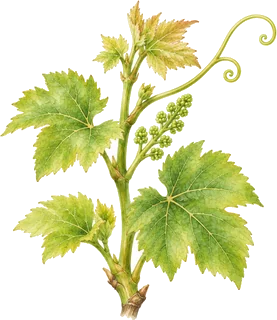
  1. Grodno Region, GrodnoKataloniya pushes laterals and tendrils very vigorously. If you miss the green operations even slightly, you can get stuck on one vine for about 30 minutes — it takes longer to work with than other selections.

Amateurs 0 observations

Weather in the observation lines is from AgERA5 data for the region: sum of active temperatures, precipitation.

Flowering

June

How Kataloniya flowers and sets berries

Observations by professionals and amateurs

Professionals 12 observations

  1. Grodno Region, GrodnoSAT since 1 April — 814 °C, as usualmonthly precipitation — 78 mm, about usualIn Grodno by 26 June 2026 Kataloniya had long finished flowering and gave three bunches per shoot — more than the neighbouring Black Royal and Gratsiya with one or two bunches.
  2. Gomel Region, KalinkovichiSAT since 1 April — 782 °C, the season is 4 days behind usualmonthly precipitation — 88 mm, 1.4 times the usual; rain on 10 days of 14In a cold, overcast mid-June Kataloniya's shoots stopped growing, but it flowered normally and set good bunches; the leaves were slightly touched by anthracnose.
  3. Mogilev Region, MogilevA young Kataloniya vine flowered for the grower on 7 June and gave its first crop that same season; the grower classes the variety as very early, and the berry has firm flesh.
  4. Grodno Region, LidaSAT since 1 April — 937 °C, as usualmonthly precipitation — 84 mm, about usualIn Lida Kataloniya pollinated beautifully in 2025 too, as every year: few small berries, and they are cleaned out. By 1 July the berry had grown noticeably and will soon start to colour.
  5. Gomel Region, KalinkovichiSAT since 1 April — 938 °C, the season is 4 days behind usualmonthly precipitation — 90 mm, 1.7 times the usualtwo weeks 3 °C colder than usualIn the rainy end of June half of Kataloniya had finished flowering and half was still in flower. It pollinated weakly: early shoots set one small bunch each, the bunches are small, and a lot of millerandage is expected.
  6. Gomel Region, KalinkovichiSAT since 1 April — 582 °C, as usualmonthly precipitation — 120 mm, 2.2 times the usual; rain on 12 days of 1420% less sun than usualIn 2025 Kataloniya flowered late: on 5 June the inflorescences were only getting ready to open, and it flowered by 19 June. Its inflorescences always look small, but the ripe bunch turns out quite decent.
  7. Grodno Region, GrodnoSAT since 1 April — 1226 °C, the season is 12 days ahead of usualmonthly precipitation — 82 mm, about usualtwo weeks 3 °C warmer than usualIn Grodno by early July 2024 Kataloniya had pollinated excellently, the bunches are good, no complaints; the grower's vine is not vigorous, of medium vigour.
  8. Gomel Region, KalinkovichiSAT since 1 April — 919 °C, the season is 4 days ahead of usualmonthly precipitation — 80 mm, about usual; rain on 10 days of 1415% less sun than usualKataloniya overwintered well and pollinated well, the outer bunches especially even. Blackberry plantings shield the vine from the cold air flow that drifts into this corner of the plot.
  9. Minsk Region, Ostroshitsky GorodokSAT since 1 April — 826 °C, the season is 8 days ahead of usualmonthly precipitation — 67 mm, about usual; rain on 9 days of 14In Ostroshitsky Gorodok by mid-June 2024 Kataloniya had already finished flowering, as had Slava Ukraine, while one of the neighbouring varieties had not flowered at all yet.
  10. Gomel Region, KalinkovichiSAT since 1 April — 827 °C, the season is 4 days ahead of usualmonthly precipitation — 74 mm, about usual; rain on 11 days of 14In Kalinkovichi by 12 June 2024 Kataloniya had just finished flowering, and five days later berries were already visible, while the neighbouring Arkadia and Asya were still in flower.
  11. Grodno Region, LidaIn a greenhouseIn the greenhouse by 28 May 2023, still in spring, Kataloniya was already in flower — at the same time as Veles, Sharada and the kishmish Tsimus.
  12. Grodno Region, LidaIn a greenhouseIn the greenhouse a three-year-old vine has a hermaphrodite flower and pollinates well: no millerandage, although nothing was done to the bunches — no thinning or other operations.

Amateurs 1 observation

  1. Gomel Region, RechitsaIn Rechitsa flowering began on 9 June with Jupiter; two days later Kataloniya flowered, followed by Slava Ukraine and Podarok Nesvetaya; fruit set began on most varieties despite repeated May frosts.
2

Weather, diseases and pests

No observations yet.

3

Work on the vine

No observations yet.

Weather in the observation lines is from AgERA5 data for the region: sum of active temperatures, precipitation.

Berry growth

July

How Kataloniya's berries fill

Professionals' observations

Professionals 16 observations

  1. Grodno Region, GrodnoSAT since 1 April — 1094 °C, as usualmonthly precipitation — 93 mm, about usual; rain on 10 days of 14By 11 July 2026 Kataloniya had pollinated well and set its berries. On the plot in Grodno it is a trouble-free ultra-early selection.
  2. Mogilev Region, MogilevAt a young vine's first crop the average Kataloniya berry was weighed — 8.4 g. The berry is firm and has seeds in cross-section; it is not a kishmish.
  3. Minsk RegionSAT since 1 April — 1824 °C, the season is 5 days behind usualmonthly precipitation — 101 mm, 1.5 times the usualtwo weeks 2 °C colder than usualIn 2025 Kataloniya's bunches are large but have a lot of small berries; on the other side of the vine the bunches are smaller, but the berries are full-sized, without millerandage.
  4. Grodno Region, GrodnoSAT since 1 April — 1804 °C, as usualmonthly precipitation — 110 mm, 1.4 times the usualIn 2025 a three-year-old Kataloniya vine is loaded with bunches on both sides; berries of 8–10 g, at most 12 g, crunchy. A second vine planted in autumn 2023 also gave berries up to 12 g.
  5. Gomel Region, KalinkovichiSAT since 1 April — 1383 °C, as usualmonthly precipitation — 60 mm, about usualIn 2025, after severe spring frosts, Kataloniya has many barren shoots and only a few bunches. It flowered late, and by the end of July the bunches are small, although the first have started to colour.
  6. Grodno Region, LidaSAT since 1 April — 937 °C, as usualmonthly precipitation — 84 mm, about usualIn early July 2025 Kataloniya pollinated well, as every year: few small berries, and the berries are already large and still growing. In the author's experience, its berry keeps growing in size after colouring begins.
  7. Gomel Region, KalinkovichiSAT since 1 April — 1988 °C, the season is 8 days ahead of usualmonthly precipitation — 47 mm, 35% less than usualIn 2024 Kataloniya's bunches are not large, about 500 g, but the sugar is already there, and the crop began to be cut in early August. The variety passed the test on the plot, and it was decided to plant more.
  8. Gomel Region, KalinkovichiSAT since 1 April — 1373 °C, the season is 7 days ahead of usualmonthly precipitation — 90 mm, 1.5 times the usualtwo weeks 3 °C warmer than usualIn 2024, after spring frosts that killed many buds, Kataloniya has few bunches and a small berry. The variety's bunches always look small at first, then fill out and become compact.
  9. Minsk RegionSAT since 1 April — 1035 °C, the season is 9 days ahead of usualmonthly precipitation — 83 mm, 1.4 times the usualAt the end of June 2024 small Kataloniya vines on the second plane of the trellis showed handsome bunches 20–25 cm long, although their shoots are weak.
  10. Gomel Region, KalinkovichiSAT since 1 April — 1640 °C, the season is 4 days behind usualmonthly precipitation — 92 mm, 1.3 times the usualAt the end of July 2023, when Kataloniya was gaining colour, one of its bunches turned out to be made entirely of small berries, while in another, handsome-looking one the berries dropped at the slightest touch.
  11. Minsk Region, Minsk DistrictSAT since 1 April — 1524 °C, as usualmonthly precipitation — 77 mm, about usualBy the end of July 2023 the berry of a four-year-old Kataloniya vine was already colouring and had grown quite large; it tastes crunchy and juicy.
  12. Gomel Region, KalinkovichiSAT since 1 April — 1419 °C, as usualmonthly precipitation — 87 mm, 1.3 times the usualAfter a hard spring with frosts pollination went poorly: in 2023 Kataloniya had heavy millerandage, and the berry was smaller than last year's. The vine still gave a few bunches.
  13. Grodno Region, GrodnoSAT since 1 April — 2005 °C, the season is 6 days behind usualmonthly precipitation — 20 mm, 70% less than usualtwo weeks 5 °C warmer than usualThe large berries of Kataloniya were weighed in its third growing season — 10.3–11.3 g. At this age the vine carries a load of about 20 kg and ripens early.
  14. Grodno Region, GrodnoSAT since 1 April — 2093 °C, as usualmonthly precipitation — 147 mm, 2.1 times the usualtwo weeks 2 °C colder than usual; 15% less sun than usualA vine planted in spring 2020 as a rooted cutting carries 17 bunches on two arms in its second year. The bunches are small, about 300 g, some up to 700 g; the berry is medium-sized, the large ones 10.5 g each.
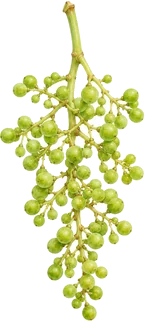
  15. Grodno Region, LidaIn a greenhouseIn the greenhouse the bunches are loose, from 600 g to a kilogram; the berry is elongated and dark purple, about 10–12 g. A three-year-old vine carries a heavy load.
  16. Grodno Region, LidaSAT since 1 April — 1858 °C, as usualmonthly precipitation — 132 mm, 1.7 times the usual; rain on 9 days of 1415% less sun than usualThere was almost no millerandage on Kataloniya in 2021 — small berries occurred only in some bunches. The bunches are large, about a kilogram, some up to one and a half; the vine is productive.

Amateurs 0 observations

2

Weather, diseases and pests

Professionals 5 observations

  1. Gomel Region, KalinkovichiSAT since 1 April — 1592 °C, the season is 5 days behind usualmonthly precipitation — 62 mm, about usualThe vine was left untended for a month — it became overgrown and poorly ventilated, and the surplus bunches were not removed — and Kataloniya caught a bad case of powdery mildew. The disease was stopped, but the berry became unsightly.
  2. Gomel Region, KalinkovichiSAT since 1 April — 1284 °C, as usualmonthly precipitation — 60 mm, about usualIn 2026 powdery mildew appeared on the berries of an overcrowded Kataloniya vine where the surplus shoots had not been removed in time. A spray of Quadris in a tank mix worked well, repeated 10 days later with a Quadris equivalent.
  3. Gomel Region, KalinkovichiSAT since 1 April — 1649 °C, the season is 8 days ahead of usualmonthly precipitation — 71 mm, about usualtwo weeks 4 °C warmer than usual; 20% more sun than usualA Kataloniya bunch that, because of rain and a storm, was only treated twice with baking soda and potassium permanganate was saved: there is almost no powdery mildew on it, but it does not look as nice.
  4. Gomel Region, KalinkovichiSAT since 1 April — 1447 °C, the season is 7 days ahead of usualmonthly precipitation — 72 mm, about usualtwo weeks 3 °C warmer than usualIn heat above 32 °C the white coating of powdery mildew appeared on Kataloniya's leaves. A fungicide spray, followed a week later by baking soda with potassium permanganate, stopped the disease when the berry was already beginning to soften.
  5. Grodno Region, LidaIn a greenhouseIn the greenhouse three preventive sprays against powdery mildew and rot were applied — by ripening Kataloniya's bunches and leaves were clean, and no rot appeared.

Amateurs 0 observations

3

Work on the vine

Professionals 8 observations

  1. Minsk Region, Minsk DistrictSAT since 1 April — 1716 °C, the season is 7 days behind usualmonthly precipitation — 45 mm, 35% less than usualKataloniya's shoots grow very powerfully, so two, and in places three, bunches per shoot were left on the vine, and the bunches themselves were made smaller. Kataloniya carries a load on this vine every year.
  2. Grodno Region, GrodnoSAT since 1 April — 1604 °C, as usualmonthly precipitation — 87 mm, about usualKataloniya is fully loaded — two bunches per shoot, one in places. The berry is large and crunchy; some bunches can be cut in a week to ten days.
  3. Grodno Region, LidaEvery year the grower leaves Kataloniya's lateral crop in full, without thinning, and the vine manages to ripen it by the end of the season.
  4. Minsk Region, Ostroshitsky GorodokSAT since 1 April — 1804 °C, the season is 11 days ahead of usualmonthly precipitation — 93 mm, about usualIn 2024 the Kataloniya vine was loaded with two bunches per shoot on both planes of the trellis. By early August the berry was fully coloured and already large, with few small berries.
  5. Minsk Region, Ostroshitsky GorodokSAT since 1 April — 1445 °C, the season is 10 days ahead of usualmonthly precipitation — 83 mm, about usualtwo weeks 2 °C warmer than usualIn open ground the Kataloniya vine grows well and the cane is thick, so a load of two bunches per shoot was left. In mid-July the bunches began colouring.
  6. Minsk RegionOn the second plot a mature Kataloniya vine that put out only one shoot last year gave its first crop in 2023: even two bunches were left on the big shoot, and the berry grew very large.
  7. Grodno Region, LidaIn a greenhouseIn the greenhouse one or two bunches per shoot were left on Kataloniya, and the small berries were not removed — there was no time. The bunches are growing large and handsome anyway.
  8. Grodno Region, LidaSAT since 1 April — 1858 °C, as usualmonthly precipitation — 132 mm, 1.7 times the usual; rain on 9 days of 1415% less sun than usualThe Kataloniya vine is loaded with two bunches per shoot, with three arms trained in two planes. By mid-August the berry is already changing colour and turning red.

Amateurs 0 observations

Weather in the observation lines is from AgERA5 data for the region: sum of active temperatures, precipitation.

Colouring

late July — early August

How Kataloniya's berries change colour

Observations by professionals and amateurs

Professionals 22 observations

  1. Gomel Region, KalinkovichiSAT since 1 April — 1592 °C, the season is 5 days behind usualmonthly precipitation — 62 mm, about usualOn 28 July 2026 Kataloniya is already colouring, although the berry looks unsightly after powdery mildew. For this grower it usually ripens at the same time as Veles.
  2. Vitebsk Region, MezhnoSAT since 1 April — 2003 °C, as usualmonthly precipitation — 45 mm, 35% less than usualIn 2025 Kataloniya is colouring beautifully, better than a year ago. The shoots are rather thin, so the crop is small; after colouring it still needs to hang to develop flavour.
  3. Minsk RegionSAT since 1 April — 1824 °C, the season is 5 days behind usualmonthly precipitation — 101 mm, 1.5 times the usualtwo weeks 2 °C colder than usualBy 19 August 2025 Kataloniya was already strongly coloured, and by 26 August well coloured: the small berries are edible, the sugar normal and the crunch pleasant, but it is being left to hang a while longer.
  4. Minsk RegionSAT since 1 April — 1569 °C, the season is 4 days behind usualmonthly precipitation — 154 mm, 1.9 times the usualOn 4 August 2025 in the dacha vineyard Kataloniya is only starting to colour. It rains endlessly, so the vines are still protected against fungal diseases, bearing in mind that harvest is near.
  5. Grodno Region, GrodnoSAT since 1 April — 1360 °C, as usualmonthly precipitation — 146 mm, 1.8 times the usual; rain on 10 days of 14In 2025 the selections on the plot began colouring on 20 July, eight days later than the year before. Kataloniya is among the first: by 23 July it is already colouring.
  6. Gomel Region, KalinkovichiSAT since 1 April — 1463 °C, as usualmonthly precipitation — 76 mm, about usualOn 22 July 2025 Kataloniya was the first on the plot to start colouring, but not all of it: the bunches that flowered earliest are colouring, while the rest are still green.
  7. Grodno Region, GrodnoSAT since 1 April — 1690 °C, the season is 14 days ahead of usualmonthly precipitation — 91 mm, about usualtwo weeks 2 °C warmer than usualBy 25 July 2024 Kataloniya had already coloured; the bunch is handsome and winged. The berries, even the lower ones, are already being tasted: no muscat, but a pleasant taste.
  8. Minsk RegionSAT since 1 April — 1514 °C, the season is 10 days ahead of usualmonthly precipitation — 97 mm, 1.3 times the usualtwo weeks 3 °C warmer than usualOn 18 July 2024 Kataloniya is colouring before your eyes, so when choosing a disease treatment the grower checks the product's pre-harvest interval against the time left until harvest.
  9. Minsk RegionSAT since 1 April — 1469 °C, the season is 10 days ahead of usualmonthly precipitation — 82 mm, about usualtwo weeks 2 °C warmer than usualIn mid-July Kataloniya's small berries colour first, then the large ones. On one plot it colours more brightly than at the dacha, while the second vine is still completely green.
  10. Gomel Region, KalinkovichiSAT since 1 April — 1447 °C, the season is 7 days ahead of usualmonthly precipitation — 72 mm, about usualtwo weeks 3 °C warmer than usualOn 11 July 2024 Kataloniya was the first on the plot to go into colour: it copes with strong heat quite well and seems to have coloured faster because of it. By 19 July the berry is almost fully coloured.
  11. Grodno Region, GrodnoSAT since 1 April — 1949 °C, as usualmonthly precipitation — 79 mm, about usualKataloniya colours early and has a pleasant varietal taste, but after full colouring it takes another week or two to gain sugar. By 21 August 2023 it is practically ripe.
  12. Minsk Region, Minsk DistrictSAT since 1 April — 1836 °C, as usualmonthly precipitation — 110 mm, 1.6 times the usualBy mid-August 2023 Kataloniya has long been coloured and hangs in bags. A year earlier the vine had only trial bunches; the berry is very tasty.
  13. Minsk RegionSAT since 1 April — 1582 °C, as usualmonthly precipitation — 72 mm, about usual; rain on 9 days of 14On 1 August 2023 Kataloniya started colouring. On the town plot it is more strongly coloured than at the dacha and started a couple of days earlier.
  14. Grodno Region, LidaIn a greenhouseIn the greenhouse by 25 July 2023 Kataloniya's berry is noticeably colouring. The bunches are handsome, and the berries keep growing.
  15. Gomel Region, KalinkovichiSAT since 1 April — 1419 °C, as usualmonthly precipitation — 87 mm, 1.3 times the usualOn 18 July 2023 the first colour in the vineyard appeared on Kataloniya; by 30 July it is gaining colour. The berry is smaller this year than last — after poor pollination the bunches show heavy millerandage.
  16. Grodno Region, LidaOn this plot Kataloniya was not ripe for a long time in 2022: although the berry is gaining colour, it is doing so very slowly and with difficulty, and it is still too early to cut.
  17. Minsk RegionSAT since 1 April — 1999 °C, the season is 6 days behind usualmonthly precipitation — 35 mm, 40% less than usual; two weeks without raintwo weeks 4 °C warmer than usual; 20% more sun than usualBy 29 August 2022 the trial bunch of Kataloniya had coloured fully, but the berry had not been tasted yet: the grower decided to wait a little longer for it to finish.
  18. Gomel Region, KalinkovichiSAT since 1 April — 1850 °C, the season is 7 days behind usualmonthly precipitation — 46 mm, 35% less than usualBy 13 August 2022 Kataloniya in Kalinkovichi had coloured fully — even the tendril had almost taken on colour. The berry has not been tasted yet; it still feels firm.
  19. Gomel Region, KalinkovichiSAT since 1 April — 1535 °C, the season is 7 days behind usualmonthly precipitation — 72 mm, about usualOn 28 July Kataloniya was the first on the plot to start colouring vigorously. This is a second-year vine: after the winter only two buds woke up, but it grew three canes and carries two trial bunches.
  20. Grodno Region, LidaIn a greenhouseIn the greenhouse by 15 August 2021 Kataloniya had coloured fully — dark blue, almost black — while Koldun, growing intermixed with it, is still red with a pink tinge.
  21. Grodno Region, LidaIn a greenhouseIn the greenhouse, in the half-shade of crowded canes, Kataloniya had coloured almost fully by 24 July — earlier than all the ultra-early varieties. Sugar can already be tasted, but there is still a lot of acidity.
  22. Grodno Region, LidaIn a greenhouseIn the greenhouse by 10 July 2021 Kataloniya had already started colouring: the berry is beginning to change colour. Of the grower's ultra-early selections, it is the very first at this point.

Amateurs 6 observations

  1. Gomel Region, Gomel DistrictIn Gomel District Kataloniya pollinated beautifully in 2026 and coloured early: the grower's berry is already dark.
  2. Grodno Region, GrodnoSAT since 1 April — 1804 °C, as usualmonthly precipitation — 110 mm, 1.4 times the usualIn Grodno in open ground by 16 August 2025 Kataloniya was only starting to colour, while the earliest varieties next to it had been eaten for a week.
  3. Grodno Region, Novogrudok DistrictSAT since 1 April — 1804 °C, as usualmonthly precipitation — 110 mm, 1.4 times the usualIn Novogrudok District in open ground by 16 August 2025 Kataloniya was only colouring, while in the greenhouse the tops of the bunches of the early varieties were already ripe.
  4. Location not specifiedKataloniya fruits from the lower buds, so it can be pruned short. By mid-August the bunches are large, well pollinated and fully coloured.
  5. Minsk Region, BorovlyanySAT since 1 April — 1600 °C, as usualmonthly precipitation — 85 mm, about usual; rain on 10 days of 14In Borovlyany near Minsk, Kataloniya by a wall had briskly started colouring by 2 August 2023 — the berry was actively turning colour.
  6. Gomel Region, LoevSAT since 1 April — 1488 °C, as usualmonthly precipitation — 92 mm, 1.3 times the usualIn Loev Kataloniya, growing outdoors in open ground, had already started colouring by 22 July 2023.
2

Weather, diseases and pests

Professionals 7 observations

  1. Minsk RegionSAT since 1 April — 2014 °C, the season is 9 days behind usualmonthly precipitation — 60 mm, about usualKataloniya hides behind the leaves because birds peck it badly. The bunches are small in 2026, but the berry is very large and pollinated well.
  2. Minsk Region, Minsk DistrictSAT since 1 April — 1488 °C, the season is 7 days behind usualmonthly precipitation — 80 mm, about usualIn early August 2026 Kataloniya is colouring; the berry is firm and crunchy. Only one or two berries got sunburnt, so the edge of the bunch should be shaded a little.
  3. Minsk RegionSAT since 1 April — 2216 °C, as usualmonthly precipitation — 18 mm, 65% less than usual; two weeks without raintwo weeks 4 °C warmer than usual; 20% more sun than usualKataloniya is ripe by mid-September: a harmonious, sweet taste with a strong crunch. Birds managed to peck the upper bunch thoroughly.
  4. Grodno Region, GrodnoSAT since 1 April — 1804 °C, as usualmonthly precipitation — 110 mm, 1.4 times the usualFrom a young Kataloniya vine planted in autumn 2023, the first bunch was cut on 8 August 2025. By 16 August birds were already feeding on the remaining bunches, which had not been exposed by leaf removal.
  5. Minsk Region, Ostroshitsky GorodokSAT since 1 April — 2149 °C, the season is 13 days ahead of usualmonthly precipitation — 65 mm, about usualIn 2024 the sweet Kataloniya was first nibbled by wasps, then sparrows joined in. The bunches had to be bagged, and the trap caught mostly flies.
  6. Gomel Region, KalinkovichiSAT since 1 April — 1988 °C, the season is 8 days ahead of usualmonthly precipitation — 47 mm, 35% less than usualWasps usually leave Kataloniya alone because of its tough skin, but in 2024, after rain, a few berries on the bunches cracked, the wasps went for them, and the crop began to be cut earlier.
  7. Gomel Region, KalinkovichiSAT since 1 April — 2097 °C, as usualmonthly precipitation — 56 mm, about usualIn the difficult year of 2023 Kataloniya's berry is smaller than last year's. By 20 August it is sweet and ripe, but there are so many wasps that berries have started falling off the bunch.

Amateurs 1 observation

  1. Gomel Region, Dobrush DistrictSAT since 1 April — 1734 °C, the season is 4 days behind usualmonthly precipitation — 96 mm, 1.3 times the usualIn a village in Dobrush District, in open ground, Kataloniya had only started to ripen in early August, and birds came for it at once, followed by wasps.
3

Work on the vine

No observations yet.

Weather in the observation lines is from AgERA5 data for the region: sum of active temperatures, precipitation.

Ripening and harvest

mid-August — September

Sugar, taste and harvest time of Kataloniya

Observations by professionals and amateurs

When Kataloniya ripens

25 observations without greenhouses · 2022–2026

Professionals20 observationsAmateurs5 observations

still ripeningripealready cutapproximate date

Scroll the dates ↔

What state the bunches were found in25 observations. A drop is one observation: filled — bunches ripe, hollow — still ripening, cross — already cut. Harvest window from 13 August to 13 September.harvest window · 13 August — 13 September2025August510152025September510152025October5ProfessionalsAmateurs

Professionals 49 observations

  1. Mogilev Region, MogilevSAT since 1 April — 2388 °C, the season is 6 days behind usualmonthly precipitation — 50 mm, about usualIn 2026 in Mogilev Kataloniya struggled to gain sugar, although the year before it had been very good. The berry also started to shrivel and turn to raisins, losing its looks.
  2. Minsk RegionSAT since 1 April — 2014 °C, the season is 9 days behind usualmonthly precipitation — 60 mm, about usualBy 27 August 2026 Kataloniya is fully ripe: the berry is crunchy and juicy, the taste harmonious, with a pleasant fruity aftertaste.
  3. Minsk Region, Minsk DistrictSAT since 1 April — 2014 °C, the season is 9 days behind usualmonthly precipitation — 60 mm, about usualIn early September 2026 Kataloniya is crunchy, with a soft edible skin and no acidity at all, but it has little sugar — the berry is not very sweet.
  4. Gomel Region, KalinkovichiSAT since 1 April — 2052 °C, the season is 4 days behind usualmonthly precipitation — 33 mm, 50% less than usualBy 20 August 2026 Kataloniya has long been coloured and is being cut little by little, but it gains sugar very poorly — it needs to hang for about another week. No cracks on it after the downpour.
  5. Minsk Region, Minsk DistrictSAT since 1 April — 1716 °C, the season is 7 days behind usualmonthly precipitation — 45 mm, 35% less than usualKataloniya, as always, was the first variety to colour, but after colouring it takes relatively long to ripen: by 15 August 2026 it has long been coloured but is not yet ripe.
  6. Minsk Region, SoligorskSAT since 1 April — 1632 °C, the season is 6 days behind usualmonthly precipitation — 48 mm, 40% less than usualOn 10 August 2026 Kataloniya is being cut from the whole vine for a wedding: there is no acidity left in the berry at all, sugar 17–19 Brix, the taste is very good.
  7. Grodno Region, GrodnoSAT since 1 April — 1604 °C, as usualmonthly precipitation — 87 mm, about usualIn 2026 Kataloniya in Grodno was one of the first to ripen: cutting began in mid-August, ripe bunches were cut on 21 August, and by 27 August almost everything had been picked. The berry is large, crunchy and sweet.
  8. Minsk Region, Minsk DistrictSAT since 1 April — 1488 °C, the season is 7 days behind usualmonthly precipitation — 80 mm, about usualIn early August 2026 Kataloniya is still finishing colouring, while the berry is already firm and crunchy. The small berries in the bunches have almost no skin, just flesh, and it is they that crack, while the large berries are intact.
  9. Grodno Region, LidaIn a greenhouseIn the greenhouse in 2026 Kataloniya was the first variety to ripen, and by 21 July the greenhouse was already empty. In previous years the first berries here could be tasted and sold around 3–5 August.
  10. Mogilev Region, MogilevAt a young vine's first crop Kataloniya's berry stayed ripe for about two weeks, and some berries began to shrivel. The flesh is firm and crunchy, without muscat; the taste is distinctive, varietal and very refreshing.
  11. Minsk RegionAfter the mild, not-too-hot summer of 2025 Kataloniya turned out unusually tasty — not just sweet, but with a rich, harmonious flavour. The author attributes this to aromas developing better without heat and drought.
  12. Minsk RegionSAT since 1 April — 2216 °C, as usualmonthly precipitation — 18 mm, 65% less than usual; two weeks without raintwo weeks 4 °C warmer than usual; 20% more sun than usualIn 2025 Kataloniya was fully ripe by mid-September, and any bunch could be cut; on 19 September the whole crop was picked. The berry is very sweet and harmonious with a strong crunch; the bunches vary in size.
  13. Mogilev Region, MogilevSAT since 1 April — 2242 °C, as usualmonthly precipitation — 24 mm, 60% less than usual15% more sun than usualBy 22 August 2025 Kataloniya in open ground is already ripe — both the individual vines around the plot and the main planting, from which the author picks the main crop of this variety.
  14. Grodno Region, LidaIn a greenhouseIn the greenhouse by 21 August part of the Kataloniya crop had been cut, and the remaining load hangs evenly. The taste is good; the year has been successful for the variety overall.
  15. Grodno Region, GrodnoSAT since 1 April — 1804 °C, as usualmonthly precipitation — 110 mm, 1.4 times the usualOn a third-year vine Kataloniya has been cut since 8 August 2025: berries of 8–10, up to 12 g, crunchy, the skin unnoticeable, the taste harmonious. On the second vine, planted in autumn 2023, the bunches are ripe too.
  16. Minsk Region, SoligorskSAT since 1 April — 1742 °C, the season is 4 days behind usualmonthly precipitation — 130 mm, 1.9 times the usualIn mid-August 2025 Kataloniya is already being cut: the berry is firm, juicy and crunchy, without muscat or off-flavours. By early September the crop had been picked, with a couple of bunches left on the vine.
  17. Minsk RegionOn 31 August 2024 Kataloniya is very crunchy, the berry literally bursts in the mouth, and the taste is very sweet. It had been edible for quite a while.
  18. Minsk RegionSAT since 1 April — 2756 °C, as usualmonthly precipitation — 27 mm, 50% less than usualtwo weeks 4 °C warmer than usual; 20% more sun than usualIn the warm 2024 seasons Kataloniya ripened a little earlier than its usual time, while most selections on the plot ripened at about the same time as the year before.
  19. Minsk RegionSAT since 1 April — 2226 °C, the season is 16 days ahead of usualmonthly precipitation — 73 mm, about usualBy 23 August Kataloniya is fully ripe and is being cut in whole bunches: the taste is sweet and harmonious, the berry crunchy and firm. By then the cane is noticeably turning yellow.
  20. Grodno Region, GrodnoSAT since 1 April — 2034 °C, the season is 13 days ahead of usualmonthly precipitation — 109 mm, 1.5 times the usualBy mid-August 2024 half of Kataloniya's bunches could already be cut: both the upper and lower berries had gained sugar. A heavy load on two planes, about 30 kg expected, no cracking.
  21. Gomel Region, KalinkovichiSAT since 1 April — 2007 °C, the season is 8 days ahead of usualmonthly precipitation — 51 mm, 25% less than usualBy 3 August 2024 Kataloniya had coloured much earlier than neighbouring varieties but had not yet gained sugar: Veles ripened first, while Kataloniya needed to hang longer.
  22. Minsk RegionSAT since 1 April — 1859 °C, the season is 11 days ahead of usualmonthly precipitation — 82 mm, about usualIn early August 2024 the small berries on own-rooted Kataloniya are already sweet with no acidity, while the large ones have not finished ripening: the variety fills its berries gradually. By 9 August it was too early to cut a whole bunch.
  23. Grodno Region, LidaSAT since 1 April — 1871 °C, the season is 13 days ahead of usualmonthly precipitation — 130 mm, 1.5 times the usualIn Lida by 2 August 2024 Kataloniya had already ripened and become quite edible; on one side of the vine the bunches had started to be cut little by little.
  24. Grodno Region, GrodnoSAT since 1 April — 1834 °C, the season is 13 days ahead of usualmonthly precipitation — 134 mm, 1.6 times the usualOn 2 August 2024 Kataloniya was fully ripe: 15–16 Brix, the berry very crunchy and bursting with juice, the seeds starting to turn yellow. In crunchiness it is like Zorenka, but a little more acidic.
  25. Grodno Region, GrodnoSAT since 1 April — 1799 °C, the season is 13 days ahead of usualmonthly precipitation — 135 mm, 1.7 times the usualKataloniya coloured around the 20th of July 2024. In the grower's experience, after colouring it always needs another two to two and a half weeks to be fully ripe. 25–30 kg were expected from the vine.
  26. Grodno Region, LidaSAT since 1 April — 1609 °C, the season is 13 days ahead of usualmonthly precipitation — 72 mm, about usualtwo weeks 3 °C warmer than usualIn 2024, around 20 July, Kataloniya was already somewhat edible, but it still needed to lose acidity and gain sugar.
  27. Minsk RegionOn 25 August 2023 Kataloniya was fully ripe: a very large, crunchy, juicy berry with a sweet, bright taste and a hint of prune. The mature vine gave its first real crop.
  28. Grodno Region, LidaIn a greenhouseIn the greenhouse by 28 September 2023 the lateral crop of Kataloniya had ripened. There is little of it, but the berry is fairly large, tasty and perfectly edible.
  29. Grodno Region, GrodnoSAT since 1 April — 2228 °C, the season is 4 days ahead of usualmonthly precipitation — 66 mm, about usualtwo weeks 3 °C warmer than usualIn early September 2023 Kataloniya had been hanging on the vine for two weeks after ripening and hardly cracked — only a couple of small berries split. The flesh is juicy and bursting, the taste harmonious, without muscat.
  30. Grodno Region, GrodnoSAT since 1 April — 1949 °C, as usualmonthly precipitation — 79 mm, about usualIn Grodno on 21 August 2023 Kataloniya is almost ripe: a pleasant varietal taste without muscat, juicy and fairly firm flesh. It colours very early and ripens at about the same time as Vladyka Nochi.
  31. Minsk Region, SoligorskIn Soligorsk by 17 August 2023 Kataloniya is ripe and is being cut little by little to order and sold. The variety colours very early, and the acidity goes a little later.
  32. Minsk Region, Minsk DistrictIn Minsk District a third-year Kataloniya vine carries a decent load. The bunches have long been coloured and are in bags; the berry is medium-sized and very tasty, and it looks like a market variety, just right for selling.
  33. Minsk Region, Minsk DistrictA four-year-old Kataloniya vine in Minsk District gives a fairly large, crunchy and juicy berry that the family loves. The variety needed no special care: sprays and feeding like everything else.
  34. Minsk Region, Minsk DistrictSAT since 1 April — 1999 °C, the season is 6 days behind usualmonthly precipitation — 35 mm, 40% less than usual; two weeks without raintwo weeks 4 °C warmer than usual; 20% more sun than usualIn Minsk District at the end of August 2022 Kataloniya's seed is still green, but the acidity has gone and sugar is building up. The berry is crunchy and tasty, a day or two from full ripeness.
  35. Vitebsk Region, NovopolotskIn a greenhouseIn the greenhouse by the end of August 2022 Kataloniya had long been ripe and was hanging on the vine waiting for guests: dark purple berries, crunchy and very tasty.
  36. Gomel Region, KalinkovichiSAT since 1 April — 2124 °C, the season is 6 days behind usualmonthly precipitation — 29 mm, 35% less than usualtwo weeks 4 °C warmer than usualBy 25 August Kataloniya can already be picked: the berry is firm, crunchy and sweet, without acidity or muscat; the skin is hardly noticeable, with three seeds, still green.
  37. Gomel Region, KalinkovichiSAT since 1 April — 2124 °C, the season is 6 days behind usualmonthly precipitation — 29 mm, 35% less than usualtwo weeks 4 °C warmer than usualIn hot weather Kataloniya's berry is especially juicy, crunches like a young cucumber and quenches thirst well. The skin is hardly noticeable, unlike Podarok Uchitelyu on the same plot.
  38. Vitebsk Region, NovopolotskIn a greenhouseIn the greenhouse by 23 August 2022 Kataloniya had gained colour, and the upper berries are already sweet and can be tasted, but by the owner's estimate the bunches need another week or two to be fully ripe.
  39. Grodno Region, LidaIn a greenhouseIn the greenhouse by 21 August 2022 Kataloniya had ripened despite a rainy season: the acidity has gone, the berry has a light crunch and is very sweet, and bunches of 400–500 g are already being cut and eaten.
  40. Gomel Region, KalinkovichiSAT since 1 April — 1535 °C, the season is 7 days behind usualmonthly precipitation — 72 mm, about usualIn Kalinkovichi, of the varieties planted two years ago, three gave trial bunches in 2022, and the earliest of them was Kataloniya.
  41. Minsk Region, Minsk DistrictSAT since 1 April — 2318 °C, as usualmonthly precipitation — 53 mm, about usualnights below +8 °C — 9 of 14; 15% more sun than usualIn 2020 Kataloniya barely ripened its canes, and no cuttings could be taken from it. In 2021, with a load of two bunches per shoot, it ripened noticeably more briskly.
  42. Minsk Region, Minsk DistrictIn Minsk District Kataloniya was one of the first to ripen on the plot, at about the same time as Podarok Nesvetaya, followed by other early selections.
  43. Grodno Region, GrodnoSAT since 1 April — 2093 °C, as usualmonthly precipitation — 147 mm, 2.1 times the usualtwo weeks 2 °C colder than usual; 15% less sun than usualA two-year-old Kataloniya vine in Grodno carried 17 bunches of 300–700 g by 30 August 2021. A simple, harmonious taste, even and firm flesh, 13 Brix at the bottom and 16–17 at the top; three seeds had not yet coloured.
  44. Grodno Region, LidaIn a greenhouseIn the greenhouse in 2021, despite the August rain and cold, Kataloniya became edible by 15 August: 14–15 Brix, a firm but easily eaten skin, crunchy and juicy flesh.
  45. Grodno Region, LidaIn a greenhouseIn the greenhouse in mid-August 2021 the seeds in Kataloniya's berry are still greenish-brown and only just ripening, but the acidity has gone. On the plot the variety is one of the first to be edible.
  46. Vitebsk Region, NovopolotskIn a greenhouseIn the greenhouse by mid-August 2021 Kataloniya can already be eaten: the berry is crunchy and the taste harmonious. But the seed is only beginning to ripen, and by the owner's estimate the bunches need another week.
  47. Grodno Region, LidaIn a greenhouseIn the greenhouse in 2021 Kataloniya ripened and coloured before all the ultra-early selections. Almost no millerandage; bunches of about a kilogram, even one and a half, and the variety proved productive.
  48. Grodno Region, LidaIn a greenhouseIn the greenhouse in 2020 Kataloniya gave no main crop. The late bunches on the laterals were merely edible by 3 November: little sugar, after a week and a half of overcast weather.
  49. Minsk Region, SoligorskSAT since 1 April — 1806 °C, the season is 11 days behind usualmonthly precipitation — 64 mm, about usualIn Soligorsk by 6 August 2020 Kataloniya was fully ripe: the berry very firm and crunchy, while the neighbouring Bazhena still had a touch of sourness.

Amateurs 13 observations

  1. Location not specifiedIn the cold summer of 2026 Kataloniya did not reach its usual sugar level, although the load on the vine was the same as the year before.
  2. Location not specifiedBy mid-September 2026 Kataloniya had reached only 17–18 Brix. A year earlier it had been picked by the same date with 23 Brix.
  3. South of BelarusIn southern Belarus Kataloniya already has sugar, as do Tsimus, Athos and Prima, but so far only Aleshenkin has bunches that are sweet right to the bottom.
  4. Gomel Region, Gomel DistrictAt a dacha in Gomel District Kataloniya ripened together with Chasselas, when the other varieties were only colouring and ripening.
  5. Location not specifiedOn 29 August 2026 Kataloniya is still sour, as are Prima and Rombik; in the whole vineyard only Hybrid 342 is ripe so far.
  6. Minsk Region, BorovlyanySAT since 1 April — 2404 °C, as usualmonthly precipitation — 22 mm, 55% less than usualtwo weeks 2 °C warmer than usualIn 2025, a cold year for the plot, in open ground in Borovlyany even Kataloniya, one of the earliest, never reached condition by the end of September.
  7. Location not specifiedAt the end of August 2025 Kataloniya at the dacha seems to lack warmth: in this cool season the berry just will not gain sweetness, like everything else on the plot.
  8. Location not specifiedBy a corrugated-metal fence a mature Kataloniya vine gave a noticeable crop for the first time in 2024; by mid-September it had been ripe for about two weeks.
  9. Gomel Region, MozyrSAT since 1 April — 1968 °C, the season is 8 days ahead of usualmonthly precipitation — 46 mm, 35% less than usualIn Mozyr in open ground by 30 July some berries on Kataloniya, with two bunches per shoot, were already ripe, but there was not yet enough sugar.
  10. Location not specifiedA mature Kataloniya vine planted late last autumn gave five small bunches in 2023 — enough to judge the taste and approximate ripening time.
  11. Minsk Region, BorovlyanySAT since 1 April — 2409 °C, the season is 10 days ahead of usualmonthly precipitation — 25 mm, 50% less than usual20% more sun than usualBy a wall in Borovlyany, by mid-September 2023 Kataloniya had been ripe for two weeks, while many neighbouring varieties were still reaching condition.
  12. Location not specifiedKataloniya was liked: the berry crunches, the sugar is high, the berries hold firmly on the bunch, and the bunch keeps its condition on the vine for a long time.
  13. Location not specifiedIn a greenhouseIn a polycarbonate greenhouse in 2017 Kataloniya fell short of the ultra-early ones in timing. Its berry is large, the taste simple, and the variety struggles to gain sugar.
2

Weather, diseases and pests

Professionals 9 observations

  1. Minsk Region, Minsk DistrictSAT since 1 April — 2014 °C, the season is 9 days behind usualmonthly precipitation — 60 mm, about usualKataloniya's small berries crack in any weather, their watery juice eats into the skin of the neighbouring large berries, and rot begins. The small berries are cut out of the bunches at once.
  2. Minsk Region, Minsk DistrictSAT since 1 April — 1853 °C, the season is 7 days behind usualmonthly precipitation — 50 mm, 25% less than usualAt the end of August 2026 a few individual Kataloniya berries cracked. They were cut out, the bunches were bagged, and after the rains there was no more cracking, and the wasps did not get at the crop.
  3. Grodno Region, GrodnoSAT since 1 April — 1868 °C, the season is 4 days behind usualmonthly precipitation — 60 mm, 25% less than usualBy 21 August 2026 there is almost no cracking on the productive Kataloniya vine: only an occasional cracked berry on bunches that are already ripe, and minimal cracking across the whole plot.
  4. Gomel Region, KalinkovichiSAT since 1 April — 2045 °C, the season is 8 days ahead of usualmonthly precipitation — 53 mm, 25% less than usualIn early August 2024 Kataloniya is already edible and can hang longer, but after a very heavy night-time downpour a berry on the bunch cracked.
  5. Minsk RegionOn the second plot in 2023 wasps targeted Kataloniya's very large berries: that year the grower had a real wasp invasion.
  6. Grodno Region, GrodnoSAT since 1 April — 1949 °C, as usualmonthly precipitation — 79 mm, about usualKataloniya is almost ripe. There is no crop load on the vine; all the shoots were left to restrain its powerful growth. Almost no cracking — only a few small berries split, and even the bunch right by the ground is intact.
  7. Gomel Region, KalinkovichiSAT since 1 April — 2124 °C, the season is 6 days behind usualmonthly precipitation — 29 mm, 35% less than usualtwo weeks 4 °C warmer than usualIn Kalinkovichi by 25 August 2022 only a couple of split or fallen berries were found on Kataloniya, with no heavy cracking, although the neighbouring Preobrazhenie cracked completely.
  8. Gomel Region, KalinkovichiSAT since 1 April — 1850 °C, the season is 7 days behind usualmonthly precipitation — 46 mm, 35% less than usualAfter a night-time downpour with hail in mid-August 2022 Kataloniya's berries did not crack. The berry already feels soft but is still firm.
  9. Grodno Region, GrodnoSAT since 1 April — 2093 °C, as usualmonthly precipitation — 147 mm, 2.1 times the usualtwo weeks 2 °C colder than usual; 15% less sun than usualAt the end of August 2021 it rained, with daytime temperatures of +20. Having coloured back at the end of July, Kataloniya gained sugar very slowly and cracked a little — both the small and the large berries.

Amateurs 2 observations

  1. Location not specifiedIn four years of fruiting the author's Kataloniya has never cracked. The taste is good, and the bunches can hang on the vine until late autumn.
  2. Location not specifiedIn 2024 the author's first trial bunches of Kataloniya cracked. Other growers responded differently: some say the variety tends to crack, others that it is too early to judge by a trial bunch.
3

Work on the vine

Professionals 1 observation

  1. Minsk Region, Minsk DistrictSAT since 1 April — 2014 °C, the season is 9 days behind usualmonthly precipitation — 60 mm, about usualTwo bunches per shoot were left on the vine, and all were shortened. By early September there is no cracking on Kataloniya, and a picked bunch is crunchy.

Amateurs 0 observations

Weather in the observation lines is from AgERA5 data for the region: sum of active temperatures, precipitation.

Autumn

September — October

How Kataloniya's cane ripens

Observations by professionals and amateurs

Professionals 26 observations

  1. Minsk Region, SoligorskSAT since 1 April — 2332 °C, the season is 8 days behind usualmonthly precipitation — 80 mm, 1.7 times the usual15% less sun than usualIn Soligorsk in 2026 Kataloniya's cane does not want to ripen, and the bunches are small. A year ago the cane looked ripe, but in spring almost nothing woke up on it, and the shoots came from old wood.
  2. Vitebsk Region, MezhnoIn Mezhno by the end of August 2026 Kataloniya had not fully coloured, but the cane had already ripened, although the variety has a reputation for poor cane ripening.
  3. Grodno Region, GrodnoIn Grodno Kataloniya has minor problems with cane ripening in its first years, but otherwise the vine crops well and takes a load easily — a real workhorse.
  4. Minsk Region, Minsk DistrictIn Minsk District Kataloniya's cane ripens less well in the first year; then the vine gains strength and ripening is normal, although it always carries a full load of two or three bunches per shoot.
  5. Mogilev Region, MogilevOn very sandy soil the grower has no problems with Kataloniya's cane ripening, and the cane ripens well; the berry hung on the vine for about two weeks after ripeness, and some began to shrivel.
  6. Grodno Region, GrodnoSAT since 1 April — 2454 °C, the season is 10 days behind usualmonthly precipitation — 47 mm, about usualtwo weeks 2 °C colder than usual; nights below +8 °C — 14 of 14Kataloniya is named among the selections with poor cane ripening. In 2024 it nevertheless ripened by 15 October, when the first frost of −3 °C came.
  7. Grodno Region, GrodnoSAT since 1 April — 2454 °C, the season is 10 days behind usualmonthly precipitation — 47 mm, about usualtwo weeks 2 °C colder than usual; nights below +8 °C — 14 of 14By 8 October 2025 in Grodno Kataloniya's cane had only begun to ripen: 30–40 cm had ripened in some places, up to 50 cm in others; this variety has issues with cane ripening.
  8. Minsk Region, SoligorskSAT since 1 April — 2143 °C, the season is 6 days behind usualmonthly precipitation — 25 mm, 55% less than usualtwo weeks 2 °C warmer than usual; 20% more sun than usualOn a Kataloniya vine fruiting for the second year, the cane is ripening normally by early September 2025, although the variety is said to have problems with its cane.
  9. Minsk Region, SoligorskIn Soligorsk Kataloniya has one drawback — the cane ripens rather poorly, and much depends on the season's weather. The grower helps the vine ripen its wood, and it works, so the variety stays on the plot.
  10. Minsk Region, Minsk DistrictIn Minsk District Kataloniya's cane ripened poorly for the first two years, but now it ripens; the vine is vigorous, the shoots big and long, and the load decent.
  11. Grodno Region, GrodnoIn Grodno Kataloniya's cane ripens frankly poorly, one of the variety's drawbacks; yet the vine carries a heavy load, about 30 kg on the two planes of the trellis.
  12. Gomel Region, KalinkovichiIn Kalinkovichi by 8 August 2024 several bunches had already been cut from Kataloniya and eaten; the rest are not picked at once, as the berry can still hang on the vine.
  13. Minsk RegionSAT since 1 April — 2702 °C, as usualmonthly precipitation — 17 mm, 60% less than usualtwo weeks 4 °C warmer than usual; 25% more sun than usualA young transplanted Kataloniya vine had ripened its cane for about 50 cm by early October, a little more in places, while the old vines on the plot had ripened 80 cm and more.
  14. Minsk RegionSAT since 1 April — 2702 °C, as usualmonthly precipitation — 17 mm, 60% less than usualtwo weeks 4 °C warmer than usual; 25% more sun than usualAt the end of September 2023 Kataloniya's cane was ripening slightly behind its neighbours: the vine grows in the shade of a neighbouring plant on the trellis and is not comfortable there.
  15. Grodno Region, GrodnoKataloniya's cane ripens with difficulty: in 2022 its ripening for a grower in Grodno was one of the worst on the plot.
  16. Gomel Region, KalinkovichiAfter the downpours in August 2023, when the ripe berries of other varieties were knocked off, Kataloniya held up, and its crop is being left to hang on the vine for now.
  17. Minsk Region, Minsk DistrictOn a four-year-old Kataloniya vine the cane ripens late, later than other varieties, but it does ripen, although there was no special care: it was sprayed and fed like the rest.
  18. Minsk RegionA young Kataloniya vine ripened its cane even in 2022, the worst in the grower's whole experience: a shoot damaged in spring and even a lateral ripened. The only care was a spoonful of potassium fertiliser at the root.
  19. Minsk Region, Minsk DistrictKataloniya's cane does not ripen very well: long canes for fruiting canes and arms are not always achieved. Yet by the end of August the berry already has no acidity and is almost ripe.
  20. Vitebsk Region, NovopolotskIn a greenhouseIn the greenhouse Kataloniya's cane, which many consider problematic, ripens almost completely and turns out quite thick.
  21. Vitebsk Region, NovopolotskIn a greenhouseIn the greenhouse by 23 August 2022 Kataloniya had gained colour, while the cane, as usual for it, had not yet ripened; the berry needs another week or two to be fully ripe.
  22. Grodno Region, LidaIn 2021 about half of Kataloniya's cane ripened, but there are enough canes and spurs with one or two buds for new arms and fruiting.
  23. Grodno Region, GrodnoA one-year-old Kataloniya vine was reluctant to ripen for a long time, but at the end of September the cane ripened right to the tips in literally a week.
  24. Grodno Region, LidaIn a greenhouseIn the greenhouse Kataloniya's berry has been hanging on the vine for a week after ripening and is holding up well: no sign of rot yet, the berry is fine.
  25. Grodno Region, LidaIn a greenhouseIn the greenhouse Kataloniya's cane ripens. The poor cane ripening that fellow growers talk about occurs with this variety in open ground.
  26. Vitebsk Region, NovopolotskIn a greenhouseEven in the greenhouse Kataloniya's cane ripens poorly: last year it seemed to have ripened, but at pruning almost no ripe cane was found. Yet the berry ripens very early.

Amateurs 6 observations

  1. Location not specifiedThe grower's Kataloniya ripened its cane normally in its second year, while Blestyashchy and Galbena still have trouble with cane ripening in their fifth year.
  2. Gomel Region, Dobrush DistrictIn Dobrush District Kataloniya, as an ultra-early variety, is disappointing so far, and it also has difficulties with cane ripening.
  3. Minsk Region, BorovlyanySAT since 1 April — 2610 °C, as usualmonthly precipitation — 20 mm, 60% less than usualtwo weeks 5 °C warmer than usual; 25% more sun than usualKataloniya was a success in Borovlyany: ripe long ago and hanging excellently on the vine, while later varieties there do not reach condition.
  4. Location not specifiedTwo Kataloniya vines grow 35 m apart: on one the cane ripens poorly, on the other not at all. The second stands next to a field fertilised with manure, the first on a meagre diet by a lawn.
  5. Location not specifiedKataloniya's cane ripens poorly in the first year and noticeably better in the second. To help it, from August the vine was sprayed with monophosphate at higher doses.
  6. Location not specifiedIn 2021 Kataloniya's cane did not ripen even without a crop. The grower tried to finish ripening it under spunbond, and covered it that way for the winter.
2

Weather, diseases and pests

Professionals 0 observations

Amateurs 1 observation

  1. Location not specifiedIn autumn 2026 powdery mildew ran over the canes of almost all vines on the plot, while Kataloniya stayed completely clean, as did several other varieties.
3

Work on the vine

Professionals 0 observations

Amateurs 1 observation

  1. Location not specifiedIn September the canes of both Kataloniya vines are laid on the ground and covered with clear film, extending the growing season and protecting them from early frosts. On one vine the cane ripens poorly, but it can be managed; on the other it does not ripen.

Weather in the observation lines is from AgERA5 data for the region: sum of active temperatures, precipitation.

Winter

November — April

How the Kataloniya vine overwintered

Observations by professionals and amateurs

Professionals 4 observations

  1. Minsk Region, SoligorskKataloniya's cane looked ripe in autumn, but in spring 2026 almost nothing woke up — the shoots came mostly from old wood.
  2. Gomel Region, KalinkovichiKataloniya overwintered under film, but in spring it has many losses — some buds did not wake up. The remaining inflorescences are about to flower by early June.
  3. Gomel Region, KalinkovichiIn 2024 Kataloniya was damaged by frost over the winter, and no crop was expected, but the vine still set bunches. After that it grew more weakly than usual.
  4. Grodno Region, LidaIn a greenhouseIn the greenhouse on 2 May 2020 Kataloniya showed no signs of life after the winter. It was decided to wait a couple of weeks to see whether it would sprout from the root.

Amateurs 4 observations

  1. Location not specifiedKataloniya is one of those varieties whose seemingly unripe cane, pruned at random, still wakes up and fruits in spring.
  2. Location not specifiedA mature vine by a corrugated-metal wall looked rather frightening in spring, and there were doubts whether the cane had ripened, but it woke up normally. 2024 is its first noticeable crop.
  3. Location not specifiedA Kataloniya vine whose cane does not ripen regrew from the root after the winter and, to the author's surprise, still gave a small crop.
  4. Location not specifiedIn autumn the Kataloniya vine was covered with its leaves on; in spring there was mush under the cover, but the vine came out of the winter quite well — even canes of about one and a half metres overwintered.
2

Weather, diseases and pests

No observations yet.

3

Work on the vine

No observations yet.

Strengths and risks of Kataloniya

Strengths

  • One of the first varieties on the plot: starts turning red at the end of July and is ripe in August
  • A large berry of 10–12 g, crunchy and juicy, with a sweet, harmonious taste without muscat
  • A tough skin: wasps usually leave the berry alone, and ripe bunches hang on the vine for a long time
  • Fruits from the lower buds and even on laterals — the vine can be pruned short
  • Vigorous growth: after frost damage or mice the vine recovers and pushes powerful canes
  • Copes with a load of two bunches per shoot; in the third year about 20 kg per vine
  • Copes with transplanting as a mature vine better than many: it loses a year, not two

Risks in Belarus

  • The cane ripens with difficulty, especially in the first years; growers advise spring forcing, the sunniest spot and minimal nitrogen
  • The small berries crack in any weather and spread rot to neighbouring berries; after downpours the large berry cracks too — for some growers the variety cracks, for others not once in four years
  • In a cold year sugar builds slowly: 17–18 Brix by mid-September, and in 2025 in Borovlyany Kataloniya did not reach condition
  • In heat and in an overcrowded vine it catches powdery mildew; descriptions give it medium disease resistance
  • Pushes laterals and tendrils vigorously: miss the green operations and there is far more work with this vine than with its neighbours
  • After a bad winter many buds are lost, and a spring frost can wipe out the vine; it is covered for the winter
  • Birds peck the berry, and in wasp years it suffers too

Grown from Gomel to Vitebsk Region and in greenhouses — for those prepared to give the vine the sunniest spot, cover it for the winter and cut out the small berries in time.

Origin: Ukraine, amateur breeding by A. V. Burdak: Talisman × Bordovaya MantiyaUpdated How we collect observations