












CountryLanguage

Jupiter

Jupiter

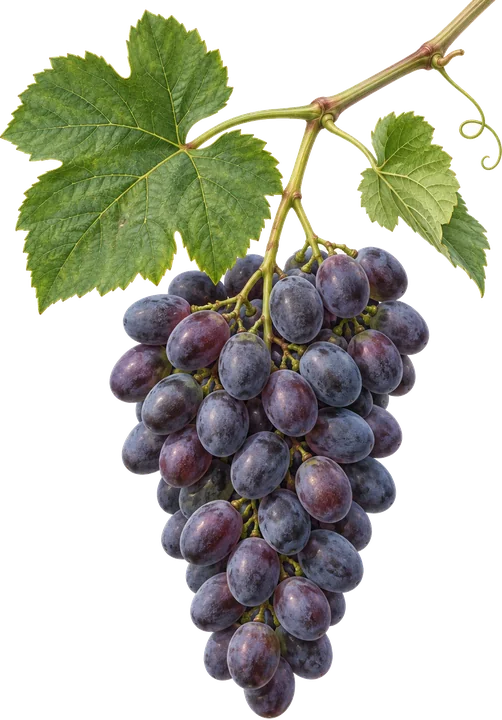
An early seedless variety with a bright taste that does not crack and hangs on the vine for a long time.

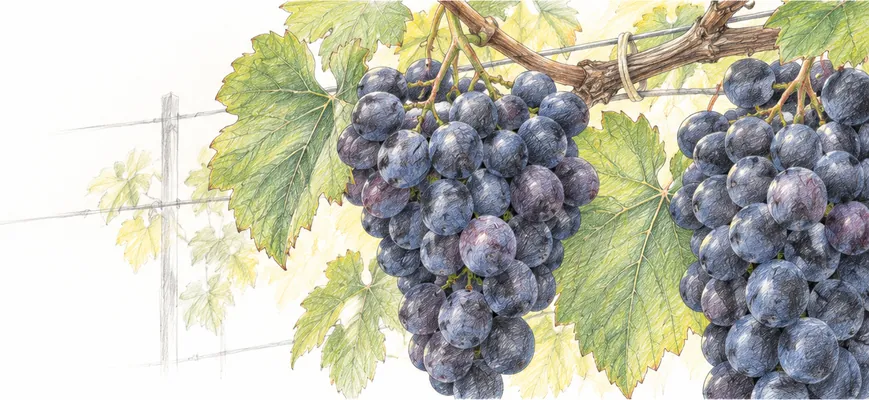
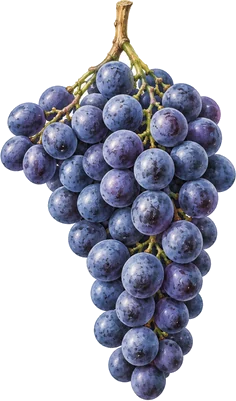
Jupiter: oval reddish-blue berries with a bluish bloom — AI illustration based on photos and the description of the variety
  • Ripening timeEarlylate August — mid-September
  • Berry4–6 gbunch 200–300 g
  • Frost hardiness−24…⁠−28 °Cbelow this, buds die without cover
  • Sugar16–⁠23 Brixacidity not measured
  • 330first-hand observations
  • 90amateur growers
  • 12professionals
  • 11seasons

The season of Jupiter in Belarus

Click a stage to see what happens on the vine, along with real observations.

Scroll the strip to see the whole season

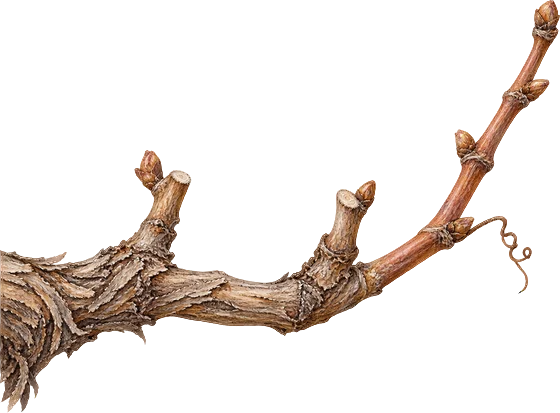
Bud break

April — early May

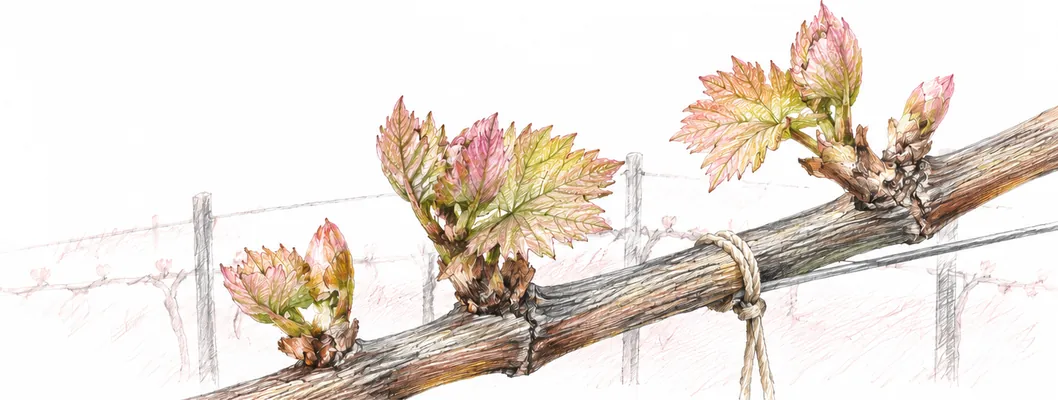
When Jupiter's buds break

Observations by professionals and amateurs, and vine.farm notes
2026
2025
2024
2023
2022
April1020May1020June102027 April7 May
  • professionals
  • amateurs
  • greenhouse
  • buds still dormant

Professionals 13 observations

  1. Minsk Regionsteady warmth above +10 °C from 2 Mayfrosts from −1 to −2 °C, the last on 29 AprilReview for 17 May. At the dacha Jupiter's shoots are still small and woolly, but little bunches are already visible on them. On the second, village plot — more open and light — a young vine already has large shoots and inflorescences at the same time.
  2. Minsk Region, Minsk Districtsteady warmth above +10 °C from 2 Mayfrosts from −1 to −2 °C, the last on 29 AprilInspection on 6 May. On the same vine the shoots on the warm side are already big and pressing against the first wire, while on the cold side they are tiny. The second Jupiter, being raised onto an arch by the house, froze above the cover: only what overwintered in the trench survived.
  3. Minsk Regionsteady warmth above +10 °C from 2 Mayfrosts from −1 to −2 °C, the last on 29 AprilThe cover was partly opened specially for inspection. The buds are alive; only one was frost-damaged. The buds themselves are still very small and only beginning to wake up; by the wall other varieties are noticeably ahead.
  4. Grodno Region, Grodnosteady warmth above +10 °C from 2 Mayfrosts of about −2 °C, the last on 29 AprilThe vine overwintered under a layer of soil; as a check it was dug out in one spot and the buds washed. The buds have not swelled and are still dormant; the bud scale comes off easily. Decision: do not uncover yet, leave it under the soil for another week.
  5. Minsk Region, central Belarussteady warmth above +10 °C from 19 Mayfrosts from −4 to −8 °C, the last on 9 MayMid-May turned out cold, and the cover is not being removed yet. On one vine the part under double spunbond has already put out shoots of 10–15 cm, while the arm that stayed outside is only starting to develop: under the cover both the canes and the soil warm up.
  6. Grodno Region, Grodnosteady warmth above +10 °C from 19 Mayfrosts of about −4 °C, the last on 9 MayThe vine overwintered under cover and got off to a good start: two or three small bunches per shoot. Shoots that touched the spunbond were damaged by the May frosts; surplus shoots on the old arm will be removed.
  7. Grodno Region, Grodnosteady warmth above +10 °C from 19 Mayfrosts of about −4 °C, the last on 9 MayAfter the late spring frosts Jupiter is a pleasure: the vine grows on the east side of the plot, the shoots are already 5–10 cm, and it is time for the first spray. There are many double buds, so thinning will be needed. The neighbouring Pyostry starts growing less well, although most of its buds woke up too.
  8. Minsk Region, Dzerzhinsksteady warmth above +10 °C from 19 Mayfrosts from −4 to −8 °C, the last on 9 MayA vine by a south wall overwintered without cover, woke up and is doing excellently. Shoot thinning is already done: the upper buds are kept and the lower ones will be removed. It is not covered before the frost — down to −5 °C is forecast at ground level, but around zero at a height of two metres.
  9. Minsk Region, Dzerzhinsksteady warmth above +10 °C from 13 Mayfrosts down to −2 °C, the last on 9 MayOutdoors the shoots already have four leaves; soon the canes will be bent over and trained horizontally. In the greenhouse at the same time the shoots have two to four inflorescences.
  10. Minsk Region, DzerzhinskIn a greenhouseIn the greenhouse the shoots have about seven leaves, and Jupiter's leaves are excellent. Outdoors, by a south wall, a seven-year-old vine is also in decent shape; it will be trained onto an improvised gazebo.
  11. Minsk Regionsteady warmth above +10 °C from 11 Mayfrosts from −2 to −3 °C, the last on 8 MayInspection on 9 June. The canes are thick and alive, and the vine was covered for the winter, but the buds have still not opened and are only just starting to grow. The likely cause is last year's overly lush shoots plus frosts: such canes overwinter poorly, and secondary buds without a crop may grow instead of the primary ones.
  12. Vitebsk Region, Novopolotsksteady warmth above +10 °C from 10 Mayfrosts from −4 to −6 °C, the last on 4 MaySpring assessment of overwintering: practically all buds woke up, and the shoots are already growing confidently. On this plot Jupiter is considered a reliable variety — it has never let the grower down.
  13. Vitebsk Region, Novopolotsksteady warmth above +10 °C from 1 Mayfrosts from −1 to −3 °C, the last on 23 AprilThe cover has just been removed, and the straw under it is completely dry. The young vine overwintered without problems: the buds are already swelling.

Amateurs 5 observations

  1. Brest Region, near Breststeady warmth above +10 °C from 2 Mayfrosts from −1 to −2 °C, the last on 29 AprilThe vine was moved in December 2025 and considered dead in spring, but by mid-June it did wake up. By the end of August the shoots are thin, 30–40 cm, with no sign of ripening, although the roots were kept in good condition during transplanting.
  2. Gomel Region, Gomel Districtsteady warmth above +10 °C from 2 Mayfrosts from −1 to −2 °C, the last on 29 AprilIn open ground Jupiter is among the leaders in starting growth: shoots already about 5 cm, on a par with Podarok Nesvetaya, Bazhena, Blestyashchy and Prima Ukrainy.
  3. Vitebsk Region, Vitebsksteady warmth above +10 °C from 2 Mayfrosts from −2 to −3 °C, the last on 29 AprilOn 1 April the winter cover was removed — the buds on Jupiter had already woken up, as had those of several other varieties in open ground. Such an early awakening had never happened on the plot before.
  4. Minsk Region, Minsksteady warmth above +10 °C from 11 Mayfrosts from −4 to −7 °C, the last on 5 MayAt the dacha Jupiter overtook Alpha: Alpha's buds have only become woolly, while Jupiter's have already opened a little and look like tiny cabbages. Such buds will not survive a frost, so the vine was covered with two layers of spunbond: frosts were forecast across the country for 10 May.
  5. Minsk Region, Vileykasteady warmth above +10 °C from 11 Mayfrosts from −4 to −7 °C, the last on 5 MayThe young Jupiter shows no clear signs of awakening yet, like the other recently planted varieties; of the new ones, buds are visible only on Maréchal Foch. The old Alpha is ahead of everyone.

How Jupiter overwinters in different conditions — in the “Winter” stage →

2

Weather, diseases and pests

Professionals 4 observations

  1. Minsk Region, Dzerzhinsksteady warmth above +10 °C from 19 Mayfrosts from −4 to −8 °C, the last on 9 MayThe vine recovered after the May frost: at the end of May good shoots came from the secondary buds, and there were enough surviving primary ones too. In June about half the vine flowered — the half that grew from surviving buds. By 14 September the bunches from the primary shoots had ripened, at about 18 Brix, while those from the secondary ones had not.
  2. Minsk Region, Dzerzhinsksteady warmth above +10 °C from 19 Mayfrosts from −4 to −8 °C, the last on 9 MayA vine by a south wall overwintered without cover, and on 29 April all its buds were alive, the shoots already near the top of the trellis. Before the May frosts it was the only one left uncovered — by 11 May almost all the young growth had frozen, with only a few buds surviving. Under the covers next to it about +7 °C held even at −5 °C outside.
  3. Grodno Region, Grodnosteady warmth above +10 °C from 19 Mayfrosts of about −4 °C, the last on 9 MayThe vine under cover got off to a good start, with two or three small bunches per shoot. But the shoots that touched the spunbond were damaged by the May frosts.
  4. Minsk Regionsteady warmth above +10 °C from 11 Mayfrosts from −2 to −3 °C, the last on 8 MayIn autumn the cane looked ripe, but in spring the primary buds died, and growth came from the reserve buds extremely late — shoots appeared only in June. The crop came very late, although the cane did ripen by autumn. The author attributes this not to the clone but to the condition of this particular vine.

Amateurs 2 observations

  1. Location not specifiedJupiter grew on an arch without cover for three years. After the winter of 2024/25 the primary buds did not wake up; the secondary ones opened later — and the crop was still decent. In 2026 the vines on the arch were again not covered, and in May Jupiter is developing excellently.
  2. Vitebsk Region, Vitebsksteady warmth above +10 °C from 18 Mayfrosts from −4 to −5 °C, the last on 10 MayIn spring the wind tore off the cover, and Jupiter was caught by a frost. It produced flower clusters from secondary buds, but the crop did not have time to ripen by the end of the season. Neighbouring varieties coped with the same frost in different ways.
3

Work on the vine

Professionals 1 observation

  1. Minsk Region, central Belarussteady warmth above +10 °C from 19 Mayfrosts from −4 to −8 °C, the last on 9 MayOne arm of Jupiter was left on an arch by a south-facing brick wall and simply covered with Dornit fabric on frosty nights. It survived the frosts of late April and early May, down to −5 °C: the buds are alive, with perhaps one or two damaged. The wall and the paving slabs beneath it helped; the neighbours' uncovered Jupiter arms were killed completely.

Amateurs 0 observations

Weather in the observation lines is from AgERA5 data for the region: frosts, sum of active temperatures.

Shoot growth

May — June

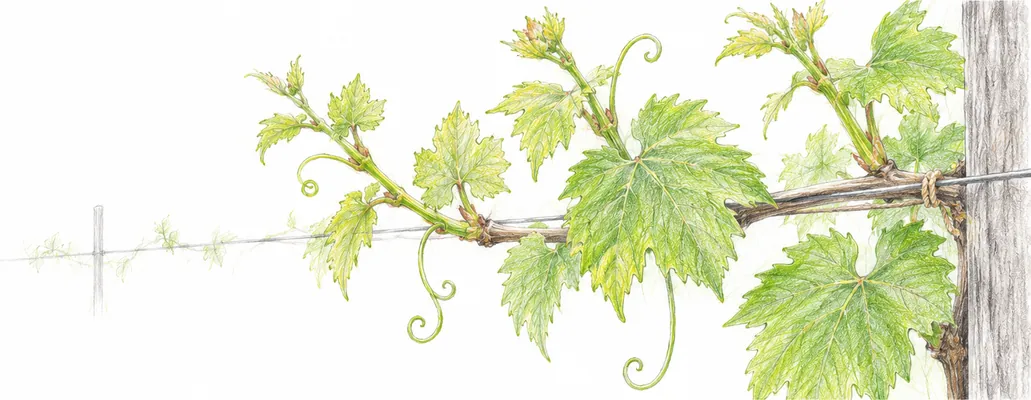
How Jupiter's shoots grow

Observations by professionals and amateurs, and vine.farm notes

Professionals 15 observations

  1. Minsk RegionSAT since 1 April — 585 °C, the season is 7 days behind usualmonthly precipitation — 103 mm, 1.6 times the usual; rain on 9 days of 1420% less sun than usualIn mid-June at the dacha Jupiter's shoots are big, but growth is not a record. On the village plot the shoots are much bigger, and the vine there is already in flower.
  2. Minsk Region, SoligorskSAT since 1 April — 323 °C, the season is 4 days behind usualmonthly precipitation — 76 mm, 1.3 times the usualA vine covered for the winter overwintered excellently: powerful shoots with three or four inflorescences on each. When thinning, the author mostly left two inflorescences per shoot, but there are many shoots.
  3. Minsk Region, Ostroshitsky GorodokSAT since 1 April — 234 °C, as usualmonthly precipitation — 75 mm, 1.4 times the usual20% less sun than usualJupiter is the biggest vine on the plot. A couple of days after uncovering, the shoots were already raised to the third wire, and some are reaching for the fourth. The inflorescences are big this year.
  4. Minsk RegionSAT since 1 April — 185 °C, the season is 6 days behind usualmonthly precipitation — 68 mm, 1.3 times the usual15% less sun than usualOn 17 May at the dacha by a small peat bog and a forest, Jupiter's shoots are still small, although little bunches are already visible. On a spacious, light village plot a young vine already had large shoots and bunches on the same days.
  5. Minsk Region, Ostroshitsky GorodokSAT since 1 April — 136 °C, the season is 9 days behind usualmonthly precipitation — 64 mm, 1.3 times the usualtwo weeks 2 °C warmer than usualBy mid-May Jupiter is the strongest on the plot: huge shoots have passed the top wire. A three-year-old vine by the house, which overwintered the same way in a channel, produced noticeably smaller shoots.
  6. Minsk Region, Ostroshitsky GorodokSAT since 1 April — 101 °C, the season is 5 days behind usualmonthly precipitation — 26 mm, 45% less than usualOn the same vine the shoots on the warm side are huge and already pressing against the first wire, while on the colder side they are tiny.
  7. Minsk Region, DzerzhinskSAT since 1 April — 569 °C, as usualmonthly precipitation — 156 mm, 2.6 times the usual; rain on 10 days of 1415% less sun than usualA vine by a south wall under a canopy: 14 canes, some bigger, others smaller. The cane was thick from the very start. In the author's experience Jupiter is very vigorous both in the greenhouse and outdoors.
  8. Minsk RegionSAT since 1 April — 569 °C, as usualmonthly precipitation — 156 mm, 2.6 times the usual; rain on 10 days of 1415% less sun than usualOn the village plot there are four bunches per shoot, all vigorous; the shoots are trained in two planes. Flowering, by the author's estimate, is a week to ten days away. At the dacha the inflorescences are also big.
  9. Grodno Region, GrodnoSAT since 1 April — 277 °C, as usualmonthly precipitation — 40 mm, 20% less than usualtwo weeks 5 °C colder than usual; nights below +8 °C — 14 of 14Last year, when it rained during flowering, the vine performed poorly and put out few inflorescences. This year almost every shoot has three inflorescences.
  10. Minsk Region, DzerzhinskIn a greenhouseIn the greenhouse the clusters look rich by mid-May, and the laterals are already large. The author warns: this vine drops a lot during flowering every year, so rich inflorescences are not yet a crop.
  11. Minsk Region, DzerzhinskIn a greenhouseIn the greenhouse Jupiter turned out too vigorous: leaves like burdock, solid shade from the vine. The author decided to remove it from the greenhouse and has already planted another variety in its place.
  12. Minsk Region, DzerzhinskSAT since 1 April — 281 °C, the season is 7 days ahead of usualmonthly precipitation — 60 mm, 1.3 times the usualBy mid-May the shoots have almost reached the last wire of the trellis. Only a few lag behind, by about 60 centimetres.
  13. Minsk Region, DzerzhinskIn a greenhouseBy 5 May a young vine in the greenhouse had produced good inflorescences: two or three per shoot, four on some. The author removes the laterals, leaving one leaf on each.
  14. Grodno Region, LidaSAT since 1 April — 742 °C, the season is 21 days ahead of usualmonthly precipitation — 21 mm, 65% less than usualtwo weeks 2 °C warmer than usualLast year the three-year-old vine did not give a single bunch; this year there are many inflorescences and the cane is thick. The author keeps them all: Jupiter's bunches are 200–300 g, and the vine will manage them.
  15. Vitebsk Region, NovopolotskSAT since 1 April — 310 °C, the season is 5 days behind usualmonthly precipitation — 38 mm, 35% less than usual20% more sun than usualAfter the May frosts of 2017 the vine set many inflorescences. Everything shot up in growth — tying up could not keep pace.

Amateurs 1 observation

  1. Grodno Region, GrodnoSAT since 1 April — 672 °C, the season is 4 days behind usualmonthly precipitation — 80 mm, about usual; rain on 9 days of 1420% less sun than usualJupiter is very sensitive to soil warming. In a normal year it grows a metre a week and the bunches are good, but in the cold 2025 and 2026 a vine more than ten years old sits with shoots of 50 cm.
2

Weather, diseases and pests

Professionals 1 observation

  1. Minsk Region, DzerzhinskSAT since 1 April — 572 °C, the season is 6 days behind usualmonthly precipitation — 96 mm, 1.5 times the usual; rain on 8 days of 1420% less sun than usualThis year the grower did not get round to the vine: it was not tied up or guided, and the wind broke off some of the shoots.

Amateurs 0 observations

3

Work on the vine

Professionals 3 observations

  1. Minsk Region, DzerzhinskSAT since 1 April — 311 °C, as usualmonthly precipitation — 74 mm, 1.3 times the usualA vine by a south wall overwintered without cover and came through poorly, so the author is keeping every shoot there is, even the doubles. One excellent shoot has already been half broken by the wind — it had not been tied up yet.
  2. Grodno Region, GrodnoSAT since 1 April — 835 °C, as usualmonthly precipitation — 102 mm, 1.6 times the usualLaterals can be broken off by hand or pinched. On Jupiter the author leaves one leaf on a lateral: the variety's leaves are huge anyway, and the lateral's leaf works for the bunch instead of the main one.
  3. Minsk Region, DzerzhinskIn a greenhouseAfter flowering there is only one job left in the greenhouse — removing laterals. On Jupiter the laterals grow more actively than on other varieties.

Amateurs 0 observations

Weather in the observation lines is from AgERA5 data for the region: sum of active temperatures, precipitation.

Flowering

late May — late June

How Jupiter flowers and sets berries

Observations by professionals and amateurs, and vine.farm notes

When Jupiter's flowering was observed

30 observations with an exact day · 2019–2026

Professionals14 observationsAmateurs16 observations

Scroll the dates ↔

Distribution of observed flowering dates30 observations. Each bar is the number of records over two days. Height and colour intensity grow with the number of records; an empty space means no records.MayJuneJuly202224262830135791113151719212325272913579ProfessionalsAmateurs

Professionals 35 observations

  1. Minsk RegionOn the village plot Jupiter is very pleasing: the bunches are handsome and pollinated well, which the author attributes to rainy weather during flowering. At the dacha, where the vine is crowded, pollination is more modest, but better than in previous years.
  2. Grodno Region, GrodnoJupiter is this year's favourite: it flowered first and set bunches first, and they are filling quickly. Pollination was uneven, and in places the berries got scorched, although the vine was sprayed.
  3. Grodno Region, GrodnoSAT since 1 April — 755 °C, as usualmonthly precipitation — 79 mm, about usualJupiter — the first vine on the plot, in the best spot in the first row — is already flowering. The author is happier with it than with the others: one of the best vines in the row.
  4. Grodno Region, LidaSAT since 1 April — 715 °C, the season is 4 days behind usualmonthly precipitation — 76 mm, about usualJupiter has finished flowering, the berries have set and are approaching pea size. At the start of flowering the author cut the growing tips off all the shoots.
  5. Minsk RegionSAT since 1 April — 572 °C, the season is 6 days behind usualmonthly precipitation — 96 mm, 1.5 times the usual; rain on 8 days of 1420% less sun than usualAt the dacha Jupiter is not yet in flower; its growth is not the strongest this year. On the second, village plot the shoots are much bigger, and it is already flowering there.
  6. Minsk Region, DzerzhinskSAT since 1 April — 560 °C, the season is 6 days behind usualmonthly precipitation — 92 mm, 1.4 times the usual15% less sun than usualA vine by a south wall overwintered without cover, and the author hardly went near it all season. Jupiter is already flowering, and quite well.
  7. Grodno Region, GrodnoSAT since 1 April — 424 °C, the season is 4 days behind usualmonthly precipitation — 70 mm, about usualJupiter flowered first, as always: in the morning there were no flowers, and by afternoon they had opened. Last year it flowered on 31 May, this year three days later; the nights were cold, +12…+15 °C in the daytime.
  8. Minsk Region, SoligorskSAT since 1 April — 323 °C, the season is 4 days behind usualmonthly precipitation — 76 mm, 1.3 times the usualIn open ground Jupiter flowered first together with Somerset, while the rest of the vineyard is not yet in flower. It came through the winter under cover excellently, with three or four bunches per shoot, two left.
  9. Grodno Region, LidaIn a greenhouseIn a large greenhouse Jupiter began flowering, rather early in the author's opinion. Outside it is cold, with occasional frosts, and the greenhouse is closed, so the author set up a fan to move the air for pollination.
  10. Minsk RegionAt the dacha you can see that Jupiter has dropped a lot, but in the author's opinion the bunch will fill out normally; three bunches per shoot. On the village plot the lower bunch is decent, the upper almost bare.
  11. Central BelarusSurprisingly late: Jupiter is just beginning to flower, with the first flowers open on some bunches. No fruit set yet.
  12. Grodno Region, LidaIn open ground Jupiter is flowering, has finished flowering and is dropping all at once, and grey mould on top of that. In the greenhouse the same variety looks much better.
  13. Minsk Region, DzerzhinskIn a greenhouseUsually Jupiter in the greenhouse drops a lot of its clusters: the vine is vigorous and casts a lot of shade. This year, for the first time, it did not drop.
  14. Grodno Region, GrodnoSAT since 1 April — 835 °C, as usualmonthly precipitation — 102 mm, 1.6 times the usualJupiter is flowering actively, with three or four bunches per shoot. Last season a bunch treated with gibberellin reached 700–800 g, a record for the variety.
  15. Minsk Region, DzerzhinskSAT since 1 April — 733 °C, as usualmonthly precipitation — 167 mm, 3.0 times the usual; rain on 10 days of 14Outdoors by a south wall about half the vine is in flower — shoots from buds that survived the frosts. Shoots from secondary buds are not flowering yet. The flower buds outdoors are larger than those in the greenhouse were.
  16. Central BelarusA year ago Jupiter was already flowering by 11 June, but now there is no flowering. Rain before it soaked the ground well; according to the author, a couple more warm days are needed.
  17. Grodno Region, LidaSAT since 1 April — 586 °C, as usualmonthly precipitation — 114 mm, 1.6 times the usual; rain on 10 days of 14In open ground Jupiter was the first of the kishmishes to flower. The week was warm, with +12…+18 °C at night, although there was also a strong wind with rain.
  18. Minsk RegionSAT since 1 April — 569 °C, as usualmonthly precipitation — 156 mm, 2.6 times the usual; rain on 10 days of 1415% less sun than usualJupiter is not yet in flower, but the buds are large: on the village plot, by the author's estimate, flowering is a week to ten days away, at the dacha any moment now. Four inflorescences per shoot.
  19. Grodno Region, GrodnoSAT since 1 April — 430 °C, as usualmonthly precipitation — 94 mm, 1.3 times the usual; rain on 9 days of 14two weeks 2 °C colder than usual; 20% less sun than usualJupiter flowered first of all the selections: the day before everything was closed, and in the morning the caps opened. The author times the pre-flowering spray by it.
  20. Minsk Region, DzerzhinskIn a greenhouseIn the greenhouse Jupiter is flowering abundantly, since the middle of the week according to the author. The two lower bunches on a shoot are in flower, the third and fourth not yet. The author did not spray the flowering vine.
  21. Grodno Region, GrodnoLast year Jupiter pollinated poorly: it rained during flowering, and it put out few inflorescences. This year almost every shoot has three inflorescences.
  22. Minsk Region, Ostroshitsky GorodokSAT since 1 April — 1130 °C, the season is 10 days ahead of usualmonthly precipitation — 82 mm, about usualtwo weeks 3 °C warmer than usual; 15% more sun than usualMost of the bunches pollinated well, with only occasional small berries. The vine on a two-plane trellis is almost 5 m, the load was not thinned; it has been fruiting for four or five years.
  23. Minsk RegionSAT since 1 April — 1035 °C, the season is 9 days ahead of usualmonthly precipitation — 83 mm, 1.4 times the usualWhere the vine is crowded, Jupiter pollinated so-so, but on the whole the bunches are handsome, although the variety is criticised for its pollination. It rained during flowering, and the author thinks that helped.
  24. Minsk Region, DzerzhinskSAT since 1 April — 845 °C, the season is 9 days ahead of usualmonthly precipitation — 68 mm, about usual; rain on 9 days of 14Outdoors by a south wall the dropping is very heavy: some bunches have only five berries left. The vine here was trained differently from the greenhouse.
  25. Grodno Region, GrodnoSAT since 1 April — 852 °C, the season is 12 days ahead of usualmonthly precipitation — 70 mm, about usual; rain on 10 days of 14A three-year-old vine moved a year ago has already finished flowering, and the berries are noticeable. Before flowering it was hot, and once flowering began it rained every other day. Tsimus next to it flowered almost at the same time, Jupiter a little earlier.
  26. Grodno Region, GrodnoSAT since 1 April — 791 °C, the season is 12 days ahead of usualmonthly precipitation — 59 mm, about usual; rain on 10 days of 14A young vine, planted a year ago as a one-year-old plant, is in full flower. The shoots are already at the third wire, with many inflorescences.
  27. Grodno Region, GrodnoSAT since 1 April — 730 °C, the season is 12 days ahead of usualmonthly precipitation — 41 mm, 40% less than usualtwo weeks 4 °C warmer than usualJupiter is in full flower, and the scent is wonderful. The weather is sunny but windless, and according to the author pollination goes better with a breeze.
  28. Minsk Region, DzerzhinskSAT since 1 April — 611 °C, the season is 9 days ahead of usualmonthly precipitation — 36 mm, 40% less than usualtwo weeks 3 °C warmer than usualOutdoors by a south wall under a canopy Jupiter is flowering: four inflorescences per shoot, the fourth not yet open. In the morning bumblebees were flying over the clusters.
  29. Minsk Region, DzerzhinskIn a greenhouseIn the greenhouse Jupiter is finishing flowering and has pollinated unevenly: some bunches are almost bare, others better. The berries on the bunches that set are already fairly large.
  30. Grodno Region, LidaSAT since 1 April — 624 °C, the season is 11 days ahead of usualmonthly precipitation — 28 mm, 60% less than usualtwo weeks 3 °C warmer than usualIn open ground Jupiter is starting to flower, and it flowers well. The canes have grown about one and a half metres. There was a week of heat; now there are light warm rains.
  31. Minsk Region, DzerzhinskIn a greenhouseThe greenhouse Jupiter has finished or is finishing flowering. Pollination cannot be judged yet; the bunch came out loose. A year ago the author pinched the shoots during flowering and, in the author's words, it worked out better.
  32. Minsk Region, DzerzhinskIn a greenhouseIn the greenhouse Jupiter has started flowering: the first inflorescences have opened. The shoots have almost reached the last wire, some lagging by about 60 centimetres.
  33. Grodno Region, LidaIn a greenhouseIn the greenhouse Jupiter has come into flower: the first caps have dropped. It is hot in the daytime, up to 35 °C in the greenhouse, so the author moved the pre-flowering spray to the evening.
  34. Grodno Region, LidaFlowering is prolonged this year, and some varieties dropped heavily. Jupiter dropped a little too, though less than its neighbour, which lost up to 80% of its fruit set.
  35. Grodno Region, LidaSAT since 1 April — 710 °C, the season is 7 days ahead of usualmonthly precipitation — 78 mm, about usualtwo weeks 3 °C warmer than usualBy 10 June Jupiter, 342 and other early varieties are starting to flower. It is warm, with rain; a year ago at the same time there was drought during flowering.

Amateurs 26 observations

  1. Vitebsk Region, Polotsk DistrictSAT since 1 April — 926 °C, as usualmonthly precipitation — 85 mm, about usualtwo weeks 3 °C warmer than usualFlowering is drawn out this year: Jupiter, together with Prima Ukrainy, is still flowering, the very last on the plot. Klubnichny next to it flowered about two weeks earlier and pollinated almost perfectly.
  2. Minsk Region, near MinskIn open ground Jupiter pollinated well. The vine was moved to its permanent spot in autumn as a two-year-old; shoots from lateral spurs have two bunches each.
  3. Gomel Region, GomelAlmost all the varieties pollinated wonderfully, while Jupiter and one other variety have minor problems. The author's other varieties mostly flowered a little earlier.
  4. Location not specifiedSeveral dried-up bunch stems were found on Jupiter. The vine grows in the shadiest spot, and the shoots carrying these bunches are among the strongest; at the start of flowering it was as low as +7 °C at night.
  5. Location not specifiedIn open ground flowering has only just begun, and Jupiter, although it was sprayed, is already partly dropping. In the greenhouse all is well.
  6. Brest Region, BrestSAT since 1 April — 784 °C, the season is 6 days behind usualmonthly precipitation — 53 mm, about usualJupiter, which overwintered under dry cover, has finished flowering: berries of 3–4 mm. It was the only one the author pinched. The vines that overwintered in the soil are only flowering; there is not enough warmth: on Tuesday morning it was still +8 °C.
  7. Grodno Region, Novogrudok DistrictSAT since 1 April — 715 °C, the season is 4 days behind usualmonthly precipitation — 76 mm, about usualIn open ground flowering has only just begun, and Jupiter is first. Before flowering the author topped the vine, and it seemed to flower faster. The greenhouse has already finished flowering.
  8. Location not specifiedIn places Jupiter is dropping its fruit set: if a shoot has three or four bunches, the first and partly the second suffer, while the third and fourth stay intact.
  9. Brest Region, near PinskSAT since 1 April — 740 °C, the season is 6 days behind usualmonthly precipitation — 55 mm, about usual; rain on 9 days of 1415% less sun than usualThis year Jupiter flowered in a cold snap and in the rain, and still pollinated. Even so, the author does not consider it reliable in pollination.
  10. Grodno Region, GrodnoSAT since 1 April — 672 °C, the season is 4 days behind usualmonthly precipitation — 80 mm, about usual; rain on 9 days of 1420% less sun than usualThis year and last the vine seems frozen in place: shoots of 50 cm, and the inflorescences drop. In normal years the bunches are good and growth is a metre a week; the author links this to soil warming.
  11. Location not specifiedIn a greenhouseIn the greenhouse the bunches of a four-year-old Jupiter are badly damaged, although there were two sprays during flowering; neighbouring varieties have normal to excellent bunches, and the later a variety flowered, the better.
  12. Vitebsk Region, VitebskSAT since 1 April — 545 °C, as usualmonthly precipitation — 77 mm, about usual15% less sun than usualOn Jupiter's shoots only the first and second bunches dropped, while the third and fourth are fine. On a neighbouring variety the inflorescences on laterals pollinated without a single drop.
  13. Gomel Region, SvetlogorskA tough year, but Jupiter pollinated well, as did a few other varieties; Arkadia and Veles are only starting to flower.
  14. Mogilev RegionJupiter, Somerset and Preobrazhenie in open ground have finished flowering, while Arkadia, Kodryanka and Geliodor have been in flower for a third week. On the other varieties flowering is so uneven that it may drag on until mid-July.
  15. Minsk Region, BorisovSAT since 1 April — 748 °C, as usualmonthly precipitation — 167 mm, 2.8 times the usual; rain on 9 days of 14In Borisov Jupiter is just beginning to flower, together with two other early varieties. The rest of the grapes, by the author's estimate, will flower in a week.
  16. Location not specifiedBecause of the rain and cold the vine was never uncovered, and Jupiter flowered under cover. Some bunches dried up — the author suspects heat and dryness under the film; others pollinated after watering and ventilation.
  17. Grodno Region, GrodnoSAT since 1 April — 642 °C, as usualmonthly precipitation — 117 mm, 1.6 times the usual; rain on 9 days of 14The author's season is behind last year, perhaps by more than three weeks. Jupiter is developing better than all the others, but it seems it will only flower in a week.
  18. Location not specifiedMore than half of the author's varieties have already finished flowering, while Jupiter is only getting ready to flower, although the shoots were not damaged by frost anywhere. The author is surprised by the early flowering of Jupiter that others write about.
  19. Gomel Region, RechitsaSAT since 1 April — 667 °C, as usualmonthly precipitation — 127 mm, twice the usual; rain on 11 days of 14Flowering began on 9 June, and Jupiter flowered first; two days later Kataloniya, then other varieties. This was after repeated May frosts that damaged some of the vines.
  20. Brest Region, BrestSAT since 1 April — 459 °C, as usualmonthly precipitation — 75 mm, 1.4 times the usualtwo weeks 3 °C colder than usual; 25% less sun than usualIn open ground Jupiter is starting to flower, while Kodryanka next to it is still at five or six leaves. The other varieties have grown to the third or fourth wire.
  21. Location not specifiedIn a greenhouseIn the greenhouse this year almost everything pollinated poorly, except Jupiter. The author thinks it is the spot: the vine grows at the edge, by the door.
  22. Mogilev Region, near MogilevSAT since 1 April — 601 °C, the season is 6 days ahead of usualmonthly precipitation — 33 mm, 45% less than usualtwo weeks 3 °C warmer than usualIn open ground near Mogilev Jupiter is just beginning to flower, while Brianna is already finishing. In the author's greenhouse the early varieties are finishing flowering.
  23. Grodno Region, GrodnoSAT since 1 April — 527 °C, the season is 10 days ahead of usualmonthly precipitation — 22 mm, 60% less than usual20% more sun than usualA ten-year-old vine flowered on 26 May, when the shoots and internodes were still short. After flowering, from the author's long experience, it shoots up sharply.
  24. Gomel Region, LelchitsySAT since 1 April — 488 °C, the season is 4 days ahead of usualmonthly precipitation — 30 mm, 45% less than usualIn open ground, where the vines sit in trenches and late spring frosts cannot harm them, Jupiter flowered on 25 May.
  25. Location not specifiedA month and a half without a drop of rain, so watering is needed. The grapes are in full flower, while Jupiter has already finished flowering.
  26. Location not specifiedOn 23 June at three in the afternoon it is +36 °C, and Jupiter is in full flower with huge clusters. Other varieties are only shedding their caps; the vine holds up, and the leaves do not wilt even at the tips.
2

Weather, diseases and pests

Professionals 2 observations

  1. Grodno Region, GrodnoThe main vine pollinated very poorly: there was rain and cold during flowering, and many bunches dropped completely, although a year ago everyone admired this vine. A second vine, bought separately, pollinated somewhat better.
  2. Grodno Region, LidaSAT since 1 April — 1033 °C, the season is 10 days ahead of usualmonthly precipitation — 59 mm, about usualtwo weeks 4 °C warmer than usual; 20% more sun than usualAfter two weeks of heat during flowering Jupiter partly suffered: berries dropped from some of the bunches. Not all bunches were caught by the heat; the rest pollinated.

Amateurs 5 observations

  1. Location not specifiedJupiter's inflorescences partly dried up, although there had been sprays against disease and with boron. The weather during flowering was awful: downpours, cold nights, gusty wind.
  2. Gomel Region, SvetlogorskIn places the grapes dropped from the heat during flowering, and Jupiter and Merlot were the most battered. Arkadia and Kodryanka are holding up well.
  3. Vitebsk Region, PolotskFor the second year running the inflorescences of Jupiter and several other varieties are drying up in open ground, although the author sprayed against rot. This does not happen in the greenhouse; last summer was cold and wet.
  4. Grodno Region, Novogrudok DistrictOn Jupiter's shoots the two lower bunches dropped completely, while the upper ones pollinated excellently. The author blames the May frosts.
  5. Minsk Region, near ZaslavlThe author dissected a flower from a diseased Jupiter inflorescence: the shade was darker, with fungus inside, and the pollen in the anthers had rotted. Why this happened is unknown, although there had been three preventive sprays.
3

Work on the vine

Professionals 5 observations

  1. Grodno Region, GrodnoThe row treated with gibberellin flowered two or three days earlier than the untreated one. Pollination this year is even, the berries are filling evenly, and there is no millerandage like last year.
  2. Minsk RegionIn the past the author's Jupiter never pollinated properly. This year the tips were pinched before flowering, and the bunches are good all over the vine, with only parts of some bunches dried up here and there. The author thinks a combination of conditions worked.
  3. Grodno Region, GrodnoLast year the author treated one bunch with gibberellin, and it came out much larger. This year the author treated a whole side of the vine: the bunches there are a kilogram each, while on the untreated side they are small and dropping.
  4. Minsk Region, DzerzhinskIn a greenhouseIn the greenhouse the author pinched the growing tip when Jupiter began flowering. Three weeks later the vine was a pleasant surprise: the bunches were dense and had hardly dropped — the only other time it was like this was in the vine's third year.
  5. Minsk Region, DzerzhinskIn a greenhouseIn the greenhouse Jupiter dropped a lot of its fruit set every year. This year the author pinched the shoots during flowering, leaving 11 internodes, and the vine is dropping noticeably less: the crop will be decent.

Amateurs 6 observations

  1. Location not specifiedThis year Jupiter dropped half of its fruit set. That did not happen in previous years: the author used to pinch the tips before flowering, but did not get round to it this time.
  2. Minsk Region, Maryina GorkaSAT since 1 April — 867 °C, the season is 4 days behind usualmonthly precipitation — 81 mm, about usualtwo weeks 3 °C warmer than usual; 15% more sun than usualJupiter is beautiful this year. The author sprayed it with a fungicide, a fertiliser with micronutrients, boric acid and zinc sulphate, but does not know whether it was the programme or the weather during flowering that helped.
  3. Vitebsk Region, VitebskIn the past Jupiter's inflorescences dropped even before flowering; neither micronutrients, nor pinching, nor frequent sprays helped. Last year the author treated them with gibberellin at the elongation stage, and not a single bunch suffered.
  4. Vitebsk Region, VitebskSAT since 1 April — 545 °C, as usualmonthly precipitation — 77 mm, about usual15% less sun than usualJupiter's inflorescences are drying and dropping this year, but only those not treated with gibberellin; those treated at the elongation stage are flowering and look beautiful. The author does not know why.
  5. Minsk Region, near ZaslavlThe author had never tried pinching before flowering. This year the author pinched half the vine: the unpinched half is already flowering, while the pinched half is in no hurry.
  6. Location not specifiedLast year light pinching before flowering did not help, and pollination was terrible. This year, without pinching, a strong shoot dropped almost everything, while a similar one, accidentally broken two weeks before flowering, pollinated beautifully.

Weather in the observation lines is from AgERA5 data for the region: sum of active temperatures, precipitation.

Berry growth

July

How Jupiter's berries fill

Observations by professionals and amateurs, and vine.farm notes

Professionals 13 observations

  1. Grodno Region, GrodnoThis year Jupiter's berries are all elongated, not round. The author likes their shape and size better than last year.
  2. Grodno Region, LidaA row of Jupiter in open ground dropped a little: weak bunches hang next to handsome ones, and all the bunches on the vine are different.
  3. Grodno Region, GrodnoThe biggest bunch this year is about 400–500 grams, with smaller ones too. Berries on the scales — 7.3 and 5.4 g, on average 6–7 g, larger than given for the variety.
  4. Minsk Region, SamokhvalovichiIn a greenhouseIn the institute's greenhouse in Samokhvalovichi Jupiter showed millerandage this year. The greenhouse stands in a hollow, and everything in it grows worse than in the neighbouring one.
  5. Minsk Region, SoligorskA large Jupiter berry on the scales — 3.94 g, about 4 g. Syomushka and Vasilyok, with which it was compared, have berries two to three times heavier.
  6. Grodno Region, GrodnoJupiter's bunches are very good this year: the berries do not squeeze one another. They mostly ripen evenly, although green berries still occur.
  7. Minsk Region, DzerzhinskOutdoors by a south wall Jupiter is troublesome: the bunches are loose, it drops berries, and some bunches have only 10 berries. Compact bunches appeared on this vine for the first time.
  8. Grodno Region, LidaIn open ground Jupiter did not do well this season: after flowering it dropped, the berries showed millerandage, and the bunches turned out odd. In the greenhouse it does noticeably better for this author.
  9. Grodno Region, GrodnoThis year Jupiter pollinated better than last year: no millerandage in the bunches. A year ago at the same time the bunches had small, underdeveloped berries.
  10. Grodno Region, GrodnoSAT since 1 April — 1391 °C, the season is 11 days ahead of usualmonthly precipitation — 73 mm, about usualtwo weeks 2 °C warmer than usualThe vine was planted as a one-year-old plant in May 2023 and has already given a crop — the only one in the young vineyard. The berries drop a little, but there are enough bunches on the vine.
  11. Grodno Region, GrodnoWeighing on 28 August: Jupiter's largest berries weigh about 6 g, medium ones almost 5 g, small ones 3 and 2.5 g.
  12. Grodno Region, LidaJupiter's bunches under load are nice this year: about 500 grams each by eye. The berry has already started colouring.
  13. Grodno Region, LidaThe largest Jupiter bunch in the 2018 seasons weighed 640 g, although the variety description gives bunches of 300–400 g. The berry is very sweet.

Amateurs 4 observations

  1. Grodno Region, GrodnoThis year there is less millerandage, the bunches are larger, and the load is about three times as heavy as last year. No dropping so far, unlike last year. The soil is loam.
  2. Gomel Region, GomelJupiter's berry is slightly larger than that of the selection Aleks. On over-pollinated bunches Jupiter squeezes berries out of the bunch, and the berry detaches dry.
  3. Gomel Region, GomelNear Gomel Jupiter this season is the same as in the video author's open ground: it dropped and shows millerandage.
  4. Brest RegionDuring prolonged flowering Jupiter dropped heavily, like Antoshka and Gurman Ranny. But the berries that remain on Jupiter grow large.
2

Weather, diseases and pests

Professionals 3 observations

  1. Grodno Region, LidaSAT since 1 April — 1042 °C, the season is 6 days behind usualmonthly precipitation — 157 mm, 1.9 times the usualCold and rain: after flowering almost all varieties dropped a few berries. Grey mould hit Jupiter again, as a year earlier — part of the fruit set dried up.
  2. Grodno Region, LidaSAT since 1 April — 1528 °C, as usualmonthly precipitation — 76 mm, about usualtwo weeks 2 °C warmer than usualJupiter got hit this year: grey mould in the middle of the bunches and a new flush of downy mildew sporulation at the edges. The berries are still completely green.
  3. Grodno Region, LidaSAT since 1 April — 914 °C, as usualmonthly precipitation — 65 mm, about usualtwo weeks 5 °C warmer than usual; 20% more sun than usualA couple of days after night-time rains, grey mould spread on the Jupiter vine. Not long ago the fruit set was clean; now part of it is affected and drying.

Amateurs 2 observations

  1. Location not specifiedFor the second year the author is seeing grey mould on Jupiter both in open ground and in the greenhouse. The author is now thinning the fruit set.
  2. Location not specifiedThere was grey mould on Jupiter both last year and this year, but last year it was especially severe: some bunches were lost almost completely.
3

Work on the vine

Professionals 7 observations

  1. Grodno Region, GrodnoLast season this vine was overloaded, and Jupiter did not have time to ripen. The author considers the first crop, in 2024, the best, although the bunches were loose then.
  2. Grodno Region, GrodnoJupiter's bunches are about 300 g, so the author leaves three per shoot — about a kilogram in total. The author does not remove even the third, very small bunch.
  3. Minsk Region, Ostroshitsky GorodokOn the second plot Jupiter was left unthinned: three or four bunches per shoot, about 200 grams each — around a kilogram per shoot. With one or two bunches the berry would be larger.
  4. Grodno Region, GrodnoJupiter's vigour is very high, and in the author's experience thinning it is optional: the vine manages up to four bunches per shoot, and the cane ripens superbly.
  5. Gomel Region, GomelA grower in Gomel keeps Jupiter under an unthinned load — three, sometimes four bunches per shoot — and the vine manages them.
  6. Brest Region, PinskFirst crop: the vine's owner read that thinning is not needed and left everything that set. The vine is powerful and copes with the load.
  7. Grodno Region, LidaJupiter's bunches are not large — 200–300 g, at most up to half a kilo. That is why the vine copes with the load.

Amateurs 8 observations

  1. Grodno Region, Novogrudok DistrictAfter gibberellin Jupiter coloured earlier and ripened faster. In the author's experience, ripening is held back not by the product itself but by the enlarged bunch.
  2. Grodno Region, GrodnoThe author treated several bunches twice with gibberellin: Bravissimo responded best, followed by Jupiter. Dropping still occurred.
  3. Brest Region, IvanovoTwo vines from different sources: the vine from Kyiv gives berries of 7–9 g, the vine from Pinsk 4–5 g, both without gibberellin. With gibberellin some berries reached 10–11 and up to 7 g. Six vines of only the large-berried one were kept on the plot.
  4. Minsk Region, south of MinskThe author does not thin the crop of Jupiter: the vine manages two or even three bunches per shoot. The berry is small, but has no seed traces.
  5. Location not specifiedA six-year-old vine last season: 25 shoots and 52 bunches, three or four per shoot. The author did not thin it — the vine managed everything excellently.
  6. North-east of BelarusLast season the author left all four bunches on one Jupiter shoot as a test — the shoot managed them easily.
  7. Gomel Region, GomelA mature vine under a full load — two or three full bunches per shoot. At the end of July they are not yet fully coloured and need to hang for about three weeks.
  8. North-east of BelarusIn a greenhouseThe vine in the greenhouse is in its third year, and this is already its second crop. The author loaded it to the maximum so that it would not grow too lush: in places three bunches per shoot, and some bunches were shortened so they would not touch the ground.

Weather in the observation lines is from AgERA5 data for the region: sum of active temperatures, precipitation.

Colouring

late July — August

How Jupiter's berries change colour

Observations by professionals and amateurs, and vine.farm notes

Professionals 23 observations

  1. Grodno Region, GrodnoSAT since 1 April — 2030 °C, the season is 5 days behind usualmonthly precipitation — 62 mm, about usualSugar 17 Brix: the berry is sweet, caramel-like, with no muscat yet and a touch of acidity left. Without the rain, according to the author, Jupiter would already be ripe.
  2. Minsk RegionSAT since 1 April — 1664 °C, the season is 7 days behind usualmonthly precipitation — 46 mm, 35% less than usualJupiter behind the leaves has also started colouring. The bunches are good this year — better than in previous years. The cane is already turning yellow.
  3. Grodno Region, GrodnoSAT since 1 April — 1531 °C, the season is 4 days behind usualmonthly precipitation — 97 mm, about usualJupiter was the third on the plot to start colouring, although it flowered first. The bunches are handsome and developing well.
  4. Grodno Region, LidaSAT since 1 April — 1444 °C, the season is 5 days behind usualmonthly precipitation — 108 mm, 1.3 times the usualIn open ground Jupiter is completely green, with no colour, although by the calendar it should already be colouring. Charlie, the latest on the plot, has already started to colour.
  5. Grodno Region, GrodnoSAT since 1 April — 2454 °C, the season is 19 days behind usualmonthly precipitation — 25 mm, 55% less than usualThe last bunches of the season: Jupiter reached 16–18 Brix, and that is all it will get. Last year this vine had 22–23 Brix.
  6. Central BelarusOn the arch Jupiter is already colouring but has not developed its flavour at all yet. If good weather holds for a couple of weeks, it will have time to ripen.
  7. Minsk Region, DzerzhinskIn a greenhouseSugar 18 Brix: the berry is already quite sweet, but the skin is sour, so the bunches are still hanging. Jupiter is not colouring very well, but the clusters are good this year.
  8. Minsk RegionSAT since 1 April — 1883 °C, the season is 6 days behind usualmonthly precipitation — 97 mm, 1.5 times the usualtwo weeks 2 °C colder than usualOn the village plot Jupiter's first pink berries appeared on 23 August, while at the dacha it started colouring about a week earlier, although the village is a little further south.
  9. Central BelarusOn 22 August there is still no colouring or softening of the berries. According to the author, there was no summer: cool, with rain every other day.
  10. Minsk Region, DzerzhinskIn a greenhouseIn a week the sugar rose by four units — to 14 Brix. The colour became a little more intense, but in the author's greenhouse Jupiter never colours fully.
  11. Central BelarusThere is not even a hint of colouring or softening of the berries, although a year ago at this time Jupiter was already colouring actively. Pollination went worse at the bottom of the vine than at the top.
  12. Minsk Region, DzerzhinskIn a greenhouseIn the greenhouse Jupiter is colouring very poorly — in patches — and in the author's experience it will not colour any further. Sugar 10 Brix, no disease.
  13. Grodno Region, GrodnoSAT since 1 April — 1658 °C, as usualmonthly precipitation — 130 mm, 1.7 times the usual; rain on 9 days of 14Jupiter is still green and has not started colouring anywhere, although many bunches have set — two or three each. A year ago by this date it was already black and about 16 Brix.
  14. Minsk Region, DzerzhinskIn a greenhouseIn the greenhouse Jupiter is slowly filling and colouring, sugar 9 Brix. No split berries, and the berry is free of disease this year.
  15. Minsk Region, SoligorskSAT since 1 April — 1548 °C, the season is 4 days behind usualmonthly precipitation — 154 mm, 1.8 times the usualJupiter is colouring in full swing. The berries have a little millerandage: when crowded it has pollination issues. But there are also many good, full bunches.
  16. Minsk RegionSAT since 1 April — 1913 °C, the season is 11 days ahead of usualmonthly precipitation — 89 mm, about usualAt the dacha Jupiter's bunches are practically fully coloured, while on the other plot, only 30 km away, it is just starting to colour. The cane is turning yellow normally.
  17. Minsk Region, DzerzhinskIn a greenhouseIn the greenhouse the sugar is about 13 Brix. Jupiter is not colouring very intensely, as if it has paused, although the berry is already large, soft and tasty.
  18. Minsk Region, DzerzhinskIn a greenhouseIn the greenhouse Jupiter has started colouring and the berry is softening. The sugar is still low — 6 Brix. No disease on the bunches.
  19. Grodno Region, LidaSAT since 1 April — 1513 °C, as usualmonthly precipitation — 60 mm, 25% less than usual; rain on 10 days of 14Jupiter has started colouring a little, together with Charlie and Athos. The weather is unkind: cold and damp, with an outbreak of downy mildew on neighbouring vines.
  20. Minsk Region, DzerzhinskIn a greenhouseIn the greenhouse by 17 July Jupiter had begun colouring well. A year later, in 2024, colouring had only just started by the same date.
  21. Grodno Region, LidaSAT since 1 April — 1650 °C, the season is 9 days behind usualmonthly precipitation — 61 mm, 25% less than usualIn open ground Jupiter has started colouring. After flowering it dropped a little, but on the whole its bunches are relatively good.
  22. Grodno Region, LidaSAT since 1 April — 1415 °C, the season is 9 days behind usualmonthly precipitation — 36 mm, 60% less than usualIn open ground almost nothing is colouring yet, but Jupiter has changed colour a little — the first to do so. There is no warmth: July again brought two cold weeks.
  23. Grodno Region, LidaSAT since 1 April — 1730 °C, the season is 6 days ahead of usualmonthly precipitation — 61 mm, 30% less than usualOn 4 August Jupiter is colouring unevenly: some berries have changed colour more, others less. The canes of the vine are also starting to ripen.

Amateurs 7 observations

  1. Minsk Region, BorovlyanySAT since 1 April — 1961 °C, the season is 9 days behind usualmonthly precipitation — 51 mm, about usualIn Borovlyany, north-east of Minsk, Jupiter has only just started colouring. It has another month to hang and will be ripe in October.
  2. Grodno Region, suburb of GrodnoSAT since 1 April — 2010 °C, the season is 6 days behind usualmonthly precipitation — 63 mm, about usualIn open ground not all Jupiter bunches have coloured yet. Baikonur is already in colour, and wasps are attacking Aladdin and Arkadia.
  3. Minsk Region, BorovlyanySAT since 1 April — 2404 °C, as usualmonthly precipitation — 20 mm, 55% less than usualThere is no warmth: the blueberries have not ripened, the quince is green, and Jupiter has started colouring only in places. It was −2 °C at night, and −4 °C is forecast for tomorrow.
  4. Grodno Region, GrodnoSAT since 1 April — 2359 °C, as usualmonthly precipitation — 62 mm, about usualtwo weeks 3 °C warmer than usualThe sugar on 18 September is almost the same as on 11 August last year. Back then Jupiter reached 21–23 Brix by September; this year those figures are far off.
  5. Grodno Region, Novogrudok DistrictSAT since 1 April — 1820 °C, as usualmonthly precipitation — 101 mm, 1.4 times the usualJupiter is still green: on two bunches only one berry each has started changing colour. The plot is a cold, damp hollow by two rivers, a north-facing slope, clay.
  6. Location not specifiedIn a greenhouseIn the greenhouse only Rombik and Jupiter of all the varieties are starting to colour, and even then the berry has not reached its size yet.
  7. Minsk Region, DzerzhinskIn a greenhouseIn the greenhouse selected Jupiter berries showed 18 Brix: sweet, but the skin is still a bit sour, so another week of hanging. By the south wall in open ground it is not ripe yet.
2

Weather, diseases and pests

Professionals 3 observations

  1. Minsk Region, Ostroshitsky GorodokWasps gnaw the berries of neighbouring varieties but somehow leave Jupiter alone — just as with Milanka. The author bags the other varieties.
  2. Grodno Region, GrodnoBirds worked Jupiter over thoroughly — they clearly like the berry. The crop has already been cut; only the bunches the author kept for themselves in bags remained intact.
  3. Minsk Region, DzerzhinskIn a greenhouseJupiter's crop in the greenhouse is hanging well, but snails have started eating it, and thrushes follow them and finish off the berries. There were no bags on the bunches.

Amateurs 7 observations

  1. Gomel Region, Gomel DistrictA hornet invasion: first they went for Arkadia, then for Blestyashchy. Many berries on Jupiter's last bunch were bitten — three hornets were sitting on it at once.
  2. Location not specifiedThe bags have been on for about ten days: the wasps started with the unripe Arkadia and Helena, then went for the rest. Only Jupiter was left unbagged — they are not touching it yet.
  3. Grodno Region, GrodnoThe birds are rampant this year: half of the Jupiter has already been pecked, although the berry still tastes acidic. They are not touching the red and white grapes yet.
  4. Minsk Region, Dzerzhinsk DistrictOn sand Jupiter ripened early and hung for a long time, but in the second half of September wasps and flies took to it — the crop had to be taken back from them.
  5. Minsk Region, east of MinskThe 2023 seasons by a wall: Jupiter ripened at the end of August, the last bunches were picked on 12 October, sugar 23 Brix. Neither wasps nor birds touched it.
  6. Minsk Region, Logoisk DistrictBirds peck Jupiter even through the bags. In open ground here it ripened properly only in 2023.
  7. Minsk Region, PraleskiIn a greenhouseIn the greenhouse the wasps hardly touched Jupiter — the crop was picked intact. Outdoors by the south wall of a shed the wasps did not let the grapes hang to the end.
3

Work on the vine

Professionals 1 observation

  1. Minsk RegionBirds pecked Jupiter badly in literally one day: the day before yesterday everything was intact. The vine had to be covered with netting urgently.

Amateurs 1 observation

  1. Location not specifiedIn three days birds pecked almost all the grapes: the seedless one completely, and half of the ripening Jupiter, Dynka and Aladdin. The author put what was left into bags and cut the rest as it was.

Weather in the observation lines is from AgERA5 data for the region: sum of active temperatures, precipitation.

Ripening and harvest

late August — mid-September

Sugar, taste and harvest time of Jupiter

Observations by professionals and amateurs, and vine.farm notes

When Jupiter ripens

56 observations without greenhouses · 2017–2026

Professionals21 observationsAmateurs35 observations

still ripeningripealready cutapproximate date

Scroll the dates ↔

What state the bunches were found in56 observations. A drop is one observation: filled — bunches ripe, hollow — still ripening, cross — already cut. Harvest window from 13 August to 15 September.harvest window · 13 August — 15 SeptemberAugust510152025September510152025October51015ProfessionalsAmateurs

Professionals 32 observations

  1. Grodno Region, GrodnoSAT since 1 April — 2110 °C, the season is 5 days behind usualmonthly precipitation — 76 mm, about usualOn the whole Jupiter has not finished ripening, although some bunches can already be cut. In the author's experience it makes excellent raisins.
  2. Grodno Region, GrodnoIn cross-section there is neither a seed nor a seed trace — a complete kishmish. Sugar 17 Brix: Jupiter has not yet reached its norm of about 20 Brix.
  3. Minsk Region, SoligorskBiting into Jupiter takes some effort — the skin stretches. The taste is bright and rich, with an aftertaste people call Isabella-like; many are delighted with it.
  4. Minsk Region, SoligorskSAT since 1 April — 1853 °C, the season is 7 days behind usualmonthly precipitation — 50 mm, 25% less than usualIn open ground Jupiter is about 90% ripe: already very edible, and if it hangs longer it will become even sweeter.
  5. Minsk Region, DzerzhinskIn a greenhouseBy 27 September only about four bunches had been picked from the greenhouse vine, although a decent crop is still hanging. The cane has fully ripened.
  6. Minsk RegionSAT since 1 April — 2393 °C, as usualmonthly precipitation — 28 mm, 45% less than usualtwo weeks 3 °C warmer than usualThe first bunches are fully ripe: a bright taste — jelly sweets, strawberry — and no astringency left in the skin. Other bunches need to ripen a little more.
  7. Minsk RegionSAT since 1 April — 2353 °C, as usualmonthly precipitation — 28 mm, 45% less than usualtwo weeks 3 °C warmer than usualJupiter's bunches are uneven, as always. The bluer ones are ripe — sweet and aromatic, with a slightly astringent skin. Those that pollinated later are still pinkish and not ripe.
  8. Central BelarusJupiter usually ripens here in early September, but in 2025 it was still not quite ripe on 20 September: the berries are edible but need more sugar and flavour.
  9. Minsk Region, SoligorskSAT since 1 April — 2296 °C, as usualmonthly precipitation — 28 mm, 45% less than usualtwo weeks 4 °C warmer than usualThe bunches can already be cut — very tasty, although so far they are being tasted selectively. Two bunches per shoot were left; pollination this season was mediocre, and the bunches vary.
  10. Minsk Region, DzerzhinskSAT since 1 April — 2266 °C, as usualmonthly precipitation — 20 mm, 60% less than usualtwo weeks 4 °C warmer than usualBy a south wall under a canopy Jupiter is partly ripe: 18 Brix, the skin has already lost its acidity, and it is tastier than in the greenhouse. There the acidity in the skin has not gone yet.
  11. Grodno Region, GrodnoSAT since 1 April — 2285 °C, as usualmonthly precipitation — 44 mm, about usualtwo weeks 4 °C warmer than usualThe berry is practically ripe, although the author's Jupiter is usually very early — everything is delayed this year. There is almost no load, and the vine is surging: even the bunches on laterals were left.
  12. Grodno Region, LidaIn a greenhouseIn the greenhouse Jupiter can be cut in about two days: the flavour is there, and the load too. The right arm of the vine is especially good.
  13. Minsk Region, Ostroshitsky GorodokJupiter's drawback is that the skin is a little tough. But in rows where the vine gets 5 m, the load is good, the bunches are good and the berry is fairly large.
  14. Minsk RegionOn the village plot on 22 September Jupiter fell slightly short: the astringency of the skin can be felt. The vine here is younger, not watered, and also lags in cane ripening.
  15. Minsk Region, DzerzhinskIn a greenhouseIn the greenhouse Jupiter's skin is already tasty, and for the author the grape itself is becoming cloyingly sweet. In the greenhouse it does not colour fully, only in patches.
  16. Minsk Region, Ostroshitsky GorodokSAT since 1 April — 2336 °C, the season is 20 days ahead of usualmonthly precipitation — 29 mm, 50% less than usualtwo weeks 4 °C warmer than usual; 15% more sun than usualOn the second plot Jupiter is already dark, but it will hang until it turns completely black. Nobody is touching it here yet.
  17. Grodno Region, GrodnoSAT since 1 April — 2034 °C, the season is 13 days ahead of usualmonthly precipitation — 109 mm, 1.5 times the usualSelective tasting: some bunches are already ripe, others not yet. Still, it adds up to a very early ripening time.
  18. Minsk Region, SoligorskSAT since 1 April — 1822 °C, the season is 11 days ahead of usualmonthly precipitation — 84 mm, about usualJupiter is very early, but it is not being cut yet: it needs to hang a little and develop flavour. People come to the house for it; it is not taken to the market.
  19. Grodno Region, LidaIn a greenhouseIn the greenhouse Jupiter is ripe and can be cut. The author gave it plenty of room, the load is good, ripening is good and the taste is excellent.
  20. Minsk Region, Ostroshitsky GorodokChildren and guests love the taste: if you try Jupiter first, the other varieties seem bland. Almost a hundred percent seedless — the small seed traces cannot be felt when eating.
  21. Grodno Region, LidaSAT since 1 April — 2196 °C, as usualmonthly precipitation — 72 mm, about usualtwo weeks 3 °C warmer than usualIn open ground Jupiter has practically all been cut, with about ten percent left. It is in demand at the market — it has a peculiar, unique taste.
  22. Grodno Region, GrodnoSAT since 1 April — 1949 °C, as usualmonthly precipitation — 79 mm, about usualSome bunches are ripe, others need to hang longer: everything is uneven this year, and the shoots developed haphazardly. Jupiter's muscat is strawberry-like, with a light labrusca note.
  23. Minsk Region, SoligorskSAT since 1 April — 1908 °C, as usualmonthly precipitation — 97 mm, 1.5 times the usualOutdoors some of Jupiter's bunches are already tasty, others need a little more. The variety is very early, year after year.
  24. Grodno Region, LidaAt a tasting of home-made wines, the wine from Jupiter was unexpectedly liked. The participants concluded that it can be planted for wine too.
  25. Grodno Region, GrodnoMuscat Izyumsky's skin is tough, but seems a little thinner than that of Jupiter, one of its parents.
  26. Minsk Region, SoligorskSAT since 1 April — 2077 °C, the season is 11 days behind usualmonthly precipitation — 9 mm, 85% less than usual; two weeks without rainnights below +8 °C — 7 of 14; 15% more sun than usualBy 8 September Jupiter has practically all been cut — there is almost nothing to show; a couple of bunches remain on the vine.
  27. Minsk Region, Ostroshitsky GorodokSAT since 1 April — 1999 °C, the season is 6 days behind usualmonthly precipitation — 35 mm, 40% less than usual; two weeks without raintwo weeks 4 °C warmer than usual; 20% more sun than usualJupiter is practically ripe: the upper berries are already sweet, but it needs a few more days. The vines are powerful, so they were not thinned — everything that set was left.
  28. Grodno Region, GrodnoRaisins from the 2021 crop turned out well: plenty of flesh remained, and Jupiter's characteristic strawberry note was preserved. In taste, perhaps the best of those shown.
  29. Grodno Region, GrodnoJupiter's seed traces are as usual but can be chewed — it is hard to call them seeds. The flesh is juicy, with plenty of juice. The skin may remain in the mouth, which some people do not like.
  30. Minsk Region, SoligorskSAT since 1 April — 1976 °C, the season is 12 days behind usualmonthly precipitation — 64 mm, about usual; rain on 10 days of 14On 3 September Jupiter is ready to eat and is already being cut. The leaves around the bunches were never removed — there was no time.
  31. Grodno Region, LidaSAT since 1 April — 2271 °C, the season is 10 days ahead of usualmonthly precipitation — 79 mm, about usualtwo weeks 3 °C warmer than usual; 25% more sun than usualJupiter has caught up with the earliest on the plot: the acidity has gone, sugar can be tasted, and the aftertaste is very interesting. The cane has ripened for more than a metre.
  32. Grodno Region, LidaSAT since 1 April — 2303 °C, the season is 28 days ahead of usualmonthly precipitation — 51 mm, 30% less than usualIn 2018 Jupiter ripened by 18 August: it takes 100–115 days from bud break to ripe berry. Seed traces are visible in a cut berry but cannot be felt when eating.

Amateurs 17 observations

  1. Grodno Region, GrodnoSAT since 1 April — 2444 °C, as usualmonthly precipitation — 46 mm, about usualJupiter became edible only a week ago, and this year the skin is not chewy. There is almost no load or shoot growth; the vine is about ten years old, the plot is on Chalk Hill.
  2. Mogilev RegionAt the market buyers look at berry size first: Arkadia sold out instantly, while the kishmishes Lorus and Jupiter were hardly touched.
  3. Grodno Region, near GrodnoNear Grodno Jupiter ripened and was eaten in September. In spring the vine was not damaged by frost, and the crop is very good for a vine planted in spring 2023.
  4. Minsk Region, Pukhovichi DistrictSAT since 1 April — 2266 °C, as usualmonthly precipitation — 20 mm, 60% less than usualtwo weeks 4 °C warmer than usualKishmish 342 has just ripened and been fully picked, and Jupiter is half ripe, although they are usually about 25 days apart.
  5. Minsk Region, Pukhovichi DistrictIn 2025, despite the late spring, only Jupiter and Lora ripened on time — in early September. The other varieties shifted by at least two weeks.
  6. Minsk Region, Pukhovichi DistrictThe author has six Jupiter vines. Last year the author made 15 litres of wine — a blend, but 80% Jupiter, and everyone at home likes it.
  7. Gomel RegionFirst crop: Jupiter ripened almost together with the kishmish 342; the berry is tasty, with no astringency at all. It hung for a long time — until the end of October.
  8. Location not specifiedThis year Jupiter had many berries with a seed, one even with two. The taste is jelly-like. The first full crop — about one and a half buckets from four arms — was eaten at the end of July.
  9. Location not specifiedJupiter has already started to shrivel, yet the astringency of the skin has not gone. This is its first crop, and perhaps a few too many bunches were left.
  10. Location not specifiedRaisins from Jupiter came out cloyingly sweet, without taste or aroma. The best raisins were from Somerset, with a touch of sourness.
  11. Minsk Region, BorovlyanyThe author did not make raisins on purpose, but berries that dried right on the vine outdoors turned out very aromatic.
  12. Mogilev Region, BobruiskSAT since 1 April — 2687 °C, as usualmonthly precipitation — 10 mm, 75% less than usualtwo weeks 3 °C warmer than usualFive uncovered Jupiter vines reached condition. No raisins were made this time — the whole crop went into rosé wine.
  13. Gomel Region, GomelSAT since 1 April — 2242 °C, as usualmonthly precipitation — 25 mm, 45% less than usual; two weeks without raintwo weeks 3 °C warmer than usualThe tops of Jupiter's bunches already have sugar, while the bottoms have nothing yet. Hot weather helps ripening a lot.
  14. Mogilev RegionThe author likes Jupiter's taste very much. In its third year the vine gave a very large crop and is still growing too lush.
  15. Minsk Region, MinskJupiter did not rot on the vine and was picked last. In boxes in a cool hallway it shrivelled slightly but did not rot, and the taste even improved.
  16. Vitebsk Region, VitebskResults of the cold 2020 in open ground: Jupiter's yield is not very high, but it ripens. The taste was liked; it is seedless, does not crack and hangs well.
  17. Location not specifiedJupiter's trial bunch ripened by the end of August, reaching 20% sugar, and the taste had muscat. The cane ripens very well.
2

Weather, diseases and pests

Professionals 7 observations

  1. Brest Region, PinskSAT since 1 April — 2501 °C, as usualmonthly precipitation — 41 mm, about usualA grower at the show in Pinsk, from experience over all the years, named Arkadia, Preobrazhenie and Jupiter as varieties that do not crack and cause no problems.
  2. Grodno Region, GrodnoSAT since 1 April — 1998 °C, the season is 5 days behind usualmonthly precipitation — 48 mm, 20% less than usualtwo weeks 3 °C colder than usualAfter five cold days Jupiter has not cracked one bit, and there is no millerandage. The lower bunches are ripening more beautifully than the upper ones.
  3. Gomel Region, Zhitkovichi DistrictIt is raining, but Jupiter's bunches are all beautiful: nothing has split or rotted. According to the owner, grey mould does not have time — the crop is eaten before that.
  4. Brest Region, PinskSAT since 1 April — 2460 °C, as usualmonthly precipitation — 63 mm, 1.4 times the usual; two weeks without rainnights below +8 °C — 7 of 14At the show in Pinsk people discussed what had survived the downpours during sugar accumulation across Belarus. The kishmish Jupiter was named the most resistant.
  5. Grodno Region, LidaSAT since 1 April — 2171 °C, the season is 4 days behind usualmonthly precipitation — 56 mm, about usualtwo weeks 3 °C colder than usual; nights below +8 °C — 6 of 14Jupiter withstood the downpours and did not crack: the berries are clean, already edible and very tasty. But downy mildew reached Jupiter this year for the first time in seven years.
  6. Grodno Region, GrodnoSAT since 1 April — 2108 °C, as usualmonthly precipitation — 142 mm, 2.2 times the usualtwo weeks 2 °C colder than usual; 15% less sun than usualCool, 16–20 °C, with almost constant rain, and much in the vineyard is cracking. Jupiter has literally a couple of cracked berries, and those perhaps from birds. It is gaining sugar excellently.
  7. Grodno Region, LidaSAT since 1 April — 1979 °C, the season is 5 days ahead of usualmonthly precipitation — 75 mm, about usual; rain on 7 days of 14Jupiter has almost coloured, but there is not enough sugar yet. Its berries have never split, although the author has read that they can.

Amateurs 3 observations

  1. Location not specifiedAfter the weekend rain Arkadia split, while Jupiter stayed as handsome as a week earlier, and its sugar hardly dropped.
  2. Mogilev RegionProlonged rain: Viktoriya lost about 40% of its berries, Kodryanka 90%, while the kishmish Jupiter did not crack at all.
  3. Location not specifiedFrom 13 to 18 July it rained almost without a break. On the third day cracking began; Sofiya cracked completely, while Jupiter did very well — it cracked only slightly.
3

Work on the vine

No observations yet.

Weather in the observation lines is from AgERA5 data for the region: sum of active temperatures, precipitation.

Autumn

September — October

How Jupiter's cane ripens

Observations by professionals and amateurs, and vine.farm notes

Professionals 10 observations

  1. Grodno Region, GrodnoSAT since 1 April — 2454 °C, the season is 19 days behind usualmonthly precipitation — 25 mm, 55% less than usualThe last Jupiter bunches hung until 17 October, yet the cane still mostly ripened: the hanging crop does not hinder it. There is less sugar this year than last — the overload and the cold spring and summer took their toll.
  2. Grodno Region, GrodnoSAT since 1 April — 2454 °C, the season is 15 days behind usualmonthly precipitation — 37 mm, 30% less than usualnights below +8 °C — 14 of 14Jupiter's berries are shrivelling but not dropping or spoiling, although the load this year is the maximum — three bunches per shoot. The cane has ripened excellently, with slightly less sugar than usual.
  3. Central BelarusJupiter has no problems with cane ripening: each cane ripened for about half a metre. More than two thirds of the crop has been eaten, and the rest is still hanging.
  4. Minsk Region, DzerzhinskSAT since 1 April — 2404 °C, the season is 7 days behind usualmonthly precipitation — 23 mm, 40% less than usualAfter a frost down to −4 °C on 27 September, Jupiter by the south wall keeps ripening and has even plumped up a little. Some bunches are ripe, others will be later — fruiting is spread out.
  5. Grodno Region, LidaIn a greenhouseIn the greenhouse Jupiter produced so many bunches on laterals that it amounts to a full crop. In early October, at 20 °C in the daytime, they are still gaining sugar.
  6. Grodno Region, GrodnoSAT since 1 April — 2758 °C, as usualmonthly precipitation — 58 mm, about usualtwo weeks 4 °C warmer than usualThe remaining bunches are hanging well: nothing bad is happening to the berries, and they are not dropping. The sugar tastes above 20 Brix, and the strawberry-muscat flavour holds.
  7. Grodno Region, GrodnoSAT since 1 April — 2486 °C, the season is 28 days ahead of usualmonthly precipitation — 52 mm, 20% less than usualtwo weeks 4 °C warmer than usual; 25% more sun than usualJupiter ripened long ago; 5–10 bunches have been cut, and the rest is hanging superbly: no cracking, the sugar is off the charts and still rising. There is a wild-strawberry note in the taste.
  8. Grodno Region, GrodnoTwo Jupiter vines ripened superbly — four shoots each, the wood truly woody. Only one shoot, which started growing a month later than the others, did not make it.
  9. Grodno Region, LidaSAT since 1 April — 2372 °C, the season is 15 days behind usualmonthly precipitation — 104 mm, 2.4 times the usual15% less sun than usualOn 5 October Jupiter is still hanging, and its taste has not changed. The trial bunches on the second, young vine are hanging too.
  10. Grodno Region, LidaSAT since 1 April — 2895 °C, as usualmonthly precipitation — 55 mm, about usualtwo weeks 2 °C warmer than usual; 15% more sun than usualThe author left a Jupiter bunch hanging as an experiment — to see how long it would last. By the end of September it had long been overripe, with ants crawling over it and eating the berries.

Amateurs 9 observations

  1. Grodno Region, GrodnoIn mid-October a third to a quarter of the crop is still hanging. Over the month the sugar has risen by perhaps 1–2 Brix. The berry does not spoil, and it is picked a little at a time.
  2. Brest Region, near BrestSAT since 1 April — 3134 °C, as usualmonthly precipitation — 58 mm, about usual; rain on 7 days of 14A couple of Jupiter bunches hung outdoors until 16 October. Some overripe berries began to spoil, but the taste did not change.
  3. Gomel Region, GomelJupiter benefits from hanging longer: the labrusca goes, the muscat-caramel notes grow stronger, the skin is less noticeable and the sugar is high. It does not rot or crack.
  4. Grodno Region, GrodnoIn a greenhouseIn the greenhouse in 2023 Jupiter hung until 10 September, and then the berries began to drop from overripeness.
  5. Minsk Region, Dzerzhinsk DistrictOn young vines the cane ripens best on Jupiter, Bravissimo and Rombik, while on Dynka it does not ripen at all.
  6. Location not specifiedMany varieties ripened their canes poorly, but Jupiter is among those that ripened well. The author noticed that the varieties for which watering was stopped early ripened their canes better.
  7. Grodno Region, GrodnoThis year the cane ripened very poorly, especially on young vines. Only 342, Jupiter, Aleshenkin and Zabava ripened their canes well.
  8. Location not specifiedOn 29 October a few bunches are still hanging on the arch. The muscat has gone, a strawberry note remains, very sweet. About 10% of the berries are shrivelling, the skin has become much thinner, and berries drop when picked.
  9. Minsk Region, Borisov DistrictIn a greenhouseIn the greenhouse everything that set was left on the vine, and the crop hung to the end. The sugar seems off the scale, although there is nothing to measure it with.
2

Weather, diseases and pests

Professionals 2 observations

  1. Minsk Region, SoligorskSAT since 1 April — 2404 °C, the season is 9 days behind usualmonthly precipitation — 24 mm, 40% less than usualAfter the September frosts the Jupiter vine did not freeze, and its foliage was the least frost-damaged compared with the neighbouring hybrid selections.
  2. Minsk RegionSAT since 1 April — 2404 °C, as usualmonthly precipitation — 20 mm, 55% less than usualAfter the frost all of Jupiter's leaves are completely alive and green; only a few tips on the street side were nipped. Its cane has already ripened well.

Amateurs 3 observations

  1. 100 km north of MinskJupiter came through the September frosts more or less: worse than Landot Noir and Minsky Rozovy, but better than Dubovskiy rozovyy, which is clearly harmed by frost.
  2. Minsk Region, Uzda DistrictAn early September frost seriously damaged Khanka, while Jupiter next to it was unharmed. On Landot Noir only the two lowest leaves were nipped.
  3. Location not specifiedIn 2019 the vine grew too lush: the laterals were not removed. An early frost on 23 September damaged it, and in 2020 the vine is pushing everything from the head, with almost no crop.
3

Work on the vine

Professionals 0 observations

Amateurs 1 observation

  1. Vitebsk Region, VitebskThe author did not need monopotassium phosphate for cane ripening: Jupiter, 342 and Spulga ripen their canes anyway. Over five years the author noticed no difference from such feeding.

Weather in the observation lines is from AgERA5 data for the region: sum of active temperatures, precipitation.

Winter

November — March

How the Jupiter vine overwintered

Observations by professionals and amateurs, and vine.farm notes

Professionals 15 observations

  1. Brest Region, Pinskwinter 2025/26: frosts from −25 to −28 °Cbelow −20 °C — 6 nightsJupiter on an arch was killed by frost even though it was covered: a thick old cane can no longer be bent to the ground. The grower's conclusion: if you want berries, cover it. Several snowless, warm winters in a row, in the grower's words, made many people relax and stop covering.
  2. Grodno Region, Grodnowinter 2025/26: frosts from −26 to −28 °Cbelow −20 °C — 5 nightsThe vine overwintered by a wall, covered only with spunbond, without burying. For several days the frost was below −25 °C, down to −28 °C — Jupiter, like the neighbouring Pyostry, overwintered calmly: large leaves and strong growth.
  3. Minsk Region, Dzerzhinskwinter 2025/26: frosts from −25 to −27 °Cbelow −20 °C — 11 nightsThe same vine hung on the trellis without cover the next winter too — for several days it was down to −24 °C. It overwintered poorly: many canes died, and in spring every shoot that woke up was kept, even the doubles. In summer the vine still flowered and gave a small but decent crop, and a replacement has already been planted.
  4. Vitebsk Region, Novopolotskwinter 2025/26: frosts from −23 to −25 °Cbelow −20 °C — 12 nightsThis winter Jupiter overwintered better than ever and set two bunches per shoot. The author calls it a reliable variety.
  5. Minsk Region, Soligorskwinter 2025/26: frosts from −25 to −27 °Cbelow −20 °C — 11 nightsJupiter was covered and came through the winter excellently: powerful shoots with three or four bunches each, and by the end of May it had already started flowering.
  6. Minsk Region, Ostroshitsky Gorodokwinter 2025/26: frosts from −25 to −27 °Cbelow −20 °C — 11 nightsPart of the vine was raised onto an arch by the house, and part overwintered in a channel. Everything that lay in the channel is alive and has produced large shoots, while on the arch not a single bud had woken up by mid-May. The author's conclusion: there is no point keeping Jupiter on an arch without cover — only laying it on the ground.
  7. Grodno Region, LidaIn a greenhousewinter 2025/26: frosts from −26 to −28 °Cbelow −20 °C — 5 nightsSpring inspection after the winter in the greenhouse: on Jupiter, as on the other varieties, everything above ground died — neither the cover nor the greenhouse helped.
  8. Minsk Region, SenitsaIn a greenhousewinter 2024/25: frosts from −15 to −20 °Cnever fell below −20 °CIn the greenhouse of a grower visited by the channel author there are two rows of Jupiter. Not all of it survived: in the corners of the greenhouse the vines froze and are barely recovering.
  9. Minsk Region, Dzerzhinskwinter 2024/25: frosts from −15 to −20 °Cnever fell below −20 °CA vine by a south wall, on a trellis, overwintered without any cover. By the end of April all the buds are alive and awake, and the vine is doing excellently.
  10. Minsk Region, Ostroshitsky Gorodokwinter 2024/25: frosts from −15 to −20 °Cnever fell below −20 °CTwo Jupiter shoots were trained onto a home-made arch by the house, almost against the wall, and were not covered for the winter. In April they were all alive. Previously, similar uncovered canes in an open spot did not give a single bud — the author attributes the difference to the location.
  11. Grodno Region, Grodnowinter 2023/24: frosts from −20 to −24 °Cbelow −20 °C — 1 nightOne Jupiter vine was left uncovered for the first time. The plot saw a little less than −20 °C, and the vine overwintered well — only a few buds at the very top, in the wind, did not wake up. Preobrazhenie by the wall was killed completely that same winter.
  12. Minsk Regionwinter 2022/23: frosts from −15 to −23 °Cbelow −20 °C — only in placesA mature vine was covered for the winter, but in spring hardly any buds opened — the primary buds had died, and by 9 June only the reserve buds were breaking. The author blames last year's overly lush shoots and a cold autumn: the cane looked ripe but was not ready for winter. A young vine on another plot overwintered perfectly.
  13. Minsk Region, Ostroshitsky Gorodokwinter 2021/22: frosts from −15 to −18 °Cnever fell below −20 °CAs an experiment four Jupiter canes were left on the arch for the winter without cover — in spring not a single bud woke up on them, while everything lying in the channel overwintered. The author returned to this experiment more than once: in this area young, two- to three-year-old vines must be covered.
  14. Grodno Region, Grodnosteady warmth above +10 °C from 14 Mayfrosts from −2 to −3 °C, the last on 9 MayThe author has heard that Jupiter withstands down to −30 °C, but did not take the risk and covers it with soil like everyone else.
  15. Vitebsk Region, Novopolotskwinter 2015/16: frosts from −19 to −21 °Cbelow −20 °C — only in placesThe young vine was covered by the air-dry method: straw in bags over the canes. In spring the straw under the cover is completely dry, the vine overwintered without problems and the buds are swelling. The author considers this cover the most reliable for northern conditions.

Amateurs 18 observations

  1. Brest Region, Brestwinter 2025/26: frosts from −25 to −28 °Cbelow −20 °C — 6 nightsJupiter, Garold and Lora overwintered under dry cover and had finished flowering by the end of June, while the vines that were buried in soil are only flowering.
  2. Vitebsk Region, Polotskwinter 2025/26: frosts from −23 to −25 °Cbelow −20 °C — 12 nightsThe plant was set out in August almost into a bog — it was pouring with rain, and there were fears the cane would not ripen. For the winter it was covered with a bottle and soil; in spring it started, with two shoots.
  3. Minsk Region, Pukhovichi Districtwinter 2025/26: frosts from −25 to −27 °Cbelow −20 °C — 11 nightsFour Jupiter vines overwintered excellently, while the oldest, seven-year-old one, from which all the others came, died to the head: all its arms had to be removed, the vine is regrowing and has no berries this year. The day before, on 21 September, the foliage on all the vines turned black from frost.
  4. Location not specifiedIn the comments to a video about a frozen Jupiter, two people wrote that their uncovered Jupiter on an arch had also frozen — along with Joy and Faith.
  5. Location not specifiedA two-year-old vine, two arms on an arch. One arm had to be cut to the base — it was dry; on the second, green growth started only half a metre above the ground.
  6. Location not specifiedA three-year-old Jupiter overwintered on an arch. After the winter of 2024/25 the primary buds did not wake up; the secondary ones opened later — and the crop was still decent. In 2026 the vines on the arch were again not covered, and in May Jupiter is developing excellently.
  7. Mogilev Region, Bobruiskwinter 2025/26: frosts from −25 to −26 °Cbelow −20 °C — 12 nightsJupiter hangs on the arch without any cover; frosts on the plot reached −31 °C. Last year's cane was damaged to about half its length — apparently it had not ripened well. Somerset next to it did not notice the frost.
  8. Gomel Region, south-east of the regionwinter 2025/26: frosts from −26 to −27 °Cbelow −20 °C — 9 nightsJupiter overwintered on the trellis and survived; its first buds were later killed by spring frosts. That same winter the author's peach flower buds and a large nectarine froze.
  9. Gomel Region, Svetlogorskwinter 2025/26: frosts from −26 to −27 °Cbelow −20 °C — 9 nightsOpen ground, no cover; for several nights in a row it was down to −27 °C. On Jupiter, as on Maréchal Foch, only the buds that were under snow woke up. Severny Siny, Marquette and Itasca kept all their buds.
  10. Grodno Region, Grodnosteady warmth above +10 °C from 2 Mayfrosts of about −2 °C, the last on 29 AprilWithout cover, the author's Jupiter does not survive every winter — it failed even in earlier, milder winters. Arochny next to it is, in the author's words, more frost-hardy.
  11. Mogilev Regionwinter 2025/26: frosts from −25 to −26 °Cbelow −20 °C — 12 nightsFive-year-old Jupiter and Somerset vines overwintered without cover: the cane stayed green, but the buds turned out dry.
  12. Location not specifiedFor two winters in a row, 2023/24 and 2024/25, the frost reached −20 °C only on some nights, and still all the uncovered one-year shoots were killed completely, although the cane had ripened to a height of about two metres. Under cover the author's Jupiter overwinters excellently. The author points out that the breeders gave frost hardiness down to −23 °C, not −27 °C as descriptions say.
  13. Minsk Region, Pleshchenitsycoldest 2023/24: frosts from −19 to −24 °Cbelow −20 °C — 2 nightsThe vine was left uncovered as a test for two winters in a row, both with nights down to −27 °C. Both times all the primary buds were killed, and the secondary ones gave only small shoots. In the author's experience Jupiter does not withstand frost below −25 °C.
  14. Minsk Regionwinter 2024/25: frosts from −15 to −20 °Cnever fell below −20 °CA three-year-old vine had two ripened shoots, and both died even under cover. Now the vine is growing four new arms.
  15. Location not specifiedJupiter and three seedless varieties were not even taken off the trellises in the winter of 2024/25 — they survived, while other varieties froze even under cover.
  16. Minsk Region, Kletsk Districtcoldest 2023/24: frosts from −19 to −24 °Cbelow −20 °C — 2 nightsJupiter overwintered without cover three winters in a row, and only after the third did about half the buds fail to wake up. The author's conclusion: it should be covered after all. Otherwise the author is happy with the variety and has planted two more vines.
  17. Gomel Region, Mozyrcoldest 2023/24: frosts from −21 to −22 °Cbelow −20 °C — 2 nightsJupiter has not been covered for three winters in a row — no problems, the buds do not freeze. The other person replied that there were no hard frosts in those winters anyway.
  18. Brest Region, near Pinskwinter 2020/21: frosts from −21 to −25 °Cbelow −20 °C — 3 nightsIn the winter of 2020/21 an uncovered Jupiter was killed down to the snow line. The author has grown the variety for eight years and believes it lacks the frost hardiness for a gazebo, pergola or arch without being taken down for the winter — except perhaps in the south of the country, in a town, behind high fences.
2

Weather, diseases and pests

Professionals 0 observations

Amateurs 1 observation

  1. Minsk Region, Minsk Districtwinter 2024/25: frosts from −15 to −20 °Cnever fell below −20 °CThere were bottles of poison under the cover, and still Jupiter was gnawed: a rat's nest was found in a bottle under it. The author attributes this to the unusual winter — the ground was frozen only very briefly.
3

Work on the vine

Professionals 4 observations

  1. Grodno Region, Grodnosteady warmth above +10 °C from 19 Mayfrosts of about −4 °C, the last on 9 MayAll the grapes are covered with soil. After pruning, Jupiter's canes are tied in a bundle, laid in a small trench between the trellises, weighed down with a brick and covered with soil and turf about 15 centimetres deep; compost is heaped onto the head of the vine. The author considers this the most reliable method.
  2. Grodno Region, GrodnoA five-year-old vine on a three-metre, two-plane trellis: it grows about 60 canes over the summer, and one or two are left on each arm for the winter. To press the vine to the ground, a board with a brick is laid on it for a week — it bends down by itself, then a trench is made and it is covered with soil. The old arms are not afraid of frost and can overwinter up top too.
  3. Minsk Region, central BelarusAfter autumn pruning the cane is laid in air channels for the winter. Jupiter is taken off the arch together with its old arm; the spot where the arm splits and creaks suspiciously is wrapped in film just in case. The long arms are flexible and can be laid down without breaking.
  4. Minsk Region, Ostroshitsky Gorodoksteady warmth above +10 °C from 14 Mayfrosts from −2 to −3 °C, the last on 27 AprilThe fertile layer on the plot is only 25–30 cm, so the grapes are planted in trenches a metre by a metre filled with good soil, and channels of slate are built over the trenches — the canes are laid in them for the winter.

Amateurs 5 observations

  1. Grodno Region, GrodnoIn open ground near Grodno, where frosts can occur for another two weeks after early bud break, short spurs are no use: this year Jupiter's first bunches came from the sixth bud. In the greenhouse the same varieties gave bunches from the first buds.
  2. Brest Region, near PinskFrosts occur on the plot every year until early June, but the author does not lengthen pruning: Jupiter is now cut to three or four buds.
  3. Minsk Region, north of Minskwinter 2024/25: frosts from −15 to −20 °Cnever fell below −20 °CA three-year-old Jupiter overwintered under soil; the cover was removed on 28 April, after which the vine was kept under double spunbond.
  4. Minsk Region, AnusinoJupiter can be trained on an arch or on a trellis, but it must be taken down for the winter. A frost of −28 °C once killed the buds on an arm left as an experiment — and even without such a frost, the buds on a hanging cane can be finished off by winter temperature swings: in a February thaw they swell, and then one night of −10…−15 °C is enough.
  5. Minsk Region, Pukhovichi Districtsteady warmth above +10 °C from 13 Mayfrosts down to −2 °C, the last on 9 MayEverything precious the author buries in the ground for the winter — Jupiter too, although a neighbour five metres away leaves other varieties on the trellis.

Weather in the observation lines is from AgERA5 data for the region: frosts, sum of active temperatures.

Strengths and risks of Jupiter

Strengths

  • The berry does not crack — neither in prolonged rain nor with long hanging
  • Ripe bunches hang on the vine until October without rotting or losing sugar
  • The cane ripens well even under a full crop
  • Fruits early: the first bunches come in the second year, and secondary buds also give a crop
  • Most people like the bright taste; the berries make good raisins
  • Wasps hardly touch it

Risks in Belarus

  • Unstable pollination: inflorescences and fruit set drop, and some growers have had no crop for several years
  • In the centre and north, without cover, buds and canes regularly suffer winter kill
  • Susceptible to downy mildew
  • Wakes up early and gets caught by late spring frosts
  • A tough skin, astringent in an unripe berry
  • Birds peck it eagerly, even through bags
  • Other varieties are often sold under the name “Jupiter”

Suits those prepared to cover the vine for the winter and spray against downy mildew; the chances are better in the south and by a warm wall.

Origin: USA, University of Arkansas (bred for a temperate climate)Updated How we collect observations