










CountryLanguage

Johanniter

Johanniter

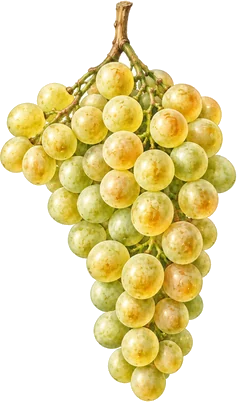
A German white wine variety, a Riesling seedling. In Belarus it reaches 16–21 Brix, ripens late and makes a wine that growers compare with Riesling.

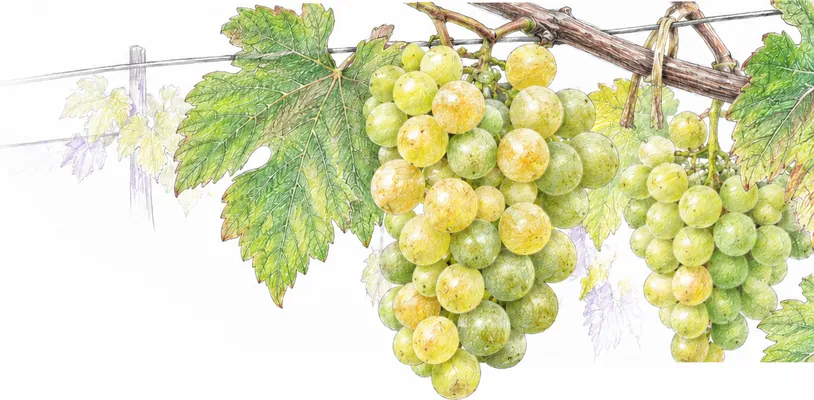
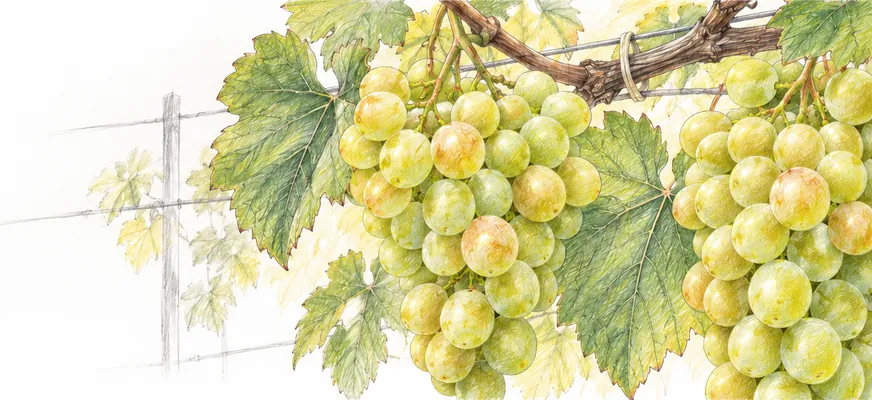
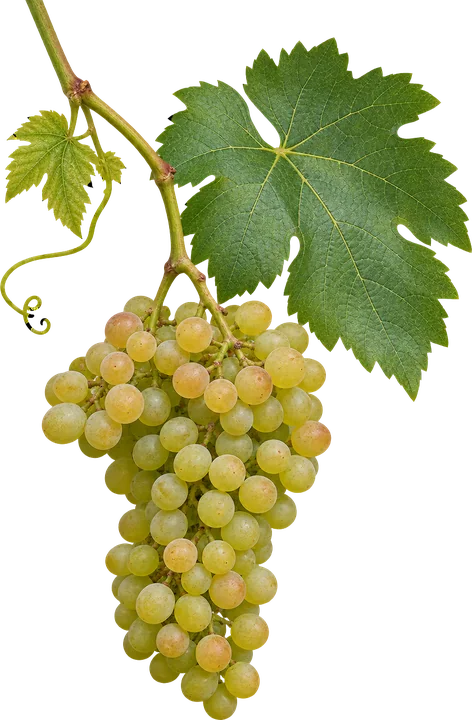
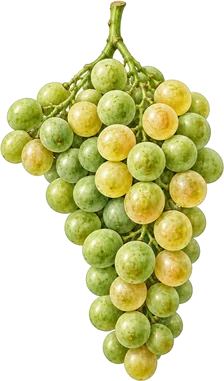
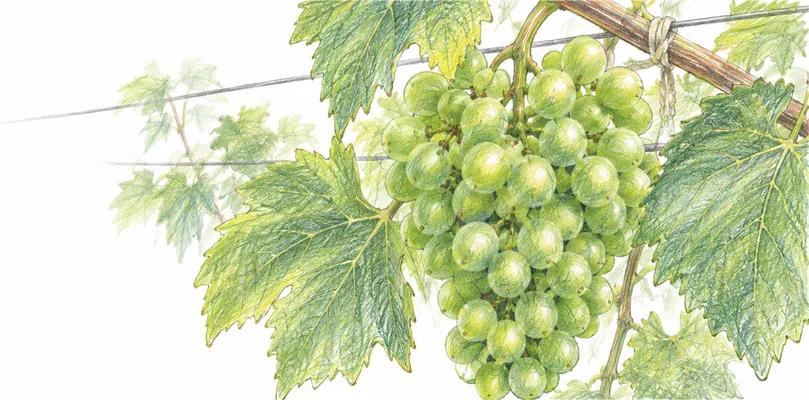
Johanniter: a compact bunch of small greenish-yellow berries — AI illustration based on photos and the description of the variety
  • Ripening timeMid-latebetween Pinot Blanc and Riesling; in Belarus late September to October
  • Berrywhitebunch not large, compact
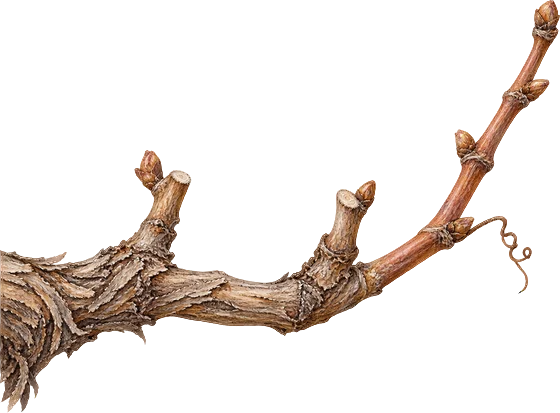
  • Frost hardinessdown to −29 °Caccording to the nursery's description; in Belarus it is covered
  • Sugar16–⁠21 Brixin Belarus, by year and site
  • 14first-hand observations
  • 7amateur growers
  • 1professional
  • 5seasons

The season of Johanniter in Belarus

Click a stage to see what happens on the vine and what growers saw.

Scroll the strip to see the whole season

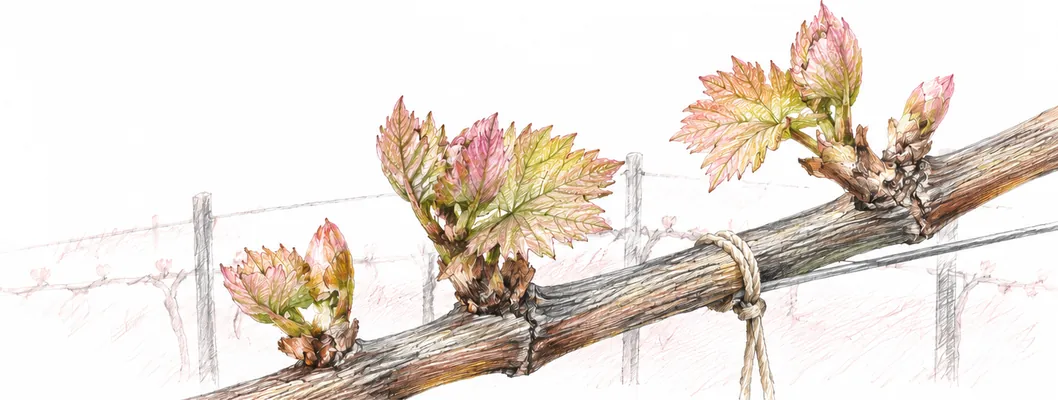
Bud break

late April — May

When Johanniter's buds break

Amateurs' observations
No observations yet.

2

Weather, diseases and pests

Professionals 0 observations

Amateurs 1 observation

  1. Location not specifiedIn spring the author's Johanniter buds are usually knocked out by frosts, and then the vine recovers. Spring 2025 was one of the hardest, many varieties barely survived, but Johanniter did not lose its cane.
3

Work on the vine

No observations yet.

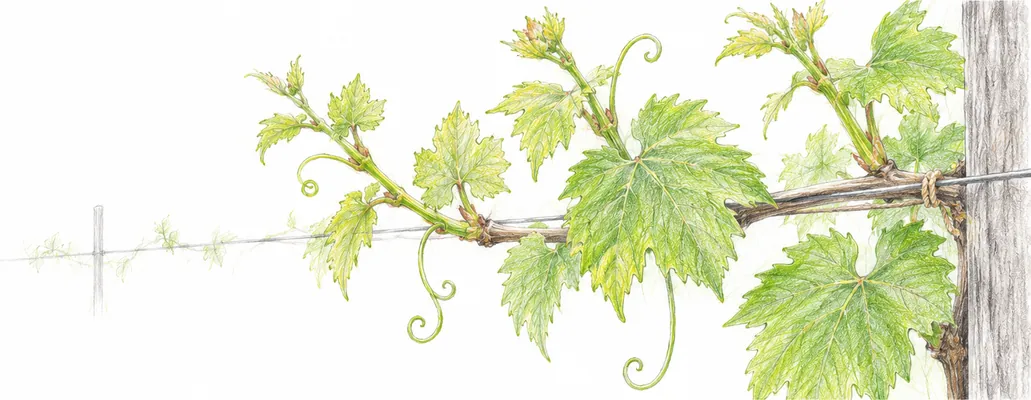
Shoot growth

May — June

How Johanniter's shoots grow

Professionals' observations

Professionals 1 observation

  1. Location not specifiedThe Johanniter vine grows calmly and behaves neatly on the trellis: the cane grows about 2 metres a year, there are hardly any surplus laterals, and the variety needs few green operations.

Amateurs 0 observations

2

Weather, diseases and pests

No observations yet.

3

Work on the vine

No observations yet.
Berry growth

July

How Johanniter's berries fill

Professionals' observations

Professionals 1 observation

  1. Location not specifiedJohanniter's bunch is not large, but there are many bunches on the vine, so the crop is sufficient. With diseases, too, the variety behaves well in the author's experience.

Amateurs 0 observations

2

Weather, diseases and pests

No observations yet.

3

Work on the vine

No observations yet.
Colouring

August — early September

How Johanniter's berries change colour

Amateurs' observations

Professionals 0 observations

Amateurs 1 observation

  1. Mogilev Region, BobruiskSAT since 1 April — 2352 °C, the season is 15 days ahead of usualmonthly precipitation — 27 mm, 55% less than usualtwo weeks 4 °C warmer than usual; 20% more sun than usualBy 28 August the Johanniter vine by the house had 16 Brix. On the same plot Regent by a wall reached 18–19, and Marquette by the house 22–23.
2

Weather, diseases and pests

No observations yet.

3

Work on the vine

No observations yet.

Weather in the observation lines is from AgERA5 data for the region: sum of active temperatures, precipitation.

Ripening and harvest

late September — October

Sugar, taste and harvest time of Johanniter

Observations by professionals and amateurs, and vine.farm notes

Professionals 1 observation

  1. Location not specifiedIn the cold, wet 2025 Johanniter's berry reached 19 Brix — according to the author, enough for a good light wine. Wine from the variety once took first place with a professional jury.

Amateurs 6 observations

  1. Gomel RegionOnly in 2024 did the author's Johanniter first gain enough sugar for a single-variety wine. Ripening, in the author's words, depends heavily on the region.
  2. Location not specifiedA blend of Johanniter with Bianca began to oxidise and turned almost orange. After fining with chitosan the wine, according to the author, was transformed.
  3. Location not specifiedThe author has kept their own Johanniter wine on the lees for two years: brioche notes have appeared in the aroma, but in the author's view there is still a lot of acidity, and the wine stays on the lees for another year.
  4. Minsk Region, Berezino DistrictOn 17 September 2022 Johanniter had 18 Brix, and Solaris next to it 23. Until 1 October of that year no variety on the plot gained more than 20, and 2023 turned out warmer.
  5. Location not specifiedIn early October 2023 Johanniter was picked, with 21 Brix in the must. The same author's Solaris usually gives 20–21.
  6. Minsk Region, NesvizhIn the south of Minsk Region there are no problems with Johanniter: it gains the sugar needed for wine, overwinters well under cover and does not get sick.
2

Weather, diseases and pests

Professionals 0 observations

Amateurs 1 observation

  1. Location not specifiedWine varieties with a very compact bunch, including Johanniter, caught a little rot under the anti-wasp bags. Without the bags, according to the author, there would be no crop left.
3

Work on the vine

No observations yet.
Winter

November — April

How the Johanniter vine overwintered

Amateurs' observations

Professionals 0 observations

Amateurs 1 observation

  1. Minsk Region, Logoisk DistrictIn Logoisk District two Johanniter vines grow by a south wall 4 metres high, next to Muscaris, and so far the author is pleased with them.
2

Weather, diseases and pests

No observations yet.

3

Work on the vine

Professionals 0 observations

Amateurs 1 observation

  1. Location not specifiedFor the winter the author always presses Johanniter to the ground, sometimes laying a little old straw on top. With this cover the variety has given a good crop in all previous years, unlike many others.

Strengths and risks of Johanniter

Strengths

  • Wine with notes of Riesling — the variety is its seedling; at tastings growers place such wine among the best whites
  • Grows calmly: medium vigour, few laterals, little green work
  • Many bunches on the vine and a steady crop; the vine recovers after spring frosts
  • Bred to resist fungal diseases: moderately to downy mildew, moderately or well to powdery mildew
  • In Belarus it reaches 18–21 Brix; in the south of Minsk Region without problems

Risks in Belarus

  • Late: ripens between Pinot Blanc and Riesling; in a cold year and in shade it may fall short of sugar
  • Starts growing early and gets caught by spring frosts
  • A very compact bunch: in rain and under anti-wasp bags it can catch rot; the variety is susceptible to grey mould and black rot
  • Prone to chlorosis on calcareous soils
  • In Belarus it is covered for the winter

Suits those who make white wine and are prepared to cover the vine for the winter; best in a warm spot by a south wall, away from hollows with spring frosts.

Origin: Germany, State Viticulture Institute in Freiburg: a 1968 cross, Riesling × Freiburg hybridUpdated How we collect observations