










CountryLanguage

Itasca

Itasca

A white wine grape from Minnesota. Growers in Belarus overwinter it uncovered and harvest it from September to October.

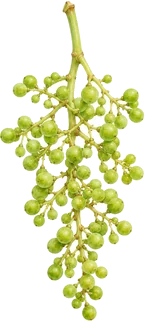
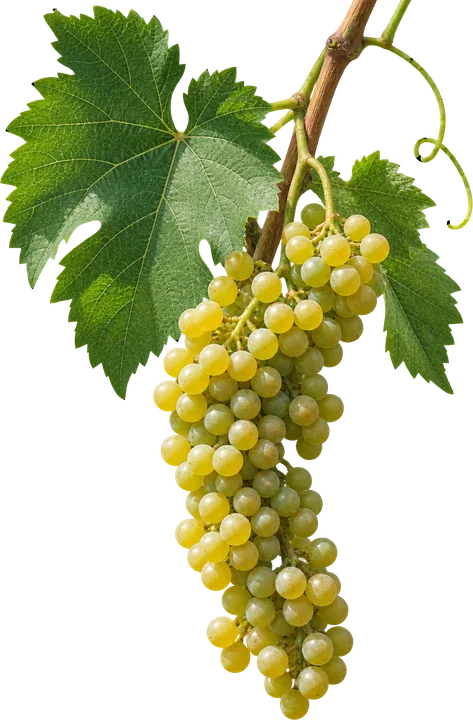
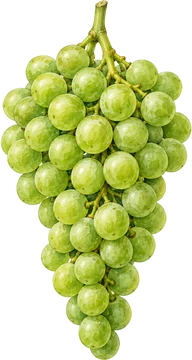
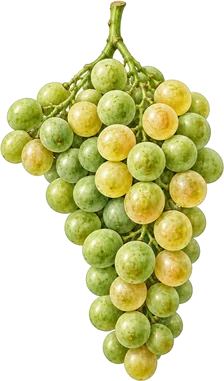
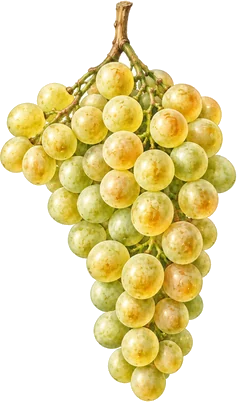
Itasca: an elongated bunch of small golden berries — AI illustration based on photos and a variety description
  • Ripening timeMid-seasonmid- to mid-late season in reference sources, with harvest in September and October in Belarus
  • BerrySmallround, yellow to golden
  • Frost hardinessBelow −30 °Creference figure, with varying results in local vineyards
  • Sugar21–⁠27 Brixlocal readings at different crop loads
  • 36first-hand observations
  • 10amateur growers
  • 3professionals
  • 4seasons

Itasca’s growing season in Belarus

Click a stage to see what happens on the vine and what growers saw.

Scroll the strip to see the whole season

Bud break

April - May

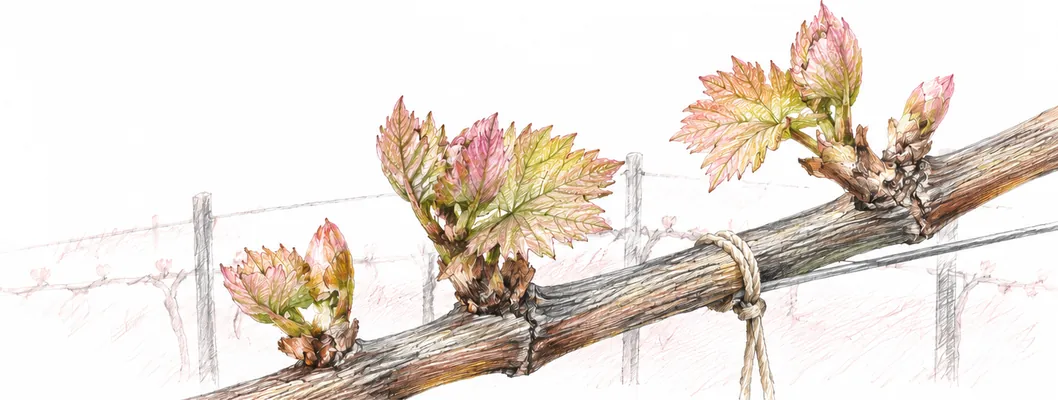
When Itasca buds open

Observations by professionals and amateurs
Professionals 2 observations

  1. Grodno Region, Lidasteady warmth above +10 °C from 19 Mayfrosts of about −4 °C, the last on 9 MayIn early April 2025 in Lida, Itasca's buds by the fence were already opening. The grower wrapped the vine in burlap when temperatures fell.
  2. Grodno Region, Lidasteady warmth above +10 °C from 27 Aprilfrosts down to −1 °C, the last on 8 MayOn 16 April 2024 in Lida, all buds opened on an Itasca cane left upright and uncovered through winter.

Amateurs 0 observations

2

Weather, diseases and pests

Professionals 0 observations

Amateurs 1 observation

  1. Location not specifiedAn Itasca vine planted in early May was left uncovered at −6 °C. The frost damaged it, but some green growth remained.
3

Work on the vine

No observations yet.

Weather in the observation lines is from AgERA5 data for the region: frosts, sum of active temperatures.

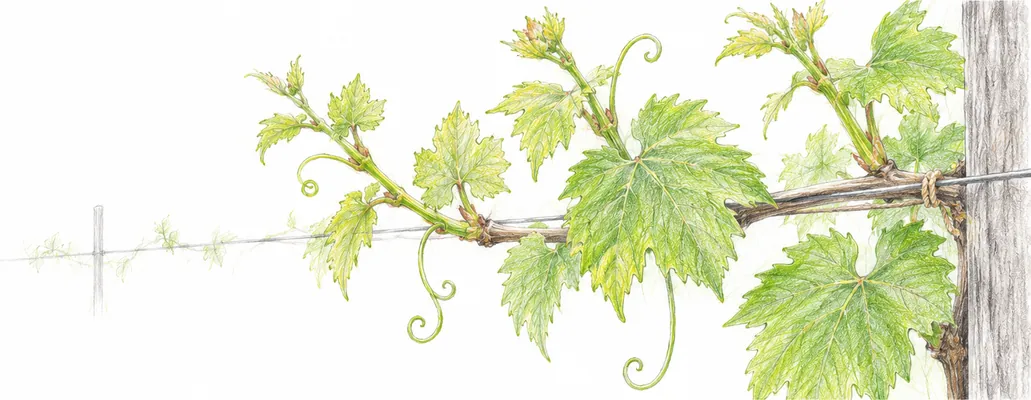
Shoot growth

May - July

How Itasca shoots grow

Amateurs' observations

Professionals 0 observations

Amateurs 1 observation

  1. Location not specifiedBy mid-August, Itasca shoots were climbing the remains of an old cherry plum. The dead tree's trunk served as support for the vine.
2

Weather, diseases and pests

Professionals 0 observations

Amateurs 4 observations

  1. Location not specifiedA grower lost an Itasca vine on their plot. They considered several possibilities without identifying the cause.
  2. Location not specifiedIn June a grower saw leaf necrosis on a vine they grew as Itasca. It was in its second year in partial shade and had not been sprayed.
  3. Location not specifiedOne grower lost all the Itasca plants they had tended on a windowsill. They gave no reason for the losses.
  4. Location not specifiedBy mid-March a five-bud Itasca cutting that the grower had tried to root intact still showed no signs of life.
3

Work on the vine

Professionals 0 observations

Amateurs 2 observations

  1. Location not specifiedAn Itasca cutting was soaked, split in two and placed in moist moss on a windowsill at 24 °C. Both pieces took without rooting aids.
  2. Location not specifiedBoth Itasca cuttings rooted and started growing for another grower. By mid-March they were already in five-litre containers.

Flowering

June — early July

How Itasca flowers and sets fruit

Professionals' observations

No observations yet.

2

Weather, diseases and pests

Professionals 1 observation

  1. Grodno Region, LidaSAT since 1 April — 937 °C, as usualmonthly precipitation — 84 mm, about usualIn Lida, Itasca showed fruit-set losses after flowering in 2025. Some nearby wine grapes in the same vineyard also shed flowers or young berries.

Amateurs 0 observations

3

Work on the vine

No observations yet.

Weather in the observation lines is from AgERA5 data for the region: sum of active temperatures, precipitation.

Berry growth

July — August

How Itasca berries grow

Professionals' observations

Professionals 3 observations

  1. Minsk Region, SoligorskThe Itasca vine on a plot near Soligorsk carried few berries in 2025. The grower described the crop as small.
  2. Grodno Region, LidaBy early October, an Itasca vine by a wall in Lida carried few berries, and the bunches remained small.
  3. Grodno Region, LidaAt first fruiting in Lida, Itasca bore small bunches. The small berries were translucent enough in sunlight to see the seeds inside.

Amateurs 0 observations

2

Weather, diseases and pests

Professionals 1 observation

  1. Grodno Region, LidaAfter preventive treatments in Lida, Itasca had clean leaves and canes in early September 2024. The grower again reported no disease in autumn 2025.

Amateurs 0 observations

3

Work on the vine

No observations yet.

Colouring

August — September

How Itasca berries change colour

Observations by professionals and amateurs

No observations yet.

2

Weather, diseases and pests

Professionals 1 observation

  1. Grodno Region, LidaSAT since 1 April — 2415 °C, the season is 4 days behind usualmonthly precipitation — 77 mm, 1.7 times the usual; rain on 8 days of 1420% less sun than usualBirds pecked at Itasca berries before harvest in Lida in both 2025 and 2026. The grower saw a bird at the vine in rainy September 2026.

Amateurs 1 observation

  1. Location not specifiedBirds ate an entire early bunch of Itasca on one plot. The grower had no chance to check whether the berries split after rain.
3

Work on the vine

No observations yet.

Weather in the observation lines is from AgERA5 data for the region: sum of active temperatures, precipitation.

Ripening and harvest

September — October

Itasca sugar, flavour and harvest timing

Observations by professionals and amateurs

Professionals 6 observations

  1. Grodno Region, LidaSAT since 1 April — 2378 °C, the season is 4 days behind usualmonthly precipitation — 68 mm, 1.4 times the usual20% less sun than usualA crate of Itasca was harvested in Lida on 24 September 2026. A couple of rotten berries were removed during picking, with no more rot found during sorting.
  2. Minsk RegionWine from Itasca grown in the Slutsk district in 2024 placed second among dry white wines at a tasting.
  3. Minsk Region, SoligorskNear Soligorsk in 2025, individual Itasca berries reached 27 Brix. The grower noted that the vine carried a small crop.
  4. Grodno Region, LidaIn late September 2025 in Lida, the grower noted a pink tint to Itasca juice. With a small crop, he planned to blend the juice with Bianca.
  5. Grodno Region, LidaA Lida grower blended Itasca with Bianca to make wine. Itasca made up around 80% of the blend, and the grower liked the result.
  6. Grodno Region, LidaOne Lida grower recorded Itasca at 27 Brix in 2023, an average of 24 in 2024 and 26 in 2025. In rainy September 2026, the vine by the fence reached 23 Brix.

Amateurs 4 observations

  1. Location not specifiedIn mid-October 2025, a grower reported harvesting Itasca the previous weekend. They recorded 21 Brix for that harvest.
  2. Minsk Region, SlutskBy 10 September in Slutsk, Itasca reached 23 Brix in 2021 and 24 Brix in 2022. These were the first two crops, both without thinning.
  3. Location not specifiedTwo years after grafting Itasca onto Alpha, one grower harvested ten buckets of grapes, matching what Alpha had previously yielded in that spot.
  4. Location not specifiedA grower compared their own wines from Itasca, Prairie Star and Solaris over several seasons. They preferred Solaris to the other two.
2

Weather, diseases and pests

No observations yet.

3

Work on the vine

No observations yet.

Weather in the observation lines is from AgERA5 data for the region: sum of active temperatures, precipitation.

Autumn

September and later in autumn

How Itasca canes mature

Observations by professionals and amateurs

Professionals 1 observation

  1. Grodno Region, LidaIn Lida, an Itasca cane had matured above the grower's height by early September 2024. The grower again rated cane maturation highly in early October 2025.

Amateurs 1 observation

  1. Location not specifiedAt the end of the 2025 seasons, a grower described Itasca as very vigorous and reported good cane maturation on their plot.
2

Weather, diseases and pests

No observations yet.

3

Work on the vine

No observations yet.

Winter

winter to early spring

How Itasca overwintered

Observations by professionals and amateurs

Professionals 1 observation

  1. Grodno Region, LidaA winter cut through Itasca in Lida showed green cane tissue. On inspection in February, both the primary and secondary buds looked intact.

Amateurs 0 observations

2

Weather, diseases and pests

Professionals 1 observation

  1. Grodno Region, LidaPart of an Itasca cane in Lida was left upright and uncovered over winter. After a low of −22 °C, all its buds opened in spring.

Amateurs 3 observations

  1. Location not specifiedAsked how Itasca had overwintered on a pergola, a grower reported a good outcome after a low of −37 °C.
  2. Location not specifiedIn a discussion of Itasca overwintering on pergolas, another grower reported about 50% bud survival after a low of −32 °C.
  3. Gomel Region, SvetlogorskOutdoors in Svietlahorsk, uncovered Itasca retained all its buds after several nights when air temperatures fell to −27 °C.
3

Work on the vine

Professionals 1 observation

  1. Grodno Region, LidaIn Lida, Itasca overwintered uncovered with its canes tied to the first trellis wire. The vine was pruned again before the following winter.

Amateurs 1 observation

  1. Location not specifiedBy late September 2023, one grower had already left Itasca uncovered through two winters on the same plot.

Itasca strengths and risks

Strengths

  • Buds survived winters without cover in Lida and Svietlahorsk
  • By 10 September in Slutsk, berries reached 23–24 Brix without thinning
  • Canes matured well in Lida in several seasons
  • Grapes from the Slutsk district made a dry white wine that placed second at a tasting

Risks in Belarus

  • A spring frost damaged a newly planted vine left uncovered
  • Growers in Lida and near Soligorsk reported small crops in 2025
  • Birds damaged berries in two seasons in Lida
  • One grower found that about half the buds survived after −32 °C

Suitable for white wine where the berries ripen by autumn. Winter survival varies by site, and growers protect opening buds when spring temperatures fall.

Origin: USA, University of MinnesotaUpdated How we collect observations