
The season of Gailiūnė in Belarus
What happens on the vine from bud break to overwintering, and what growers saw.




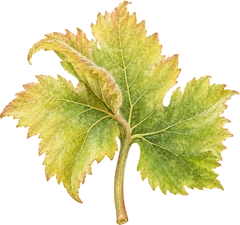

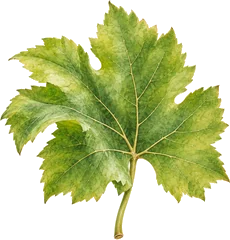
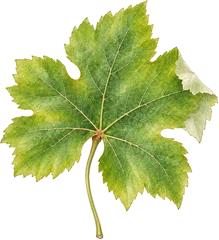
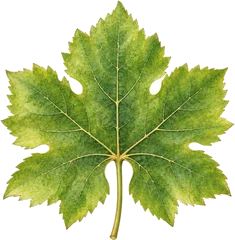
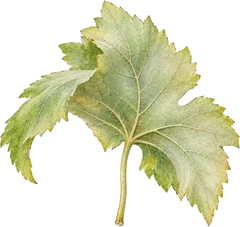
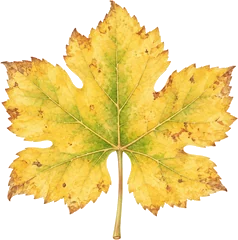








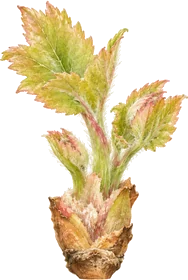
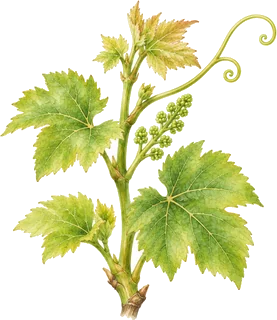
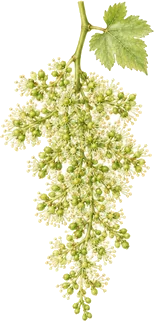
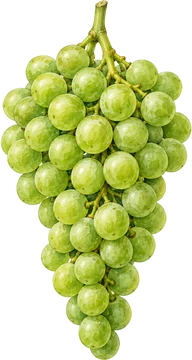
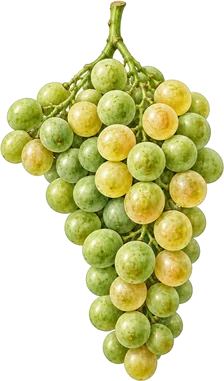
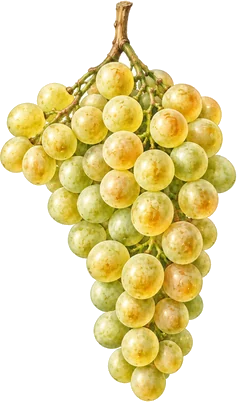
Scroll the strip to see the whole season
There are no growers' observations of this variety yet — the stages of the season will open when they appear.
Strengths and risks of Gailiūnė
Strengths
- Very early: 105–120 days; in Lithuania it ripens in mid or late August
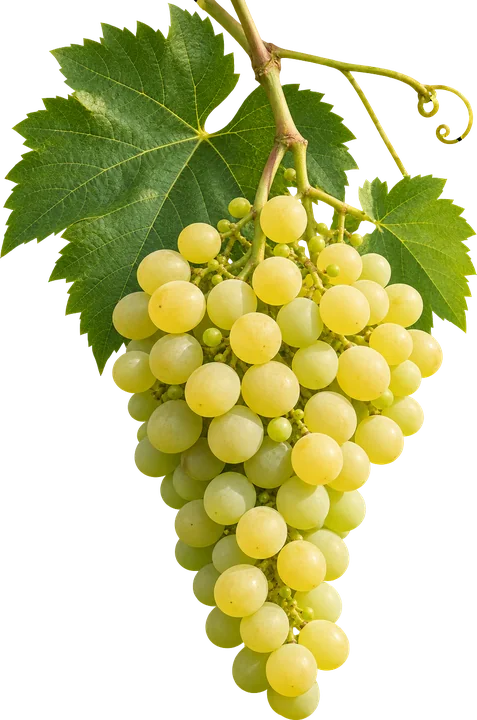
- A sweet berry of 3–4 g with a wild-strawberry aroma — for the table, juice and wine, including dessert wine
- Bred for open ground in north-eastern Lithuania, where the first autumn frost comes as early as the end of September
- Descriptions call the variety resistant to fungal diseases: downy and powdery mildew 2–2.5 points
- Frost hardiness of −26…−28 °C according to descriptions; a Lithuanian nursery gives down to −30 °C
- Self-pollinating: hermaphrodite flower
- The cane ripens very well; Lithuanian nurseries recommend the vigorous vine for gazebos and walls
Risks in Belarus
- There is almost no experience from Belarus: one grower in the north of the country called the crop decent, but gave no dates or details
- How much sugar the variety gains in Belarus is unknown; descriptions say about 20 Brix, up to 28–29 when overripe
- In 2000–2025, winters with frost below −26 °C occurred in every region of Belarus: from 3 in Mogilev Region to 8 in Vitebsk Region; the Lithuanian nursery advises bending the cane to the ground for the winter
- The skin is thick and hard to eat, the flesh slippery — the labrusca taste is not to everyone's liking
- Descriptions rate the yield differently: from high to medium
- The bunch can be compact; transportability is medium
Suits those looking for a very early open-ground variety for the table, juice or home-made wine who are prepared to bend the cane down for the winter; descriptions say it is good for gazebos and walls.