










CountryLanguage

Denisovsky

Denisovsky

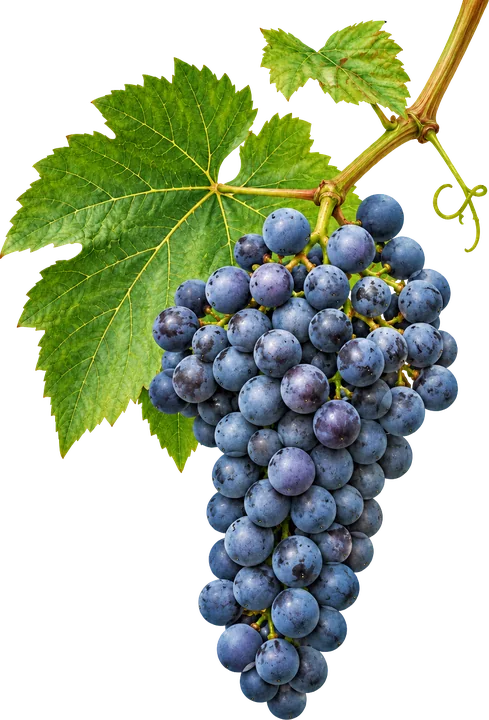
An early red wine variety for tannic wine. In Belarus it reaches 17–24 Brix, easily catches downy mildew on the leaves and is the first to be raided by birds.

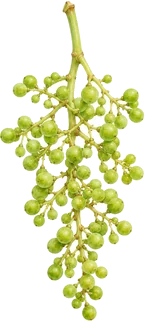
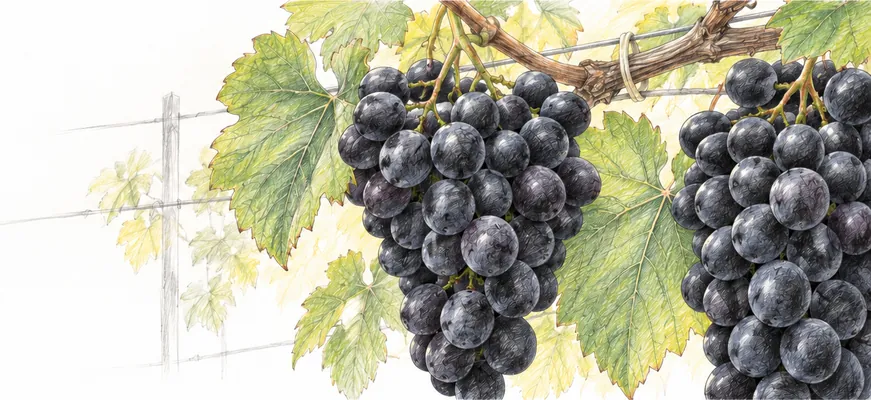
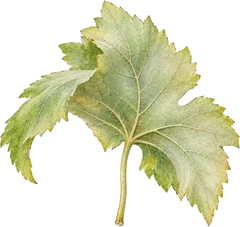
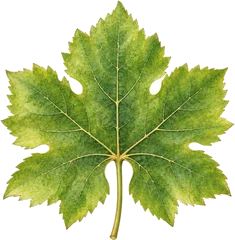
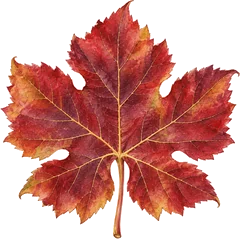
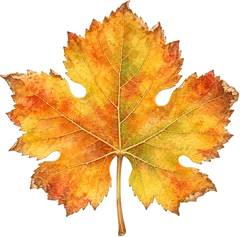
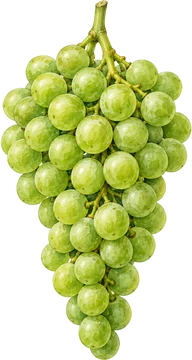
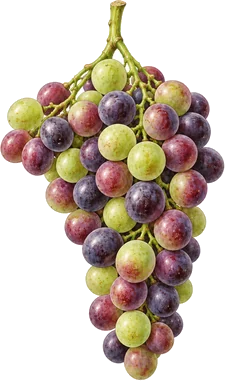
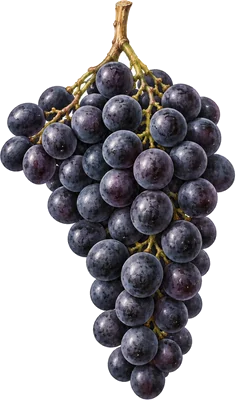
Denisovsky: small black berries with a bloom — AI illustration based on photos and the description of the variety
  • Ripening timeEarlyin western Belarus — late September to early October
  • Berryabout 2 gblack; bunch 200–300 g
  • Frost hardiness−26…⁠−27 °Caccording to descriptions; in Belarus it is covered
  • Sugar17–⁠24 Brixin Belarus, by year
  • 32first-hand observations
  • 6amateur growers
  • 2professionals
  • 6seasons

The season of Denisovsky in Belarus

Click a stage to see what happens on the vine and what growers saw.

Scroll the strip to see the whole season

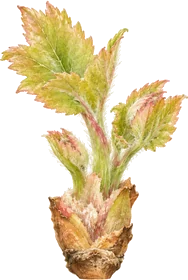
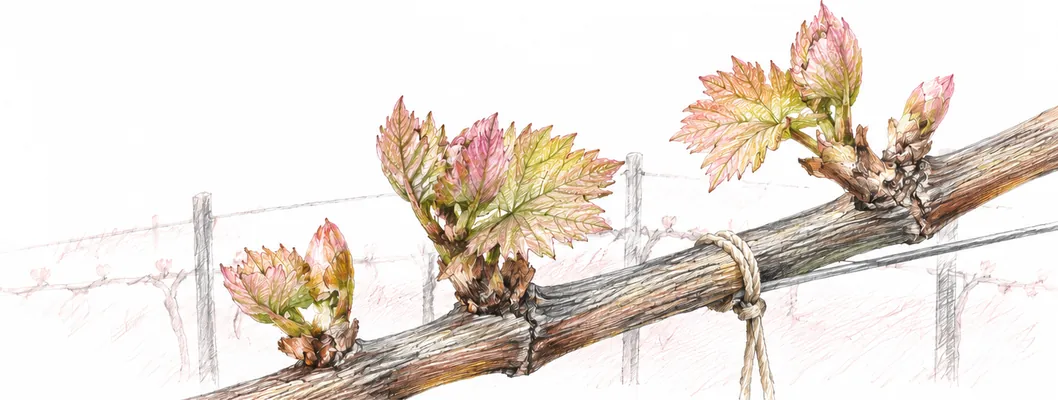
Bud break

late April — May

When Denisovsky's buds break

Observations by professionals and amateurs, and vine.farm notes
Professionals 1 observation

  1. Grodno Region, Lidasteady warmth above +10 °C from 10 Mayfrosts from −3 to −4 °C, the last on 9 MayOn 24 April, right after the cover was removed, Denisovsky's buds are already bigger than those of the neighbouring Marquette: it starts growing earlier. After the winter all buds are intact.

Amateurs 0 observations

2

Weather, diseases and pests

Professionals 2 observations

  1. Grodno Region, Lidasteady warmth above +10 °C from 19 Mayfrosts of about −4 °C, the last on 9 MayIn spring 2025 the Denisovsky vines in open ground were caught by a frost. By early July their inflorescences had dropped, and there will be almost no crop from these vines.
  2. Grodno Region, Lidasteady warmth above +10 °C from 10 Mayfrosts from −3 to −4 °C, the last on 9 MayIn spring 2023 the wine varieties in open ground, Denisovsky among them, were caught by a frost. New shoots grew from the secondary buds, and by the end of June they had finished flowering normally.

Amateurs 1 observation

  1. Brest Region, PinskIn the abnormal frosts of spring 2023 Denisovsky on an arch was damaged, while other varieties at the same height came through them perfectly. In spring 2024 there were no hard frosts, and it got by.
3

Work on the vine

No observations yet.

Weather in the observation lines is from AgERA5 data for the region: frosts, sum of active temperatures.

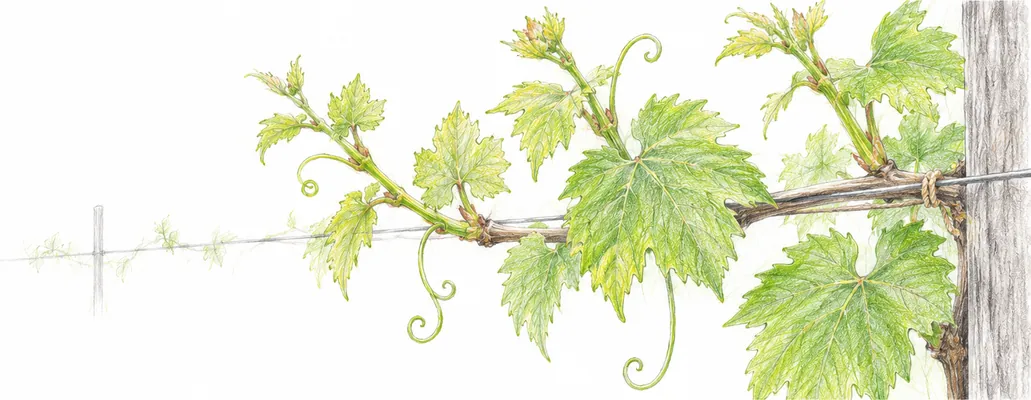
Shoot growth

May — June

How Denisovsky's shoots grow

Observations by professionals and amateurs, and vine.farm notes

Professionals 1 observation

  1. Grodno Region, LidaSAT since 1 April — 1133 °C, as usualmonthly precipitation — 94 mm, about usualtwo weeks 3 °C warmer than usualThe Denisovsky vines by the fence on sand grow well, although they are not fed with anything: each vine puts out two or three canes.

Amateurs 1 observation

  1. Brest Region, PinskDenisovsky has been on the plot for five years and has never got going. The author's other vinifera varieties in southern Belarus also failed, while the hybrids grow without disease.
2

Weather, diseases and pests

No observations yet.

3

Work on the vine

No observations yet.

Weather in the observation lines is from AgERA5 data for the region: sum of active temperatures, precipitation.

Flowering

June

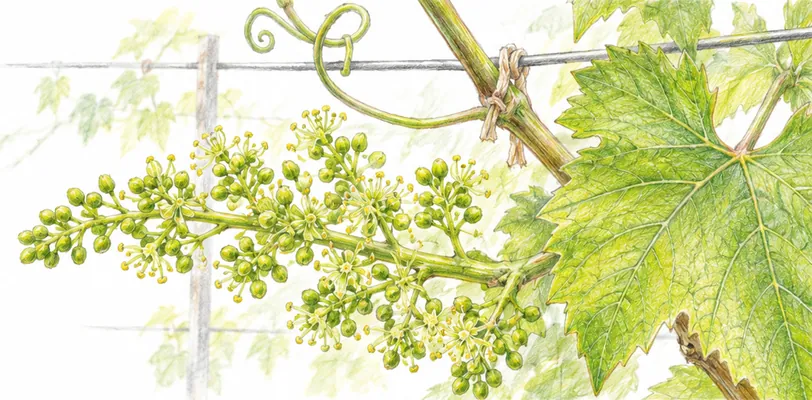
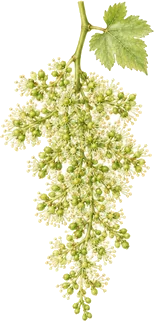
How Denisovsky flowers and sets berries

Professionals' observations

Professionals 2 observations

  1. Grodno Region, LidaSAT since 1 April — 736 °C, as usualmonthly precipitation — 79 mm, 1.3 times the usualBy 21 June almost all the wine varieties in open ground had finished flowering, while Denisovsky is still in flower. A week earlier it was cold and rainy, +7…+8 °C at night; now there is heat above +30 °C.
  2. Grodno Region, LidaSAT since 1 April — 869 °C, as usualmonthly precipitation — 30 mm, 55% less than usual; rain on 10 days of 14two weeks 2 °C warmer than usualBy 26 June Denisovsky in open ground had finished flowering, and flowering went well. In spring the vines were caught by a frost, and it was shoots from secondary buds that flowered.

Amateurs 0 observations

2

Weather, diseases and pests

Professionals 1 observation

  1. Grodno Region, LidaSAT since 1 April — 937 °C, as usualmonthly precipitation — 84 mm, about usualBy 1 July Denisovsky in open ground had dropped almost entirely: in spring the vines were caught by a frost. Marquette and several other wine varieties dropped in the same way, while Cabernet Cortis next to them is finishing flowering normally.

Amateurs 0 observations

3

Work on the vine

No observations yet.

Weather in the observation lines is from AgERA5 data for the region: sum of active temperatures, precipitation.

Berry growth

July

How Denisovsky's berries fill

Observations by professionals and amateurs

Professionals 2 observations

  1. Grodno Region, LidaSAT since 1 April — 2415 °C, the season is 4 days behind usualmonthly precipitation — 77 mm, 1.7 times the usual; rain on 8 days of 1420% less sun than usualThe load on seven Denisovsky vines is good, no questions about it. The bunches are handsome, and no rot is visible on them by the end of September.
  2. Grodno Region, LidaSAT since 1 April — 1650 °C, the season is 9 days behind usualmonthly precipitation — 61 mm, 25% less than usualIn mid-August the young three-year-old Denisovsky vines carry their first small bunches. Apart from foliar feeding with micro- and macronutrients, nothing was done with them.

Amateurs 0 observations

2

Weather, diseases and pests

Professionals 1 observation

  1. Grodno Region, LidaSAT since 1 April — 1298 °C, as usualmonthly precipitation — 142 mm, 1.5 times the usual; rain on 11 days of 1415% less sun than usualAt the end of July, after warm rains, oily spots appeared on Denisovsky's leaves, with a white coating underneath: downy mildew had arrived on the plot. It is on this variety that the author first notices the disease; Marquette next to it does not get sick.

Amateurs 1 observation

  1. Minsk Region, MinskSAT since 1 April — 2017 °C, the season is 10 days ahead of usualmonthly precipitation — 82 mm, about usualIn three weeks the three-year-old Denisovsky vines dropped almost all their leaves, and Cabernet Cortis next to them lost half. The author had real trouble with the wine varieties that summer.
3

Work on the vine

Professionals 1 observation

  1. Grodno Region, LidaSAT since 1 April — 2672 °C, as usualmonthly precipitation — 28 mm, 40% less than usualtwo weeks 5 °C warmer than usual; 20% more sun than usualOn seven Denisovsky vines, in a row next to Marquette, the author left two or three bunches per cane. The bunches came out slightly smaller than Marquette's, with sugar up to 24 Brix by early October.

Amateurs 0 observations

Weather in the observation lines is from AgERA5 data for the region: sum of active temperatures, precipitation.

Colouring

late July — August

How Denisovsky's berries change colour

Observations by professionals and amateurs

Professionals 3 observations

  1. Minsk RegionSAT since 1 April — 1881 °C, the season is 8 days behind usualmonthly precipitation — 53 mm, 25% less than usualOn 23 August Denisovsky already has 19.1 Brix, and this is its first proper crop. The seed is still green, but there are no grassy tones in the skin; the berry is pleasant and sweet.
  2. Grodno Region, LidaSAT since 1 April — 1444 °C, the season is 5 days behind usualmonthly precipitation — 108 mm, 1.3 times the usualOn 30 July Marquette and Denisovsky are colouring among the wine varieties, and Muscat Donskoy intensively. The table varieties next to them are still completely green in this cold year.
  3. Grodno Region, LidaSAT since 1 April — 1650 °C, the season is 9 days behind usualmonthly precipitation — 61 mm, 25% less than usualBy mid-August Denisovsky in open ground is already colouring. The berry on the plot is still hard, but with warmth, in the author's observation, it begins to catch up.

Amateurs 1 observation

  1. Mogilev Region, BobruiskSAT since 1 April — 2352 °C, the season is 15 days ahead of usualmonthly precipitation — 27 mm, 55% less than usualtwo weeks 4 °C warmer than usual; 20% more sun than usualAt the end of August Denisovsky's trial bunches reached 18–19 Brix — like Solaris and Muscaris on the same plot. Marquette by the house had given 22–23 by then.
2

Weather, diseases and pests

Professionals 2 observations

  1. Grodno Region, LidaSAT since 1 April — 2444 °C, the season is 8 days behind usualmonthly precipitation — 45 mm, about usualnights below +8 °C — 12 of 14By early October birds had pecked Denisovsky, and its crop is small: in spring the vines were also caught by a frost. The berries had to be cut at once.
  2. Grodno Region, LidaSAT since 1 April — 2444 °C, as usualmonthly precipitation — 47 mm, about usualAt the end of September Denisovsky has gained sugar, and birds are pecking it furiously: pecked berries lie under the vines. On Marquette next to it there are almost no pecked berries.

Amateurs 1 observation

  1. Mogilev Region, Mogilev DistrictSAT since 1 April — 2470 °C, the season is 7 days behind usualmonthly precipitation — 83 mm, 1.8 times the usual; rain on 7 days of 1420% less sun than usualIn one night birds attacked the grapes: Denisovsky suffered most, and Neturan and Mukuzani were hit too. Marquette and Valiant were left alone; the bags saved the table varieties.
3

Work on the vine

No observations yet.

Weather in the observation lines is from AgERA5 data for the region: sum of active temperatures, precipitation.

Ripening and harvest

September — early October

Sugar, taste and harvest time of Denisovsky

Observations by professionals and amateurs, and vine.farm notes

Professionals 4 observations

  1. Minsk RegionSAT since 1 April — 2233 °C, the season is 7 days behind usualmonthly precipitation — 63 mm, about usualThe 2026 seasons was mediocre and late, but the wine varieties caught up well on sugar in the last few days. Denisovsky was a real surprise in sugar.
  2. Grodno Region, LidaA blend from the 2024 crop — 60% Denisovsky and 40% Maréchal Foch — came out almost black and the most tannic of the tasting evening. Paired with Marquette, Denisovsky gives the wine tannin and Marquette gives aroma.
  3. Grodno Region, LidaIn early October Denisovsky was picked; there were enough berries for one crate. All the wine varieties are above 20 Brix, so no sugar needs to be added to the wine; Denisovsky went into a blend with Cabernet Cortis, Maréchal Foch and Marquette.
  4. Grodno Region, LidaSAT since 1 April — 2672 °C, as usualmonthly precipitation — 28 mm, 40% less than usualtwo weeks 5 °C warmer than usual; 20% more sun than usualOn 2 October a berry from the lower part of a Denisovsky bunch showed 24 Brix, one from the upper part about 23. The seeds have mostly darkened; one is still slightly greenish.

Amateurs 2 observations

  1. Minsk Region, near MinskA single-variety wine from Denisovsky was made for the first time in 2023, confirming it has enough tannin. After that the author planted a dozen young vines.
  2. Gomel Region, LoevThe wine from Marquette and Denisovsky together turned out very good. That season both varieties grew without bunch thinning, unlike the rest on the plot.
2

Weather, diseases and pests

Professionals 1 observation

  1. Grodno Region, LidaSAT since 1 April — 2415 °C, the season is 4 days behind usualmonthly precipitation — 77 mm, 1.7 times the usual; rain on 8 days of 1420% less sun than usualOn 24 September Denisovsky's sugar averages only 17 Brix: it has been raining for three days, and it is cold. It is time to harvest, but the weather does not allow it.

Amateurs 0 observations

3

Work on the vine

No observations yet.

Weather in the observation lines is from AgERA5 data for the region: sum of active temperatures, precipitation.

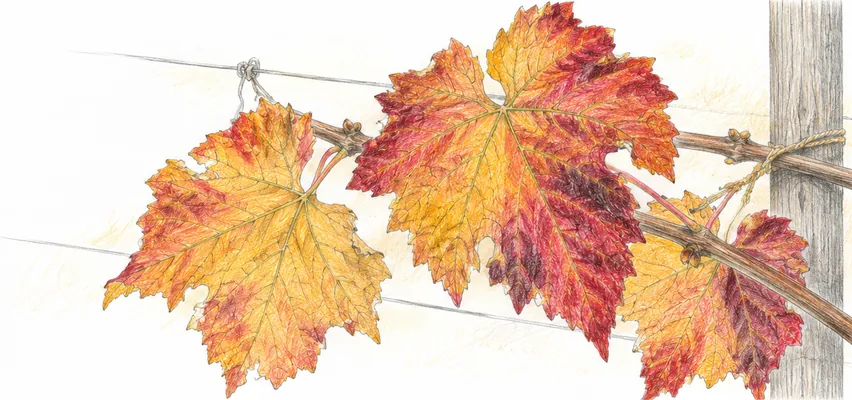
Autumn

October

How Denisovsky's cane ripens

Professionals' observations

Professionals 1 observation

  1. Grodno Region, LidaSAT since 1 April — 2454 °C, the season is 13 days behind usualmonthly precipitation — 49 mm, about usualtwo weeks 2 °C colder than usual; nights below +8 °C — 14 of 14By mid-October the canes of Denisovsky, Maréchal Foch and Cabernet Cortis had ripened before all others on the plot. The author fed the leaves with monopotassium phosphate; the September frost barely touched the vineyard.

Amateurs 0 observations

2

Weather, diseases and pests

Professionals 1 observation

  1. Grodno Region, LidaSAT since 1 April — 2444 °C, as usualmonthly precipitation — 47 mm, about usualThe first autumn frost at the end of September barely touched the vineyard: the uncovered wine varieties by the fence still have intact leaves, the berries are hanging, and only the nursery of young plants below was damaged.

Amateurs 0 observations

3

Work on the vine

No observations yet.

Weather in the observation lines is from AgERA5 data for the region: sum of active temperatures, precipitation.

Winter

November — April

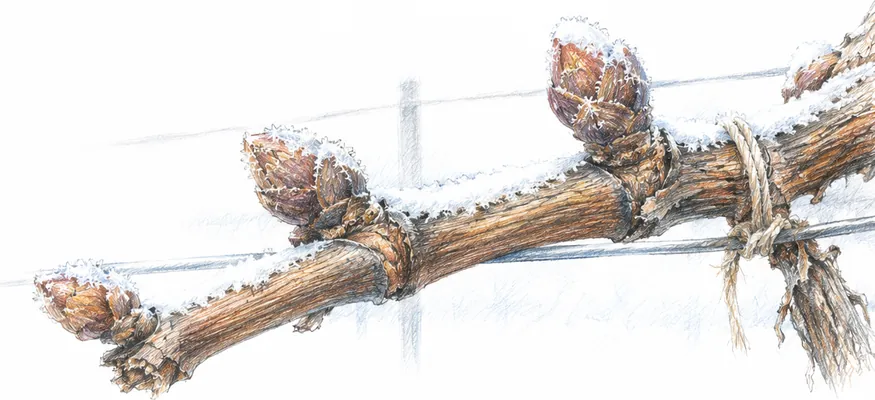
How the Denisovsky vine overwintered

Professionals' observations

Professionals 1 observation

  1. Grodno Region, Lidawinter 2022/23: frosts from −12 to −18 °Cnever fell below −20 °CDenisovsky spent the winter of 2022/23 under cover. On 24 April it was uncovered and tied up: all the buds were alive and handsome; only a few broke off during tying.

Amateurs 0 observations

2

Weather, diseases and pests

No observations yet.

3

Work on the vine

Professionals 1 observation

  1. Grodno Region, Lidasteady warmth above +10 °C from 11 Mayfrosts from −4 to −7 °C, the last on 29 AprilYoung Denisovsky vines are planted in a row 1.3 m apart. In autumn the author does not split them into two arms but trains them to one side: two or three good canes are kept, and weak stubs removed.

Amateurs 0 observations

Weather in the observation lines is from AgERA5 data for the region: frosts, sum of active temperatures.
Strengths and risks of Denisovsky

Strengths

  • A dense, almost black tannic wine; in a blend with Marquette, Denisovsky gives tannin and Marquette gives aroma
  • In a warm year it reaches up to 24 Brix — no sugar needs to be added to the wine
  • One of the earliest red wine varieties: growers recommend it for the north together with Cabernet Cortis
  • The cane ripens early: by mid-October, earlier than many varieties on the plot
  • The bunch rarely rots: descriptions say the variety is little affected by rot, and in Belarus no rot was seen on the bunches by the end of September

Risks in Belarus

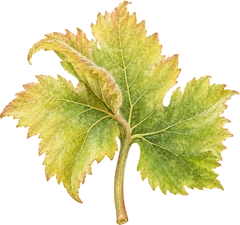
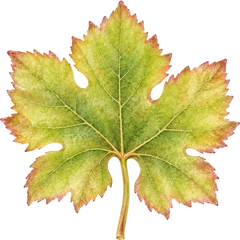
  • The leaves catch downy mildew early — on the plot the disease shows on it first; in a damp summer the vines dropped almost all their foliage
  • Birds peck it earlier and harder than neighbouring varieties, so the crop has to be cut straight away
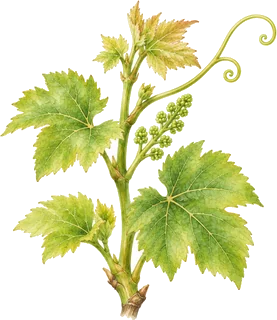
  • Starts growing early and gets caught by spring frosts: after them the inflorescences drop and the crop is small
  • In Belarus it is covered for the winter
  • In a cold, rainy September the sugar may stay at about 17 Brix; some growers consider the variety early for the north, others only slightly earlier than the late ones
  • Opinions on the wine differ: growers are happy with the tannin, but muscat notes in a dry red are not to everyone's taste; the wine is best drunk young

Suits those who want their own tannic red wine or blend and are prepared to cover the vine, spray the leaves against downy mildew and protect the berries from birds; best in a spot with fewer spring frosts.

Origin: Russia, the Ya. I. Potapenko All-Russian Research Institute of Viticulture and Winemaking: the variety Severny pollinated with a mix of muscat pollenUpdated How we collect observations