












CountryLanguage

Bazhena

Bazhena

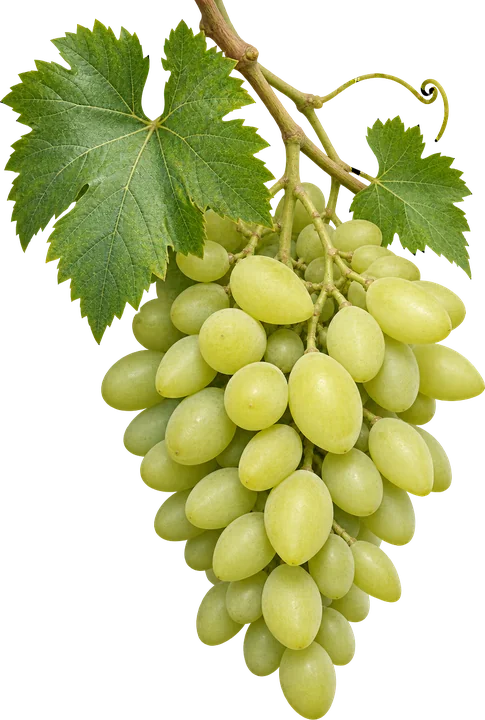
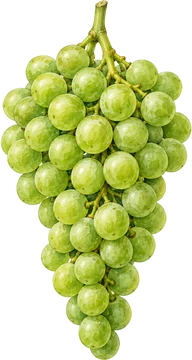
A table grape with large, elongated berries. In Belarus it is picked in August and September, and the berries stay acidic longer under a heavy crop load.

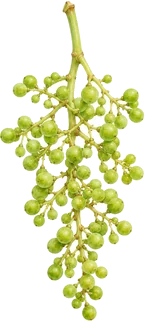
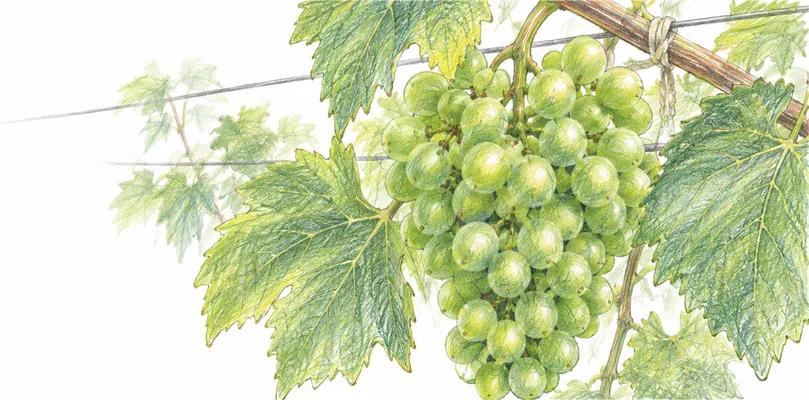
Bazhena: a bunch of large, elongated, light green berries — AI illustration based on photos and the variety description
  • Ripening timeEarlyAugust and September in Belarus
  • BerryLargepale and elongated
  • Frost hardiness−19…⁠−22 °Creference range; the threshold was not measured in Belarus
  • SugarNo measurementsripe berries are described as sweet and juicy
  • 69first-hand observations
  • 7amateur growers
  • 5professionals
  • 6seasons

Bazhena’s season in Belarus

Click a stage to see what happens on the vine and what growers saw.

Scroll the strip to see the whole season

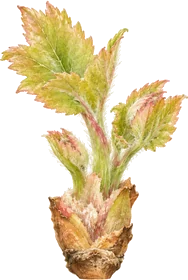
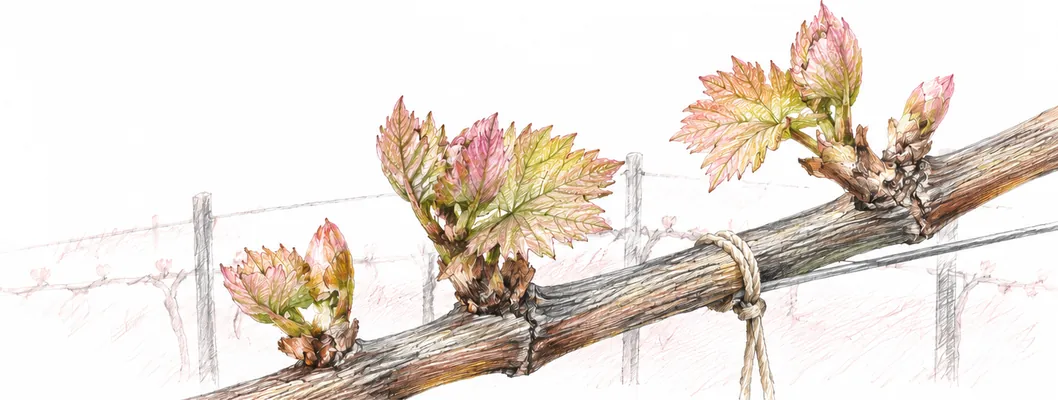
Bud break

May

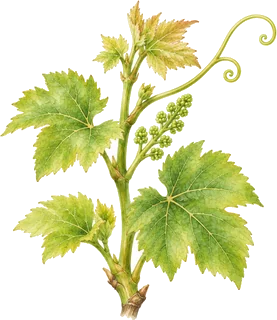
When Bazhena buds start to grow

Observations by professionals and amateurs
Professionals 0 observations

Amateurs 2 observations

  1. Gomel Region, Gomel Districtsteady warmth above +10 °C from 2 Mayfrosts from −1 to −2 °C, the last on 29 AprilBy 2 May, shoots growing outdoors in the Gomel district had reached about five centimetres. Bazhena was among the first varieties to get going.
  2. Location not specifiedBy 19 May, Bazhena’s buds had just started growing for the first time that spring. Some neighbouring vines had already resumed growth after frost.
2

Weather, diseases and pests

Professionals 1 observation

  1. Grodno Region, Grodnosteady warmth above +10 °C from 19 Mayfrosts of about −4 °C, the last on 9 MayAfter the late frosts, buds of different sizes remained on the vine. Some had frost damage, while the neighbouring Ananasny Ranny vine was barely affected.

Amateurs 0 observations

3

Work on the vine

Professionals 1 observation

  1. Gomel Region, Kalinkovichisteady warmth above +10 °C from 11 Mayfrosts down to −2 °C, the last on 29 AprilThe vine in the box appeared to have survived the spring frosts. The grower had run out of film and had covered it with whatever she had to hand.

Amateurs 0 observations

Weather in the observation lines is from AgERA5 data for the region: frosts, sum of active temperatures.

Shoot growth

May — June

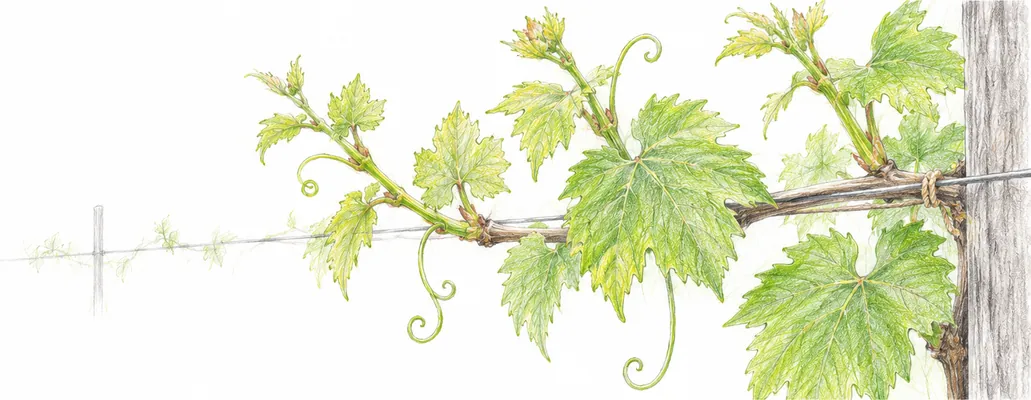
How Bazhena shoots grow

Observations by professionals and amateurs

Professionals 5 observations

  1. Minsk RegionBazhena regrew from lower down on the vine and still set a decent crop. It carried large bunches by late August.
  2. Minsk RegionSAT since 1 April — 569 °C, as usualmonthly precipitation — 156 mm, 2.6 times the usual; rain on 10 days of 1415% less sun than usualIn early June, Bazhena was examined alongside the neighbouring Roza Rannyaya. Most shoots of both varieties were already showing signs of a crop.
  3. Grodno Region, GrodnoSAT since 1 April — 1391 °C, the season is 11 days ahead of usualmonthly precipitation — 73 mm, about usualtwo weeks 2 °C warmer than usualBy 11 July, Bazhena was growing vigorously at a site in Grodno. Some shoots at the ends of the row were already about four metres long.
  4. Grodno Region, GrodnoSAT since 1 April — 745 °C, the season is 12 days ahead of usualmonthly precipitation — 42 mm, 40% less than usualtwo weeks 3 °C warmer than usualBefore flowering, most shoots had reached the third trellis wire, roughly a metre high. One had reached the fourth wire.
  5. Gomel Region, KalinkovichiFor the first few years, the vine barely grew in the imported soil. It started bearing fruit later, but its shoots stayed short.

Amateurs 0 observations

2

Weather, diseases and pests

Professionals 1 observation

  1. Gomel Region, KalinkovichiSAT since 1 April — 377 °C, as usualmonthly precipitation — 70 mm, 1.4 times the usualtwo weeks 2 °C colder than usual; nights below +8 °C — 11 of 14There was slight damage to the vine after spring frosts, but one shoot still carried three potential bunches.

Amateurs 2 observations

  1. Location not specifiedThe shoots had each unfolded five leaves. The tips touching the row cover were damaged by frost, and growth then stopped.
  2. Location not specifiedA grower spotted signs of a chimera on Bazhena. He attributed them to a genetic change and described how it can show up on shoots.
3

Work on the vine

Professionals 0 observations

Amateurs 1 observation

  1. Location not specifiedThe grower left the Bazhena shoot alone. About a week and a half later, a lateral shoot started growing from a leaf axil.

Weather in the observation lines is from AgERA5 data for the region: sum of active temperatures, precipitation.

Flowering

June — early July

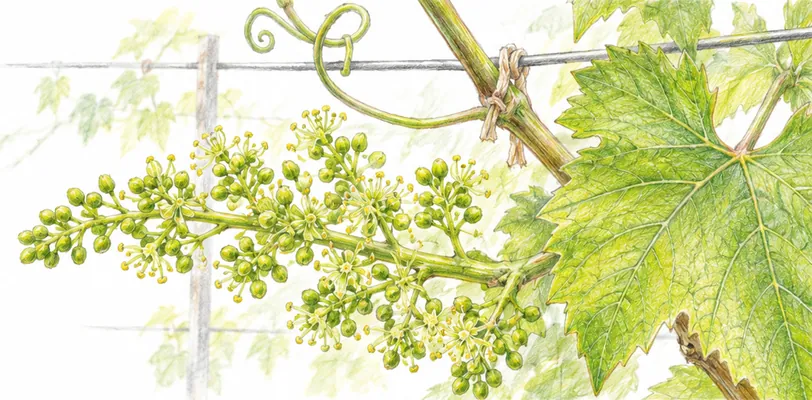
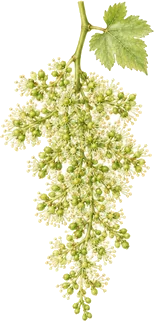
How Bazhena flowers and sets fruit

Observations by professionals and amateurs

Professionals 4 observations

  1. Grodno Region, LidaIn late August, the grower judged the outdoor fruit set good for that season, although the bunches also contained smaller berries.
  2. Grodno Region, LidaSAT since 1 April — 937 °C, as usualmonthly precipitation — 84 mm, about usualBy early July 2025, Bazhena in Lida had finished flowering and set berries. It also did well after flowering at the same site in 2023.
  3. Grodno Region, GrodnoSAT since 1 April — 760 °C, the season is 12 days ahead of usualmonthly precipitation — 43 mm, 40% less than usualtwo weeks 2 °C warmer than usualBazhena started flowering in Grodno on 8 June, when only some flowers had opened. By 16 June, the same vine was nearing the end of flowering.
  4. Gomel Region, KalinkovichiSAT since 1 April — 852 °C, as usualmonthly precipitation — 32 mm, 45% less than usualBazhena was already flowering in Kalinkavichy on 19 June. The vine had grown moderately, with flower clusters on relatively short shoots.

Amateurs 1 observation

  1. Gomel Region, GomelBazhena set fruit well at a site in Gomel. Pollination varied by variety there, and some varieties produced many small berries.
2

Weather, diseases and pests

No observations yet.

3

Work on the vine

No observations yet.

Weather in the observation lines is from AgERA5 data for the region: sum of active temperatures, precipitation.

Berry growth

July — August

How Bazhena berries swell

Professionals' observations

Professionals 10 observations

  1. Minsk RegionSAT since 1 April — 1664 °C, the season is 7 days behind usualmonthly precipitation — 46 mm, 35% less than usualBy mid-August 2026 in the Minsk region, some bunches contained large berries, while others showed shot berries. The smaller berries were still developing too.
  2. Minsk Region, SoligorskAt a site in Soligorsk, berry size was one reason the grower kept Bazhena. He continued growing it and singled it out for its large berries.
  3. Minsk RegionIn 2026, Bazhena in the Minsk region stood out for large berries early in their development. The season review also recorded large bunches under a good crop load.
  4. Gomel Region, KalinkovichiIn a greenhouseBy mid-July, berries in a greenhouse in Kalinkavichy were already large. The grower spotted signs of powdery mildew and treated the bunches with baking soda.
  5. Minsk RegionIn September 2025, bunches at a site in the Minsk region were smaller than the previous year. Some of the previous year’s bunches were estimated at around a kilogram.
  6. Grodno Region, GrodnoSAT since 1 April — 2002 °C, the season is 13 days ahead of usualmonthly precipitation — 119 mm, 1.7 times the usualBy mid-August 2024, the vine in Grodno had grown large bunches. The same bunches contained small seedless berries alongside the large ones.
  7. Gomel Region, KalinkovichiSAT since 1 April — 919 °C, the season is 4 days ahead of usualmonthly precipitation — 80 mm, about usual; rain on 10 days of 1415% less sun than usualThe vine in Kalinkavichy produced large berries and bunches. Some shoots set up to three bunches, allowing the grower to choose one.
  8. Minsk RegionIn the 2023 seasons at a site in the Minsk region, bunches were modest in size, but some individual berries grew very large.
  9. Gomel Region, KalinkovichiSAT since 1 April — 1748 °C, as usualmonthly precipitation — 77 mm, about usualIn 2023, the vine in Kalinkavichy produced its second crop. The berries were still growing in early August, and the crop was smaller than the grower had hoped.
  10. Gomel Region, KalinkovichiSAT since 1 April — 1069 °C, the season is 4 days behind usualmonthly precipitation — 36 mm, 40% less than usualtwo weeks 3 °C warmer than usualBy July 2022, a year after its first trial bunch, the vine had set its first substantial crop. The small berries fell off when touched.

Amateurs 0 observations

2

Weather, diseases and pests

Professionals 5 observations

  1. Gomel Region, KalinkovichiSAT since 1 April — 1657 °C, the season is 5 days behind usualmonthly precipitation — 62 mm, about usualIn early August in Kalinkavichy, the sun burned up to half of each affected bunch in a single day. The vine grew near trees, but even limited direct sunlight was enough to cause sunburn.
  2. Gomel Region, KalinkovichiAnthracnose was observed on Bazhena in Kalinkavichy in June 2025. Later the shoots turned black and no crop was expected. The cause of the severe damage was uncertain.
  3. Grodno Region, LidaSAT since 1 April — 2115 °C, the season is 14 days ahead of usualmonthly precipitation — 95 mm, 1.3 times the usualIn mid-August, Bazhena looked healthy outdoors in Lida. The established vine handled its crop load well that season.
  4. Gomel Region, KalinkovichiIn 2024, many berries were sunburned on the east side of the vine, which received direct sunlight only in the morning. The grower had to pick them out of the bunches.
  5. Gomel Region, KalinkovichiSAT since 1 April — 1949 °C, the season is 8 days ahead of usualmonthly precipitation — 48 mm, 35% less than usualIn early August, signs of powdery mildew were visible on the berries in Kalinkavichy. The outbreak led to more treatments that season than usual.

Amateurs 0 observations

3

Work on the vine

Professionals 4 observations

  1. Gomel Region, KalinkovichiSAT since 1 April — 1558 °C, the season is 4 days behind usualmonthly precipitation — 58 mm, about usualAfter the bunches were treated with a solution of baking soda and potassium permanganate, specks were still visible on some Bazhena berries.
  2. Grodno Region, GrodnoIn Grodno, the grower usually left one bunch per shoot on Bazhena. In his experience, the vine at this site struggled more with two bunches per shoot.
  3. Gomel Region, KalinkovichiLeaves developed burns after treatment for anthracnose. The grower suspected that the spray solution was too concentrated.
  4. Grodno Region, LidaWith a heavy crop in Lida, the berries stayed acidic for longer. They were still unripe in early September 2023, and in 2026 the grower expected the heavily cropped vine to be ready around mid-September.

Amateurs 0 observations

Weather in the observation lines is from AgERA5 data for the region: sum of active temperatures, precipitation.

Colouring

August

How Bazhena berries change colour

Professionals' observations

Professionals 3 observations

  1. Minsk RegionSAT since 1 April — 1664 °C, the season is 7 days behind usualmonthly precipitation — 46 mm, 35% less than usualBy 12 August in the Minsk region, the berries were beginning to soften and change colour. There were both large and small berries on one vine.
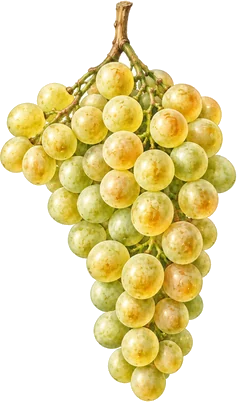
  2. Grodno Region, LidaSAT since 1 April — 1975 °C, the season is 5 days behind usualmonthly precipitation — 58 mm, about usualtwo weeks 3 °C colder than usualIn late August at a site in Lida, the Bazhena berries showed a slight blush. Small berries were visible among the full-sized berries in the same bunches.
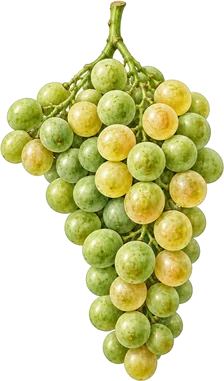
  3. Gomel Region, KalinkovichiSAT since 1 April — 2045 °C, the season is 8 days ahead of usualmonthly precipitation — 53 mm, 25% less than usualBy 8 August in Kalinkavichy, the pale berries were starting to develop a blush. They had softened, and the bunches could already be picked.

Amateurs 0 observations

2

Weather, diseases and pests

Professionals 1 observation

  1. Grodno Region, GrodnoSAT since 1 April — 1921 °C, the season is 4 days behind usualmonthly precipitation — 85 mm, about usualBy late August, sparrows were targeting Bazhena heavily. The grower at the Grodno site had to put the bunches in protective bags.

Amateurs 0 observations

3

Work on the vine

Professionals 1 observation

  1. Grodno Region, GrodnoIn Grodno, the biggest bunches were bagged to protect them from wasps and hornets. Some did not fit inside and could only be partially covered.

Amateurs 0 observations

Weather in the observation lines is from AgERA5 data for the region: sum of active temperatures, precipitation.

Ripening and harvest

August — September

Bazhena sugar, flavour and harvest timing

Observations by professionals and amateurs

Professionals 13 observations

  1. Minsk RegionIn mid-September in the Minsk region, Bazhena berries were described as very sweet and juicy, with a light fruity aroma. Both the bunches and the berries were large.
  2. Minsk Region, SoligorskSAT since 1 April — 2137 °C, the season is 9 days behind usualmonthly precipitation — 74 mm, 1.3 times the usual; rain on 8 days of 14By 10 September 2026, the entire Bazhena crop had been picked in Soligorsk. Some other varieties at the site had only been harvested in part by that date.
  3. Grodno Region, LidaSAT since 1 April — 1975 °C, the season is 5 days behind usualmonthly precipitation — 57 mm, about usualIn an outdoor planting in Lida, heavily cropped Bazhena was still unripe on 28 August. The berries were greenish, and the grower expected them to ripen around mid-September.
  4. Minsk Region, SoligorskIn Soligorsk, a grower kept growing Bazhena for its large berries. In his experience, customers readily bought the fruit.
  5. Gomel Region, KalinkovichiSAT since 1 April — 1558 °C, the season is 4 days behind usualmonthly precipitation — 58 mm, about usualBy 27 July in Kalinkavichy, Bazhena was behind Kataloniya, although they usually ripen together. The Bazhena berries were still swelling that day.
  6. Minsk RegionSAT since 1 April — 2353 °C, as usualmonthly precipitation — 28 mm, 45% less than usualtwo weeks 3 °C warmer than usualAt a site in the Minsk region, Bazhena was still not fully ripe by 20 September 2025. Bunches were noticeably smaller than in the previous season.
  7. Grodno Region, GrodnoSAT since 1 April — 2002 °C, the season is 13 days ahead of usualmonthly precipitation — 119 mm, 1.7 times the usualBy 11 August, the main vine in Grodno still had green berries and was about ten days behind in ripening. Its canes were just starting to turn yellow.
  8. Gomel Region, KalinkovichiSAT since 1 April — 2045 °C, the season is 8 days ahead of usualmonthly precipitation — 53 mm, 25% less than usualBy 8 August in Kalinkavichy, the berries had softened and the grower considered them ready to pick. The bunches were still on the vine that day.
  9. Minsk RegionAt a site in the Minsk region in 2023, Bazhena berries had grown very large but still tasted slightly sour and were unripe when inspected.
  10. Grodno Region, LidaSAT since 1 April — 2196 °C, as usualmonthly precipitation — 72 mm, about usualtwo weeks 3 °C warmer than usualIn an outdoor planting in Lida on 3 September 2023, the grower was already tasting Bazhena off the vine, but the berries still had some acidity. The bunches were left hanging.
  11. Gomel Region, KalinkovichiSAT since 1 April — 2292 °C, as usualmonthly precipitation — 22 mm, 55% less than usualtwo weeks 3 °C warmer than usualThe last bunches in Kalinkavichy were cut on 29 August. The grower reckoned they could have been harvested two weeks earlier, but left them for eating off the vine.
  12. Gomel Region, KalinkovichiIn Kalinkavichy, Bazhena ripened around the same time as Veles in 2023 and 2024. In early August 2024, the berries were left on the vine to ripen further.
  13. Gomel Region, KalinkovichiAt a site in Kalinkavichy, the berries were described as juicy, with a simple flavour and no Muscat aroma. The grower’s family liked the crop and decided to keep the vine.

Amateurs 0 observations

2

Weather, diseases and pests

Professionals 3 observations

  1. Gomel Region, KalinkovichiSAT since 1 April — 2052 °C, the season is 4 days behind usualmonthly precipitation — 33 mm, 50% less than usualAfter a downpour in Kalinkavichy, Bazhena growing outdoors showed no splitting. The grower was seeing splitting on another variety at the same site.
  2. Grodno Region, GrodnoIn Grodno, wasps and hornets readily fed on Bazhena berries. The grower observed fewer visits while the berries were still low in sugar.
  3. Gomel Region, KalinkovichiWasps damaged bunches in Kalinkavichy in 2023 and 2024. In 2024, some berries split after rain, and the leaking juice attracted wasps.

Amateurs 4 observations

  1. Gomel Region, GomelSAT since 1 April — 2154 °C, the season is 5 days behind usualmonthly precipitation — 43 mm, about usualIn August 2026, a single heavy rain in the Gomel district badly split Bazhena berries. The grower saw no splitting on his other vines at the time.
  2. Location not specifiedIn a greenhouseIn a greenhouse, Bazhena berries split regularly and more severely than those on the grower’s other vines. He removed the variety because of the repeated splitting.
  3. Gomel Region, GomelAfter rain in Gomel, some Bazhena berries split at the tips. The grower considered the damage minor compared with the rot on other varieties.
  4. Gomel Region, GomelThe berry tips split outdoors in Gomel, but the crop could still be eaten. Some other varieties on the same site split much more severely.
3

Work on the vine

No observations yet.

Weather in the observation lines is from AgERA5 data for the region: sum of active temperatures, precipitation.

Autumn

late September — October

How Bazhena canes ripen

Professionals' observations

Professionals 4 observations

  1. Grodno Region, LidaSAT since 1 April — 2378 °C, the season is 4 days behind usualmonthly precipitation — 68 mm, 1.4 times the usual20% less sun than usualOn 24 September 2026, Bazhena still had bunches hanging in Lida. The table grape season at the site was drawing to a close, and most varieties had already been picked.
  2. Minsk RegionBy late September 2023, Bazhena canes at a site in the Minsk region had started to ripen, but progress was still slow.
  3. Grodno Region, LidaSAT since 1 April — 2304 °C, the season is 24 days behind usualmonthly precipitation — 87 mm, 1.9 times the usual; rain on 8 days of 14By 9 October in Lida the canes had ripened along their full length, up to two metres. A few bunches were still hanging, and some berries split slightly after prolonged rain.
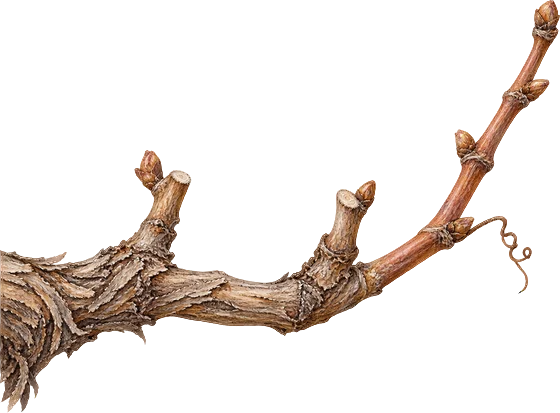
  4. Gomel Region, KalinkovichiAt a site in Kalinkavichy, the young vine’s canes were slow to mature. Only one cane had just managed to ripen by the end of the 2021 seasons.

Amateurs 0 observations

2

Weather, diseases and pests

No observations yet.

3

Work on the vine

No observations yet.

Weather in the observation lines is from AgERA5 data for the region: sum of active temperatures, precipitation.

Winter

November — March

How Bazhena vines overwintered

Observations by professionals and amateurs

No observations yet.

2

Weather, diseases and pests

Professionals 2 observations

  1. Grodno Region, GrodnoThe vine suffered cold damage after overwintering on the trellis. By mid-July it was regrowing from old wood without bunches, and young shoots broke in the wind and during tying.
  2. Gomel Region, KalinkovichiAfter cold weather in Kalinkavichy, Bazhena suffered some losses under film. A neighbouring variety at the same site suffered less under a different cover.

Amateurs 0 observations

3

Work on the vine

Professionals 0 observations

Amateurs 1 observation

  1. Location not specifiedIn a greenhouseThe grower cut back Bazhena hard in a greenhouse to renew its shoots. By 19 May, the vine had already put on clear new growth after pruning.

Bazhena’s strengths and risks

Strengths

  • Growers reported large, elongated berries and large bunches in several regions
  • Growers in Lida and Gomel reported good fruit set
  • Bunches in Kalinkavichy were ready to pick in August, and in Soligorsk the entire crop was picked by 10 September 2026
  • The berries are juicy. They can have a simple flavour without Muscat notes or taste sweet, with a light fruity aroma
  • At one site in Lida, canes up to two metres long had ripened along their full length by October

Risks in Belarus

  • With a heavy crop, the berries stay acidic longer. In some years they were still not fully ripe in September
  • After heavy rain, some growers had intact berries and others saw splitting. One grower also reported repeated splitting in a greenhouse
  • In hot weather the berries can sunburn even where the vine receives direct sunlight for only part of the day
  • Wasps, hornets and sparrows damage the bunches
  • Some sites reported powdery mildew and anthracnose
  • Spring frosts damaged buds and shoot tips. Canes ripened slowly at some sites

Suitable for growers who want large berries and are prepared to limit the number of bunches per shoot and protect the crop from sun, wasps and birds.

Origin: a hybrid bred by V. V. ZagorulkoUpdated How we collect observations