










CountryLanguage

Baikonur

Baikonur

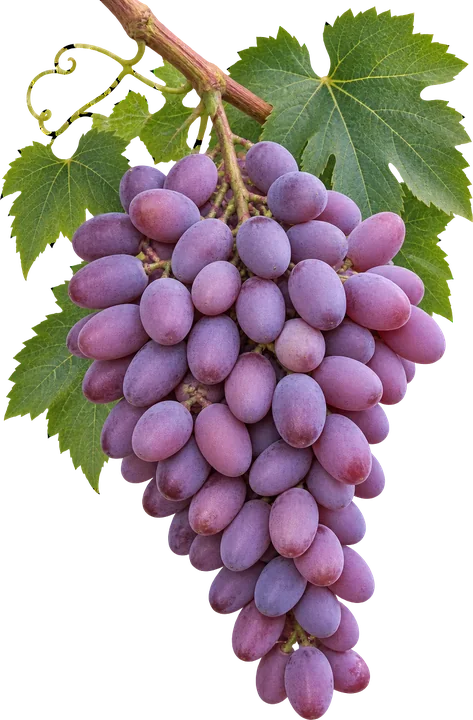
Large elongated berries with a harmonious taste. In Belarus the timing depends on the load and the site: the crop may be ripe in August–September, and sometimes does not ripen before the frosts.

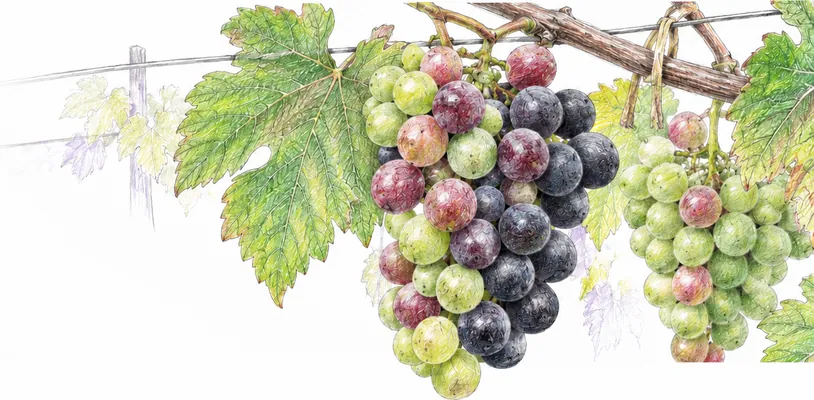
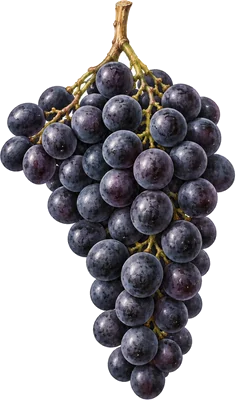
Baikonur: large elongated dark pink and purple berries with a bloom — AI illustration based on photos and the description of the variety
  • Ripening timeEarlyin Belarus — August to October, depending on conditions
  • Berry11–14 gdark purple; bunch 0.5–1 kg and more
  • Frost hardinessCoveredthe verified description says winter cover is needed
  • Sugar15–⁠17 Brixmeasurements in Belarus; individual years and plots
  • 220first-hand observations
  • 33amateur growers
  • 12professionals
  • 10seasons

The season of Baikonur in Belarus

Click a stage to see what happens on the vine and what growers saw.

Scroll the strip to see the whole season

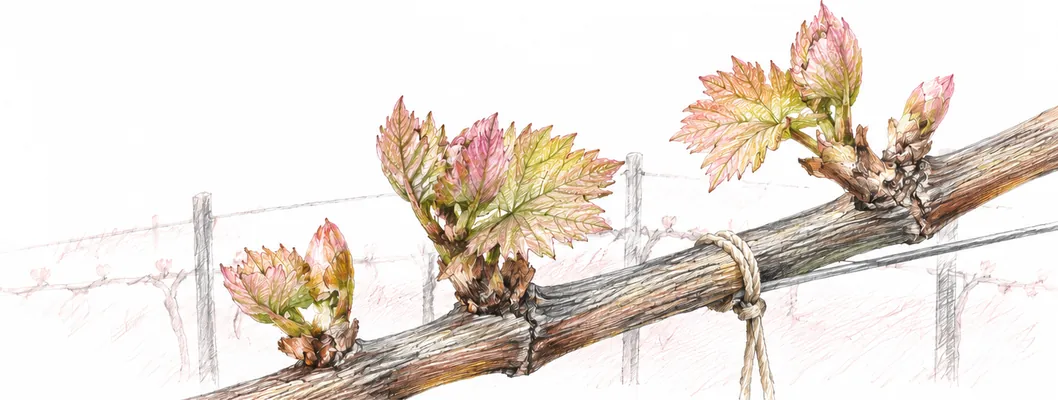
Bud break

late April — May

When Baikonur's buds break

Observations by professionals and amateurs
Professionals 1 observation

  1. Gomel Regionsteady warmth above +10 °C from 11 Mayfrosts down to −2 °C, the last on 29 AprilAfter a poor overwintering Baikonur woke up last on the plot: the first opened bud appeared on 10 May 2023, the day after the vine was dug out.

Amateurs 0 observations

2

Weather, diseases and pests

No observations yet.

3

Work on the vine

Professionals 2 observations

  1. Minsk Region, Smolevichi Districtsteady warmth above +10 °C from 19 Mayfrosts from −4 to −8 °C, the last on 9 MayBaikonur came through the May frosts of 2025 in a tunnel cover without visible damage; only a few buds of neighbouring varieties at the edges of the tunnel were damaged.
  2. Gomel Region, Kalinkovichisteady warmth above +10 °C from 17 Mayfrosts from −5 to −10 °C, the last on 6 MayIn spring 2025 Baikonur in Kalinkovichi was kept under an old blanket. After the frosts it had less damage than the neighbouring Bazhena, which was covered with film.

Amateurs 1 observation

  1. Location not specifiedAn autumn graft of Baikonur onto an arm of Kishmish 342 overwintered and opened its buds, but then began to dry up and died. The rootstock's own arms remained on the vine.

Weather in the observation lines is from AgERA5 data for the region: frosts, sum of active temperatures.

Shoot growth

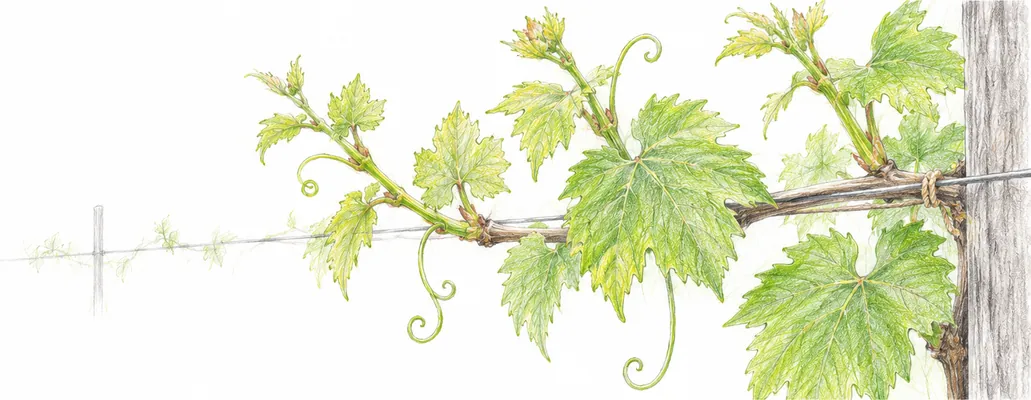
May — June

How Baikonur's shoots grow

Observations by professionals and amateurs

Professionals 12 observations

  1. Minsk Region, Ostroshitsky GorodokSAT since 1 April — 281 °C, as usualmonthly precipitation — 76 mm, 1.4 times the usualIn Ostroshitsky Gorodok by 24 May 2026 some Baikonur shoots had grown to the fourth wire. Three days earlier they had already passed the third; the vine grew in a warm spot.
  2. Gomel Region, KalinkovichiSAT since 1 April — 410 °C, as usualmonthly precipitation — 44 mm, about usualBy May 2026 a four-year-old Baikonur in Kalinkovichi was still producing mostly barren shoots and a few inflorescences. A year earlier it had only one small bunch.
  3. Grodno Region, GrodnoSAT since 1 April — 277 °C, as usualmonthly precipitation — 40 mm, 20% less than usualtwo weeks 5 °C colder than usual; nights below +8 °C — 14 of 14In 2025 Baikonur overwintered without losses and is throwing two bunches per shoot; according to the author, it is always on top form.
  4. Minsk RegionSAT since 1 April — 459 °C, the season is 7 days ahead of usualmonthly precipitation — 32 mm, 40% less than usualBy the end of May 2024 on a Minsk plot Baikonur had grown fairly large shoots; equally good development was noted on the Preobrazhenie growing next to it.
  5. Minsk Region, Minsk DistrictIn Minsk District in August 2022 Baikonur did not grow especially vigorously: the shoots were of medium thickness, not overly lush, yet the vine managed the load well.
  6. Grodno Region, LidaIn open ground near Lida Baikonur set three bunches per cane in 2022. Part of the crop was removed; the remaining bunches looked good by mid-August.
  7. Gomel Region, KalinkovichiSAT since 1 April — 1046 °C, the season is 4 days behind usualmonthly precipitation — 36 mm, 35% less than usualtwo weeks 3 °C warmer than usualYoung Baikonur is in no hurry to grow: in its first year it started growing only towards autumn, when moisture came, and in its second year there are no trial bunches.
  8. Minsk RegionIn September 2021 the young Baikonur vine was rather weak but already carried bunches. Their weight was estimated at about 450–500 g each.
  9. Gomel Region, KalinkovichiBaikonur plants set out in early spring 2021 grew slowly in August, like several other young plants on the plot.
  10. Vitebsk Region, NovopolotskIn a greenhouseIn a greenhouse in Novopolotsk by 24 May 2021 a young Baikonur had formed one inflorescence; it was left on the vine for a first crop.
  11. Minsk Region, MinskIn Minsk by 24 September 2020 a young Baikonur vine gave its first trial crop — two neat, handsome bunches.
  12. Vitebsk Region, NovopolotskIn a greenhouseIn the greenhouse at the end of April 2019 a young Baikonur was developing well. The weather on the plot was dry, and a lack of water prevented proper watering of the vines.

Amateurs 5 observations

  1. Location not specifiedIn the 2025 seasons Baikonur gave a full crop. The vine grew five metres from Armani, which the grower liked noticeably less in comparison.
  2. Location not specifiedIn the 2024 seasons a small crop was taken from second-year Baikonur. In these conditions the grower noted very vigorous growth, like that of Preobrazhenie.
  3. Location not specifiedIn May 2024, before flowering, Baikonur's inflorescences were noticeably larger than the year before. There was little time left before flowering began.
  4. Location not specifiedAn unusual inflorescence was noticed on Baikonur: a large wing pointed in the opposite direction from its main part.
  5. Grodno Region, GrodnoIn Grodno Baikonur gave its first crop in its third year: the vine was grown in open ground by a wall, and the first bunches were reported in early August 2023.
2

Weather, diseases and pests

Professionals 2 observations

  1. Gomel Region, KalinkovichiAfter cold rains in early June 2025 Baikonur was badly hit by anthracnose: water ran off the roof, and cold air drew in from the gate. The affected parts were cauterised and laterals grew, but the vine looks sorry.
  2. Gomel Region, KalinkovichiSAT since 1 April — 392 °C, as usualmonthly precipitation — 64 mm, about usualtwo weeks 2 °C colder than usual; nights below +8 °C — 9 of 14By 25 May 2025 Baikonur in Kalinkovichi had long shoots with two inflorescences each. At the same time the vine began to show chlorosis; tying up was postponed for fear of frosts.

Amateurs 1 observation

  1. Location not specifiedBaikonur was planted twice, and both times the young plants dried up at some point. The grower did not establish why the vines were lost, and then decided to replace the variety.
3

Work on the vine

Professionals 2 observations

  1. Grodno Region, GrodnoIn a greenhouseA grafted Baikonur in a greenhouse near Grodno gave its first small bunches by August 2025. The vine was used for experiments grafting several varieties.
  2. Gomel Region, KalinkovichiSAT since 1 April — 582 °C, as usualmonthly precipitation — 120 mm, 2.2 times the usual; rain on 12 days of 1420% less sun than usualAfter two rainy and windy weeks Baikonur was tied up by 5 June 2025. The shoots were long and good, although the vine still had a few gaps after the frosts.

Amateurs 2 observations

  1. Vitebsk RegionIn a greenhouseIn Vitebsk Region a green Baikonur shoot tip cut off in July accidentally grew into a vine in the greenhouse. On the same plot the variety was also grown in open ground.
  2. Location not specifiedA Baikonur rooted in March produced two laterals after the growing tip was removed. By 10 June they reached 20 and 50 cm; after planting out in open ground they grew to 2.5 and 4 m by October.

Weather in the observation lines is from AgERA5 data for the region: sum of active temperatures, precipitation.

Flowering

late May — June

How Baikonur flowers and sets berries

Observations by professionals and amateurs

Professionals 10 observations

  1. Grodno Region, GrodnoNear Grodno by 11 July 2026 Baikonur had pollinated well. Two bunches per shoot remained; part of the crop had already been removed, but the vine was still heavily loaded.
  2. Minsk Region, Minsk DistrictIn Minsk District in 2026 Baikonur pollinated excellently. In earlier seasons no millerandage was seen even in rain, but overly compact bunches had to be thinned.
  3. Minsk Region, Ostroshitsky GorodokSAT since 1 April — 415 °C, the season is 7 days behind usualmonthly precipitation — 81 mm, 1.4 times the usualIn Ostroshitsky Gorodok by 5 June 2026 Baikonur's flower caps had swelled, and the shoots had grown to the top wire. No open flowers were shown in this observation yet.
  4. Minsk Region, SoligorskIn a greenhouseIn 2025 both of the grower's Baikonur vines, one in the greenhouse and one outdoors, pollinated excellently. The grower noted no pollination problems on either.
  5. Grodno Region, GrodnoIn Grodno in 2025 Baikonur did not pollinate entirely successfully. By mid-August the bunches were starting to colour, but the grower was unhappy with the result of pollination.
  6. Grodno Region, LidaSAT since 1 April — 937 °C, as usualmonthly precipitation — 84 mm, about usualBaikonur pollinated well as always, even with some to spare: by 1 July 2025 the berries are the size of a bean and growing.
  7. Grodno Region, GrodnoSAT since 1 April — 868 °C, as usualmonthly precipitation — 103 mm, 1.6 times the usualNear Grodno by 27 June 2025 Baikonur had already finished flowering, a little later than Jupiter. On the plot Jupiter was the first to start flowering and the first to finish.
  8. Grodno Region, GrodnoOn a plot near Grodno Baikonur usually starts flowering later than the earliest neighbours. At the end of May 2025 the general start of flowering had already been observed, and it was counted among the laggards.
  9. Minsk RegionSAT since 1 April — 1035 °C, the season is 9 days ahead of usualmonthly precipitation — 83 mm, 1.4 times the usualOn a Minsk plot Baikonur was finishing flowering by 26 June 2024. The Athos growing next to it was only starting to flower on the same round.
  10. Minsk Region, SoligorskBaikonur's pollination went similarly year after year: the bunches came out sometimes more compact, sometimes looser. When the berries were more sparsely set, they were larger.

Amateurs 2 observations

  1. Location not specifiedBy 21 June 2025 Baikonur had not yet started flowering, while the earliest variety on the same plot had already set pea-sized berries.
  2. Minsk Region, SoligorskIn Soligorsk in the 2023 seasons Baikonur flowered at the same time as several neighbouring varieties, among them Landysh, Valyok, Liviya and Arkadia.
2

Weather, diseases and pests

Professionals 1 observation

  1. Minsk Region, SoligorskIn open ground in Soligorsk in 2025 Baikonur hardly pollinated: the inflorescences dropped and dried up. In earlier seasons the same vine pollinated well, sometimes even too densely.

Amateurs 2 observations

  1. Location not specifiedOn sandy soil Baikonur dropped at the start of flowering, then stopped. Automatic watering was switched off for the flowering period.
  2. Location not specifiedIn the 2023 seasons Baikonur dropped flower buds, but by ripening the bunches turned out normal: long, loose and quite large.
3

Work on the vine

Professionals 1 observation

  1. Minsk Region, SoligorskAfter the main flowering failed on Baikonur in 2025, the laterals were kept. By early August they had pollinated well, but the ripening of this crop has not yet been confirmed.

Amateurs 0 observations

Weather in the observation lines is from AgERA5 data for the region: sum of active temperatures, precipitation.

Berry growth

June — August

How Baikonur's berries fill

Observations by professionals and amateurs

Professionals 11 observations

  1. Grodno Region, GrodnoA five-year-old Baikonur vine is trouble-free: the cane ripens, the berry does not crack, bunches are a kilogram each, some over one and a half; the large berry has two or three seeds.
  2. Grodno Region, GrodnoSAT since 1 April — 814 °C, as usualmonthly precipitation — 78 mm, about usualNear Grodno by the end of June 2026 Baikonur had long winged bunches. The grower showed them as a typical result of the variety's steady fruiting.
  3. Grodno Region, GrodnoSAT since 1 April — 835 °C, as usualmonthly precipitation — 102 mm, 1.6 times the usualIn June 2025 Baikonur in Grodno had elongated bunches with pronounced wings. They were still lengthening and in shape resembled a long multi-stage rocket.
  4. Minsk Region, SoligorskWith a huge load in 2024 Baikonur's berries weighed 11.5–14.2 g but coloured unevenly; the flesh was jelly-like, the seeds brown.
  5. Minsk RegionSAT since 1 April — 1154 °C, the season is 10 days ahead of usualmonthly precipitation — 89 mm, 1.3 times the usualtwo weeks 3 °C warmer than usual; 20% more sun than usualIn early July 2024 on a Minsk plot Baikonur had very large bunches, like the Preobrazhenie growing next to it.
  6. Minsk RegionIn 2023 Baikonur's bunches were small, about 800 g, with large, even berries. One bunch per shoot was left, and the vine did not gain strength very well in this spot.
  7. Minsk RegionBy early August 2023 on a Minsk plot Baikonur was filling a handsome large bunch, while Preobrazhenie had small berries that season.
  8. Grodno Region, GrodnoWhen the 2022 crop was weighed, Baikonur's large berries showed 9.4, 10.6 and 11.3 g. Larger berries were deliberately taken for the measurement, so this is not the average weight of the whole crop.
  9. Grodno Region, GrodnoA two-year-old Baikonur vine has bunches of about 600–700 g; the berry is elongated, diamond-shaped in places, the largest up to 12–13 g, with few small berries.
  10. Minsk RegionAt Baikonur's first crop in 2020 the berries were very large and elongated. Fairly large bunches were estimated at roughly half a kilogram to a kilogram.
  11. Minsk Region, SoligorskBaikonur's bunches are cylindrical, but their compactness varies from year to year: when the berries are more sparsely set, they come out larger. This pattern was seen over several seasons.

Amateurs 1 observation

  1. Location not specifiedIn its first year a Baikonur plant put out canes of 2.5 and 4 m, more than half ripened. In the second year five shoots and three inflorescences were left on the long cane — by autumn they gave three bunches of 400–500 g.
2

Weather, diseases and pests

Professionals 6 observations

  1. Grodno Region, GrodnoWith standard spraying Baikonur shows quite good disease resistance on the plot. The grower confirmed this after the cool 2025 seasons as well.
  2. Gomel Region, KalinkovichiIn Kalinkovichi Baikonur declined sharply in the 2025 seasons and coped poorly with local conditions. The grower described its condition as very poor, unlike reports from other plots.
  3. Minsk Region, Smolevichi DistrictWith the usual spraying in Smolevichi District the grower saw no disease problems on Baikonur. Even with a decent load in 2025 its cane ripened well.
  4. Gomel Region, KalinkovichiSAT since 1 April — 1373 °C, the season is 7 days ahead of usualmonthly precipitation — 90 mm, 1.5 times the usualtwo weeks 3 °C warmer than usualBaikonur grows in a draught, and in 2024 after rain it was hit by anthracnose; it is possible that the leaves were scorched by a spray applied after the rain.
  5. Minsk Region, SoligorskSAT since 1 April — 1172 °C, the season is 10 days ahead of usualmonthly precipitation — 97 mm, 1.5 times the usualtwo weeks 3 °C warmer than usualIn Soligorsk in July 2024 sunburnt berries were shown on Baikonur. The bunches had been shaded with leaves; isolated parts that stayed exposed to the sun were damaged.
  6. Vitebsk Region, NovopolotskIn a greenhouseIn the greenhouse Baikonur planted the previous autumn was well developed by July 2016, but showed a little chlorosis.

Amateurs 5 observations

  1. Location not specifiedIn August 2025 Baikonur did not show the berry damage that appeared on Preobrazhenie growing next to it. On the neighbouring vine hail damage was suspected at first.
  2. Location not specifiedGrown with minimal spraying, Baikonur gave a good crop in 2024. Diseases were present on the plot, but their effect on this variety was not decisive.
  3. Location not specifiedIn a greenhouseIn the greenhouse in 2023 secretions appeared on Baikonur's bunch stems, although the berries, leaves and fully ripened cane showed no signs of disease.
  4. Location not specifiedAt Baikonur's first fruiting spots were noticed on only one bunch. The grower allowed that the load left might have been too heavy, and kept observing.
  5. Minsk Region, SoligorskIn Soligorsk in the 2021 seasons Baikonur stayed free of disease, while most of the other varieties on the plot suffered.
3

Work on the vine

Professionals 17 observations

  1. Minsk Region, SoligorskIn Soligorsk in 2026 the vigorous Baikonur was left with a heavy load on both planes, in places two bunches per shoot. By September one side was ripe, while the other was still ripening.
  2. Minsk Region, Minsk DistrictTwo bunches per shoot were left on Baikonur, but the biggest bunches were shortened; by early September the berry is already colouring.
  3. Minsk Region, SoligorskAfter an almost complete lack of crop in 2025 in Soligorsk, Baikonur was left with a great many bunches on both planes in 2026. The grower admitted having overloaded the vine again.
  4. Minsk RegionSAT since 1 April — 1350 °C, the season is 7 days behind usualmonthly precipitation — 89 mm, about usualOn a Minsk plot in July 2026 Baikonur, thinned to one bunch per shoot, filled its crop quite well. The result was good even in a spot where the vines usually grew weakly.
  5. Grodno Region, GrodnoIn Grodno in August 2025 the soil under Baikonur without mulch dried out on top. With the same watering, the soil under the neighbouring mulched vines stayed moist.
  6. Minsk Region, Smolevichi DistrictSAT since 1 April — 1759 °C, the season is 4 days behind usualmonthly precipitation — 130 mm, 1.8 times the usualIn the cool 2025 Baikonur's bunches are small, two per shoot were left; by mid-August they show no colour yet.
  7. Minsk RegionIn 2024 Baikonur was not thinned, with two bunches left per shoot: a beautiful, long, finger-shaped berry with a dense bloom.
  8. Minsk Region, Ostroshitsky GorodokIn Minsk District in 2024 Baikonur carried huge bunches, some estimated at almost 2 kg. In places two or three bunches per shoot were left, and the vine managed that load.
  9. Minsk RegionSAT since 1 April — 1933 °C, the season is 11 days ahead of usualmonthly precipitation — 89 mm, about usualOn a Minsk plot in August 2024 Baikonur was shaded because the berries were scorching. Some bunches had not yet started colouring by 9 August.
  10. Grodno Region, LidaIn a greenhouseIn a greenhouse near Lida on 27 July 2024, more than 50 bunches were left on 4–5 m of Baikonur trellis, two or three per shoot. Among the green berries there were already some edible dark ones.
  11. Grodno Region, GrodnoBaikonur's productivity is wild: in 2022 it threw two or three, in places four bunches per shoot, and about two thirds of the fruit set was removed; otherwise there would have been no question of early ripening.
  12. Gomel Region, GomelIn a greenhouseIn a greenhouse in Gomel an overloaded Baikonur had not ripened by the end of August 2022: ripeness was not expected for at least three weeks. The bunches weighed a kilogram and more.
  13. Minsk Region, Cherven DistrictIn a greenhouseIn the 2022 seasons an overloaded Baikonur in the greenhouse gave berries that seemed even smaller than on the vine in open ground. The grower attributed the difference to too many bunches.
  14. Minsk Region, Cherven DistrictIn Cherven District, in Baikonur's third year in open ground, one bunch was left per shoot. At the inspection the berries had already coloured and softened; the grower was pleased with the result.
  15. Minsk Region, SoligorskIn 2021 two bunches per shoot were left on Baikonur — a bit much for a late season: ripening lagged, but there was neither rot nor cracking.
  16. Minsk Region, SoligorskIn Soligorsk in 2020 Baikonur coped well with a heavy load: the bunches left on kept hanging and gaining sugar, and the picked berries sold well.
  17. Gomel Region, GomelIn Gomel Baikonur was somewhat overloaded in the 2019 seasons. The next season there were fewer bunches on the same vine; this was attributed to the previous year's load.

Amateurs 6 observations

  1. Location not specifiedIn 2026 one bunch per shoot was left on Baikonur, occasionally two. By 21 September the berry gave 17 Brix; the vine grew four metres from a concrete fence.
  2. Location not specifiedAfter gibberellin by the 30 + 30 mg scheme Baikonur's berries became more slender but were smaller than untreated ones. That was the result of the grower's own experience.
  3. Location not specifiedThe grower considered Baikonur somewhat late for this plot, but by adjusting the load got an edible berry. The grower remained satisfied with this result.
  4. Location not specifiedFor five crops in a row Baikonur has been left with about 10 kg of crop, half as much as another early variety — and still it ripens later.
  5. Location not specifiedTwo Baikonur vines from the same cutting ripen about a month apart: with 4–6 bunches the berries are eaten in August, with 30 bunches on a six-metre vine at the end of September.
  6. Location not specifiedIn the first years Baikonur was left with two bunches, and it reached condition only in a very favourable year. Now it is strictly one bunch per shoot — a large, sweet berry with jelly-like flesh.

Weather in the observation lines is from AgERA5 data for the region: sum of active temperatures, precipitation.

Colouring

late July — early September

How Baikonur's berries change colour

Observations by professionals and amateurs

Professionals 15 observations

  1. Grodno Region, GrodnoSAT since 1 April — 2110 °C, the season is 5 days behind usualmonthly precipitation — 76 mm, about usualBy 5 September 2026 Baikonur had only just started colouring — it always ripens unevenly. Even once coloured, it keeps hanging while it gains sugar and loses acidity.
  2. Minsk Region, Minsk DistrictSAT since 1 April — 1716 °C, the season is 7 days behind usualmonthly precipitation — 45 mm, 35% less than usualIn Minsk District on 15 August 2026 Baikonur was colouring unevenly: on one side the berries were already gaining colour, on the other the bunches stayed green.
  3. Minsk RegionOn a village plot by 25 August 2025 a young Baikonur was starting to colour. The bunches and berries there were noticeably smaller than those of the same variety at the dacha.
  4. Minsk RegionOn a dacha plot in Minsk Region by 18 August 2025 Baikonur had very large berries that had not yet started colouring.
  5. Grodno Region, GrodnoSAT since 1 April — 1765 °C, as usualmonthly precipitation — 116 mm, 1.4 times the usualIn Grodno by 14 August 2025 Baikonur had only just started to turn red. Its berries are elongated, finger-shaped; pollination this season was not entirely successful.
  6. Minsk Region, Ostroshitsky GorodokSAT since 1 April — 1804 °C, the season is 11 days ahead of usualmonthly precipitation — 93 mm, about usualIn Ostroshitsky Gorodok by 2 August 2024 Baikonur had started colouring. On shoots intertwined with a neighbouring variety there were still completely green berries.
  7. Grodno Region, LidaIn a greenhouseIn a greenhouse near Lida by 25 August 2023 Baikonur was colouring and already had sugar, but had not yet reached the desired sweetness. The strong vine carried a considerable load.
  8. Minsk RegionSAT since 1 April — 2221 °C, the season is 19 days behind usualmonthly precipitation — 54 mm, 1.3 times the usual; rain on 8 days of 1420% less sun than usualBaikonur grows in the shade, in a poor spot, but the bunches are impressive. By 20 September 2022 the berries on one side had coloured fully, on the light side not quite; the rain did not harm them.
  9. Minsk RegionSAT since 1 April — 1999 °C, the season is 6 days behind usualmonthly precipitation — 35 mm, 40% less than usual; two weeks without raintwo weeks 4 °C warmer than usual; 20% more sun than usualBy the end of August 2022 Baikonur was still filling its berries but already colouring intensively. The bunch on the sunnier side was greener than the one on the shady side.
  10. Minsk Region, Minsk DistrictSAT since 1 April — 1999 °C, the season is 6 days behind usualmonthly precipitation — 35 mm, 40% less than usual; two weeks without raintwo weeks 4 °C warmer than usual; 20% more sun than usualIn Minsk District on 29 August 2022 Baikonur bunches were still colouring. The vine coped well with the load, although its shoots were of medium thickness and growth was not especially vigorous.
  11. Vitebsk Region, Polotsk DistrictIn a greenhouseIn a greenhouse in Polotsk District on 21 August 2022 a young Baikonur was gaining colour, but it had a long time to hang before full ripeness. The neighbouring Veles was already being eaten.
  12. Gomel Region, GomelIn a greenhouseIn a greenhouse in Gomel in the 2021 seasons Baikonur carried a heavy load and hung well. The colour had not yet turned fully blue; ripening was expected in September.
  13. Vitebsk Region, Polotsk DistrictIn a greenhouseIn a greenhouse in Polotsk District on 18 August 2021 a two-year-old Baikonur had not yet reached its final colour. The crop still had to hang until fully ripe.
  14. Minsk Region, Ostroshitsky GorodokSAT since 1 April — 1918 °C, as usualmonthly precipitation — 69 mm, about usualIn Ostroshitsky Gorodok by 16 August 2021 Baikonur was gaining colour. On the same round an earlier neighbouring variety was already actively gaining sugar.
  15. Minsk RegionAt Baikonur's first crop in 2020 uneven colouring of the berries was noticed: even within a fairly large bunch, colour came unevenly.

Amateurs 6 observations

  1. Grodno RegionSAT since 1 April — 2010 °C, the season is 6 days behind usualmonthly precipitation — 63 mm, about usualIn a suburb of Grodno by 30 August 2026 Baikonur in open ground had already gained colour, while not all of Jupiter's bunches on the same plot had coloured.
  2. Location not specifiedIn a greenhouseFor this grower Baikonur stays pink in the greenhouse, while outdoors it gains a rich purple, almost black colour. The grower has seen the same difference in other varieties.
  3. Location not specifiedIn a greenhouseIn a UV-protected polycarbonate greenhouse Baikonur never once reached its outdoor colour in nine years: at most it stayed dark pink.
  4. Grodno Region, Grodno DistrictSAT since 1 April — 2077 °C, the season is 5 days behind usualmonthly precipitation — 43 mm, 35% less than usualIn open ground 12 km from Grodno, by 2 September 2025 some Baikonur bunches were already blue, others still green.
  5. Grodno Region, GrodnoSAT since 1 April — 1881 °C, as usualmonthly precipitation — 88 mm, about usualIn Grodno in 2025 Baikonur only started colouring by 21 August — the grapes there were uncovered in the first days of June.
  6. Mogilev RegionSAT since 1 April — 1768 °C, as usualmonthly precipitation — 87 mm, about usualIn Mogilev Region, on the south side in open ground, a trial bunch of Baikonur began colouring only on 7 August 2023.
2

Weather, diseases and pests

Professionals 4 observations

  1. Minsk Region, Minsk DistrictSAT since 1 April — 1853 °C, the season is 7 days behind usualmonthly precipitation — 50 mm, 25% less than usualAt the end of August 2026 Baikonur is only colouring, and the wasps are leaving it alone for now, while they would have eaten neighbouring unbagged varieties clean.
  2. Minsk Region, Smolevichi DistrictSAT since 1 April — 2232 °C, as usualmonthly precipitation — 20 mm, 60% less than usualtwo weeks 4 °C warmer than usual; 20% more sun than usualAlmost all of Baikonur's bunches hang in bags — more against birds than wasps; the small bunches that nobody bothered to cover have already been pecked by birds.
  3. Grodno Region, GrodnoSAT since 1 April — 2160 °C, as usualmonthly precipitation — 36 mm, 50% less than usualBirds love pecking Baikonur: in 2025 some of the bunches were pecked, and it became clear that it needs bags.
  4. Minsk RegionIn the 2024 seasons birds damaged individual berries on a Minsk Baikonur, after which they turned to raisins. Part of the crop on the trellis was protected with netting.

Amateurs 0 observations

3

Work on the vine

Professionals 1 observation

  1. Minsk RegionIn the 2023 seasons Baikonur's bunches were covered against birds: first the birds pecked the berries, then wasps finished off the damage. Protection was needed even for small bunches.

Amateurs 0 observations

Weather in the observation lines is from AgERA5 data for the region: sum of active temperatures, precipitation.

Ripening and harvest

August — October

Sugar, taste and harvest time of Baikonur

Observations by professionals and amateurs

When Baikonur ripens

13 observations without greenhouses · 2023–2026

Professionals7 observationsAmateurs6 observations

still ripeningripealready cutapproximate date

Scroll the dates ↔

What state the bunches were found in13 observations. A drop is one observation: filled — bunches ripe, hollow — still ripening, cross — already cut. Harvest window from 4 September to 9 October.harvest window · 4 September — 9 OctoberAugust510152025September510152025October510152025ProfessionalsAmateurs

Professionals 34 observations

  1. Minsk RegionOn a young arch in the 2026 seasons even pale Baikonur berries were crunchy, tasty and sweet. After plenty of rain the flesh did not become noticeably watery.
  2. Brest RegionIn the Pinsk area in the 2026 seasons, readings of Baikonur, Poslannik and Velika gave an average of only 16 Brix. All these varieties were grown in open ground.
  3. Minsk RegionIn the 2026 seasons at a dacha plot Baikonur had not fully coloured yet but was already edible. There was no strong acidity, although it still had a little way to go to the taste of a fully ripe berry.
  4. Grodno Region, GrodnoSAT since 1 April — 2259 °C, the season is 4 days behind usualmonthly precipitation — 81 mm, 1.5 times the usualNear Grodno by 15 September 2026 bunches could already be cut selectively from a five-year-old Baikonur. The large berry had two or three seeds, and the taste remained harmonious.
  5. Minsk Region, SoligorskSAT since 1 April — 2163 °C, the season is 9 days behind usualmonthly precipitation — 74 mm, 1.5 times the usual; rain on 7 days of 14In Soligorsk by 12 September 2026 the south side of a two-plane Baikonur was ready to cut, while the north side had not yet developed enough flavour. The crop was picked selectively.
  6. Belarus, location not specifiedBaikonur from open ground, shown in early September 2026, was still short of sugar. More sweetness was expected from the crop left on the vine.
  7. Grodno Region, GrodnoBaikonur's taste is harmonious and unobtrusive, with a gentle acidity; the berry has two small seeds. It usually ripens by late August or early September; in the first week of September 2025 the sugar was about 17 Brix.
  8. Minsk RegionBy 20 September 2025 Baikonur's dark berries are ripe, while the light burgundy ones still need to gain sugar. Even in the cold autumn of 2022 it did not let the grower down: it hung, eventually ripened and kept quite well.
  9. Grodno Region, GrodnoNear Grodno by mid-October 2025 the lateral crop of Baikonur had also ripened: the berries were already sweet and tasty. Other varieties were being finished off at the same time.
  10. Grodno Region, GrodnoIn Grodno in October 2025 Baikonur was still gaining sugar, but its harmonious taste with a light refreshing acidity was already appreciated. There was no cloying sweetness in the berry.
  11. Minsk Region, Smolevichi DistrictIn Smolevichi District by 1 October 2025 Baikonur stayed sourish and did not reach its usual condition. In the two previous seasons the crop ripened before the autumn frosts.
  12. Minsk Region, Minsk DistrictSAT since 1 April — 2415 °C, the season is 15 days behind usualmonthly precipitation — 27 mm, 45% less than usualIn Minsk District by 9 October 2025 Baikonur was ready for picking. The vine again gave a crop of handsome bunches; on this plot it fruits every year.
  13. Minsk Region, Dzerzhinsk DistrictOn a village plot in Dzerzhinsk District, by 20 September 2025 a young Baikonur on an arch was fully ripe. The berry was small but had already reached full colour.
  14. Minsk Region, Ostroshitsky GorodokSAT since 1 April — 2232 °C, as usualmonthly precipitation — 20 mm, 60% less than usualtwo weeks 4 °C warmer than usual; 20% more sun than usualIn Ostroshitsky Gorodok on 12 September 2025 it was still too early to pick Baikonur: the berries were gaining colour. In previous seasons it ripened on this plot.
  15. Minsk Region, Smolevichi DistrictIn Smolevichi District in the 2025 seasons Gusar lagged behind Baikonur in ripening. The grower noted that the order of ripening of several varieties changed that year.
  16. Grodno Region, GrodnoNear Grodno in early September 2025 Baikonur was already sweet but had not yet developed its usual full flavour. The bunches were left to hang longer; Jupiter next to it had almost all been picked.
  17. Minsk Region, LubanIn Luban Baikonur usually ripens in the first ten days of September, but in 2024 the whole crop was picked by the end of August. A whole arm of the vine had earlier been layered into the soil.
  18. Minsk Region, Minsk DistrictAt the market in the 2024 seasons Baikonur's large berries immediately attracted buyers with their looks; more modest-looking varieties got attention after tasting.
  19. Minsk RegionBaikonur keeps well: once it was eaten until mid-December. Cracks have never been seen on it; by 21 September 2024 it is fully ripe, with a harmonious, delicate taste and no astringency.
  20. Minsk Region, SoligorskIn Soligorsk in September 2024, even with a very heavy load, Baikonur gave a sweet, tasty berry. The flesh was jelly-like, with four seeds inside that were already brown.
  21. Grodno Region, GrodnoSAT since 1 April — 2486 °C, the season is 28 days ahead of usualmonthly precipitation — 52 mm, 20% less than usualtwo weeks 4 °C warmer than usual; 25% more sun than usualNear Grodno by 4 September 2024 Baikonur was fully ripe. In these conditions its timing was considered early, sometimes closer to early mid-season; there were no cracks on the berries.
  22. Grodno Region, GrodnoIn September 2024 the Baikonur crop was estimated at about 4 kg, no more. The small return bothered the grower, although the berry was very tasty and beautiful and the cane was ripening.
  23. Grodno Region, GrodnoSAT since 1 April — 2071 °C, the season is 13 days ahead of usualmonthly precipitation — 108 mm, 1.4 times the usualNear Grodno by 15 August 2024 Baikonur planted in autumn 2022 had not yet ripened. Large bunches with long finger-shaped berries remained on both planes of the trellis.
  24. Minsk RegionIn the 2023 seasons Baikonur on a Minsk plot became sweet around mid-September. By 22 September the bunches were fully ripe, with a harmonious, rich taste.
  25. Grodno Region, GrodnoSAT since 1 April — 2228 °C, the season is 4 days ahead of usualmonthly precipitation — 66 mm, about usualtwo weeks 3 °C warmer than usualBy 5 September 2023 a four-year-old Baikonur with no significant load was almost ripe. A very early date was not achievable here: under load, ripening was expected closer to early mid-season.
  26. Minsk Region, Minsk DistrictIn a greenhouseIn a greenhouse in Minsk District Baikonur at its second fruiting in 2022 gave a good berry with its own shade of flavour, but the grower did not call the crop especially sweet.
  27. Minsk RegionIn September 2022 Baikonur kept its firm, crunchy flesh and pleasant, harmonious taste after the rains. A bunch from the previous crop lasted until mid-December without special conditions.
  28. Minsk Region, LubanComparing two selections in the 2022 seasons, Baikonur gave a larger berry but ripened later than Etalon. The young vine had only its first small crop that year.
  29. Grodno Region, LidaSAT since 1 April — 2384 °C, the season is 18 days behind usualmonthly precipitation — 104 mm, 2.2 times the usual15% more sun than usualIn open ground near Lida in October 2021 Baikonur did not reach the desired ripeness: sugar could already be tasted, but the seeds were green and some berries were still completely unripe.
  30. Minsk Region, SoligorskAt the end of September 2021 in Soligorsk only a few bunches had been cut from Baikonur, while a year earlier the whole crop had been picked by then.
  31. Grodno Region, GrodnoOn 15 September 2021 Baikonur near Grodno was considered ripe: the berries gave 17 Brix at the top and 15 at the bottom. The taste was harmonious, without muscat, the flesh firm and slightly crunchy.
  32. Vitebsk Region, NovopolotskBy 12 September 2021 near Novopolotsk the first Baikonur crop was fully ripe. The grower noted no problems bringing these first bunches to ripeness.
  33. Minsk RegionNormally Baikonur ripens in early September; in 2020 the trial bunches were almost ripe by 20 September. The taste is crunchy and harmonious, and one bunch lay on the veranda for a month and a half without losing its looks or taste.
  34. Minsk Region, SoligorskIn Soligorsk by 1 September 2020 about 80% of Baikonur's bunches were ready to cut. On the north side of the trellis some bunches still needed to hang.

Amateurs 25 observations

  1. Minsk Region, Pukhovichi DistrictIn open ground in Pukhovichi District, at its second fruiting, Baikonur had not ripened by 22 September 2026. No spring forcing was done on the vine.
  2. Gomel Region, GomelIn Gomel the first three bunches of Baikonur were fully ripe by 19 September 2026. The grower stressed that the load had so far been small, a first crop.
  3. Location not specifiedOn 19 September 2026 the grower estimated Baikonur's sugar at no more than 12 Brix, but did not use an instrument to check: it was only an estimate by taste.
  4. Mogilev Region, MogilevIn a greenhouseIn a greenhouse in Mogilev on 1 September 2026 Baikonur had not yet ripened, nor had Arkadia, Aladdin and Krasotka. Earlier varieties there had been ripe by mid-August.
  5. Location not specifiedTasting both at once, the family preferred Baikonur's taste to Tsitrin's. Baikonur ripened later, but it was its berries that were eaten more eagerly once ripe.
  6. Minsk Region, Pukhovichi DistrictIn Pukhovichi District the trial bunches of Baikonur in open ground ripened in 2024, but in 2025 they were a week short of ripeness: a night frost on 22–23 September ended the season.
  7. Minsk Region, MinskBy a west, slightly north-facing wall in Minsk, Baikonur was picked before the frost in 2025. The colour and taste were satisfactory, but the seed was unripe; the vine was shaded by a neighbouring tree.
  8. Minsk Region, MinskSAT since 1 April — 2426 °C, the season is 27 days behind usualmonthly precipitation — 59 mm, about usual; rain on 8 days of 1425% less sun than usualBy a wall in Minsk Baikonur gained colour over the last two weeks of October 2025; a reading of 16 Brix, and the taste is already satisfactory, but it was left to hang.
  9. Minsk Region, MinskIn Minsk, after three years of growing, Baikonur became one of the favourite varieties: the bunches have strong stems, the berries a beautiful shape, and the non-muscat taste was especially welcome after muscats.
  10. Location not specifiedIn 2025 Baikonur started being eaten from the upper berries around the middle of September. By 20 September the taste and texture were complete, although the sugar may have been lower than the year before.
  11. Location not specifiedFor another grower in 2025 Baikonur's berry was watery, although the seed had coloured back in early September and the cane had ripened for a metre: the flavour of previous years was missing.
  12. Location not specifiedBy 20 September 2025 Baikonur had not yet reached the previous year's condition, and the family was waiting for it to ripen. On the same plot Preobrazhenie was already tasty.
  13. Location not specifiedBy 19 September 2025, after rain, Baikonur's sugar dropped; the grower decided it was time to harvest and was worried whether the cane would have time to ripen.
  14. Location not specifiedBy 18 September 2025 Baikonur, by the grower's estimate, still needed about two weeks. The berry was clean so far, but the crop was not yet fully ripe.
  15. Vitebsk Region, VitebskIn a greenhouseIn a greenhouse in Vitebsk by early September 2025 Baikonur had gained normal sugar, although several other varieties there had not yet reached acceptable sweetness.
  16. Grodno Region, GrodnoSAT since 1 April — 1804 °C, as usualmonthly precipitation — 110 mm, 1.4 times the usualIn open ground in Grodno by 16 August 2025 Baikonur was still only filling its berries. On the same plot Somerset Seedless had been eaten for a week, and Tsitrin was partly ripe.
  17. Location not specifiedIn a greenhouseBaikonur was grown in a 5 × 6 m greenhouse together with ten other vines. In January 2025 the grower noted that this planting had been giving decent crops for three years.
  18. Minsk Region, SlutskIn Slutsk Baikonur is considered an excellent variety for local conditions; in 2024 another vine was planted, and it was noticed that it roots poorly.
  19. Vitebsk RegionIn Vitebsk Region Baikonur berries were in good demand. One vine was grown outdoors, another in a greenhouse; on an arch the variety performed better.
  20. Location not specifiedIn a greenhouseIn a greenhouse, grown without sprays, Baikonur in 2024 gave large, beautiful berries and decent lateral bunches. The variety's resistance in these conditions was rated well.
  21. Location not specifiedIn a greenhouseIn the greenhouse in October 2024 Baikonur had many lateral bunches, as did Jupiter. Luchisty and Aladdin also had extra bunches.
  22. Minsk Region, PleshchenitsyOn a windswept plot near Pleshchenitsy Baikonur more or less reaches technical maturity only if the vine carries no more than 10 kg.
  23. Location not specifiedStored in a cellar, Baikonur's berries kept well until New Year, and by then the flesh had become jelly-like.
  24. Location not specifiedBaikonur keeps well in this grower's fridge at +3 °C. The crop for storage was cut in September, without waiting for the berries to start turning to raisins on the vine.
  25. Location not specifiedThis grower's Baikonur shrivels badly in storage: on the vine it starts turning to raisins by mid-September, and in the fridge it becomes almost raisins by early December.
2

Weather, diseases and pests

Professionals 7 observations

  1. Minsk Region, Minsk DistrictSAT since 1 April — 1801 °C, the season is 7 days behind usualmonthly precipitation — 57 mm, about usualAfter the rains in August 2026 all is well with Baikonur — no cracks, although it is still far from ripe.
  2. Grodno Region, GrodnoIn early September 2025 a single cracked berry was noticed on Baikonur near Grodno. The other large finger-shaped berries were already sweet but had not yet developed their full flavour.
  3. Grodno Region, GrodnoSAT since 1 April — 2446 °C, the season is 8 days ahead of usualmonthly precipitation — 40 mm, 30% less than usualtwo weeks 3 °C warmer than usual; 20% more sun than usualBy 18 September 2023 Baikonur has been ripe for about two weeks: there is sugar, the acidity is long gone, no cracks, and the thin cane has ripened right to the tips; the crop is small this year.
  4. Grodno Region, GrodnoSAT since 1 April — 2228 °C, the season is 4 days ahead of usualmonthly precipitation — 66 mm, about usualtwo weeks 3 °C warmer than usualIn September 2023 there were almost no cracks on Baikonur: only a couple of dried-up cracked small berries were noticed. The main crop on the lightly loaded vine stayed intact.
  5. Grodno Region, GrodnoAfter a frost of about −2 °C at the bottom wire on 7 September 2022, Baikonur's not yet fully ripe berries began to drop a day later. The frost recurred later in September.
  6. Grodno Region, GrodnoSAT since 1 April — 2304 °C, as usualmonthly precipitation — 55 mm, about usualIn mid-September 2021 not a single cracked berry on Baikonur; sugar 17 Brix at the top of the bunch and 15 at the bottom — basically it is ripe.
  7. Minsk Region, MinskSAT since 1 April — 2178 °C, as usualmonthly precipitation — 81 mm, 1.4 times the usual20% less sun than usualAfter prolonged rain, by early September 2021 Baikonur on a Minsk plot kept its berries intact: no cracks were seen on it, although some other varieties cracked.

Amateurs 2 observations

  1. Location not specifiedIn autumn 2025 Baikonur next to Bespodobny kept well. The neighbouring variety lost its looks, was damaged by insects and rotted, while no such problems were seen on Baikonur.
  2. Grodno Region, Lida DistrictIn Lida District Baikonur ripened four years in a row in varying weather. In the 2022 seasons not a single berry cracked after heavy rain, but with long hanging the berries began to turn to raisins.
3

Work on the vine

No observations yet.

Weather in the observation lines is from AgERA5 data for the region: sum of active temperatures, precipitation.

Autumn

late August — November

How Baikonur's cane ripens

Observations by professionals and amateurs

Professionals 18 observations

  1. Minsk Region, SoligorskIn Soligorsk in September 2026 Baikonur's cane ripened well both in the greenhouse and outdoors, despite a very heavy load. In places two bunches per shoot were left.
  2. Minsk Region, Ostroshitsky GorodokOn 2 November 2025 Baikonur is still hanging on the vine: three days of rain have not bothered it, the bunches are intact and are being cut and eaten little by little.
  3. Grodno Region, GrodnoSAT since 1 April — 2454 °C, the season is 15 days behind usualmonthly precipitation — 37 mm, 30% less than usualnights below +8 °C — 14 of 14In Grodno in October 2025 the blue-violet berries of Baikonur kept well on the vine. The bunches were still hanging under load and had not yet started to drop.
  4. Minsk Region, Smolevichi DistrictSAT since 1 April — 2404 °C, the season is 13 days behind usualmonthly precipitation — 26 mm, 30% less than usualtwo weeks 2 °C colder than usual; nights below +8 °C — 14 of 14In Smolevichi District by 6 October 2025 a few bunches were still ripening on Baikonur's outer shoots, but the cane was ripening excellently, better than on the neighbouring Veles.
  5. Minsk RegionOn a Minsk plot Baikonur grew moderately in the 2024 seasons and gained strength weakly in a poor spot, but the cane, as in previous years, ripened fairly well.
  6. Minsk Region, Ostroshitsky GorodokWith a heavy load in the 2024 seasons Baikonur's cane in Minsk District had fully ripened. At inspection the crop was considered almost ripe, although it was not very early here.
  7. Grodno Region, GrodnoSAT since 1 April — 2486 °C, the season is 28 days ahead of usualmonthly precipitation — 52 mm, 20% less than usualtwo weeks 4 °C warmer than usual; 25% more sun than usualNear Grodno by early September 2024 Baikonur's relatively thin cane was ripening very well. On this plot the vine was not especially vigorous.
  8. Minsk Region, Ostroshitsky GorodokSAT since 1 April — 2781 °C, as usualmonthly precipitation — 84 mm, 1.7 times the usual; rain on 11 days of 1440% less sun than usualIn Ostroshitsky Gorodok a Baikonur bunch was deliberately left on the vine until 29 October 2023. The large berries had long been ripe but kept hanging without noticeable cracks.
  9. Minsk RegionSAT since 1 April — 2702 °C, as usualmonthly precipitation — 17 mm, 60% less than usualtwo weeks 4 °C warmer than usual; 25% more sun than usualBy early October 2023 Baikonur's cane had ripened for about one and a half metres, on a par with neighbouring varieties, although it was slightly behind that year.
  10. Grodno Region, GrodnoSAT since 1 April — 2446 °C, the season is 8 days ahead of usualmonthly precipitation — 40 mm, 30% less than usualtwo weeks 3 °C warmer than usual; 20% more sun than usualBy mid-September 2023 Baikonur's thin cane had ripened to the tips. There was not much crop on the vine; some bunches had already been cut, and the rest hung without cracks.
  11. Grodno Region, LidaBy 13 September 2023 a grower from Lida who brought a crop to the show still had Baikonur hanging on the vine.
  12. Gomel Region, KalinkovichiSAT since 1 April — 2441 °C, as usualmonthly precipitation — 11 mm, 75% less than usualtwo weeks 3 °C warmer than usualThe first trial bunch of Baikonur in early September 2023 is already tasty, but it was left to hang. The cane is small and thin, but it ripened very well this year.
  13. Grodno Region, GrodnoSAT since 1 April — 2228 °C, the season is 4 days ahead of usualmonthly precipitation — 66 mm, about usualtwo weeks 3 °C warmer than usualBy 5 September 2023 on a four-year-old Baikonur carrying almost no crop, the cane had already turned woody almost along its whole length. Shoot ripening was rated very good.
  14. Grodno Region, LidaNear Lida Baikonur ripened its cane well in 2022: the ripened length was estimated at more than two metres. On 20 October the berries were still hanging and were cut before a forecast frost.
  15. Gomel Region, KalinkovichiIn the first season after planting Baikonur stood without growth for a long time, then towards autumn, after moisture came, it put out a long branch. This late-grown branch did not ripen by winter.
  16. Grodno Region, GrodnoBy early November 2021 Baikonur's cane near Grodno had ripened very well. The shoots were relatively thin, and at autumn pruning the ripened parts were easy to tell apart.
  17. Grodno Region, GrodnoSAT since 1 April — 2304 °C, as usualmonthly precipitation — 55 mm, about usualBy mid-September 2021 Baikonur's cane had ripened for half a metre or more; it is of medium thickness, even on the thin side, so the vine does not grow too lush.
  18. Vitebsk Region, NovopolotskIn a greenhouseIn a greenhouse near Novopolotsk by early September 2017 the cane of a young Baikonur plant had already ripened. The vine itself developed normally; no crop from it has been shown yet.

Amateurs 5 observations

  1. Minsk Region, MinskBaikonur by a wall in Minsk was going to be removed because of its late timing, but it keeps better on the vine than in a box: the 2025 crop was picked only before the frost in mid-November.
  2. Brest Region, Brest DistrictSAT since 1 April — 3134 °C, as usualmonthly precipitation — 58 mm, about usual; rain on 7 days of 14Near Brest, in open ground, a couple of Baikonur bunches hung until mid-October 2024: some overripe berries began to spoil, but the taste did not change.
  3. Location not specifiedIn a greenhouseBy 16 October 2024 there were still plenty of lateral bunches of Baikonur in the greenhouse, as well as of Jupiter and Luchisty. The main crop on other varieties was also still there in places.
  4. Vitebsk RegionIn a hotbedIn Vitebsk Region in mid-October 2024 Baikonur was still hanging in a hotbed together with Antoniy Veliky and Aladdin; the crop was kept until frosts harder than −2 °C.
  5. Minsk Region, LubanIn open ground in Luban a Baikonur bunch was deliberately left to test hanging. The last crop was cut at the end of September 2021: there was no rot, and the taste had improved.
2

Weather, diseases and pests

Professionals 1 observation

  1. Minsk Region, MinskSAT since 1 April — 2077 °C, the season is 11 days behind usualmonthly precipitation — 9 mm, 85% less than usual; two weeks without rainnights below +8 °C — 7 of 14; 15% more sun than usualAfter the September frost of 2022 the lower part of Baikonur stayed intact, while the upper leaves were damaged in stripes. In places the leaves were hit quite hard.

Amateurs 3 observations

  1. Location not specifiedFor this grower Baikonur, like Pamyati Uchitelya, does not tolerate long hanging on the vine: the berries start to rot.
  2. Grodno Region, GrodnoIn Grodno, after the autumn frost of 2025, Baikonur dropped its leaves, while on the other vines the leaves were still holding on at the beginning of October.
  3. Grodno Region, GrodnoIn Grodno, after an autumn frost in the 2022 seasons, a few Baikonur bunches were still left on the vines. The grower felt the weather had not allowed a decent crop.
3

Work on the vine

Professionals 0 observations

Amateurs 2 observations

  1. Minsk Region, MinskBy a wall in Minsk a ripe Baikonur was deliberately left until November in 2025. The autumn frosts passed without loss of crop, as the vine was covered with Dornit fabric.
  2. Location not specifiedAfter feeding with monopotassium phosphate and potassium sulphate from August 2025, Baikonur's cane had ripened almost to the top wire by 20 September. The berry reached full condition at the same time.

Weather in the observation lines is from AgERA5 data for the region: sum of active temperatures, precipitation.

Winter

November — April

How the Baikonur vine overwintered

Observations by professionals and amateurs

Professionals 2 observations

  1. Grodno Region, GrodnoAt a spring inspection of cuttings Baikonur's cane was noted to be very light in colour. Compared with cuttings of dark wine varieties the difference was especially noticeable.
  2. Gomel RegionOne Baikonur vine overwintered poorly and woke up last of all: only on 10 May 2023, after being dug out, did the first bud appear on it.

Amateurs 1 observation

  1. Location not specifiedThe vines spent the winter of 2025/26 with no cover at all. After it one variety did not even put out shoots from the root, while Baikonur sent up shoots from the base.
2

Weather, diseases and pests

No observations yet.

3

Work on the vine

Professionals 1 observation

  1. Gomel Region, GomelIn a greenhouseIn Gomel, Baikonur in the greenhouse is usually spur-pruned to two buds and gives full bunches with even berries. In 2026 the result held even after the roof was lost in June.

Amateurs 3 observations

  1. Grodno Region, GrodnoIn open ground in Grodno, in 2026, Baikonur's first bunches sat only from the sixth bud, so spurs are useless there; in the greenhouse it gave bunches from the first buds.
  2. Location not specifiedAfter short spur pruning of Baikonur the grower's bunches turned out better and the berries larger than with other pruning on this plot.
  3. Location not specifiedThe Baikonur vine is more than ten years old: the arms had grown very long and had to be cut back for new ones, so in 2023 there are few bunches and almost no crop load.

Strengths and risks of Baikonur

Strengths

  • Large elongated berries: 11–14 g in descriptions, while Belarusian measurements found berries over 14 g and bunches heavier than a kilogram
  • A harmonious taste without muscat; the flesh can be firm, crunchy or jelly-like
  • On many plots in different seasons the berries stayed intact after rain; occasional cracks occurred too
  • For some growers ripe bunches kept on the vine until November, and the picked crop until December
  • In a number of seasons the cane ripened well even with a crop, sometimes right to the shoot tips
  • In greenhouses an extra crop was taken from laterals; near Grodno there is also successful experience of them ripening in autumn

Risks in Belarus

  • In a cold season ripening drags on into October or the crop does not make it before the frosts; there are failures even in a greenhouse
  • Overloading delays ripening: two vines from the same cutting with different loads gave ripe berries about a month apart
  • Pollination depends on the season: for some growers the vines pollinated well, for others in 2025 the inflorescences dropped and dried up
  • There are cases of severe anthracnose after cold rain and of sunburn on bunches exposed to the sun
  • Birds, wasps and hornets damage the crop; bunches not covered with bags may be eaten
  • In the rainy 2025 the flesh stayed firm for some growers, while for others the berry became watery and lost its usual taste
  • Long hanging and storage do not work for everyone: berries may turn to raisins, shrivel or rot
  • Short pruning gives mixed results: in one experiment two-bud spurs fruit well, while near Grodno outdoors the first bunches came only from the sixth bud

For those prepared to choose a warm spot, adjust the load and protect the bunches from birds; even in a greenhouse it is worth checking ripening times on your own plot.

Origin: Russia, amateur breeding by Ye. G. Pavlovsky: Talisman × KrasotkaUpdated How we collect observations