










CountryLanguage

Arochny

Arochny

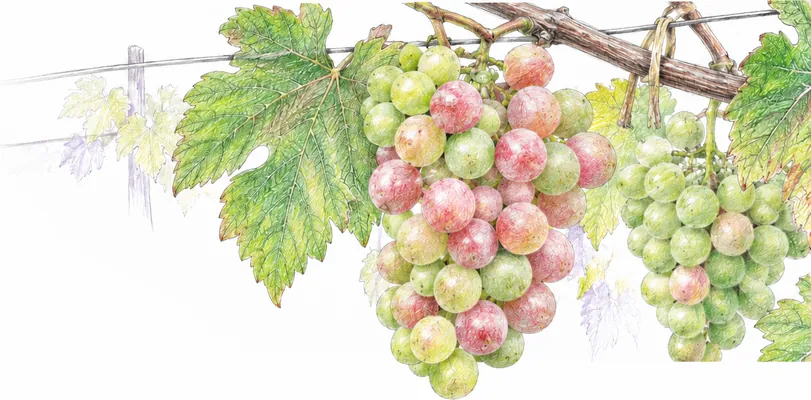
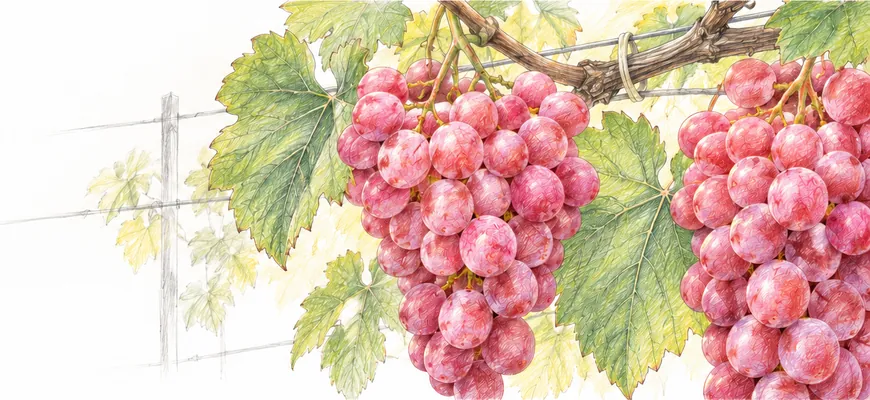
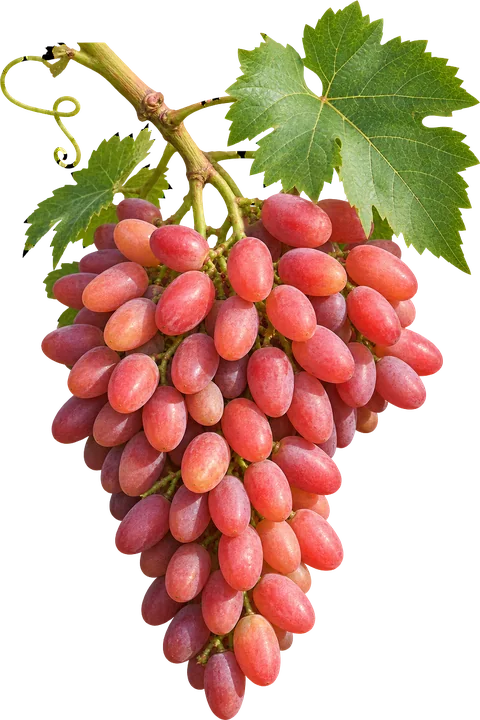
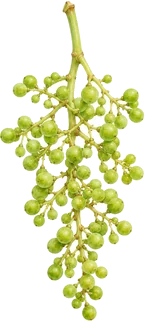
A pink table grape with crisp flesh and large seeds. In Navapolatsk growers got ripe bunches in a greenhouse.

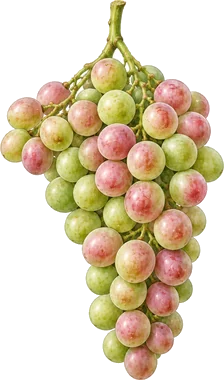
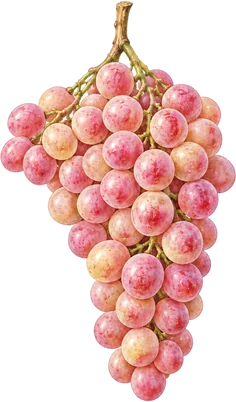
Arochny: a pink bunch of elongated berries — AI illustration based on photos and a variety description
  • Ripening timeEarlyaccording to the register, with greenhouse ripeness reported in Navapolatsk from August to early September
  • BerryLargepink, elongated oval, with large seeds
  • Frost hardiness−23…⁠−26 °Caccording to the reference, with varied local winter survival reports
  • Sugar15–⁠15.5 Brixtwo local August measurements from different sites
  • 34first-hand observations
  • 8amateur growers
  • 4professionals
  • 10seasons

Arochny's growing season in Belarus

Click a stage to see what happens on the vine and what growers saw.

Scroll the strip to see the whole season

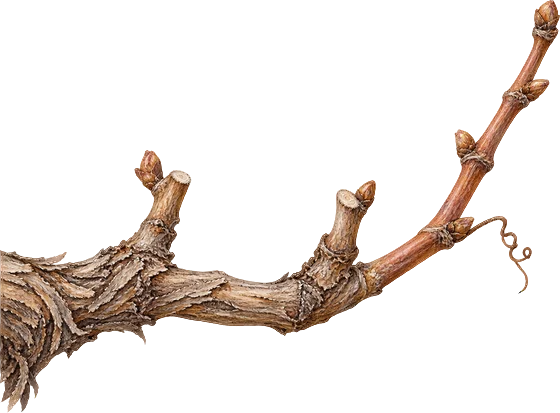
Bud break

April - May

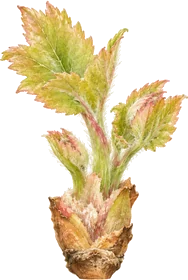
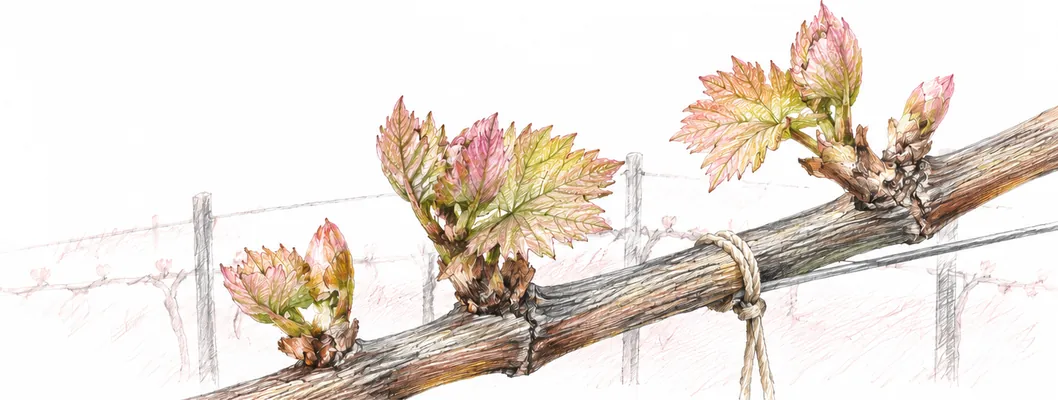
When Arochny buds break

Amateurs' observations
Professionals 0 observations

Amateurs 2 observations

  1. Gomel RegionIn Gomel Region the potted vine's buds did not open in the month after removal from cellar storage. The grower could see green tissue on cut shoots.
  2. Vitebsk Region, NovopolotskIn a greenhouseIn a greenhouse near Navapolatsk, by 29 April 2015 all the buds on the established vine had opened. It was among the most advanced vines.
2

Weather, diseases and pests

Professionals 0 observations

Amateurs 1 observation

  1. Mogilev Region, BobruiskIn Babruysk frost damaged spring shoots on several vines planted in autumn, including Arochny. After the damage, shoots grew back from the base.
3

Work on the vine

No observations yet.

Shoot growth

May - July

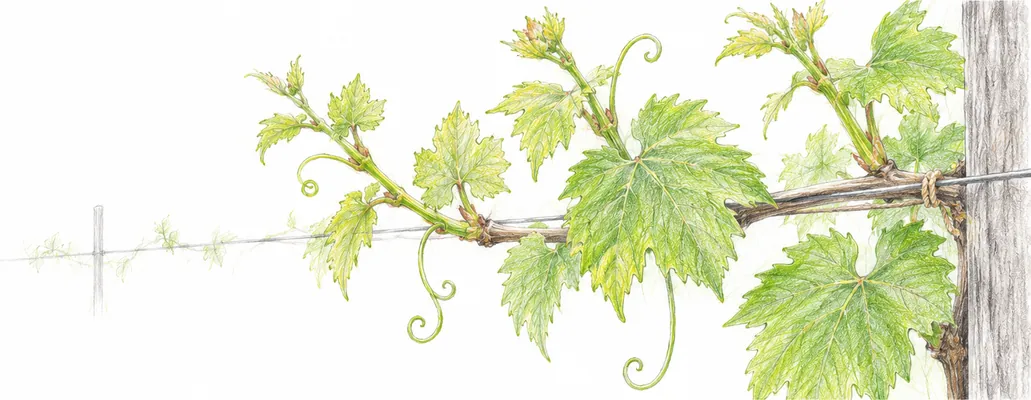
How Arochny shoots grow

Professionals' observations

Professionals 3 observations

  1. Grodno Region, LidaIn a greenhouseIn Lida the grower noted vigorous growth and unusually large leaves. During a greenhouse inspection, Arochny stood out among neighbouring vines for leaf size.
  2. Grodno Region, LidaDuring an inspection on 4 August 2019, the grower saw strong growth. He showed three shoots on one cane, and bunches were already colouring on the vine.
  3. Vitebsk Region, NovopolotskIn a greenhouseIn the greenhouse in Navapolatsk, the mature vine occupied a lot of room. In July 2016 the grower showed smaller bunches than the previous year but was pleased with the crop.

Amateurs 0 observations

2

Weather, diseases and pests

No observations yet.

3

Work on the vine

Professionals 1 observation

  1. Grodno Region, GrodnoIn Hrodna the grower unpacked a weak Arochny plant with a dried tip. At a later check, he saw growth from the remaining live buds.

Amateurs 0 observations

Flowering

June

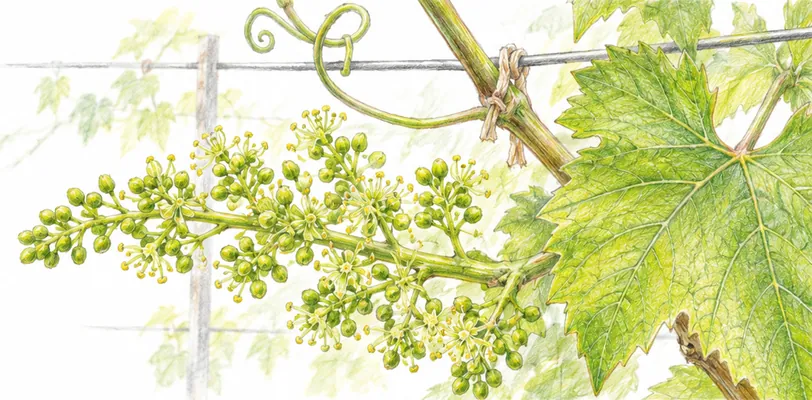
How Arochny flowers and sets fruit

Professionals' observations

Professionals 3 observations

  1. Grodno Region, LidaIn a greenhouseIn late June 2020, Arochny was already in active flower in the greenhouse. The grower again saw dark tips on the flower caps that season.
  2. Vitebsk Region, NovopolotskIn Navapolatsk, inspecting bunches that had started to colour, the grower found fruit set satisfactory. He was also satisfied with it in another season.
  3. Grodno Region, LidaSAT since 1 April — 1108 °C, the season is 21 days ahead of usualmonthly precipitation — 10 mm, 85% less than usualIn Lida in June 2018, the vine started flowering. Looking closely, the grower spotted dark dots on the flower caps.

Amateurs 0 observations

2

Weather, diseases and pests

No observations yet.

3

Work on the vine

No observations yet.
Weather in the observation lines is from AgERA5 data for the region: sum of active temperatures, precipitation.

Berry growth

July — August

How Arochny berries develop

Observations by professionals and amateurs

Professionals 3 observations

  1. Grodno Region, LidaThe grower in Lida got moderately tight bunches weighing around 400–700 g. His berries were oval, with a distinct tip.
  2. Vitebsk Region, NovopolotskIn a greenhouseIn a greenhouse near Navapolatsk the vine cropped well in different seasons. The grower saw shoots carrying two bunches that were filling out.
  3. Vitebsk Region, NovopolotskIn a greenhouseIn August 2017 the grower compared bunches on two neighbouring vines in the greenhouse. Some Livia bunches were bigger than those of Arochny.

Amateurs 0 observations

2

Weather, diseases and pests

Professionals 1 observation

  1. Grodno Region, LidaAt his Lida site the grower saw no sign of disease on the vine during inspection. He had treated the vineyard three times that season.

Amateurs 2 observations

  1. Location not specifiedAt an inspection in late August 2025 the grower saw clean leaves on Arochny. He had last treated the vine on 3 August.
  2. Grodno Region, GrodnoIn Hrodna by a south-facing wall, the grower saw only a few berries on Arochny, but they were intact. Berries of two other varieties on the site had split and rotted.
3

Work on the vine

No observations yet.

Colouring

late July — August

How Arochny berries change color

Observations by professionals and amateurs

Professionals 4 observations

  1. Grodno Region, LidaSAT since 1 April — 1919 °C, the season is 8 days behind usualmonthly precipitation — 49 mm, 25% less than usualIn late August 2020, berries on the vine in Lida were colouring unevenly. Some bunches stayed green while others had turned red.
  2. Grodno Region, LidaSAT since 1 April — 1730 °C, the season is 6 days ahead of usualmonthly precipitation — 61 mm, 30% less than usualIn Lida on 4 August 2019 the bunches were changing colour. The grower showed the colour developing and expected a pink hue.
  3. Vitebsk Region, NovopolotskInspecting the harvest, the grower noted Arochny's two-tone berries. The bunches were already packed into boxes.
  4. Vitebsk Region, NovopolotskIn a greenhouseIn a greenhouse in Navapolatsk in late July 2016, the grower noted that the berries were starting to colour. The bunches were already clearly visible on the vine.

Amateurs 1 observation

  1. Vitebsk Region, NovopolotskIn a greenhouseIn a greenhouse in northern Belarus, berries took on colour gradually in August 2017. By the September inspection the bunches were yellow-pink.
2

Weather, diseases and pests

No observations yet.

3

Work on the vine

No observations yet.

Weather in the observation lines is from AgERA5 data for the region: sum of active temperatures, precipitation.

Ripening and harvest

August — September

Sugar, flavor, and harvest dates for Arochny

Observations by professionals and amateurs

Professionals 2 observations

  1. Grodno Region, LidaSAT since 1 April — 2293 °C, the season is 8 days behind usualmonthly precipitation — 75 mm, 1.4 times the usualBy a September inspection in Lida, Arochny's crop was finished. The grower listed it among the varieties whose bunches had already been eaten.
  2. Grodno Region, LidaIn Lida on 28 August 2019 the Arochny berry reading was about 15 Brix. The grower noted firm, crisp flesh and large seeds.

Amateurs 5 observations

  1. Grodno Region, GrodnoIn Hrodna on a site by a south-facing wall, Arochny carried a small crop. When the grower tasted the berries they were still sour.
  2. Location not specifiedThe grower, who previously kept two Arochny vines, remembered the large seeds. He found that they detracted from eating the berries fresh.
  3. Vitebsk Region, NovopolotskIn a greenhouseOn one site in Navapolatsk the grower got ripe berries in a greenhouse by 5–10 September. Outdoors his vine did not get ripe in time.
  4. Vitebsk Region, NovopolotskIn a greenhouseIn a greenhouse near Navapolatsk, by 17 August 2014 the berries had a balance of sweetness and acidity the grower liked. He listed the variety as ready to taste.
  5. Vitebsk Region, NovopolotskIn a greenhouseIn a greenhouse on 17 August 2013, the grower measured sugar in several varieties. For Arochny the average from the top and bottom of the bunch was 15.5 Brix.
2

Weather, diseases and pests

No observations yet.

3

Work on the vine

No observations yet.
Weather in the observation lines is from AgERA5 data for the region: sum of active temperatures, precipitation.

Autumn

late summer to autumn

How Arochny canes mature

Professionals' observations

Professionals 2 observations

  1. Vitebsk Region, NovopolotskIn Navapolatsk, the grower saw cane ripening begin while the berries were changing colour. He noted this at an inspection in late July 2019.
  2. Gomel RegionIn Gomel Region, on an August 2016 inspection the grower saw that the young Arochny vine's canes had started to ripen.

Amateurs 0 observations

2

Weather, diseases and pests

Professionals 2 observations

  1. Grodno Region, LidaIn Lida the grower left part of the crop hanging after he had begun to cut bunches. He saw no cracks in the berries after rain.
  2. Grodno Region, LidaIn Lida the grower left ripe bunches on the vine for about a week. In one season he saw the berries begin to rot during that time.

Amateurs 0 observations

3

Work on the vine

No observations yet.
Winter

winter to early spring

How the Arochny vine overwintered

Observations by professionals and amateurs

Professionals 0 observations

Amateurs 1 observation

  1. Grodno RegionIn Hrodna Region a one-year-old vine produced no shoots after winter. The grower thought the root was alive but had not seen any regrowth by the inspection.
2

Weather, diseases and pests

No observations yet.

3

Work on the vine

Professionals 1 observation

  1. Grodno Region, LidaIn Lida the grower covered his vines for winter each year. Arochny was also grown with winter cover, like the other vines on his plot.

Amateurs 0 observations

Arochny strengths and growing risks

Strengths

  • In a greenhouse near Navapolatsk, good crop loads and yellow-pink colouring were reported in different seasons
  • In Lida, one grower got bunches of about 400–700 g with crisp berries
  • In Hrodna, the grower found its berries intact after neighbouring varieties had split

Risks in Belarus

  • At one site in Navapolatsk the berries did not get ripe in time outdoors
  • Two growers noted large seeds, and in Lida some bunches began rotting on the vine
  • At one site a one-year-old vine produced no shoots after winter

For growers seeking a pink table grape with colourful bunches and crisp berries. Growers in northern Belarus harvested it in greenhouses, while outdoor results depended on the site.

Origin: Russia, Ya. I. Potapenko Institute of Viticulture and WinemakingUpdated How we collect observations