



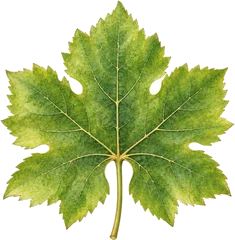
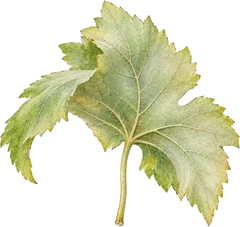
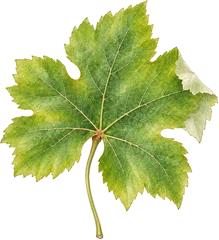
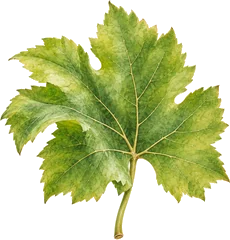







CountryLanguage

Arkadia

Arkadia

An early white table variety that sets records for yield, a classic of Belarusian plots. It pollinates reliably and copes with a huge load, but gets powdery mildew and starts growing late.

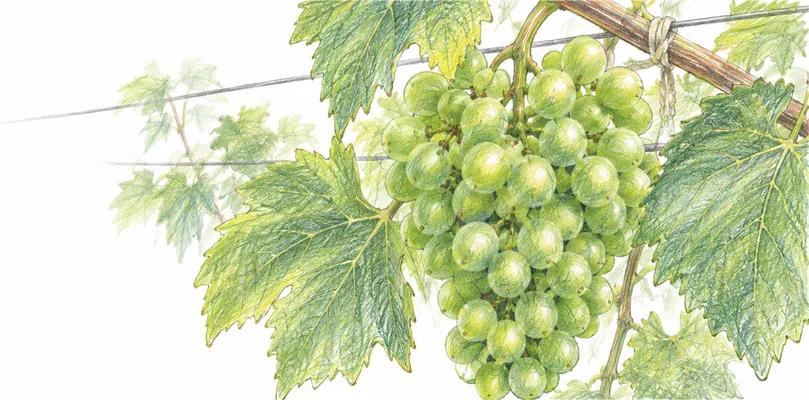
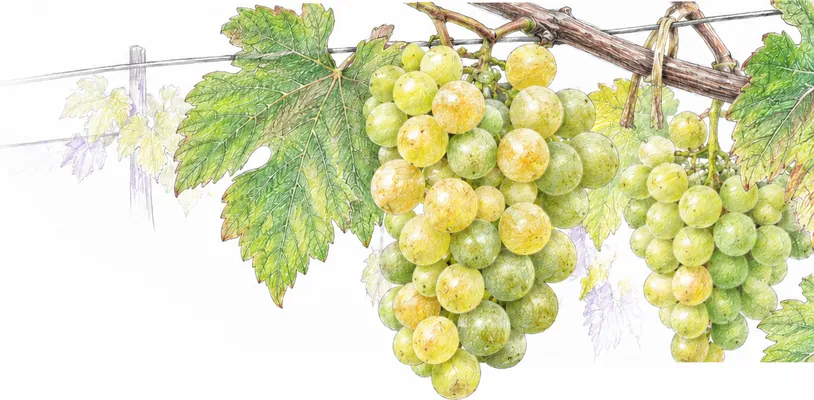
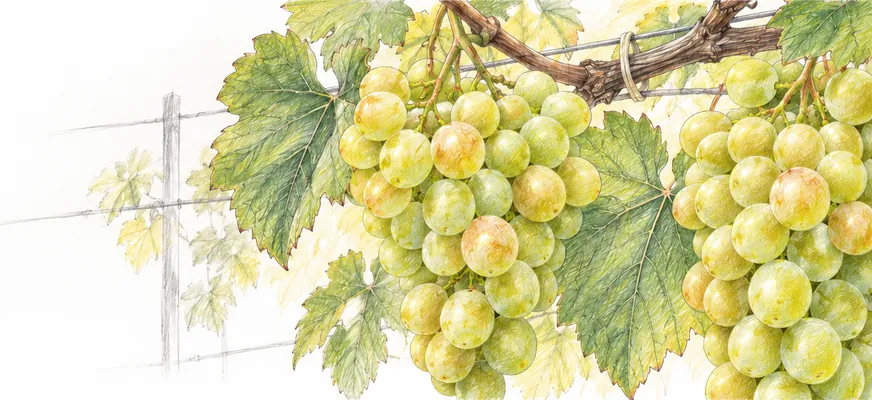
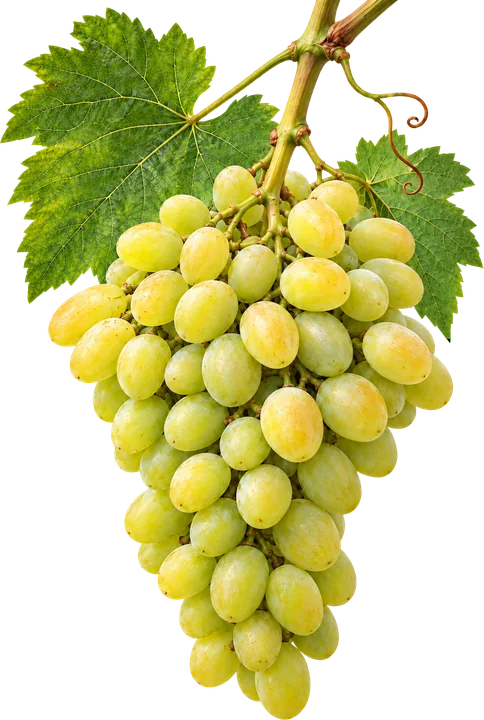
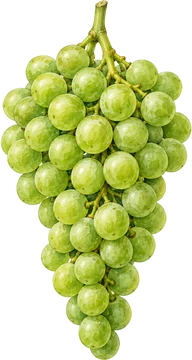
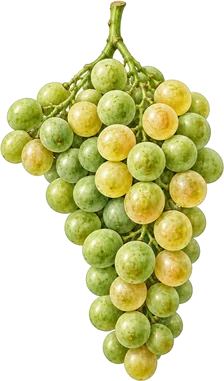
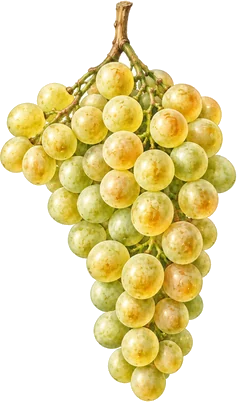
Arkadia: large egg-shaped light green berries with an amber tan — AI illustration based on photos and the description of the variety
  • Ripening timeEarlyin Belarus — late August to September
  • Berry8–14 ggreen-yellow, with a tan; bunch 0.5–1 kg, up to 2 kg
  • Frost hardinessdown to −21 °Caccording to descriptions; in Belarus it is covered
  • Sugar14–⁠21 Brixin Belarus, by year and picking date
  • 207first-hand observations
  • 34amateur growers
  • 14professionals
  • 11seasons

The season of Arkadia in Belarus

Click a stage to see what happens on the vine and what growers saw.

Scroll the strip to see the whole season

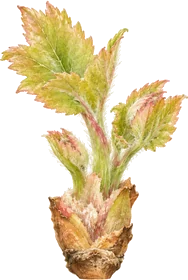
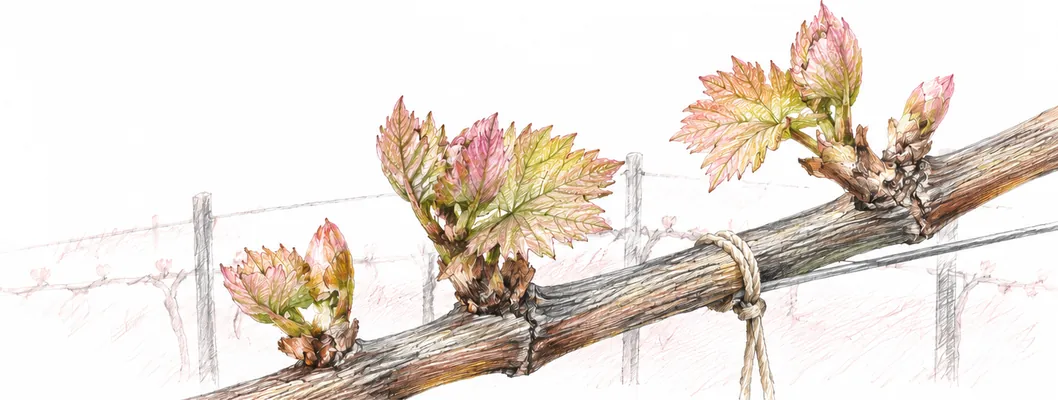
Bud break

late April — May

When Arkadia's buds break

Observations by professionals and amateurs
2026
2025
2024
2023
2022
April1020May1020June102027 April21 May
  • professionals
  • amateurs
  • greenhouse
  • buds still dormant

Professionals 11 observations

  1. Minsk Region, Minsk Districtsteady warmth above +10 °C from 2 Mayfrosts from −1 to −2 °C, the last on 29 AprilBy the end of May 2026 Arkadia is lagging as always: it wakes up later than the others, but in the author's experience it then catches up with them all.
  2. Minsk Regionsteady warmth above +10 °C from 19 Mayfrosts from −4 to −8 °C, the last on 9 MayArkadia by a wall under cover got going a little faster: the buds broke earlier than on the rest of the plot, which is colder and where everything is still only waking up.
  3. Minsk Region, DzerzhinskIn a greenhouseIn the greenhouse Arkadia got off to an excellent start in spring 2025, with many shoots; the vine runs almost the full length of the greenhouse, and the cane is left with some to spare.
  4. Minsk Region, DzerzhinskIn a greenhouseArkadia, planted in a corner of the greenhouse by the foundation, where there is no sun and the soil warms up last, traditionally starts last; by mid-May the inflorescences are already visible.
  5. Grodno Region, LidaIn a greenhouseIn the bad spring of 2022 the buds in the greenhouse opened poorly, and growth broke from the head of the vine; Arkadia, pruned to spurs, woke up a little better than the others.
  6. Grodno Region, LidaIn a greenhouseIn the greenhouse in spring 2021 all of Arkadia's buds opened, without a single loss — year after year it wakes up reliably.
  7. Minsk Regionsteady warmth above +10 °C from 14 Mayfrosts from −2 to −3 °C, the last on 27 AprilOn rooted cuttings Arkadia wakes its buds late: the shoots come short and stocky, noticeably slower than on Senator.
  8. Gomel Regionsteady warmth above +10 °C from 10 Mayfrosts of about −2 °C, the last on 27 AprilArkadia is one of the varieties that start later — it is uncovered and then covered with spunbond while there is still no growth.
  9. Grodno Region, LidaIn a greenhouseIn the greenhouse Arkadia woke up well, all buds, although a little later than the other vines; you can already see where bunches are forming and which shoots are barren.
  10. Vitebsk Region, Novopolotsksteady warmth above +10 °C from 23 Mayfrosts from −2 to −4 °C, the last on 1 MayOn 26 April 2020 the buds on some of Arkadia's canes are about to open, and swelling is in full swing.
  11. Gomel RegionArkadia, like Kodryanka and Timur rozovyy, wakes up later than Lora and Preobrazhenie, so its top cover is removed later, evening out the uncovering dates.

Amateurs 2 observations

  1. Location not specifiedA four-year-old Arkadia was moved in December 2025; it woke up only by mid-June, and by the end of August its thin shoots were 30–40 cm at most, without a hint of ripening.
  2. North of BelarusIn the north of the country in open ground Arkadia opens its buds last on the plot; all the grapes there wake up in the first days of June.
2

Weather, diseases and pests

Professionals 4 observations

  1. Minsk Regionsteady warmth above +10 °C from 19 Mayfrosts from −4 to −8 °C, the last on 9 MayIn spring 2025 Arkadia by a covered wall escaped cold damage: clean leaves, shoots a metre or more long by early June.
  2. Gomel Region, Kalinkovichisteady warmth above +10 °C from 17 Mayfrosts from −5 to −10 °C, the last on 6 MayIn spring 2025 many of Arkadia's buds were damaged by frost, but enough live ones remained; neighbouring varieties had more losses.
  3. Gomel Region, Kalinkovichisteady warmth above +10 °C from 27 Aprilfrosts down to −1 °C, the last on 5 AprilArkadia's second crop, but there are few bunches: there were frosts in spring 2024, and only what was covered with film in time could be saved.
  4. Minsk Regionsteady warmth above +10 °C from 11 Mayfrosts from −2 to −3 °C, the last on 8 MayAfter the May frosts of 2023 there was no damage at all on the best trellis, where Arkadia grows, although some things nearby were nipped.

Amateurs 6 observations

  1. Location not specifiedIn spring 2025 the cane of a three-year-old Arkadia was killed by frost; the vine put out four new shoots, and they even have a couple of bunches.
  2. Brest Region, Breststeady warmth above +10 °C from 19 Mayfrosts from −3 to −6 °C, the last on 8 MayIn Brest the May frost of 2025 badly hit the tops of Arkadia. Vines pressed to the ground and covered with laminate underlay held out — damage occurred only where the canes touched it.
  3. Location not specifiedA frost down to −9 °C in spring 2025 killed covered vines for the first time in six years; only one Arkadia survived. The canes had been lifted off the ground and tied up beforehand; the author believes canes pressed to the ground would have suffered less.
  4. Mogilev Regionsteady warmth above +10 °C from 15 Mayfrosts from −1 to −2 °C, the last on 9 MayIn the Mogilev area Arkadia, covered with double spunbond, survived two frosty May nights: only a couple of shoots were damaged, the rest is intact.
  5. Gomel Regionsteady warmth above +10 °C from 11 Mayfrosts down to −2 °C, the last on 29 AprilThe spring frost thinned Arkadia's crop for the grower: about ten clusters remained, but they ripened, with brown seeds and a light muscat.
  6. Gomel Region, Gomelsteady warmth above +10 °C from 11 Mayfrosts down to −2 °C, the last on 29 AprilFrosts do not bother Arkadia: it gave a crop like last year, while the other varieties on the plot were damaged by frost.
3

Work on the vine

Professionals 1 observation

  1. Minsk Region, Smolevichi Districtsteady warmth above +10 °C from 19 Mayfrosts from −4 to −8 °C, the last on 9 MayArkadia came through the May frosts of 2025 in a tunnel cover without much damage; only some varieties at the ends of the tunnel were hit.

Amateurs 1 observation

  1. Gomel Region, GomelIn Gomel, in a frost of −3…−4 °C, Arkadia covered separately with one layer of spunbond was damaged, while the neighbouring vine under the same spunbond but with a heating cable survived.

Weather in the observation lines is from AgERA5 data for the region: frosts, sum of active temperatures.

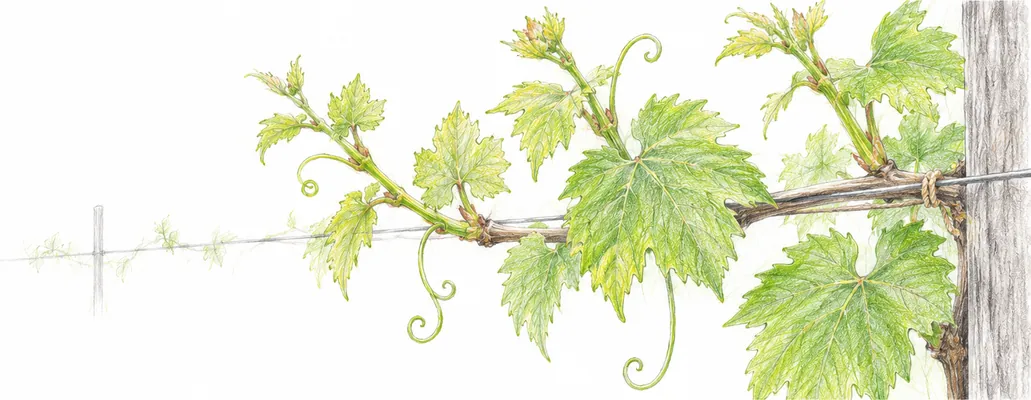
Shoot growth

May — June

How Arkadia's shoots grow

Observations by professionals and amateurs

Professionals 24 observations

  1. Grodno Region, GrodnoA three-year-old Arkadia produces two bunches per shoot, with slightly above-average vigour; there is even a lateral crop.
  2. Grodno Region, GrodnoSAT since 1 April — 1218 °C, as usualmonthly precipitation — 67 mm, 25% less than usualArkadia planted in June 2024 gave its first crop in 2026 and set a lot — two bunches per shoot; shoot growth is uneven.
  3. Minsk RegionSAT since 1 April — 585 °C, the season is 7 days behind usualmonthly precipitation — 103 mm, 1.6 times the usual; rain on 9 days of 1420% less sun than usualOn 15 June 2026 Arkadia by a wall is not growing actively yet; it has inflorescences but shows no sign of flowering.
  4. Mogilev Region, MogilevIn its fourth year Arkadia had a normal first crop, although the vine struggled — perhaps the spot does not suit it.
  5. Grodno Region, GrodnoAn Arkadia plant set out in June last year grew past the fifth wire at 2.5 m, with two canes at 2 m.
  6. Minsk RegionBy a wall Arkadia's vigour is high and it grows very well; one bunch per shoot is the norm for it.
  7. Minsk Region, DzerzhinskIn a greenhouseIn the greenhouse the Arkadia vine stretches almost its full length; by mid-May the shoots have six or seven leaves and almost everywhere two clusters.
  8. Minsk Region, DzerzhinskIn a greenhouseOn 5 May 2025 Arkadia in the greenhouse, without any sprays, is doing well — only watering, six leaves per cane.
  9. Vitebsk Region, NovopolotskArkadia is on form as usual: an excellent set of bunches, and it will be at its best in the first ten days of September.
  10. Minsk RegionSAT since 1 April — 1327 °C, the season is 9 days ahead of usualmonthly precipitation — 80 mm, about usualtwo weeks 2 °C warmer than usualArkadia's shoots are powerful and strong and have reached the wire; even in the very worst years it always ripened.
  11. Minsk RegionSAT since 1 April — 1154 °C, the season is 10 days ahead of usualmonthly precipitation — 89 mm, 1.3 times the usualtwo weeks 3 °C warmer than usual; 20% more sun than usualArkadia's growth is superb; as a rule one bunch per shoot is left, with two only on the outer shoots.
  12. Minsk Region, DzerzhinskSAT since 1 April — 845 °C, the season is 9 days ahead of usualmonthly precipitation — 68 mm, about usual; rain on 9 days of 14Arkadia has two bunches per shoot; where the bunches are large, one will be left or both trimmed. The vine's cordon is 9 m, with an excellent reserve of wood.
  13. Gomel RegionSAT since 1 April — 844 °C, the season is 4 days ahead of usualmonthly precipitation — 74 mm, about usual; rain on 10 days of 14Arkadia's shoots are not thick but powerful; it produces few laterals — it is the easiest to grow in our climate.
  14. Gomel Region, KalinkovichiA young Arkadia vine in Kalinkovichi gave its first real crop in 2023, having given only a trial one before; last year the berry was larger.
  15. Gomel RegionSAT since 1 April — 462 °C, as usualmonthly precipitation — 8 mm, 85% less than usual; two weeks without rainIn spring Arkadia grows more weakly than its neighbours and then catches up: the shoots are powerful, the vine takes about 9 m of trellis, and even shoots from old wood bear fruit.
  16. Minsk RegionSAT since 1 April — 1105 °C, the season is 6 days behind usualmonthly precipitation — 112 mm, 1.3 times the usualArkadia usually sets two bunches per shoot; one is left, and the bunch can reach one and a half kilograms.
  17. Gomel RegionSAT since 1 April — 716 °C, the season is 8 days behind usualmonthly precipitation — 67 mm, about usualArkadia grows well; once it gets going, the vine hardly reacts even to a drop in temperature — it grows and ripens well.
  18. Minsk RegionArkadia's cane is usually thick — about as thick as a finger; 2021 is its first full crop; before that there was only a trial bunch.
  19. Vitebsk Region, MezhdurechyeArkadia vines are of medium or even high vigour; it fruits superbly even with short pruning — the first bunch sets from the third bud.
  20. Minsk RegionSAT since 1 April — 977 °C, the season is 7 days behind usualmonthly precipitation — 106 mm, 1.3 times the usualArkadia is growing very well, the outer shoots have almost reached the top of the trellis; it produced two bunches per shoot.
  21. Gomel RegionSAT since 1 April — 548 °C, the season is 10 days behind usualmonthly precipitation — 88 mm, 1.4 times the usual; rain on 10 days of 14By mid-June 2020 Arkadia is slightly behind in growth, its shoots rather small — it was fed with nitrogen and watered.
  22. Grodno Region, LidaArkadia's vigour is high, the canes grow more than three metres and are topped several times a season; the vine needs a lot of space.
  23. Minsk RegionIn 2018 — the first Arkadia crop: a superb large bunch, the berries are beginning to turn yellow and gain sugar.
  24. Grodno Region, LidaSAT since 1 April — 1329 °C, the season is 18 days ahead of usualmonthly precipitation — 43 mm, 40% less than usualArkadia's cane by the house was already at least 2.5 m by 1 July 2018; on cold days growth stops and starts, and you can see it in the shoot tip.

Amateurs 8 observations

  1. Location not specifiedArkadia's first trial bunches — two large bunches; the berry is large, meaty and juicy, but the taste is simple.
  2. Location not specifiedAfter a December transplant a four-year-old Arkadia produced thin shoots of 30–40 cm at most, without a hint of ripening.
  3. Brest RegionA four-year-old Arkadia vine by a south wall produced only four bunches, while a neighbouring variety had no problems.
  4. Location not specifiedArkadia in this garden does not want to grow upwards: it grows a metre above the first wire and stalls, and not for the first year.
  5. Location not specifiedIn a greenhouseArkadia planted in the greenhouse as a strong layer gave 26 bunches on 20 shoots in its third year; it has already been topped three times at a height of 2.5 m.
  6. Location not specifiedA six- or seven-year-old Arkadia has the same trouble — it grows upwards poorly, perhaps suppressed by an old lilac bush three or four metres away.
  7. Vitebsk RegionIn a greenhouseIn a polycarbonate greenhouse in Vitebsk Region Arkadia gave trial bunches in 2022 and its first crop in 2023.
  8. Location not specifiedIn a greenhouseIn spring in the greenhouse all the young plants started growing with two shoots, and only Arkadia slowed down, but then recovered and pushed out young leaves.
2

Weather, diseases and pests

No observations yet.

3

Work on the vine

No observations yet.

Weather in the observation lines is from AgERA5 data for the region: sum of active temperatures, precipitation.

Flowering

late June — July

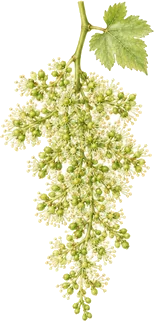
How Arkadia flowers and sets berries

Observations by professionals and amateurs

When Arkadia's flowering was observed

12 observations with an exact day · 2018–2026

Professionals12 observationsAmateurs0 observations

Scroll the dates ↔

Distribution of observed flowering dates12 observations. Each bar is the number of records over two days. Height and colour intensity grow with the number of records; an empty space means no records.MayJuneJuly2022242628301357911131517192123252729135791113151719ProfessionalsAmateurs

Professionals 18 observations

  1. Minsk RegionFlowering in 2026 was uneven: one fruiting cane flowered at one time and another at another, so ripening is uneven too.
  2. Gomel Region, GomelOne Arkadia vine pollinated very poorly in 2026: the berry's sugar was 13–14 Brix, pleasant in taste but short of full condition.
  3. Minsk RegionIn the difficult 2025 Arkadia had minor pollination issues and the bunches were not large, but year after year it is very consistent.
  4. Minsk RegionSAT since 1 April — 1086 °C, as usualmonthly precipitation — 91 mm, about usualIn the worst year in 15 years Arkadia has only recently flowered, with many stamens still present, but the berries have already set well — the variety is consistent.
  5. Minsk Region, DzerzhinskSAT since 1 April — 748 °C, as usualmonthly precipitation — 167 mm, 2.8 times the usual; rain on 9 days of 14In 2025 Arkadia pollinated without problems, with bunches of nearly two kilograms; a little oedema appeared on the leaves.
  6. Minsk Region, Minsk DistrictArkadia's pollination in 2024 seemed worse at first, but the bunches filled out normally — at least a kilogram.
  7. Minsk Region, DzerzhinskSAT since 1 April — 1423 °C, the season is 10 days ahead of usualmonthly precipitation — 81 mm, about usualtwo weeks 2 °C warmer than usualIn 2024 Arkadia's bunches flowered at different times — some earlier, some later — so the filling is uneven.
  8. Minsk Region, DzerzhinskSAT since 1 April — 478 °C, the season is 7 days ahead of usualmonthly precipitation — 28 mm, 50% less than usualOn 26 May 2024 Arkadia is not yet in flower — only single inflorescences, with the bulk just getting ready.
  9. Vitebsk Region, NovopolotskSAT since 1 April — 980 °C, as usualmonthly precipitation — 32 mm, 55% less than usualBy early July 2023 Arkadia had finished flowering, and the bunches, as usual, were perfectly filled: no pollination problems were noticed.
  10. Gomel RegionSAT since 1 April — 716 °C, the season is 8 days behind usualmonthly precipitation — 67 mm, about usualOn 18 June 2022 Arkadia is only beginning to flower — that year the flowering dates of different varieties were all mixed up.
  11. Vitebsk Region, MezhdurechyeArkadia pollinates perfectly almost every year and is also an excellent pollinator for other varieties.
  12. Minsk RegionSAT since 1 April — 1248 °C, as usualmonthly precipitation — 42 mm, 45% less than usualtwo weeks 4 °C warmer than usualArkadia came into flower in the peak heat of 2021, yet pollinated remarkably well, and by mid-July the berries are swelling before your eyes.
  13. Minsk RegionSAT since 1 April — 977 °C, the season is 7 days behind usualmonthly precipitation — 106 mm, 1.3 times the usualArkadia's upper bunches pollinate well, the lower ones noticeably worse — when thinning, the worse, lower one is removed.
  14. Grodno Region, LidaIn a greenhouseIn the greenhouse a three-year-old Arkadia set well; under a heavy load part of the fruit set drops, but for a large-berried variety that is not a problem.
  15. Gomel RegionSAT since 1 April — 927 °C, the season is 6 days behind usualmonthly precipitation — 106 mm, 1.8 times the usualtwo weeks 4 °C warmer than usualOn a mature Arkadia vine, by the end of June 2020, pollination was ideal on practically all inflorescences, without premature cap drop — after feeding with boron and zinc.
  16. Grodno Region, LidaIn a greenhouseOn 14 June 2020 Arkadia is the last to flower in the greenhouse; pollination proceeds evenly over the whole bunch from bottom to top.
  17. Minsk RegionSAT since 1 April — 1104 °C, the season is 9 days ahead of usualmonthly precipitation — 36 mm, 50% less than usualtwo weeks 3 °C warmer than usualAt its second fruiting Arkadia's lower bunch hardly pollinated, so some bunches are removed to avoid small berries and delayed ripening.
  18. Vitebsk Region, NovopolotskSAT since 1 April — 955 °C, the season is 9 days ahead of usualmonthly precipitation — 23 mm, 55% less than usualIn 2018 Arkadia let the grower down a little, but is slowly recovering; it is one of the very last to flower on the plot.

Amateurs 7 observations

  1. Gomel RegionIn heat during flowering Arkadia (and Kodryanka) hold up well and do not drop — unlike Jupiter and Merlot.
  2. Gomel Region, GomelSAT since 1 April — 1329 °C, as usualmonthly precipitation — 53 mm, 25% less than usual; rain on 10 days of 14In the cold, wet 2026 Arkadia in Gomel, uncovered only in early May, flowered later than the year before on replacement shoots after winter kill.
  3. Gomel Region, SvetlogorskIn Svetlogorsk Arkadia (like Veles) is only beginning to flower, while Lora, Jupiter and Kodryanka have already pollinated well.
  4. Gomel RegionSAT since 1 April — 1345 °C, as usualmonthly precipitation — 52 mm, 25% less than usualIn July 2025 pollination went well on the whole, and Arkadia has a good fruit set; in places there is some dropping, but not critical.
  5. Minsk Region, PleshchenitsyOn a windswept plot near Pleshchenitsy Arkadia flowers among the last, on average in early July, and reaches technical maturity only if the vine carries no more than 10 kg.
  6. Location not specifiedArkadia flowers later than all the others: in 2022, even by a wall, it flowered on 1–4 August, and there it never ripened.
  7. Brest Region, BrestIn open ground in Brest Arkadia pollinates well in any year, and its yield is three times that of a neighbouring variety that pollinates poorly.
2

Weather, diseases and pests

No observations yet.

3

Work on the vine

No observations yet.

Weather in the observation lines is from AgERA5 data for the region: sum of active temperatures, precipitation.

Berry growth

July — August

How Arkadia's berries fill

Observations by professionals and amateurs

Professionals 13 observations

  1. Grodno Region, GrodnoOn a three-year-old vine Arkadia produces bunches from 700 g to over a kilogram; when overloaded, the berry becomes smaller the following year.
  2. Minsk RegionArkadia's bunch is small at the start of filling (a “little candle”), then grows a lot; bunches can be over a kilogram, at most about 1.6 kg.
  3. Minsk Region, Minsk DistrictOn one part of the Arkadia vine the inflorescences are big and good, on the other smaller — with a little millerandage.
  4. Gomel RegionArkadia's bunches are mostly left at about a kilogram; on another vine, about one and a half kilograms per shoot.
  5. Minsk RegionArkadia's still-small bunches can later fill out to nearly a kilogram; with two bunches per shoot the berries are smaller, but the total crop is about the same.
  6. Grodno Region, GrodnoA three-year-old Arkadia vine has 30 bunches; the bunches range from half a kilogram to a kilogram, the largest berries 10–12 g.
  7. Minsk RegionArkadia's bunches are big and compact; with two bunches per shoot the berry is smaller than with one. The bunches are usually more than a kilogram, at most about 1.6 kg.
  8. Grodno Region, GrodnoIn its second year the Arkadia vine has about 15 bunches of 500–700 g, some close to a kilogram, slightly compact; the berry averages 12 g, the large ones almost 14 g, the small ones 8–9 g.
  9. Vitebsk Region, MezhdurechyeArkadia's bunches are about 500–800 g, sometimes over two kilograms (at a show, up to 3.5 kg); the berries are heart-shaped and large, 10–12 g and more.
  10. Vitebsk Region, NovopolotskBy the end of September 2020 Arkadia's bunches had filled out and turned yellow; heart-shaped berries of at least 10 g, even 13–15 g, and the taste is already normal.
  11. Gomel RegionArkadia's berries are practically all uniform in size — about 12 g, 10–12 g under a normal load.
  12. Grodno Region, LidaIn a greenhouseArkadia's inflorescences seem small at first, but then grow to a kilogram and more — and that without gibberellin; at first they point upwards, then hang down.
  13. Grodno Region, LidaArkadia's berries are round or egg-shaped; there is practically no millerandage; the bunches are conical, sometimes winged, averaging from 700 g to 2 kg.

Amateurs 3 observations

  1. Location not specifiedIn the summer of 2026 the water barrels filled with rain only twice all summer; after watering Arkadia with 300 l per vine, the berries grew noticeably.
  2. Location not specifiedIn a greenhouseIn the greenhouse Arkadia from a strong layer gave five bunches in its second year, one of a kilogram and the others 500–700 g, and in the third 26 excellent bunches on 20 shoots; the vine was topped three times at a height of 2.5 m.
  3. Location not specifiedIn a greenhouseTwo months after thinning (half the fruit set was cut out), Arkadia's bunch still grew large.
2

Weather, diseases and pests

Professionals 11 observations

  1. Gomel Region, KalinkovichiFor years Arkadia suffered so badly from powdery mildew that there was almost no crop, but in 2026 the disease barely touched it, and the bunches came out beautiful.
  2. Gomel Region, KalinkovichiArkadia caught a little powdery mildew even after spraying; in the author's conditions it is a very disease-prone grape.
  3. Gomel Region, KalinkovichiOn a low-lying, foggy plot Arkadia is often hit by anthracnose (dark spots on the berry), despite spraying.
  4. Minsk RegionPeople complain that Arkadia catches diseases; by a poorly ventilated wall only one or two berries are affected.
  5. Minsk RegionBy a west-facing wall with poor ventilation Arkadia's berries are clean, with no disease under four standard sprays.
  6. Grodno Region, GrodnoSAT since 1 April — 1949 °C, as usualmonthly precipitation — 79 mm, about usualWith the usual spraying the whole vineyard was clean, and in 2023 powdery mildew was found only on two Arkadia vines: some bunches were quite badly affected.
  7. Minsk RegionArkadia is susceptible to powdery mildew; by a poorly ventilated wall, after sulphur sprays, there are only isolated traces — one berry per bunch.
  8. Grodno Region, GrodnoThere is no downy mildew on Arkadia, but powdery mildew shows quite seriously, not only on the cane but in places on the berry too — more than on other varieties on the plot.
  9. Vitebsk Region, MezhdurechyeArkadia is fairly resistant to downy mildew, but during berry growth and ripening it is very prone to powdery mildew, so it is sprayed in time. In heavy damp the berries get small cracks that heal over.
  10. Gomel RegionWithout fungicides, powdery mildew appeared only on the late laterals and shoot tips of Arkadia; the other canes are clean.
  11. Grodno Region, LidaArkadia has fairly good disease resistance; in its first year it caught powdery mildew at the end of the season.

Amateurs 8 observations

  1. Location not specifiedOn two Arkadia vines no disease is visible with standard spraying; in summer spider mites are also controlled.
  2. Location not specifiedIn 2026, under the usual sprays, Arkadia caught powdery mildew on the berries; the affected berries had to be cut out, while the other varieties stayed clean. A fellow grower's three Arkadia vines do not get sick.
  3. Location not specifiedBurn-like, crumpled leaves appeared on two or three of Arkadia's shoots (after Falcon or a cold snap).
  4. Location not specifiedLast year Arkadia had spotted leaves, not on all shoots; without spraying they hung on until the frosts.
  5. Location not specifiedIn open ground the leaves on Arkadia, sprayed 2–3 times with Horus and 1–2 times with monopotassium phosphate, hung on quite well until the frosts.
  6. Minsk Region, DzerzhinskSAT since 1 April — 1777 °C, as usualmonthly precipitation — 110 mm, 1.5 times the usual; rain on 9 days of 14In a chemical-free vineyard in Dzerzhinsk, by August 2023 there is a little powdery mildew on Arkadia's cane, but it is not at all worrying.
  7. Location not specifiedIn open ground, with two or three sprays per season, Arkadia does not get sick: downy mildew has never been seen on it, and according to the author it is too cold there for powdery mildew. The berries are yellow, with a light muscat.
  8. Location not specifiedArkadia is resistant enough for this author under their spray programme; it grows by a fence in open ground.
3

Work on the vine

Professionals 5 observations

  1. Grodno Region, GrodnoSAT since 1 April — 1218 °C, as usualmonthly precipitation — 67 mm, 25% less than usualArkadia planted in June 2024 gave its first crop in 2026 and set two bunches per shoot; one was left, and two where it had been treated with gibberellin — the berry is larger there.
  2. Minsk Region, DzerzhinskIn a greenhouseIn the greenhouse two bunches per shoot were left on Arkadia, but the clusters were shortened so that each cane yields about one and a half kilograms.
  3. Minsk Region, SoligorskSAT since 1 April — 1777 °C, as usualmonthly precipitation — 110 mm, 1.5 times the usual; rain on 9 days of 14When overloaded, Arkadia ripens the crop, but quality halves: the berry becomes watery, loses taste and sells much worse at the market.
  4. Vitebsk Region, NovopolotskSAT since 1 April — 750 °C, the season is 7 days behind usualmonthly precipitation — 83 mm, 1.3 times the usualArkadia in open ground was strictly thinned to one bunch per shoot; on this plot it usually flowers last.
  5. Vitebsk Region, NovopolotskIn a greenhouseLast year a five-year-old Arkadia vine in the greenhouse was heavily overloaded; this year the load is excellent and the bunches smaller.

Amateurs 2 observations

  1. Brest Region, BrestIn Brest a seven-year-old Arkadia vine had 56 bunches and a five-year-old one 45; everything that set was left. Cutting began after 8–10 September, and more than 70 kg was picked from the two vines.
  2. Mogilev Region, Mogilev DistrictBy a south wall near Mogilev, without forcing, Arkadia carried 8–10 bunches at its second fruiting; the last was cut on 9 September.

Weather in the observation lines is from AgERA5 data for the region: sum of active temperatures, precipitation.

Colouring

mid-August — early September

How Arkadia's berries change colour

Observations by professionals and amateurs

Professionals 7 observations

  1. Minsk RegionSAT since 1 April — 2266 °C, as usualmonthly precipitation — 20 mm, 60% less than usualtwo weeks 4 °C warmer than usualIn 2025 Arkadia's berry is milky yellow, the bunches uneven, as with all varieties that year; some berries are already ripe.
  2. Minsk RegionIn 2024 Arkadia's berry got such a blush for the first time, although on one side it was smaller than usual. By 6 September it was fully ripe: very juicy, sweet, with a light muscat.
  3. Grodno Region, LidaSAT since 1 April — 2154 °C, the season is 10 days behind usualmonthly precipitation — 28 mm, 50% less than usualtwo weeks 4 °C colder than usual; nights below +8 °C — 8 of 14At a show in mid-September 2022, Arkadia already has a tan and is starting to shrivel into raisins — it had been ripe two weeks before that.
  4. Gomel RegionSAT since 1 April — 2057 °C, as usualmonthly precipitation — 47 mm, 35% less than usualIn mid-August 2021 the author's Arkadia is yellow, not green; the seeds are already almost brown, and it will soon be edible.
  5. Minsk RegionArkadia loses its acidity early and can be eaten by the end of August, but then the taste is simple and grassy. It gains sugar and aroma later if left to hang.
  6. Vitebsk Region, NovopolotskBy the end of September 2020 Arkadia's bunches had filled out and taken on a yellowish tinge; the berries are heart-shaped.
  7. Grodno Region, LidaArkadia's berry is green and turns yellow or amber in the sun; it has practically no millerandage, and the skin is thin.

Amateurs 0 observations

2

Weather, diseases and pests

Professionals 3 observations

  1. Grodno Region, GrodnoSAT since 1 April — 1831 °C, the season is 4 days behind usualmonthly precipitation — 59 mm, 20% less than usualNeighbourhood birds attacked Arkadia especially hard, so its bunches were the first to be bagged, although grapes in bags ripen more slowly than in the sun.
  2. Vitebsk Region, NovopolotskSAT since 1 April — 2003 °C, as usualmonthly precipitation — 45 mm, 35% less than usualBy 1 September 2025 the wasps are not yet touching Arkadia, and it has not been bagged; it pollinated without problems, as usual.
  3. Grodno Region, GrodnoSAT since 1 April — 2446 °C, the season is 8 days ahead of usualmonthly precipitation — 40 mm, 30% less than usualtwo weeks 3 °C warmer than usual; 20% more sun than usualArkadia's skin is thin, and wasps bite through it as soon as the sugar builds up; in 2023 there was a wasp invasion, and Arkadia was simply wiped out.

Amateurs 2 observations

  1. Location not specifiedIn 2026 the plot was invaded by hornets: first they attacked Arkadia, which had to be cut, then moved on to the neighbouring varieties.
  2. Location not specifiedIn autumn 2017, during an Indian summer, wasps began nibbling Arkadia's small crop, and it was picked before they could get to the rest.
3

Work on the vine

No observations yet.

Weather in the observation lines is from AgERA5 data for the region: sum of active temperatures, precipitation.

Ripening and harvest

September

Sugar, taste and harvest time of Arkadia

Observations by professionals and amateurs

When Arkadia ripens

76 observations without greenhouses · 2018–2026

Professionals72 observationsAmateurs4 observations

still ripeningripealready cutapproximate date

Scroll the dates ↔

What state the bunches were found in76 observations. A drop is one observation: filled — bunches ripe, hollow — still ripening, cross — already cut. Harvest window from 2 September to 27 September.harvest window · 2 September — 27 September152025August510152025September510152025October510152025November510152025DecemberProfessionalsAmateurs

Professionals 28 observations

  1. Grodno Region, LidaArkadia from a show exhibitor is sweet and yellowish as always; among the most reliable non-cracking varieties over all the years.
  2. Minsk RegionSAT since 1 April — 2150 °C, the season is 9 days behind usualmonthly precipitation — 74 mm, 1.3 times the usual; rain on 8 days of 14On 8 September 2026 about half of Arkadia's bunches were fully ripe; it always pleases with its taste — very juicy, very sweet, with a pleasant light muscat.
  3. Grodno Region, GrodnoSAT since 1 April — 1868 °C, the season is 4 days behind usualmonthly precipitation — 60 mm, 25% less than usualIn Grodno on 21 August 2026 the first Arkadia bunches are fully ripe and are being cut; it always crops well, and buyers take it.
  4. Minsk RegionIn 2025 the Arkadia crop is somewhat smaller than in previous years; by 21 September it is fully ripe — delicious, sweet, with a light, pleasant muscat.
  5. Minsk Region, DzerzhinskSAT since 1 April — 2404 °C, the season is 6 days behind usualmonthly precipitation — 23 mm, 45% less than usualOn 21 September 2025 Arkadia was fully ripe and almost eaten up; sugar 16 Brix, it gained no more.
  6. Minsk Region, DzerzhinskSAT since 1 April — 2045 °C, the season is 7 days behind usualmonthly precipitation — 27 mm, 55% less than usualBy 31 August 2025 Arkadia had started being eaten, picking the upper berries; it is not fully ripe yet, but the taste is quite pleasant and sweet.
  7. Minsk Region, DzerzhinskSAT since 1 April — 1824 °C, the season is 5 days behind usualmonthly precipitation — 101 mm, 1.5 times the usualtwo weeks 2 °C colder than usualOn 17 August 2025 Arkadia had 13 Brix — 4 more in a week. The bunches are big and plump and starting to turn yellow, but are not ripe at all yet; the season is late because of frosts and a cold summer.
  8. Grodno Region, LidaArkadia always bears a crop, a very high one; the berry is very tasty, with muscat in some years, not every year.
  9. Minsk RegionSAT since 1 April — 2955 °C, as usualmonthly precipitation — 64 mm, 1.3 times the usualOn 6 September 2024 Arkadia's berry was fully ripe: very juicy, sweet and aromatic, with a light muscat; a steady crop year after year — in 2024 about 40 kg per vine.
  10. Grodno Region, GrodnoSAT since 1 April — 2486 °C, the season is 28 days ahead of usualmonthly precipitation — 52 mm, 20% less than usualtwo weeks 4 °C warmer than usual; 25% more sun than usualBy early September 2024 Arkadia is fully ripe and the cane half ripened, but for the second year running the berry cracks and rots; powdery mildew keeps catching it too.
  11. Grodno Region, GrodnoSAT since 1 April — 2034 °C, the season is 13 days ahead of usualmonthly precipitation — 109 mm, 1.5 times the usualOn 13 August 2024 Arkadia's berry is softening and gaining sugar; some upper berries are already edible.
  12. Vitebsk Region, NovopolotskSAT since 1 April — 1881 °C, the season is 12 days ahead of usualmonthly precipitation — 86 mm, about usualOn 10 August 2024 Arkadia's berry in open ground is only beginning to soften; ripeness is expected in the first ten days of September.
  13. Minsk RegionOn 6 September Arkadia is fully ripe; this year the muscat showed even on the shady side. It always ripens; the grower has never been left without a crop.
  14. Grodno Region, GrodnoIn 2023 Arkadia ripens unevenly and has started to crack a little — this had not been seen before; wasps settle on cracked berries at once. The four-year-old vine carried about 25 kg.
  15. Minsk Region, SoligorskSAT since 1 April — 2071 °C, as usualmonthly precipitation — 78 mm, about usualtwo weeks 3 °C warmer than usualBy 25 August 2023 Arkadia is getting close, the seeds turning brown; tasty — an old, proven variety.
  16. Grodno Region, GrodnoSAT since 1 April — 1949 °C, as usualmonthly precipitation — 79 mm, about usualOn 21 August 2023 Arkadia is only starting to turn yellow: the upper berries in the sun have 12 Brix, and the whole crop is at least two weeks from ripeness. It gains sugar even in cool weather.
  17. Grodno Region, GrodnoSAT since 1 April — 2258 °C, the season is 16 days behind usualmonthly precipitation — 44 mm, about usual; rain on 7 days of 14A vine planted in autumn 2019 has 30 bunches in 2022 — about 20 kg. By 25 September Arkadia was practically ripe: about 16 Brix at the top of the bunch, a harmonious taste, with a light muscat already in some berries. The flesh is meaty and juicy, the skin firm.
  18. Vitebsk Region, NovopolotskSAT since 1 April — 1999 °C, the season is 7 days behind usualmonthly precipitation — 15 mm, 75% less than usual25% more sun than usualOn 4 September 2022 Arkadia's berry in open ground began to soften; about 10 days remained until it could be eaten.
  19. Minsk RegionArkadia's berry is firm, meaty and crunchy, with a light muscat; in 2021 it was fully ripe by 8 September.
  20. Grodno Region, GrodnoArkadia's berry has a harmonious taste, with a light muscat at full ripeness. In 2021 it practically caught up with the ultra-early varieties in timing; on an overloaded vine some bunches are ripe and some are still sour.
  21. Vitebsk Region, NovopolotskSAT since 1 April — 2200 °C, as usualmonthly precipitation — 72 mm, about usualtwo weeks 2 °C colder than usual; 20% less sun than usualBy a wall in open ground near Novopolotsk Arkadia reaches its best condition in the first or second ten days of September; by 8 September 2021 the berry had gained size and colour. Its yield is record-breaking.
  22. Minsk RegionArkadia is a hard worker, always with a crop in any difficult year; at full ripeness a light muscat. In 2020 it was fully ripe by 20 September.
  23. Gomel RegionArkadia is very tasty, with a neutral balance of acid and sugar; by 23 August 2020 half of it had already been cut.
  24. Vitebsk Region, NovopolotskSAT since 1 April — 2194 °C, the season is 12 days behind usualmonthly precipitation — 86 mm, 1.6 times the usualArkadia's berry has acquired hints of muscat in its taste — a sign of ripeness; on 14 September 2020 it was about 80 percent ripe and selective picking began.
  25. Minsk RegionIn Minsk Region selective cutting of Arkadia bunches begins on 25 August; the berry is very tasty, with a balance of acid and sugar.
  26. Gomel RegionSAT since 1 April — 2321 °C, the season is 5 days ahead of usualmonthly precipitation — 44 mm, about usualOn 25 August 2019 the first Arkadia bunches were cut. It and Preobrazhenie are the two best-selling varieties; in open ground it yields very heavily.
  27. Minsk RegionSAT since 1 April — 2026 °C, as usualmonthly precipitation — 95 mm, 1.4 times the usualDespite its 120–125-day term, by 24 August 2019 Arkadia is already quite edible; at full ripeness a pleasant muscat note appears.
  28. Grodno Region, LidaIn the west of the country, in the warm 2018, Arkadia ripened by 8 September, while in rainy and cold years only by mid or late September. The skin is thin, the flesh juicy and firm; if it hangs about two weeks too long, muscat appears.

Amateurs 12 observations

  1. Gomel Region, Gomel15–16 Brix is the standard sugar of Arkadia; even in 2024 it barely reached 17. Last year it was ripe after 25 August, this year only by 15 September.
  2. Location not specifiedThe second Arkadia, by a concrete fence — 18 Brix; neither Arkadia shows muscat this year.
  3. Location not specifiedOn one of the coldest plots in the country a ten-year-old Arkadia by a partial wall ripens every year by mid to late September, both the berry and the cane. In the greenhouse it usually starts ripening by 20 August, but in 2026 only around 10 September.
  4. Minsk RegionIn a hotbedOn 15 August in a hotbed (Logoisk District) only Tason and a few bunches of Zarya Nesvetaya were ripe — not Arkadia.
  5. Mogilev Region, Mogilev DistrictSAT since 1 April — 2328 °C, the season is 5 days behind usualmonthly precipitation — 67 mm, 1.3 times the usualA seven-year-old Arkadia by a south wall in Mogilev District: in 2026 the bunches are larger than usual, and muscat so far only in the upper berries — it first appeared a year earlier. The bunches are cut selectively, and the rest is ripening.
  6. Minsk Region, DzerzhinskIn 2025 Arkadia in Dzerzhinsk, on a small windless plot surrounded by concrete, ripened at the same time as at a dacha near Grodno on a windswept chalk hill.
  7. Mogilev RegionIn a suburb of Mogilev, by a south wall without forcing, the last Arkadia bunch was cut by 9 September, the rest earlier.
  8. Minsk RegionWith a load of two bunches per shoot Arkadia copes, but ripening drags on for at least two weeks.
  9. Location not specifiedThe author's own Arkadia is sweet now, with something grassy and perhaps a slight muscat; in the author's opinion it has never been super tasty.
  10. Gomel Region, RechitsaIn open ground in Rechitsa in 2023 Arkadia gained sugar like this: 24 August — 14 Brix, 5 September — 16.5, 17 September — 19.4, 29 September — 21.
  11. Minsk Region, DzerzhinskIn a greenhouseIn a greenhouse in Dzerzhinsk Arkadia ripened by 25 August 2023: 14–15 Brix, the seed 70% ripe. A load of about 30 kg per vine, one bunch weighed 2 kg; not a single chemical spray all season.
  12. Location not specifiedIn open ground Arkadia is ripe closer to mid-September; 3–5 days apart from Nadezhda Aksayskaya. In taste it is the undisputed leader, with a light muscat and firm flesh.
2

Weather, diseases and pests

Professionals 2 observations

  1. Gomel Region, KalinkovichiSAT since 1 April — 2629 °C, the season is 4 days behind usualmonthly precipitation — 77 mm, 2.3 times the usual; rain on 8 days of 1415% less sun than usualOverhanging Arkadia cracked in places after rain at the end of September 2026 and began to rot, although otherwise the year was a success for it.
  2. Grodno Region, LidaIn a greenhouseIn the greenhouse, by a wall where water got in, about 10% of Arkadia's berries cracked after the rains of 2021; for other growers it withstood those rains.

Amateurs 1 observation

  1. Location not specifiedAt the end of September 2026 Arkadia split after rain, while a year earlier, when there was no rain before harvest, everything was fine. The damaged berries were picked off, and the rest are ripening.
3

Work on the vine

No observations yet.

Weather in the observation lines is from AgERA5 data for the region: sum of active temperatures, precipitation.

Autumn

late September — October

How Arkadia's cane ripens

Observations by professionals and amateurs

Professionals 11 observations

  1. Grodno Region, GrodnoSAT since 1 April — 2525 °C, the season is 31 days ahead of usualmonthly precipitation — 49 mm, 30% less than usualtwo weeks 5 °C warmer than usual; 30% more sun than usualOn a five-year-old Arkadia vine 90% of the cane had ripened by 6 September 2024 — with age and a reserve of wood there are no ripening issues.
  2. Minsk RegionArkadia's cane ripens normally even without help; even in the worst years it ripened enough for fruiting.
  3. Minsk RegionSAT since 1 April — 2702 °C, as usualmonthly precipitation — 17 mm, 60% less than usualtwo weeks 4 °C warmer than usual; 25% more sun than usualBy the end of September 2023 Arkadia's cane ripening is superb — one and a half metres on almost all shoots, and the cane had been like that for three weeks already.
  4. Minsk RegionSAT since 1 April — 2274 °C, the season is 28 days behind usualmonthly precipitation — 106 mm, twice the usualnights below +8 °C — 14 of 14By 10 September 2022 Arkadia's cane had ripened for one and a half metres; if the vine is not overloaded, the cane ripens normally.
  5. Grodno Region, LidaIn 2021 only about 30 percent of Arkadia's cane ripened — a couple of canes to two metres, the rest in short pieces; this had not happened before.
  6. Minsk RegionBy 8 September 2021 Arkadia's shoots are ripening normally — after two feedings with monopotassium phosphate.
  7. Grodno Region, GrodnoArkadia's cane ripened right to the tips in places on the outer shoots; on the second vine, with 34 bunches, excellently.
  8. Grodno Region, LidaIn 2021 Arkadia's cane ripened poorly — this had not happened in eight years, although the load used to be heavier.
  9. Minsk RegionBy a wall with half-day shade Arkadia's cane manages to ripen, although it is often said that it does not have time.
  10. Vitebsk Region, NovopolotskBy mid-September 2020 Arkadia's canes are ripening actively; the berry hangs well, but at the expense of cane ripening, so it is picked selectively.
  11. Grodno Region, LidaUnder a heavy load in 2018 Arkadia's cane ripened for about a metre; it ripened poorly only in its first year, and then this drawback went away.

Amateurs 7 observations

  1. Location not specifiedOn one of the coldest plots in the country a ten-year-old Arkadia by a partial wall ripens every year — both the berry and the cane.
  2. Grodno Region, GrodnoOn a south-east slope in Grodno, on a thin layer of fertile soil over clay and chalk, Arkadia does well in open ground: 1.5 kg per shoot, muscat in the berry, and in 2025 the cane ripened for two metres.
  3. Grodno Region, Novogrudok DistrictIn a greenhouseIn a greenhouse near Novogrudok Arkadia's cane under load is already ripening by early September 2025, even in a difficult year.
  4. Minsk Region, PleshchenitsyNear Pleshchenitsy, for the first four years Arkadia's cane ripened poorly, and the vine always regrew from the root. Then it adapted: not all the cane ripens, but enough for fruiting.
  5. Brest Region, Brest DistrictSAT since 1 April — 3134 °C, as usualmonthly precipitation — 58 mm, about usual; rain on 7 days of 14Near Brest two Arkadia bunches that hung outdoors until mid-October 2024 softened to a jelly, and the taste became disgusting.
  6. Gomel Region, GomelWith a load of 20 bunches on a three-year-old vine Arkadia's cane ripened for only 50 cm — the load hindered ripening.
  7. Location not specifiedIn its second year the Arkadia vine put out four arms of 4 metres; by the end of September two had ripened for 1.8 m, one for 1.4 m and another for a metre. From mid-July the vine was fed with potassium and phosphorus.
2

Weather, diseases and pests

Professionals 0 observations

Amateurs 1 observation

  1. Location not specifiedIn open ground the leaves on Arkadia, which was sprayed 2–3 times with a fungicide and 1–2 times with monopotassium phosphate during the season, held on quite well right up to the frosts.
3

Work on the vine

No observations yet.

Weather in the observation lines is from AgERA5 data for the region: sum of active temperatures, precipitation.

Winter

November — April

How the Arkadia vine overwintered

Observations by professionals and amateurs

Professionals 4 observations

  1. Grodno Region, LidaAfter the winter of 2025/26 Arkadia was partly damaged by frost: there are bunches, but few, although this variety is usually very productive.
  2. Grodno Region, GrodnoOn a plot where the grapes were not covered for the winter or against spring frosts, Arkadia regrows everything from the head of the vine.
  3. Gomel RegionTwo uncovered Arkadia vines overwintered with no problems with the buds — though the winter had no hard frosts.
  4. Vitebsk Region, NovopolotskIn spring 2018, when the cover was removed, Arkadia's canes were completely clean, without mould or damage.

Amateurs 1 observation

  1. Minsk Region, PleshchenitsyFor the first four years Arkadia had a problem with cane ripening, and it always regrew from the root after the winter.
2

Weather, diseases and pests

No observations yet.

3

Work on the vine

Professionals 3 observations

  1. Minsk RegionShort pruning of Arkadia on this plot gave no clear advantage: the bunch and the crop are smaller, so it is mostly pruned long.
  2. Minsk RegionArkadia responds quite well to short pruning, cordon training and spur pruning — it does not need fully ripened cane for that.
  3. Minsk RegionIn an experiment Arkadia was pruned to spurs, and it bore bunches even on them; the cane, however, does not ripen along its whole length.

Amateurs 1 observation

  1. Grodno Region, GrodnoIn open ground in Grodno Arkadia's first bunches sit from the fifth bud, so spurs are useless there; in the greenhouse it gave bunches from the first buds and was pruned to three or four buds.

Strengths and risks of Arkadia

Strengths

  • Record yield: 20–30 kg per vine; in Brest more than 70 kg was picked from two vines
  • Pollinates reliably, in any year and even in heat
  • Large bunches of 0.5–1 kg, sometimes up to 2 kg; the berry is 8–14 g, juicy and firm, with a light muscat at full ripeness
  • Loses acidity early — edible by the end of August
  • Little downy mildew
  • Overwinters reliably and recovers from the root after winter kill; in spring 2025, after −9 °C, it was the only variety that survived for one grower
  • With age the cane ripens well — up to 90% on a five-year-old vine

Risks in Belarus

  • The main problem is powdery mildew, including on the berry: for some growers it gets sick every year, for others it stays clean with two or three sprays
  • When overloaded, the berry becomes watery and tasteless, and ripening is delayed
  • Wakes up and flowers later than many varieties; in the north and in cold places it does not always ripen
  • A thin skin: wasps and hornets bite through the berry, and birds peck it
  • In rain before harvest it cracks and rots, especially when left hanging too long
  • The cane ripens poorly in the first years and in an overloaded year
  • Many consider the taste simple: 13–16 Brix at the start of ripening, and muscat does not appear every year

Suits most regions of Belarus for those prepared to thin the crop, spray the vine against powdery mildew in time and protect the bunches from wasps; in cold places — by a wall or in a greenhouse.

Origin: Ukraine, the V. Ye. Tairov Odesa Institute of Viticulture and Winemaking: Moldova × CardinalUpdated How we collect observations