












CountryLanguage

Antratsit

Antratsit

A very early table variety with black berries and a huge yield; in Belarus it is more often called Charlie. It copes with any load, but the nightshade taste goes only at full ripeness.

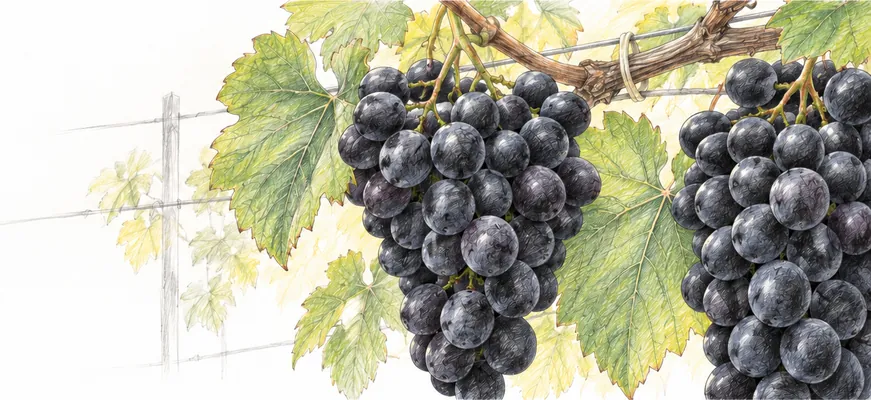
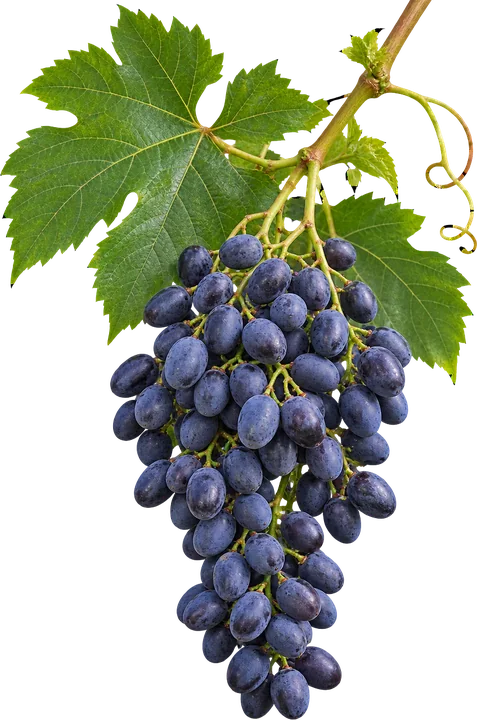
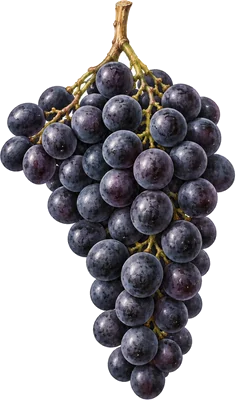
Antratsit: large oval black berries with a bluish bloom — AI illustration based on photos and the description of the variety
  • Ripening timeVery earlyin Belarus — late August to mid-September
  • Berry6–8 gblack, with a bloom; bunch 500–1000 g
  • Frost hardinessdown to −24 °Caccording to descriptions; in the south sometimes grown without cover
  • Sugar14–⁠20 Brixin Belarus, by year
  • 71first-hand observations
  • 18amateur growers
  • 8professionals
  • 11seasons

The season of Antratsit in Belarus

Click a stage to see what happens on the vine and what growers saw.

Scroll the strip to see the whole season

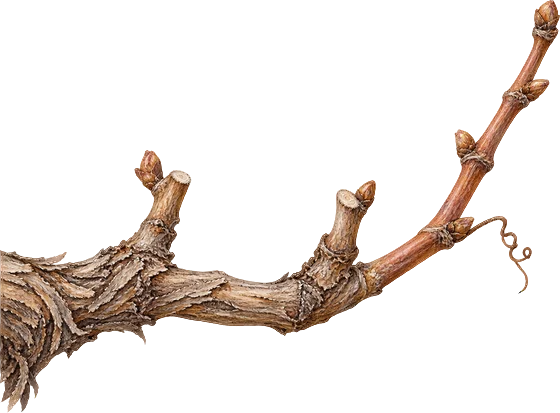
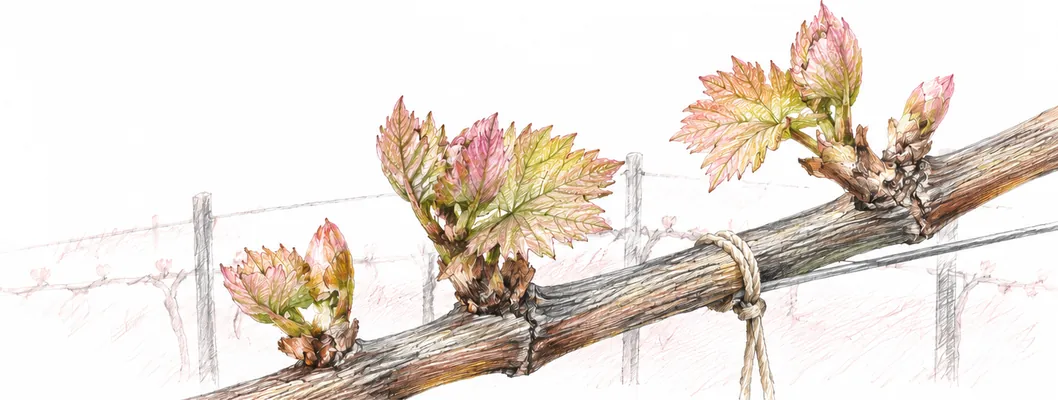
Bud break

late April — May

When Antratsit's buds break

Professionals' observations
Professionals 2 observations

  1. Gomel Region, Kalinkovichisteady warmth above +10 °C from 17 Mayfrosts from −5 to −10 °C, the last on 6 MayA second-year vine overwintered heeled into the soil, and its buds woke up late. By mid-June it is only getting ready to flower, while the vines under a little tent cover are already in flower.
  2. Gomel Region, KalinkovichiOf two Antratsit cuttings received, only one woke up, and even that one sat still for a long time: the shoots came out weak, lacking sun and warmth.

Amateurs 0 observations

2

Weather, diseases and pests

Professionals 2 observations

  1. Minsk Regionsteady warmth above +10 °C from 13 Mayfrosts down to −2 °C, the last on 9 MayThe primary bud on Antratsit was damaged by frost, and the shoot came from a secondary bud — with a bunch, too. The vine sets inflorescences on all shoots.
  2. Gomel Region, Kalinkovichisteady warmth above +10 °C from 27 Aprilfrosts down to −1 °C, the last on 5 AprilThe May frost of 2024 damaged the top of Antratsit even under the barrel it was covered with — perhaps through holes in it. Later the vine recovered a little.

Amateurs 0 observations

3

Work on the vine

No observations yet.

Weather in the observation lines is from AgERA5 data for the region: frosts, sum of active temperatures.

Shoot growth

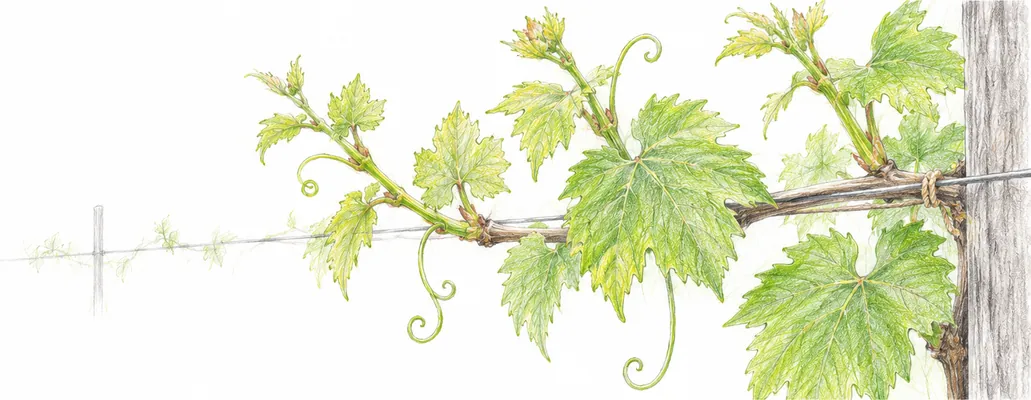
May — June

How Antratsit's shoots grow

Observations by professionals and amateurs

Professionals 2 observations

  1. Gomel Region, GomelSAT since 1 April — 427 °C, as usualmonthly precipitation — 44 mm, about usualIn three years in a trench Antratsit has gained impressive strength: the trunk is about 7 cm thick at the base and about 5 cm higher up.
  2. Grodno Region, LidaA three-year-old Antratsit vine already carries trial bunches and copes with the load excellently — in places two bunches per shoot.

Amateurs 3 observations

  1. Location not specifiedA five-year-old vine moved in autumn was uncovered in May after all the frosts; by early June its shoots are already 8 cm and growing.
  2. Location not specifiedAntratsit fruits with any pruning, even on two-bud spurs: its fruitfulness is amazing.
  3. Location not specifiedAntratsit is fruiting for the second year. In 2022 it was overloaded out of inexperience, but the cane still ripened, and the vine overwintered and pollinated well. That year the berry tasted of nightshade.
2

Weather, diseases and pests

No observations yet.

3

Work on the vine

No observations yet.

Weather in the observation lines is from AgERA5 data for the region: sum of active temperatures, precipitation.

Flowering

June

How Antratsit flowers and sets berries

Observations by professionals and amateurs

Professionals 2 observations

  1. Gomel Region, KalinkovichiSAT since 1 April — 582 °C, as usualmonthly precipitation — 120 mm, 2.2 times the usual; rain on 12 days of 1420% less sun than usualIn its second year Antratsit, although slightly damaged by frost, showed three bunches and set them quite decently. There are also barren shoots, and another cane came up from the root.
  2. Gomel RegionSAT since 1 April — 844 °C, the season is 4 days ahead of usualmonthly precipitation — 74 mm, about usual; rain on 10 days of 14Flowering on the plot began on 3 June, on Antratsit around 6–7 June. A year earlier the first varieties flowered only on 15 June.

Amateurs 3 observations

  1. Location not specifiedIn the cold, rainy flowering of 2026 Antratsit pollinated about halfway, while a neighbouring variety in the same conditions dropped almost everything.
  2. Gomel RegionSAT since 1 April — 1345 °C, as usualmonthly precipitation — 52 mm, 25% less than usualIn July 2025 pollination went well on the whole: in places there is some dropping, but not critical, and Antratsit has a good fruit set.
  3. Location not specifiedIn a greenhouseIn the greenhouse, where Antratsit grows next to Lora, it has no pollination problems; the surplus bunches are cut after flowering.
2

Weather, diseases and pests

No observations yet.

3

Work on the vine

No observations yet.

Weather in the observation lines is from AgERA5 data for the region: sum of active temperatures, precipitation.

Berry growth

July

How Antratsit's berries fill

Observations by professionals and amateurs

Professionals 4 observations

  1. Grodno Region, GrodnoIn 2025 Antratsit's bunches are long, from 800 g to 1 kg, with berries of about 8 g. By early September half the vine had been cut; the only drawback is that the seeds can be felt when eating.
  2. Gomel RegionWith a good load Antratsit's bunches are mostly a kilogram each, in places more, with some of 2 kg. The berries are even, without small ones; on 25 August some bunches could already be cut.
  3. Grodno Region, LidaAntratsit's bunches are conical, loose and dark blue, usually 400–700 g, some up to 800–900 g; the berry is about 7 g, with almost no millerandage. In the third year about 20 kg can be picked from a vine.
  4. Grodno Region, LidaAn Antratsit bunch from the 2018 crop, compact and rounded, weighed 725 g on the scales — more than a bunch of the neighbouring Arkadia.

Amateurs 1 observation

  1. Gomel Region, Gomel DistrictOn sand in Gomel District Antratsit copes with the load, the bunches are uniformly even, the cane ripens, and the berry may crack slightly. In September–October the nightshade taste is barely noticeable.
2

Weather, diseases and pests

Professionals 3 observations

  1. Gomel Region, KalinkovichiSAT since 1 April — 938 °C, the season is 4 days behind usualmonthly precipitation — 90 mm, 1.7 times the usualtwo weeks 3 °C colder than usualIn the rainy end of June 2025 Antratsit is growing well, the leaf dense and slightly hairy; the only thing is a little chlorosis.
  2. Grodno Region, LidaSAT since 1 April — 2018 °C, as usualmonthly precipitation — 132 mm, 1.7 times the usualIn 2021 even neighbouring varieties that are usually healthy caught downy mildew, while Antratsit next to them stayed completely clean.
  3. Grodno Region, LidaIn 2018, after three preventive sprays, Antratsit's leaves had no downy mildew, and there was no grey mould on the berries. The berry withstood prolonged rain after drought and did not crack.

Amateurs 1 observation

  1. Location not specifiedIn 2025 Antratsit's berries and canes are clean. There were preventive sprays this year, but even without them, in the author's experience, Antratsit rarely catches anything.
3

Work on the vine

Professionals 6 observations

  1. Grodno Region, GrodnoSAT since 1 April — 1590 °C, as usualmonthly precipitation — 188 mm, 2.2 times the usual; rain on 12 days of 14A fourth-year vine sets two or three bunches per shoot, but the shoots are weak, just over a metre, so one bunch was left on each.
  2. Gomel Region, KalinkovichiSAT since 1 April — 814 °C, as usualmonthly precipitation — 116 mm, 1.8 times the usualA second-year plant withstood the frosts and set two bunches per cane, although last summer it grew only small canes.
  3. Grodno Region, GrodnoSAT since 1 April — 1226 °C, the season is 12 days ahead of usualmonthly precipitation — 82 mm, about usualtwo weeks 3 °C warmer than usualA second-year vine has such large bunches that the bottoms of some were trimmed to make the bunch smaller; many surplus bunches were also removed.
  4. Gomel RegionSAT since 1 April — 844 °C, the season is 4 days ahead of usualmonthly precipitation — 74 mm, about usual; rain on 10 days of 14Antratsit's inflorescences were thinned to two per shoot — that way the bunches are smaller, but the berry is larger and more attractive. Almost all the shoot tips were cut off.
  5. Grodno Region, LidaSAT since 1 April — 1650 °C, the season is 9 days behind usualmonthly precipitation — 61 mm, 25% less than usualAntratsit's very long shoots were cut back by half a metre, and where there were three bunches per cane the extra ones were removed, leaving two. The load turned out very good.
  6. Gomel RegionSAT since 1 April — 1399 °C, as usualmonthly precipitation — 57 mm, about usualtwo weeks 4 °C warmer than usualIf the inflorescence is not trimmed, Antratsit's bunch grows compact, up to about one and a half kilograms. A trimmed bunch comes out loose, is well ventilated and does not get diseased.

Amateurs 0 observations

Weather in the observation lines is from AgERA5 data for the region: sum of active temperatures, precipitation.

Colouring

late July — August

How Antratsit's berries change colour

Observations by professionals and amateurs

Professionals 5 observations

  1. Grodno Region, GrodnoSAT since 1 April — 1259 °C, as usualmonthly precipitation — 76 mm, 20% less than usualBy 19 July 2026 Antratsit's berry had already started colouring — among the first on the plot, together with other early selections.
  2. Grodno Region, GrodnoSAT since 1 April — 1360 °C, as usualmonthly precipitation — 146 mm, 1.8 times the usual; rain on 10 days of 14In 2025 Antratsit was one of the first selections on the plot to start colouring: by 23 July it is already colouring.
  3. Grodno Region, LidaSAT since 1 April — 1513 °C, as usualmonthly precipitation — 60 mm, 25% less than usual; rain on 10 days of 14In the cool, damp end of July 2023 almost nothing on the plot was colouring, but Antratsit, together with a couple of early varieties, began colouring little by little.
  4. Grodno Region, LidaSAT since 1 April — 1746 °C, the season is 6 days ahead of usualmonthly precipitation — 61 mm, 30% less than usualIn 2019 Antratsit produced large bunches, two per cane, and in early August they were already colouring well. The vine is hardy and copes with the load.
  5. Vitebsk Region, NovopolotskIn a greenhouseIn the greenhouse in 2016 Antratsit, after the previous year's heavy load, gave fewer bunches but pollinated decently, and by 24 July the berry is already changing colour.

Amateurs 1 observation

  1. Location not specifiedIn a greenhouseIn the hotbed by 27 July 2022 the first signs of colour appeared on Antratsit, while in open ground there was not enough warmth, and almost nothing was colouring there.
2

Weather, diseases and pests

Professionals 4 observations

  1. Minsk RegionOn the parents' plot Antratsit hangs behind bird netting, and by 27 September the berries are intact despite the rain; only a handful are pecked. It is cut as needed.
  2. Minsk RegionThe young vine is growing too lush, so the main crop is small. The bunches had to be covered against birds; by 6 September the berry is fully ripe and sweet, the nightshade taste is gone, and the taste is harmonious.
  3. Vitebsk Region, NovopolotskSAT since 1 April — 2179 °C, the season is 6 days ahead of usualmonthly precipitation — 60 mm, about usualtwo weeks 2 °C warmer than usualYear after year Antratsit gives an excellent crop without problems, and almost all of the cane has ripened. In 2023 wasps did some damage to the unbagged bunches.
  4. Grodno Region, LidaIn 2018 the wasps on the plot did not touch Antratsit: they flew around, but there were no empty, eaten-out berries in the bunches.

Amateurs 0 observations

3

Work on the vine

No observations yet.

Weather in the observation lines is from AgERA5 data for the region: sum of active temperatures, precipitation.

Ripening and harvest

late August — September

Sugar, taste and harvest time of Antratsit

Observations by professionals and amateurs

When Antratsit ripens

5 observations without greenhouses · 2020–2026

Professionals3 observationsAmateurs2 observations

still ripeningripealready cutapproximate date

Scroll the dates ↔

What state the bunches were found in5 observations. A drop is one observation: filled — bunches ripe, hollow — still ripening, cross — already cut. Harvest window from 16 September to 27 September.harvest window · 16 September — 27 SeptemberAugust510152025September510152025October5ProfessionalsAmateurs

Professionals 5 observations

  1. Gomel Region, GomelSAT since 1 April — 1809 °C, as usualmonthly precipitation — 37 mm, 45% less than usualReading on 7 August 2026: Antratsit had 11–14 Brix, the berry still quite sour, while the neighbouring variety had already reached 18.
  2. Gomel Region, KalinkovichiSAT since 1 April — 2608 °C, the season is 8 days behind usualmonthly precipitation — 23 mm, 35% less than usualThe last Antratsit bunches hung until frosts of −5 °C at the end of September 2025. The skin is rather thick, the flesh meaty, with three or four seeds; the frosts took away the excess astringency.
  3. Grodno Region, LidaIn 2024 Antratsit could be cut as early as 2 September, while in previous years it reached condition by about 15 September. There are more than 70 bunches on the vine, and it copes with the load.
  4. Gomel RegionSAT since 1 April — 2470 °C, the season is 7 days behind usualmonthly precipitation — 57 mm, 1.3 times the usualIn mid-September 2020 it is time to harvest Antratsit: 20 Brix, and the occasional rotten berry does not pass rot to its neighbours. The variety is good for the table, for sale and for wine, and keeps well.
  5. Grodno Region, LidaIn open ground in the west of the country Antratsit ripened by 30 August 2018: firm, juicy flesh, a rather thick but edible skin, sugar about 14%. The nightshade taste of the first years has gone.

Amateurs 9 observations

  1. Minsk Region, MinskSAT since 1 April — 2321 °C, the season is 8 days behind usualmonthly precipitation — 78 mm, 1.6 times the usual15% less sun than usualIn Minsk in 2026 Antratsit ripened excellently, although birds and wasps managed to eat part of the crop. The taste resembles shop-bought black grapes.
  2. Gomel Region, GomelSAT since 1 April — 2031 °C, the season is 4 days behind usualmonthly precipitation — 31 mm, 50% less than usualIn 2025 near Gomel Antratsit was being eaten as early as 31 August, without the nightshade taste, while in the cool 2026, even with half the load, it was far from ripe by 19 August.
  3. Location not specifiedIn another grower's experience, Antratsit has a high yield and a nightshade taste that not everyone likes. The berry is smaller than modern blue selections, may crack, and the leaves are not resistant to downy mildew.
  4. Location not specifiedOver the years of observation Antratsit has hardly been sick and copes well with the load. Many eat it as soon as it colours, and at full ripeness the nightshade taste is barely noticeable.
  5. Location not specifiedIn the past ripe Antratsit could be tasted once every three or four years; now it ripens every year even under a good load. Ripe, it is very tasty — for those who do not like things too sweet.
  6. Location not specifiedAntratsit has grown in this garden for 14 years: it crops every year, pollinates fully, the berry does not crack, and it is ripe by 10 September. The variety suits the south of the country but not the north: the nightshade taste only just disappears in time.
  7. Minsk RegionIn the south of Minsk Region Antratsit has ripened fully in recent years, until the berries drop naturally, whereas in rainy years it often failed to ripen in the past. Its wine is simple and neat, with moderate astringency.
  8. Vitebsk Region, VitebskIn a greenhouseIn a greenhouse near Vitebsk Antratsit is reliable: the 2020 crop was meant to be tried for wine, but by early October it had all been eaten fresh.
  9. Vitebsk Region, PostavyIn a greenhouseIn a greenhouse in Postavy Antratsit ripened only by 25 September in 2017, but as early as 20 August in 2018; two small lateral bunches finished ripening by 27 September.
2

Weather, diseases and pests

Professionals 4 observations

  1. Gomel Region, GomelSAT since 1 April — 2694 °C, the season is 9 days behind usualmonthly precipitation — 52 mm, about usualIn 2025 Antratsit near Gomel cracked so badly that the bunches were not even picked; the year before there was no such problem.
  2. Grodno Region, LidaSAT since 1 April — 2304 °C, the season is 25 days behind usualmonthly precipitation — 84 mm, 1.7 times the usual; rain on 8 days of 14After the rains of early October 2022 the unpicked part of the Antratsit crop is intact, without cracks. The vine is slightly overloaded but copes, and the cane is ripening.
  3. Grodno Region, LidaSAT since 1 April — 2171 °C, the season is 4 days behind usualmonthly precipitation — 56 mm, about usualtwo weeks 3 °C colder than usual; nights below +8 °C — 6 of 14Under a very heavy load in 2021 a few Antratsit berries cracked — not on every bunch and not critically; the berry is already edible.
  4. Grodno Region, LidaSAT since 1 April — 1979 °C, the season is 5 days ahead of usualmonthly precipitation — 75 mm, about usual; rain on 7 days of 14In mid-August 2019 Antratsit has almost coloured, but there is still little sugar; the berry is intact, with no cracks, although a couple of berries split on neighbouring varieties.

Amateurs 1 observation

  1. Location not specifiedIn a greenhouseIn the greenhouse in August 2025 it was mostly the largest Antratsit berries that cracked: up to a third of the bunch nearer the head of the vine, while on the far canes everything is intact. This coincided with swings from +35 by day to +7 at night.
3

Work on the vine

No observations yet.

Weather in the observation lines is from AgERA5 data for the region: sum of active temperatures, precipitation.

Autumn

September — October

How Antratsit's cane ripens

Observations by professionals and amateurs

Professionals 5 observations

  1. Grodno Region, GrodnoSAT since 1 April — 2454 °C, the season is 10 days behind usualmonthly precipitation — 47 mm, about usualtwo weeks 2 °C colder than usual; nights below +8 °C — 14 of 14In its third year the Antratsit vine was heavily loaded, and still by early October the cane had ripened for two metres and more; the berry is tastier than in the second year.
  2. Grodno Region, GrodnoSAT since 1 April — 2525 °C, the season is 31 days ahead of usualmonthly precipitation — 49 mm, 30% less than usualtwo weeks 5 °C warmer than usual; 30% more sun than usualOn a two-year-old vine the cane had ripened for one and a half to two metres by early September, all brown, with clean leaves. The crop has been picked: the berry hung well and became sweet by the end.
  3. Grodno Region, LidaIn 2020 Antratsit was most likely overloaded, but the canes are strong and already turning brown. The vine is healthy and copes with the load, although it ripens later this year.
  4. Grodno Region, LidaSAT since 1 April — 2895 °C, as usualmonthly precipitation — 55 mm, about usualtwo weeks 2 °C warmer than usual; 15% more sun than usualAntratsit hangs on the vine for a long time without splitting; after hanging, the nightshade taste and astringency go and the berry becomes sweet. One bunch has been hanging for a month already and is not rotting.
  5. Vitebsk Region, NovopolotskEven under a huge load Antratsit's cane began to ripen by the end of August 2015; the bunches are even, as if calibrated, and need to hang a little longer.

Amateurs 2 observations

  1. Location not specifiedAntratsit colours early, but that is not ripeness yet: after colouring it hangs for about a month, the nightshade goes completely, and the taste becomes quite decent.
  2. Location not specifiedAntratsit grows with almost no care: no digging, watering or foliar feeding. The crop load is the same year after year, and by the end of August at least one and a half metres of cane have ripened.
2

Weather, diseases and pests

No observations yet.

3

Work on the vine

No observations yet.

Weather in the observation lines is from AgERA5 data for the region: sum of active temperatures, precipitation.

Winter

November — April

How the Antratsit vine overwintered

Observations by professionals and amateurs

Professionals 1 observation

  1. Gomel RegionIn the author's experience in the Gomel area, Antratsit withstands almost −28 °C and need not be covered; the author still covers the vine lightly.

Amateurs 4 observations

  1. Location not specifiedAntratsit's canes left above the snow line died completely in the winter of 2025/26 — although they may have been poorly ripened. A neighbouring variety in the same conditions kept some of its buds.
  2. Location not specifiedIn autumn 2023 Antratsit had many buds that had opened, but the vine overwintered and woke up well in spring: there were almost no losses, and the growth had to be thinned as usual.
  3. Minsk Region, LubanA five-year-old vine in Luban is not covered. It withstood the late May frosts, no disease has been seen on it, and for the second year running it is carrying a good crop load.
  4. Location not specifiedIn a greenhouseIn spring 2015 in the greenhouse 90% of the buds woke up on a five-year-old Antratsit vine — one of the best results among the varieties in that greenhouse.
2

Weather, diseases and pests

No observations yet.

3

Work on the vine

Professionals 0 observations

Amateurs 1 observation

  1. Location not specifiedSpur pruning to two buds is being tried on Antratsit: the bunches on the spurs are worse, and some have none at all, so long pruning is preferred.

Strengths and risks of Antratsit

Strengths

  • Very productive: copes with a load of two bunches per shoot; in the third year about 20 kg per vine and more
  • Fruits with any pruning, even on spurs, and from secondary buds after a frost
  • Even bunches of 0.5–1 kg, with almost no millerandage
  • The cane ripens early and far — one and a half to two metres even under a heavy load
  • The leaves rarely get sick: in years when neighbouring varieties caught downy mildew, Antratsit stayed clean
  • The berry hangs on the vine for a long time, and during that time the nightshade taste and astringency go away
  • In Luban and the Gomel area it is not covered for the winter

Risks in Belarus

  • The nightshade taste goes only at full ripeness; in growers' experience, in the north it only just goes in time, and not everyone likes the taste
  • Colours early — easy to pick before it is ripe
  • In some years it cracks badly, especially the large berry when temperatures jump
  • In a cool year it is still sour by the end of August; in rainy years it often failed to ripen in the past
  • Three or four seeds per berry, noticeable when eating
  • Frost hardiness down to −24 °C in descriptions; canes left above the snow died
  • Wasps and birds: the bunches are covered with netting or bags

Suits the south and centre of Belarus for those who value yield and reliability over refined taste and are prepared to wait for full ripeness; in the north it is better in a greenhouse.

Origin: Russia, amateur breeding by Ye. G. Pavlovsky: Viktoriya × Nadezhda AZOSUpdated How we collect observations