











CountryLanguage

Aleshenkin

Aleshenkin

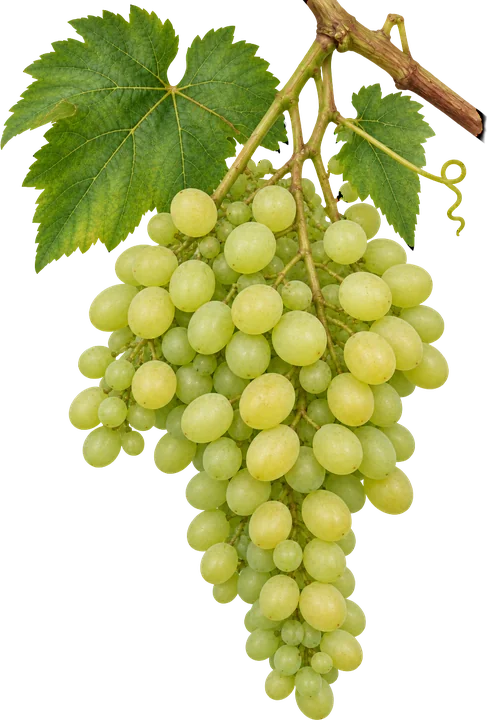
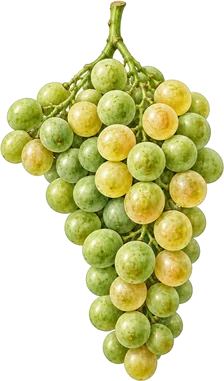
An old table grape with large bunches and sweet, crisp berries. Growers in Belarus often report downy mildew on the leaves.

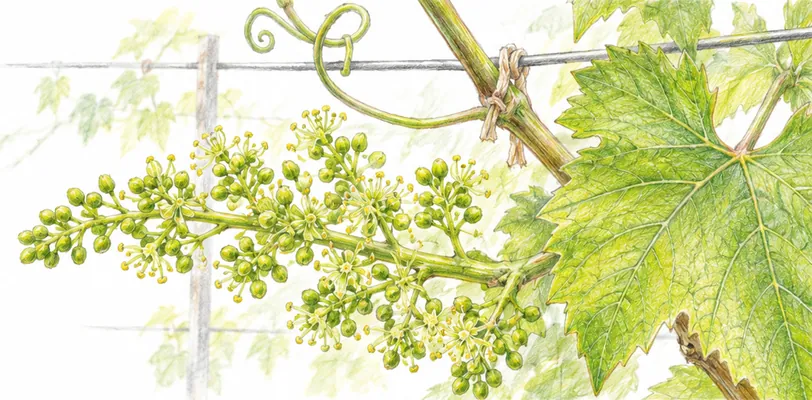
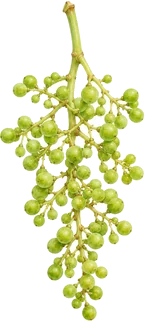
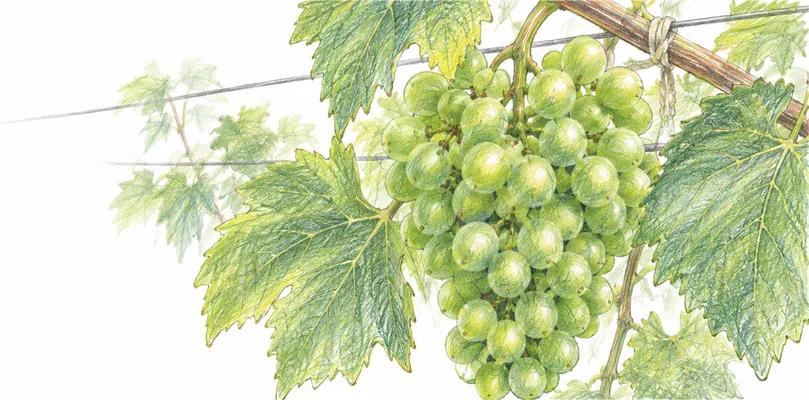
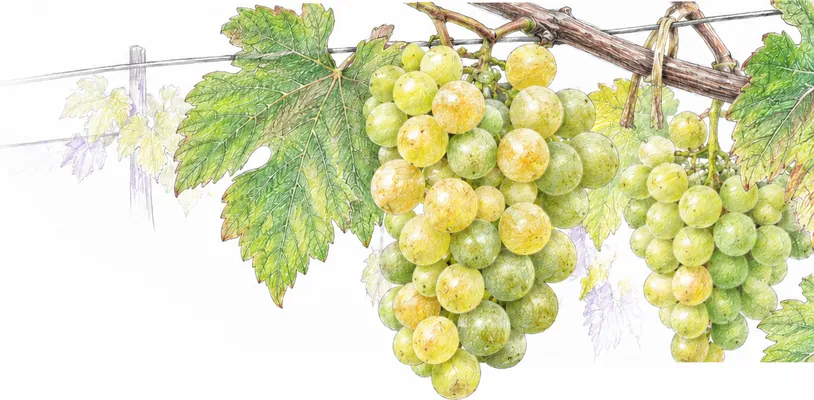
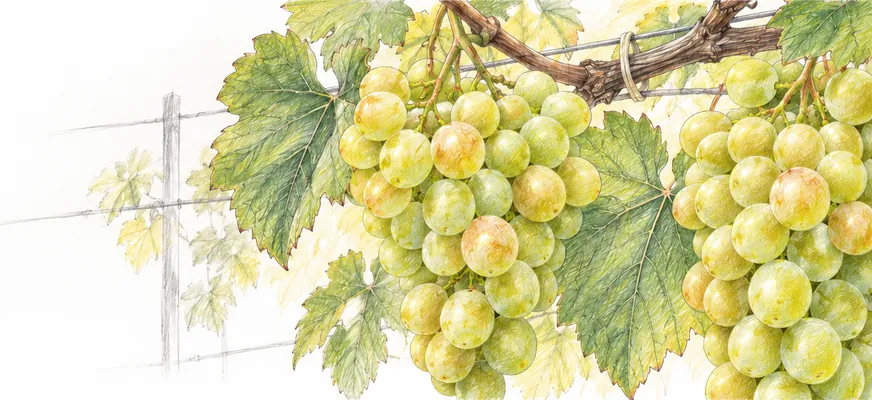
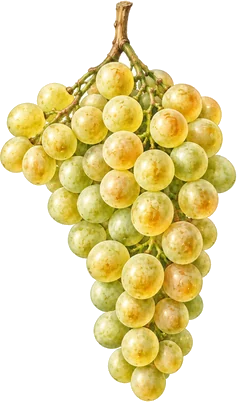
Aleshenkin: a branched bunch of yellow-green berries. AI illustration based on photographs and a description of the variety
  • Ripening timeVery earlyoften ready in August in Belarus, later in cool seasons
  • Berryabout 4.5 gslightly oval and yellow-green
  • Frost hardiness−19…⁠−21 °Creference estimate, with spring frost damage reported in Belarus
  • Sugarto 20 Brixreference value
  • 120first-hand observations
  • 31amateur growers
  • 9professionals
  • 13seasons

Aleshenkin through the season in Belarus

Click a stage to see what happens on the vine and what growers saw.

Scroll the strip to see the whole season

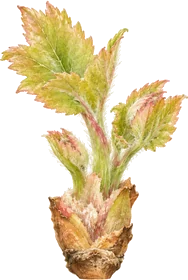
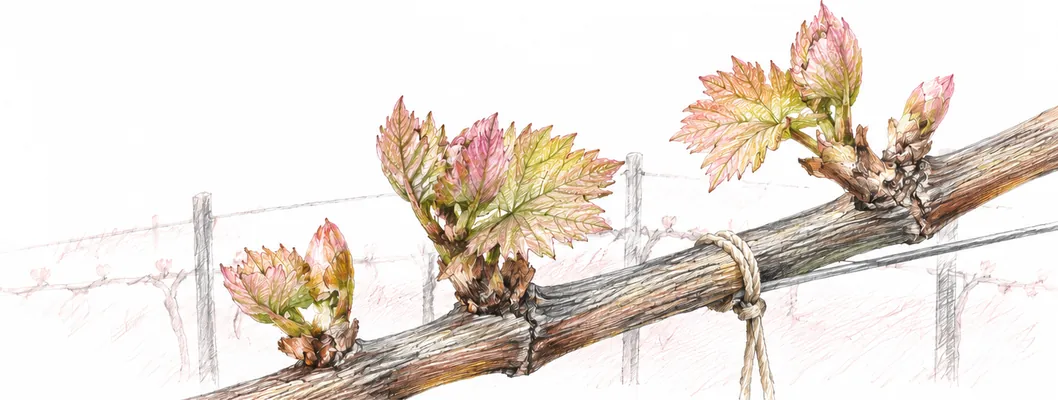
Bud break

April - May

When Aleshenkin's buds start to move

Observations by professionals and amateurs
No observations yet.

2

Weather, diseases and pests

Professionals 4 observations

  1. Grodno Region, LidaIn the spring of 2026 in Lida, Aleshenkin in the open ground did not have time to wake up to the frost and began to grow from the main buds without damage. Catalonia, Veles and Zaporozhye in the same area grew from second buds.
  2. Minsk Region, Smolevichi DistrictIn a hotbedIn May 2025 of Aleshenkin, in a tunnel greenhouse in the Smolevichi region, individual buds froze at the edge of the shelter. There are enough main buds left, and the author does not consider this to be terrible: his variety bears fruit well on replacement buds.
  3. Vitebsk Region, Novopolotsksteady warmth above +10 °C from 13 Mayfrosts from −2 to −4 °C, the last on 9 MayThe old bush Aleshenkin on a site in Novopolotsk in the spring of 2024 withstood return frosts well. The author notes that his variety confirms its reliability year after year.
  4. Minsk Region, SoligorskIn the spring of 2023 the Aleshenkin bush in Soligorsk froze by approximately 80%. The end of one shoot survived, and a few inflorescences remained on it; they did not freeze.

Amateurs 1 observation

  1. Location not specifiedWhen the grower's Aleshenkin falls under return frosts, shoots with a harvest grow from the replacement buds.
3

Work on the vine

No observations yet.

Weather in the observation lines is from AgERA5 data for the region: frosts, sum of active temperatures.

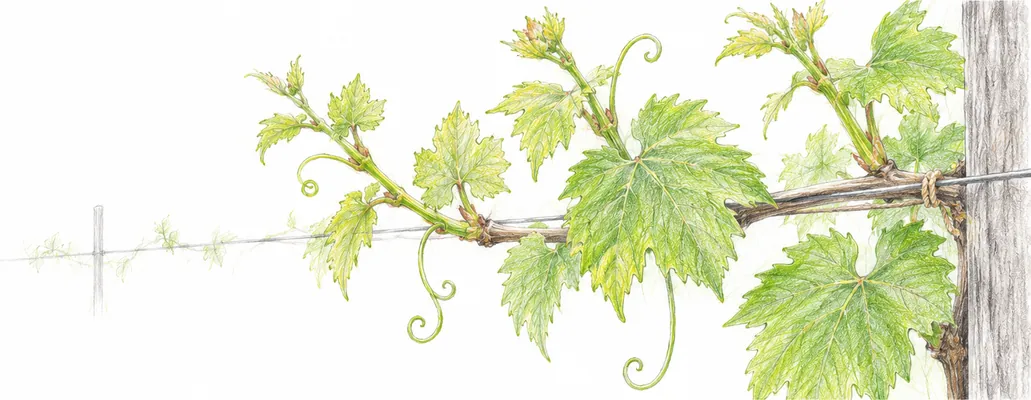
Shoot growth

May — June

How shoots grow at Aleshenkin

Observations by professionals and amateurs

Professionals 2 observations

  1. Minsk RegionSAT since 1 April — 416 °C, as usualmonthly precipitation — 54 mm, about usualtwo weeks 3 °C warmer than usualIn the Minsk region at the end of May 2019, even before flowering, there were two or three clusters on small shoots of Aleshenkin, two of which were large and beautiful.
  2. Vitebsk Region, NovopolotskIn Novopolotsk, the bush Aleshenkin has been growing on the eastern slope for almost 30 years, the sun there is only in the afternoon. The variety produces a lot of powerful inflorescences every year: this happened in May 2016 and in June 2025 and 2026.

Amateurs 4 observations

  1. Location not specifiedThe grower tries pruning into two buds on Aleshenkin and Charlie, and the result is better on Aleshenkin. In general, the clusters on the horns are worse than with long pruning, but on some of the shoots they are absent.
  2. Location not specifiedThe grower's four-year-old Aleshenkin bushes grow poorly on his soil. According to him, in terms of development they can only be given about two years.
  3. Grodno region, SmorgonIn Smorgon, Aleshenkin used to grow with a grower and of its five varieties it was the sickest and did not bear fruit well. As a result, the bush was removed.
  4. Vitebsk RegionIn the Vitebsk region, the grower's Aleshenkin bushes are vigorous and very productive, the shoots are highly fruitful. The variety tends to overload itself, therefore, in his experience, it is necessary to normalize to one bunch per shoot.
2

Weather, diseases and pests

No observations yet.

3

Work on the vine

No observations yet.

Weather in the observation lines is from AgERA5 data for the region: sum of active temperatures, precipitation.

Flowering

June — early July

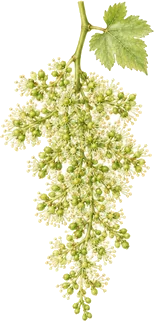
How it blooms and sets berries Aleshenkin

Observations by professionals and amateurs

Professionals 4 observations

  1. Minsk Region, SoligorskIn Salihorsk in 2025, the grower cut small berries out of some bunches on four outdoor Aleshenkin vines. A bunch left unthinned looked almost unpollinated.
  2. Minsk Region, Smolevichi DistrictSAT since 1 April — 1237 °C, as usualmonthly precipitation — 91 mm, about usualIn 2025 in the Smolevichi region, Aleshenkin bloomed and set beautifully, the shedding was insignificant, the clusters were large, although the flowering in the area lasted for three weeks. Kennel shed about 70% of inflorescences, Beauty — about 50%.
  3. Vitebsk Region, NovopolotskSAT since 1 April — 1170 °C, as usualmonthly precipitation — 94 mm, about usual; rain on 10 days of 14In Navapolatsk in July 2016, Aleshenkin bunches contained many tiny unpollinated berries alongside the berries that had set. The grower considers this typical of the variety.
  4. Vitebsk Region, NovopolotskSAT since 1 April — 864 °C, as usualmonthly precipitation — 42 mm, 30% less than usual25 June 2016 in Novopolotsk, the flowering of Aleshenkin was ending: on some clusters the caps were still falling off, and on the rest the inflorescences had already been pollinated and the ovary began to grow.

Amateurs 6 observations

  1. Gomel Region, SvetlogorskIn Svetlogorsk in 2025 years Aleshenkin pollinated well, like Jupiter, G-342, Muscat Blue and Kodryanka. Arcadia and Veles were just beginning to bloom at this time.
  2. Location not specifiedThe grower removed Aleshenkin a long time ago: his variety was pollinated every year, and there were diseases every year. The taste is not so unusual that you have to put up with it.
  3. Gomel RegionSAT since 1 April — 1345 °C, as usualmonthly precipitation — 52 mm, 25% less than usualIn the Gomel region in 2025, pollination generally went well. At the same time, Aleshenkin had partial shedding, while many neighboring varieties started well.
  4. Location not specifiedThe grower Aleshenkin pollinates normally, he trims the bunch from below. The main problem with this variety is diseases: three conventional treatments are not enough.
  5. Location not specifiedFrom 22 to 24 June 2025, the grower’s varieties bloomed in turn, new ones every day. Aleshenkin began to bloom last, after Minsk pink, Supaga, Kishmish HZCH, Sharada, Exhibition, Snow White and Polonaise 50.
  6. Vitebsk region, LioznoIn Liozno in 2021, Aleshenkin bloomed along with other varieties of the site and produced huge inflorescences, no less than those of Veles.
2

Weather, diseases and pests

No observations yet.

3

Work on the vine

No observations yet.

Weather in the observation lines is from AgERA5 data for the region: sum of active temperatures, precipitation.

Berry growth

July — August

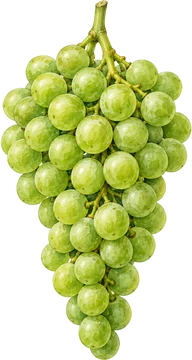
How berries are poured at Aleshenkin

Observations by professionals and amateurs

Professionals 8 observations

  1. Grodno Region, GrodnoSAT since 1 April — 1975 °C, the season is 5 days behind usualmonthly precipitation — 57 mm, about usualIn Grodno, a bunch of Aleshenkin on the shaded side of the trellis weighs about 800 g, and often the bunches weigh a kilogram or more. Berries of different sizes; small ones are without seeds, the cut medium one has one seed, the largest one has two.
  2. Minsk Region, Smolevichi DistrictIn the open ground of the Smolevichi region, a grower collected individual bunches weighing about 2 kg from Aleshenkin.
  3. Minsk Region, Smolevichi DistrictSAT since 1 April — 1237 °C, as usualmonthly precipitation — 91 mm, about usualIn the Smolevichi region in July 2025, Aleshenkin bore well and produced beautiful large clusters, although flowering that year lasted for three weeks.
  4. Vitebsk Region, NovopolotskSAT since 1 April — 1881 °C, the season is 12 days ahead of usualmonthly precipitation — 86 mm, about usualIn Navapolatsk in August 2024, a very old Aleshenkin vine carried a heavy crop, as it does every year. There were a few undersized berries, and the bunches looked good after the grower trimmed them with scissors.
  5. Minsk Region, Ostroshitsky GorodokSAT since 1 April — 1815 °C, as usualmonthly precipitation — 109 mm, 1.6 times the usualIn Ostroshitsky Gorodok, the 19 years-old bush Aleshenkin grows against the wall and is loaded with harvest every year. In August 2023 he again produced large grapes.
  6. Gomel RegionOn one grower’s Aleshenkin vine in the Homiel region, the bunches are very dense, the flowers numerous and pollination poor. Many unpollinated berries stay small alongside the large berries.
  7. Vitebsk Region, NovopolotskSAT since 1 April — 1332 °C, the season is 8 days behind usualmonthly precipitation — 101 mm, about usualIn Novopolotsk, in a bad weather year 2022, Aleshenkin had very strong pea crops, and they had to do a lot of manual work with the bunches.
  8. Vitebsk Region, NovopolotskIn Novopolotsk in the fall of 2016 the bush Aleshenkin of a grower easily bore a very heavy load of harvest. The berry has ripened, and the vine has ripened along the entire length of the bush, approximately 1.5–2 m.

Amateurs 5 observations

  1. Location not specifiedThe grower has two bushes Aleshenkin. There is a harvest every year, the bushes get sick uncritically, but the bunches always pea, and they have to be trimmed with scissors.
  2. Location not specifiedAleshenkin is pollinated normally by the grower; he prunes the bunch from below. The bunches are beautiful, under 1 kg, there are almost no seeds. The bush grows in the city, in open ground.
  3. Location not specifiedThe grower Aleshenkin has the earliest and most productive fruit in open ground. The berries are small, most are seedless, and there are problems with pollination.
  4. Gomel RegionIn the Gomel region, the grower's Aleshenkin berries are among the first in size: only Shevchenko and Galahad are larger, and Deya is on a par with him.
  5. Location not specifiedIn a hotbedThe grower started the collection with Aleshenkin and keeps the bushes in greenhouses. The brushes of this variety are huge, and they often have to be trimmed a little.
2

Weather, diseases and pests

Professionals 2 observations

  1. Grodno Region, GrodnoSAT since 1 April — 1975 °C, the season is 5 days behind usualmonthly precipitation — 57 mm, about usualIn Grodno in 2026, with standard treatments, downy mildew attacked a couple of leaves on Aleshenkin, but did not spread to berries. The vinedresser tears off such leaves and destroys them.
  2. Minsk Region, Smolevichi DistrictSAT since 1 April — 1237 °C, as usualmonthly precipitation — 91 mm, about usualIn the Smolevichi region, after timely preventive treatments, there were no downy mildew on Aleshenkin in July 2025, the upper leaves were clean. In mid-August there was also not a speck on the first bush.

Amateurs 11 observations

  1. Vitebsk RegionIn the Vitebsk region, a grower still keeps Aleshenkin and calls it a hard worker: with regular treatments, downy mildew does not bother him. Agat Donskoy had to be removed there.
  2. Location not specifiedThe grower removed Aleshenkin long ago: it was pollinated by him every year, but was sick every year. The taste was not so unusual that it was worth putting up with.
  3. Location not specifiedIn August 2025, Sharova's Riddle was the first to catch downy mildew from a grower, and treatments did not always save her. Aleshenkin and Tason looked stronger.
  4. Location not specifiedAt the beginning of August 2025, downy mildew appeared in places on the leaves of Aleshenkin, stronger than on Muscat Donskoy in 30 m, although it was not present on other bushes around. In August 2026 only a few leaves are affected.
  5. Location not specifiedIn the summer 2025 of the year Aleshenkin the grower was very sick: three standard treatments were not enough, by mid-August the leaf was stained with downy mildew, and the neighboring La Crescent was clean. The disease is controlled with monophosphate and Kleros after 7–10 days.
  6. Gomel Region, Dobrush DistrictIn the Dobrush region, the grower's Aleshenkin is productive and ripens in the first half of August. But it has problems with resistance to downy mildew, and there are complaints about the size of the berries.
  7. Location not specifiedIn 2024 years Aleshenkin, in the open ground of a grower without chemical treatments, suffered greatly from diseases, but the neighboring Talisman remained clean. The bush had to be removed, the second one is growing in a greenhouse.
  8. Location not specifiedIn the rainy 2023 years, Aleshenkin the grower had pain in the tops, but in the dry 2024 years there were almost no diseases. Of its varieties, only Aleshenkin and Tason like to get sick; it has little rain.
  9. Location not specifiedIn 2024 the grower saw downy mildew for the first time in seven years. Of the 50 varieties, it affected only three, including four-year-old Aleshenkin, which was stunted.
  10. Location not specifiedIn mid-July 2024, the grower's Aleshenkin bush had not yet produced its first bunches and was still clean: there were no signs of disease on it. The vinedresser planned to watch him until winter.
  11. Grodno region, SmorgonIn Smorgon, a grower used to grow Aleshenkin. Of its five varieties, this one suffered the most and did not bear fruit well, so the bush was removed long ago.
3

Work on the vine

Professionals 4 observations

  1. Minsk Region, SoligorskA grower in Salihorsk has four Aleshenkin vines outdoors. He trims tiny berries out of the bunches. Unthinned bunches look worse and appear poorly pollinated.
  2. Gomel RegionIn the Gomel region, the grower, as soon as the inflorescences emerge, leaves one, usually the lower one, on the fruitful shoot, and removes the rest. Its clusters come out in 1–1.5 kg, and not in 300–500 g, as happens when overloaded.
  3. Vitebsk Region, NovopolotskIn Novopolotsk in 2016, Aleshenkin required manual processing of the bunches. The grower went through them with miniature scissors, and the berries in the bunches became more or less even.
  4. Vitebsk Region, NovopolotskIn the summer of 2016 it rained for the second month. Aleshenkin in Novopolotsk received four treatments with fungicides with stimulants and foliar feeding; by the end of August the bush had a harvest and felt good.

Amateurs 4 observations

  1. Location not specifiedBy August 21 2025 the grower made three treatments - Strobi and twice Bellis - and tore off the diseased leaves. downy mildew on Aleshenkin is still there on the tops, but the processing dried it out, and the new growth is clean.
  2. Location not specifiedThe grower keeps Aleshenkin in open ground on three preventive treatments from powdery mildew and downy mildew. In the spring, copper is added to prevent anthracnose, and Switch is added to the berries. The variety is sick, but not fatally.
  3. Location not specifiedAleshenkin became excellent for the grower when they began to protect it with reliable fungicides. In 2023 they were Antrakol, Falcon, Ridomil, Tsideli Top, Switch, Topaz, Orvego and Strobi.
  4. Vitebsk RegionIn the Vitebsk region, the grower's Aleshenkin bushes are vigorous and very productive, the shoots are very fruitful, and the variety tends to overload itself. Therefore, careful rationing is needed: only one inflorescence, and then one bunch per fruitful shoot.

Weather in the observation lines is from AgERA5 data for the region: sum of active temperatures, precipitation.

Colouring

August — September

How a berry changes color in Aleshenkin

Observations by professionals and amateurs

Professionals 3 observations

  1. Minsk Region, Smolevichi DistrictSAT since 1 April — 1869 °C, the season is 6 days behind usualmonthly precipitation — 96 mm, 1.4 times the usualIn the Smolevichi region, by August 22 2025, the Aleshenkin berries began to gradually turn yellow, but the acid was still retained in them. The grower decided that the grapes needed to hang for about another week.
  2. Vitebsk Region, NovopolotskSAT since 1 April — 1598 °C, as usualmonthly precipitation — 66 mm, about usual; rain on 9 days of 14In Novopolotsk, by August 5 2023 the Aleshenkin berries had already begun to acquire an amber hue. The harvest that year was very large, and the bush had to be looked after a lot.
  3. Vitebsk Region, NovopolotskSAT since 1 April — 1882 °C, as usualmonthly precipitation — 89 mm, 1.6 times the usual; rain on 9 days of 14two weeks 2 °C colder than usual; 15% less sun than usualIn Novopolotsk, the Aleshenkin bush grows on the eastern side, the sun is there in the afternoon. 19 August 2016 the berries were colored a little unevenly; in 2022 the bunch took on a tan in the sun, but remained clean in the shade. He turns the grapes towards the sun.

Amateurs 1 observation

  1. Location not specifiedAt the end of August 2025 at the dacha, the lower berries of Aleshenkin were still sour under heavy load, and the clusters needed to hang. According to the grower, there was not enough heat that season.
2

Weather, diseases and pests

No observations yet.

3

Work on the vine

No observations yet.

Weather in the observation lines is from AgERA5 data for the region: sum of active temperatures, precipitation.

Ripening and harvest

August — October

Sugar, taste and harvest time Aleshenkin

Observations by professionals and amateurs

When does Aleshenkin ripen

10 observations without greenhouses · 2022–2026

Professionals7 observationsAmateurs3 observations

still ripeningripealready cutapproximate date

Scroll the dates ↔

What state the bunches were found in10 observations. A drop is one observation: filled — bunches ripe, hollow — still ripening, cross — already cut. Harvest window from 27 August to 12 September.harvest window · 27 August — 12 SeptemberAugust510152025September510152025October5ProfessionalsAmateurs

Professionals 16 observations

  1. Grodno Region, GrodnoSAT since 1 April — 2110 °C, the season is 5 days behind usualmonthly precipitation — 76 mm, about usualBy the beginning of September 2026, the early Aleshenkin in Grodno was almost all eaten, only one bunch remained. Due to the invasion of wasps, bags were put on the bunches.
  2. Grodno Region, GrodnoSAT since 1 April — 1975 °C, the season is 5 days behind usualmonthly precipitation — 57 mm, about usualAt the end of August 2026 in Grodno, Aleshenkin berries are medium in size, there are larger and smaller ones. The small ones are without seeds, the middle one had one seed, the largest one - two. The pulp is medium dense and holds its shape.
  3. Minsk Region, Smolevichi DistrictSAT from 1 April - 2415 °C, season is 21 days behind usualmonthly precipitation — 37 mm, 25% less than usualIn the Smolevichi region, by October 15 2025 of the year, only a small cluster of crops remained on the side shoots of Aleshenkin. The author believes that it will no longer mature.
  4. Minsk Region, Smolevichi DistrictSAT since 1 April — 2232 °C, as usualmonthly precipitation — 20 mm, 60% less than usualtwo weeks 4 °C warmer than usual; 20% more sun than usual12 September 2025 Aleshenkin in the Smolevichi region was completely ready. According to the author, with proper agricultural technology, this bush produces a harvest in any weather.
  5. Minsk Region, Smolevichi DistrictSAT since 1 April — 1869 °C, the season is 6 days behind usualmonthly precipitation — 96 mm, 1.4 times the usual22 August 2025 the Aleshenkin berry in the Smolevichi region begins to turn yellow, but the acid still holds. The author believes that he needs to hang for another week.
  6. Minsk Region, Smolevichi DistrictSAT since 1 April — 1742 °C, the season is 4 days behind usualmonthly precipitation — 130 mm, 1.9 times the usualOn 14 August 2025 the Aleshenkin berry in the Smolevichi region is still green and just softening. According to the author, it takes at least 10 days to maturity - two weeks, and a year ago at this time it was already eaten.
  7. Minsk Region, Smolevichi DistrictSAT since 1 April — 2057 °C, the season is 11 days ahead of usualmonthly precipitation — 71 mm, about usualIn the Smolevichi region, the waiting period after the last chemical treatment ended on August 15 2024 of the year. Already 16 August we ate ripe Aleshenkin along with Veles and Minsk pink.
  8. Vitebsk Region, NovopolotskThe very old bush Aleshenkin in Novopolotsk produces a solid harvest every year. In 2023 the workload was such that my wife and I had to work a lot with the bush.
  9. Gomel RegionIn the Gomel region, Aleshenkin is one of the first to ripen on the plot: usually the grower eats it by the end of July, in one of the seasons - at the beginning of August. The grapes that were left were overripe and began to fall off, but remained healthy.
  10. Minsk Region, SoligorskSAT since 1 April — 1933 °C, as usualmonthly precipitation — 98 mm, 1.5 times the usualIn Soligorsk, about 80% of the Aleshenkin bush froze in the spring; the surviving ends of the shoots produced a harvest. In August 2023 the berry is small, but sweet and tasty, no worse than those of other bushes.
  11. Minsk Region, Minsk DistrictNear Minsk, the oldest bush of a grower is 19-year-old Aleshenkin in the wall. Every year it is loaded with harvest and produces large clusters.
  12. Gomel RegionIn the Gomel region, the grower thins out the Aleshenkin clusters well and does not cut off the ends. He did not notice that the ends of the bunches of this variety ripened poorly or late.
  13. Vitebsk Region, NovopolotskSAT since 1 April — 1999 °C, the season is 7 days behind usualmonthly precipitation — 15 mm, 75% less than usual25% more sun than usualBy September 4 2022 Aleshenkin in Novopolotsk was almost ready: part of the harvest had already been harvested. The sweetness is not bad, people like it.
  14. Vitebsk Region, NovopolotskAleshenkin from open ground in Novopolotsk is well received: in September 2022 they started selling it, people liked the sweetness, and at the exhibition in September 2023 visitors willingly tried it.
  15. Vitebsk Region, NovopolotskSAT since 1 April — 1860 °C, the season is 4 days behind usualmonthly precipitation — 23 mm, 65% less than usual; two weeks without raintwo weeks 4 °C warmer than usual; 25% more sun than usual25 August 2022 Aleshenkin in the open ground of Novopolotsk was still gaining sugar and was about a little over two weeks behind the bush in the greenhouse. Although the year was unsuccessful, the harvest was good.
  16. Vitebsk Region, NovopolotskSAT since 1 April — 2444 °C, as usualmonthly precipitation — 51 mm, about usualtwo weeks 4 °C colder than usualIn Novopolotsk, the grower kept the last two bunches of Aleshenkin on the bush until October 20 2016. Tanned berry, 18–20% sugar, almost no acid, completely ripe grapes.

Amateurs 28 observations

  1. Location not specifiedNear the grower's house, Aleshenkin ripened at the end of August. The second season it grows in the field and ripens there by mid-September.
  2. Mogilev Region, MogilevIn a greenhouseIn Mogilev, in a greenhouse, Aleshenkin ripened perfectly by mid-August. Arcadia, Baikonur, Aladdin and Beauty in the same greenhouse did not ripen even by September 1.
  3. South of BelarusIn the south of Belarus, Aleshenkin is the grower's leader in sugar: the bunches are cut sweet to the very bottom. In other varieties, sugar is still only in the tops or there is none.
  4. Location not specified8 August 2026 of the year Aleshenkin opened the season for the grower. Sugar measurements showed 18 in the top berry of the bunch and 14–15 in the lower ones.
  5. Location not specifiedOn 8 August 2026 of the year Aleshenkin in the field, according to the grower, there are still three weeks, or even more, until consumer maturity. In a normal year with rationing and thinning, this situation would have occurred by August 15.
  6. Minsk RegionSAT since 1 April — 1596 °C, the season is 6 days behind usualmonthly precipitation — 56 mm, 35% less than usualAt the beginning of August 2026, near Minsk, the grower showed the first full harvest of Aleshenkin after the first test bunches.
  7. Location not specifiedBy 27 August 2025 Aleshenkin in the city open ground is almost all eaten; at home it is eaten first. The berry is not cloying, the skin is eaten, there are almost no seeds and you can’t feel them, the bunches are beautiful, under 1 kg.
  8. Minsk RegionSAT since 1 April — 1906 °C, the season is 7 days behind usualmonthly precipitation — 97 mm, 1.4 times the usualtwo weeks 2 °C colder than usualNear Minsk, in the lowlands, the pruned bush Aleshenkin gave its first harvest. 25 August 2025 the berry was selectively prepared, and by the beginning of September it became very sweet.
  9. Location not specifiedBy 25 August 2025 of the year Aleshenkin still needs to hang out at the dacha: under heavy load, the lower berries in the bunch are still sour.
  10. Minsk RegionSAT since 1 April — 1778 °C, the season is 4 days behind usualmonthly precipitation — 128 mm, 1.9 times the usual16 August 2025 near Minsk, 8 km from the ring road along the Mogilev highway, at Aleshenkin you can already pluck the top berries.
  11. Location not specified11 August 2025 the Aleshenkin berry is almost ripe. The grower expects that after a week of sunny weather it will be ready to eat.
  12. Location not specifiedThe grower removed Aleshenkin long ago: pollination was successful after a year, diseases occurred every year, and the taste turned out to be not so unusual that it could be tolerated.
  13. Location not specifiedThe grower has nine Aleshenkin bushes: there is always a harvest, the berries always ripen and do not crack, the taste is such that you want to eat a lot. Prevention against diseases must be thoughtful.
  14. Location not specifiedThe grower has two Aleshenkin vines. The family enjoys the flavour, the vines crop every year and disease is manageable. Some berries always stay small, and the grower trims them out with scissors.
  15. Gomel Region, Dobrush DistrictIn the Dobrush region, Aleshenkin is one of the first to ripen, in the first half of August. The yield is excellent, there are nuances with the size of the berry, the taste is ordinary grape - you can eat it without stopping.
  16. Location not specifiedThe grower's Aleshenkin is the earliest grape in open ground and quite productive. The berries are smallish, mostly seedless, the flesh is fleshy and juicy with a hint of crunch, the taste is pleasant, without any frills.
  17. Gomel Region, GomelIn the autumn in Gomel, a grower on the street had a harvest ripened on the side shoots of Aleshenkin. It also ripened in Kishmish 342, Preobrazheniya and Victoria.
  18. Location not specified27 August 2023 of Aleshenkin only the top berries of the bunch were sweet, the bottom ones were still tasteless. Hot weather helps in ripening.
  19. Location not specifiedBy 11 August 2023 Aleshenkin is already edible in open ground with acceleration, on sand, but it still has a long time to reach full maturity. After returning frosts until 4 June, everything on the site lags behind.
  20. Gomel Region, GomelIn Gomel, the grower's Aleshenkin is sweet and already half harvested. By this time the sultana 342 will raisin itself right on the brush.
  21. Gomel Region, Dobrush DistrictIn the Dobrush region, Aleshenkin is not yet ready: according to the grower, it will ripen in a week. Kishmish 342 is already ripe, it’s a hot week.
  22. Location not specifiedIn a hotbedThe grower's collection began with Aleshenkin in the greenhouse; the family fell in love with it for its early ripening and sweet taste. The brushes are huge, their wings often have to be trimmed.
  23. Gomel RegionA grower from the Gomel region writes that Aleshenkin is already fully ripe for him - along with Laura, Aladdin and Tason.
  24. Grodno region, NovogrudokThe Aleshenkin bush was planted near Novogrudok three years ago. During all this time, it produced only three berries, and those only this season.
  25. Vitebsk Region, PostavyIn the warm 2018 years in Postavy, Aleshenkin in open ground produced the main harvest by August 15–20. The harvest on the side shoots is also ripe - by September 24.
  26. Location not specifiedIn a greenhouseIn the greenhouse, by 15 August 2015 of the year, Aleshenkin had already plucked off and eaten the upper wings of the bunches, the sugar was 18 Brix. The summer that year turned out to be sad.
  27. Location not specifiedIn mid-August 2013, Aleshenkin's sugar in open ground was 16.5 Brix, the average of the top and bottom of the bunch. The bushes grow in a wall with poor lighting and under good load.
  28. Vitebsk RegionIn the Vitebsk region, the grower's Aleshenkin ripens in the third ten days of August and picks up sugar well. The bushes are vigorous and very productive; the variety requires strict regulation - one bunch per fruitful shoot.
2

Weather, diseases and pests

Professionals 2 observations

  1. Vitebsk Region, NovopolotskSAT since 1 April — 2524 °C, as usualmonthly precipitation — 20 mm, 65% less than usualtwo weeks 4 °C warmer than usual; 30% more sun than usualIn mid-September 2024 the leaves of Aleshenkin in Novopolotsk were beaten by downy mildew. The disease no longer affects the berry: it reaches and gains its condition.
  2. Vitebsk Region, NovopolotskSAT since 1 April — 2444 °C, as usualmonthly precipitation — 51 mm, about usualtwo weeks 4 °C colder than usualIn Novopolotsk, the last bunches of Aleshenkin hung on the bush until the second half of October 2016 and remained without cracks and without rot.

Amateurs 4 observations

  1. Location not specifiedthe harvest on the side shoots of Aleshenkin safely hung on the bush until November 14 2025 - only three berries, but without a single crack.
  2. Gomel Region, Dobrush DistrictIn the Dobrush region, the main problem with Aleshenkin is instability to downy mildew. Otherwise, including yield, everything is fine with the variety.
  3. Location not specifiedBy 11 August 2025 Aleshenkin, even with regular treatments, was covered in downy mildew spots, and La Crescent, growing nearby, was clean. Later, the disease was controlled by potassium monophosphate with Kleros after 7–10 days.
  4. Location not specifiedIn a hotbedThe grower has never treated the Aleshenkin bushes in the greenhouse, and gray rot has damaged the berries only once in all the years. He does not thicken the crown and inspects the bushes every day.
3

Work on the vine

Professionals 2 observations

  1. Minsk Region, Smolevichi DistrictSAT since 1 April — 2232 °C, as usualmonthly precipitation — 20 mm, 60% less than usualtwo weeks 4 °C warmer than usual; 20% more sun than usualIn 2025 years downy mildew skipped along the tops of Aleshenkin's shoots. After coining and treatment with monopotassium phosphate, the disease was muted by mid-September.
  2. Gomel RegionDuring the season, a grower in the Gomel region managed with three standard preventive treatments Aleshenkin. Both the clusters and leaves remained healthy.

Amateurs 0 observations

Weather in the observation lines is from AgERA5 data for the region: sum of active temperatures, precipitation.

Autumn

August — October

How does the vine ripen at Aleshenkin

Observations by professionals and amateurs

Professionals 3 observations

  1. Minsk Region, Smolevichi DistrictSAT since 1 April — 2232 °C, as usualmonthly precipitation — 20 mm, 60% less than usualtwo weeks 4 °C warmer than usual; 20% more sun than usualIn the Smolevichi region in 2025, Aleshenkin was completely ready by 12 September, and the vine had already begun to change color and ripen. By 15 October it had ripened completely, right down to the tops.
  2. Vitebsk Region, NovopolotskIn Novopolotsk, the Aleshenkin vine ripens under very heavy load. In 2016, by 20 October, it had ripened one and a half to two meters throughout the entire bush, and in 2022, by 4 September, it had already begun to ripen intensively.
  3. Vitebsk Region, NovopolotskIn Novopolotsk on August 19 2016 the Aleshenkin berry gained 16% sugar and was already edible, but the author was in no hurry to collect it. The last two bunches hung until 20 October: despite the rains, without cracks or rot, with a strong tan.

Amateurs 2 observations

  1. Location not specifiedA bunch of just three berries on an Aleshenkin lateral shoot stayed on the vine until November 14, 2025. None of the berries split.
  2. Location not specifiedBy the beginning of October 2015 on Aleshenkin, the grower was one of the first in the collection to begin natural leaf fall; there have been no frosts yet, at night not lower than +4 °C.
2

Weather, diseases and pests

No observations yet.

3

Work on the vine

No observations yet.

Weather in the observation lines is from AgERA5 data for the region: sum of active temperatures, precipitation.

Winter

autumn - spring

How the Aleshenkin bush overwintered

Observations by professionals and amateurs

Professionals 1 observation

  1. Vitebsk Region, NovopolotskThe Aleshenkin bush in Novopolotsk, which is almost 30 years old, survived the 2025/26 winter well and by mid-June 2026 had a good harvest. It produces a bountiful harvest every year, there is no hassle other than disease prevention.

Amateurs 1 observation

  1. Location not specifiedThe grower's Aleshenkin grows in open ground in the city. During the winter, the vine is left to lie on the ground without any shelter, and this is how it overwinters.
2

Weather, diseases and pests

No observations yet.

3

Work on the vine

Professionals 1 observation

  1. Minsk Region, Smolevichi DistrictIn the Smolevichi region, the old bush Aleshenkin has sleeves 5–6 cm thick. Even with the correct tilt, it is difficult to press them to the ground and cover them in a tunnel, so a replacement is prepared for them from young shoots.

Amateurs 1 observation

  1. Location not specifiedThe grower tries short pruning for horns in 2 buds on Aleshenkin and Charlie, with better results on Aleshenkin. In general, the clusters on the horns are worse; in parts there are none, so he likes the long trim better.

Aleshenkin: strengths and growing risks

Strengths

  • In the warm 2018 seasons in Pastavy, the main outdoor crop ripened by August 15–20, and the crop on lateral shoots by September 24.
  • In the Smalyavichy district, the vine set large bunches in 2025.
  • In Navapolatsk in August 2016, the berries were already edible and stayed intact on the vine.
  • In the Smalyavichy district, the canes had ripened all the way to the tips by mid-October 2025.

Risks in Belarus

  • The leaves are susceptible to downy mildew. In Navapolatsk in September 2024, the leaves were affected while the berries kept ripening.
  • Uneven pollination can leave many small berries in a bunch, as observed in Salihorsk.
  • Spring frost can damage buds and shoots. Growers reported frost damage in Salihorsk and the Smalyavichy district.
  • Harvest timing depends on the site. For one grower, the crop ripened in late August beside the house and in mid-September in a field.
  • The top of a bunch can gain sugar before the bottom. In August, one grower measured sugar in both parts of a bunch and got a higher reading at the top.

For growers looking for an early table grape who can thin the crop, watch for downy mildew and cover the vines in winter.

Origin: Bred at the Volgograd experimental station. Madeleine Angevine × a mixture of pollen from table grape varieties.Updated How we collect observations