










CountryLanguage

Akademik

Akademik

A dark table variety with large finger-shaped berries that crunch like a cucumber: in a greenhouse it gives a high marketable crop year after year, while in open ground in Belarus it grows well for some growers and barely moves for others.

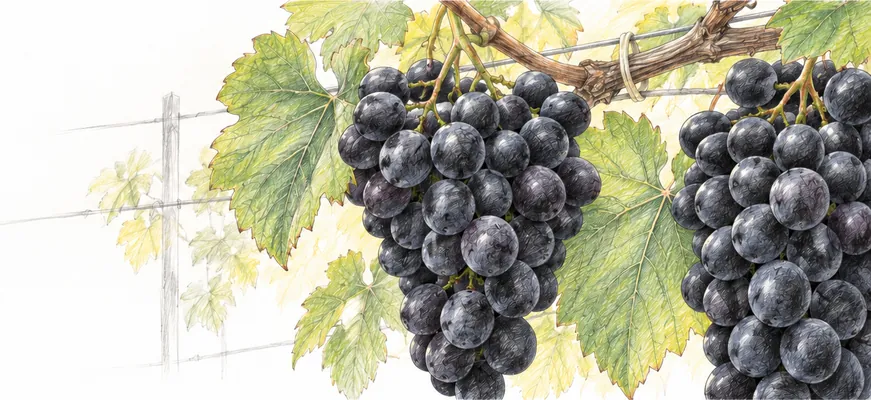
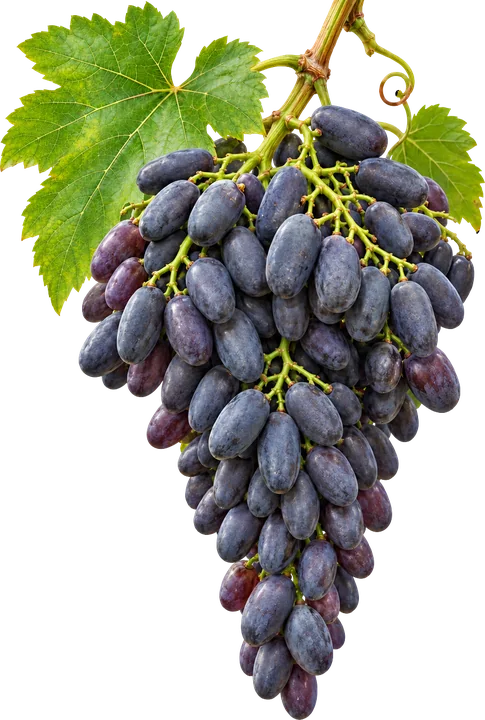
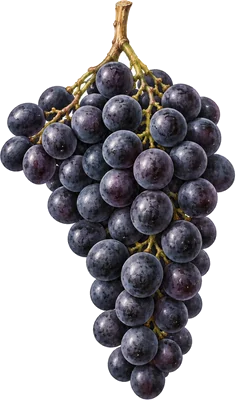
Akademik: large, elongated blue-black berries with a greyish bloom in a large, broad-shouldered conical bunch — AI illustration based on photos and a description of the variety
  • Ripening timeVery earlyper descriptions; in Belarus — late August to September
  • Berry10–14 gblue-black, elongated, crunchy; bunch 0.4–1.2 kg
  • Frost hardiness−23…⁠−26 °Caccording to descriptions; in Belarus it is covered
  • Sugarnot measuredin Belarus sweet and harmonious; after colouring it keeps gaining sugar for about another week
  • 80first-hand observations
  • 13amateur growers
  • 5professionals
  • 12seasons

Akademik's season in Belarus

Click a stage to see what happens on the vine and what growers saw.

Scroll the strip to see the whole season

Bud break

April — early May

When Akademik's buds break

Amateurs' observations
Professionals 0 observations

Amateurs 1 observation

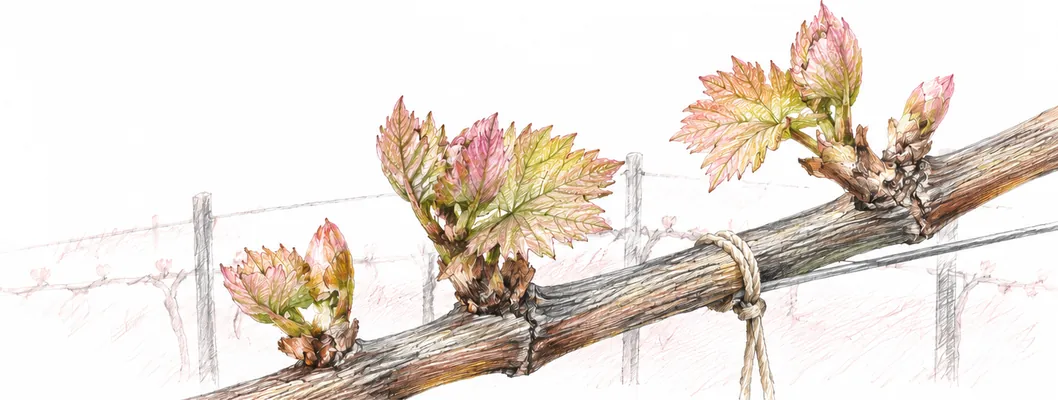
  1. Location not specifiedIn a greenhouseIn the greenhouse, by 10 April 2018, Akademik's buds had begun to swell and show wool. Veles, Tason, Yubiley Novocherkasska and Arochny started off in the same way.
2

Weather, diseases and pests

No observations yet.

3

Work on the vine

Professionals 0 observations

Amateurs 1 observation

  1. Brest Region, KobrinIn Kobrin, during abnormal warmth of almost +23 °C in the shade, almost 70% of the buds opened on young Akademik plants. The plants were covered with soil and wrapped up, and bud break stopped.

Shoot growth

May — June

How Akademik's shoots grow

Observations by professionals and amateurs

Professionals 9 observations

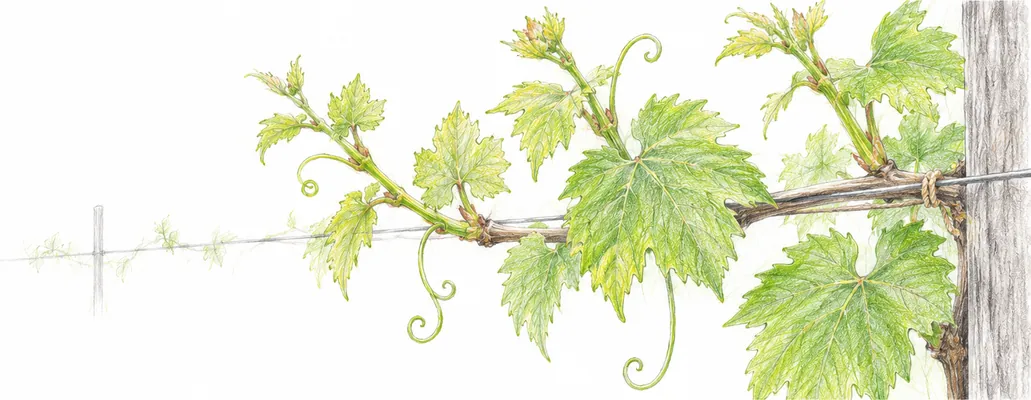
  1. Minsk RegionSAT since 1 April — 585 °C, the season is 7 days behind usualmonthly precipitation — 103 mm, 1.6 times the usual; rain on 9 days of 1420% less sun than usualIn Minsk Region Akademik grows well: in July 2022 the young vine was developing well enough, at the end of May 2024 it was growing well, and in mid-June 2026 the shoots were growing actively and a very good crop had been set.
  2. Minsk RegionSAT since 1 April — 185 °C, the season is 6 days behind usualmonthly precipitation — 68 mm, 1.3 times the usual15% less sun than usualIn Minsk Region in May 2026 Akademik's shoots under cover were still very small a week before 18 May; once warmth arrived, growth started at once, and the vine was almost asking to be tied up.
  3. Grodno Region, LidaIn 2023 the six-year-old Akademik in open ground in Lida showed medium vigour, but under local conditions the vine still struggles: the bunches it produces are very poor.
  4. Grodno Region, LidaIn a greenhouseIn Lida by the end of the 2022 seasons Akademik in the greenhouse had made little growth, just as weak as the vine of this variety in open ground.
  5. Grodno Region, LidaIn open ground in Lida Akademik hardly grew in 2020–2022 either: the four-year-old vine never gained strength. The author believes the variety needs a greenhouse.
  6. Grodno Region, LidaSAT since 1 April — 1033 °C, the season is 10 days ahead of usualmonthly precipitation — 59 mm, about usualtwo weeks 4 °C warmer than usual; 20% more sun than usualIn Lida the three-year-old Akademik, which had barely moved for the previous two seasons, finally started growing by the end of June 2019 and even produced a trial inflorescence.
  7. Vitebsk Region, NovopolotskIn a greenhouseIn a greenhouse in Novopolotsk, Akademik sets many good inflorescences year after year, from 2018 to 2025, two or three per shoot; in May 2018 there were so many that some had to be thinned straight away.
  8. Grodno Region, LidaIn Lida in 2018 the two-year-old Akademik hardly grew: bottles of water to warm the soil, feeding, watering and spring spunbond cover on hoops did not help; growth was about half a metre, 70–80 cm in places.
  9. Vitebsk Region, NovopolotskIn a greenhouseIn a greenhouse in Novopolotsk Akademik grows vigorously in spring: at the end of April 2016, after a good overwintering, all the buds broke and the shoots grew rapidly, and in early May 2020 the vine was developing just as strongly.

Amateurs 1 observation

  1. Location not specifiedIn summer 2022 Akademik in open ground by a wall developed poorly and struggled. The author believes the variety needs a greenhouse.
2

Weather, diseases and pests

No observations yet.

3

Work on the vine

No observations yet.

Weather in the observation lines is from AgERA5 data for the region: sum of active temperatures, precipitation.

Flowering

June — early July

How Akademik flowers and sets berries

Observations by professionals and amateurs

Professionals 4 observations

  1. Minsk RegionSAT since 1 April — 1327 °C, the season is 9 days ahead of usualmonthly precipitation — 80 mm, about usualtwo weeks 2 °C warmer than usualIn Minsk Region in 2024 Akademik pollinated well despite the frosts: by 10 July the berries were even, and the crop turned out beautiful. In 2025 pollination was also good, with large berries.
  2. Minsk RegionIn 2023 in Minsk Region Akademik pollinated very poorly on the main vine, and the bunches turned out small.
  3. Grodno Region, LidaIn 2023 in Lida, on a six-year-old vine in open ground, Akademik pollinated terribly and the bunches came out very poor. Yet neither the leaves nor the berries got sick, and vigour was medium.
  4. Vitebsk Region, NovopolotskSAT since 1 April — 861 °C, the season is 6 days behind usualmonthly precipitation — 78 mm, about usualtwo weeks 3 °C warmer than usualIn early July 2022 in Novopolotsk Akademik pollinated perfectly after flowering, and the bunches are beautifully filled. In growth and fruiting this variety is the author's leader.

Amateurs 3 observations

  1. Location not specifiedOn this grower's Akademik the inflorescences on laterals pollinated fully, without the slightest hint of dropping, whereas on his other varieties the first two bunches of the shoot dropped.
  2. Gomel RegionSAT since 1 April — 1345 °C, as usualmonthly precipitation — 52 mm, 25% less than usualIn Gomel Region in 2025 Akademik set its berries well: pollination on the plot went well; in places there was some dropping, but not critical.
  3. Minsk RegionIn Minsk Region Akademik pollinated better than for another grower the author compared it with. Next to it he grows Jupiter and variety 342.
2

Weather, diseases and pests

Professionals 0 observations

Amateurs 1 observation

  1. Location not specifiedFor several years running Akademik's inflorescences dried up and dropped even before flowering. Micronutrients, pinching the shoot tips and more frequent sprays did not help.
3

Work on the vine

Professionals 0 observations

Amateurs 1 observation

  1. Location not specifiedIn 2025 the grower treated several Akademik inflorescences with gibberellin while they were elongating. Not a single treated bunch shed and the flowers did not dry up, although previously the inflorescences had shed every year.

Weather in the observation lines is from AgERA5 data for the region: sum of active temperatures, precipitation.

Berry growth

July — early August

How Akademik's berries fill

Professionals' observations

Professionals 10 observations

  1. Minsk RegionSAT since 1 April — 1350 °C, the season is 7 days behind usualmonthly precipitation — 89 mm, about usualIn Minsk Region at the end of July 2026 Akademik's bunches were fairly large; some of them may have millerandage. On other bunches the berries had already reached a pleasing size.
  2. Minsk RegionIn Minsk Region in 2025 Akademik pollinated quite well: the bunches were large and beautiful, and the berry was also fairly large, deep blue in colour.
  3. Minsk RegionIn Minsk Region in 2023 the bunches on the main Akademik vine were small. Pollination did not go very well, and in spring the vine was touched by frost.
  4. Gomel RegionIn Gomel Region the grower noted that Akademik showed a little millerandage that season; he showed the vine's lower bunch as an example of its size.
  5. Minsk RegionIn Minsk Region in 2022, after a couple of trial bunches, the young Akademik vine gave a fuller crop. On the one hand the bunches were modest and the big bunch fell short, but the berry was large.
  6. Minsk RegionSAT since 1 April — 1105 °C, the season is 6 days behind usualmonthly precipitation — 112 mm, 1.3 times the usualIn Minsk Region in mid-July 2022 the young Akademik vine was developing well enough. The grower estimated a bunch on it at about 400 g.
  7. Minsk RegionIn Minsk Region in 2021 Akademik's bunch came out modest and did not reach full length, and the berry was small that season.
  8. Vitebsk Region, NovopolotskIn a greenhouseIn Novopolotsk Akademik gave fairly large berries of an unusual shape from its first trial bunches in 2015. In the greenhouse in 2019–2024 the berries were large, elongated and pointed, and the yield was good.
  9. Vitebsk Region, NovopolotskIn a greenhouseIn a greenhouse in Novopolotsk at the end of July 2018, some of Akademik's bunches had been treated, and the rest showed millerandage; on the whole, pollination went reasonably well. Later the grower noted that the variety does sometimes show slight millerandage.
  10. Vitebsk Region, NovopolotskIn a greenhouseIn a greenhouse in Novopolotsk in 2017, Akademik gave decent bunches, but the berries in them were very uneven in size.

Amateurs 0 observations

2

Weather, diseases and pests

Professionals 1 observation

  1. Grodno Region, LidaSAT since 1 April — 1949 °C, as usualmonthly precipitation — 79 mm, about usualIn Lida in August 2023 neither the leaves nor the berries of a six-year-old Akademik vine in open ground were diseased, although pollination was poor that year.

Amateurs 0 observations

3

Work on the vine

Professionals 1 observation

  1. Grodno Region, LidaSAT since 1 April — 1979 °C, the season is 5 days ahead of usualmonthly precipitation — 75 mm, about usual; rain on 7 days of 14In Lida in mid-August 2019 the Akademik vine had three trial bunches. They were lying almost on the ground, the grower put small boxes under them, and so far the berries remained intact.

Amateurs 0 observations

Weather in the observation lines is from AgERA5 data for the region: sum of active temperatures, precipitation.

Colouring

late July — August

How Akademik's berries change colour

Observations by professionals and amateurs

Professionals 6 observations

  1. Minsk RegionSAT since 1 April — 2266 °C, as usualmonthly precipitation — 20 mm, 60% less than usualtwo weeks 4 °C warmer than usualIn Minsk Region in 2025, when the netting was put up, Akademik was still only lightly coloured, and the bunches stayed behind the leaves. By 14 September the bunches were blue and large and the berry edible, but the sugar needed another week.
  2. Minsk RegionSAT since 1 April — 1913 °C, the season is 11 days ahead of usualmonthly precipitation — 89 mm, about usualOn 8 August 2024 in Minsk Region Akademik was colouring actively. It pollinated fairly well despite the spring frosts, whereas the year before pollination had been poor.
  3. Minsk RegionSAT since 1 April — 1999 °C, the season is 6 days behind usualmonthly precipitation — 35 mm, 40% less than usual; two weeks without raintwo weeks 4 °C warmer than usual; 20% more sun than usualIn Minsk Region on 29 August 2022 Akademik was lagging behind: only a few bunches were sufficiently coloured, while the rest were only just gaining colour.
  4. Vitebsk Region, NovopolotskIn a greenhouseIn a greenhouse in Novopolotsk on 3 September 2020 Akademik was still finishing ripening. The elongated berries had a darkish tinge, the crop was high, the berry crunches when bitten, and the cane is ripening.
  5. Vitebsk Region, NovopolotskIn a greenhouseIn a greenhouse in Novopolotsk, Akademik started colouring on 24 July 2016 and 25 July 2019. In 2022, by 2 August, colouring had only just begun and still had a long way to go, although the berries had already reached a good size.
  6. Vitebsk Region, NovopolotskIn a greenhouseIn 2016 in the greenhouse the author rated Akademik noticeably above Kodryanka for bunch marketability, while in yield the variety was no worse.

Amateurs 3 observations

  1. Minsk RegionIn Minsk Region the grower's Akademik had already turned almost completely blue. It pollinated better than for another grower he compared it with, and Jupiter and 342 grow nearby.
  2. Location not specifiedIn 2023 the grower's Akademik went from green to black berries within a few days, but was not yet ripe by 24 August. In 2025 it was also already colouring by 16 August.
  3. Location not specifiedIn a greenhouseIn the greenhouse, by 10 August 2017, Akademik was changing colour more and more noticeably, although the season, as the grower observed, was 10–12 days behind usual.
2

Weather, diseases and pests

Professionals 1 observation

  1. Minsk RegionSAT since 1 April — 1913 °C, the season is 11 days ahead of usualmonthly precipitation — 89 mm, about usualIn Minsk Region birds pecked heavily at Akademik's berries: in 2023 once they were already blue, and on 8 August 2024 even while still green. Wasps came to the bunches after the birds.

Amateurs 0 observations

3

Work on the vine

No observations yet.

Weather in the observation lines is from AgERA5 data for the region: sum of active temperatures, precipitation.

Ripening and harvest

late August — September

Sugar, taste and harvest time of Akademik

Observations by professionals and amateurs

Professionals 16 observations

  1. Minsk RegionSAT since 1 April — 2373 °C, as usualmonthly precipitation — 28 mm, 45% less than usualtwo weeks 3 °C warmer than usualOn 21 September 2025 Akademik in Minsk Region was ripe: a large, elongated blue berry with a harmonious, rich taste; pollination was good this year. Buyers usually ask for exactly these finger-shaped grapes.
  2. Minsk RegionSAT since 1 April — 2266 °C, as usualmonthly precipitation — 20 mm, 60% less than usualtwo weeks 4 °C warmer than usualOn 14 September 2025 Akademik in Minsk Region was almost ripe: the berries could already be eaten, but the grower would have waited about another week for the sugar to build up.
  3. Minsk RegionSAT since 1 April — 2649 °C, as usualmonthly precipitation — 31 mm, 40% less than usualtwo weeks 4 °C warmer than usual; 20% more sun than usualOn 14 September 2024 Akademik's berries in Minsk Region were fully ripe, with a sweet, delicate, harmonious taste. Despite the frosty spring the crop was beautiful — in 2023 the variety had pollinated poorly.
  4. Vitebsk Region, NovopolotskIn a greenhouseFor a grower from Novopolotsk, Akademik is the benchmark of taste among crunchy varieties: the finger-shaped berry crunches like a cucumber, the taste is harmonious, and the bunches are beautiful and marketable. That is how he described the variety in 2020, 2024 and 2026.
  5. Vitebsk Region, NovopolotskSAT since 1 April — 1982 °C, the season is 11 days ahead of usualmonthly precipitation — 64 mm, about usualOn 16 August 2024 Akademik in Novopolotsk was finishing colouring up and developing its flavour. The grower estimated it was about a week from full ripeness.
  6. Minsk RegionSAT since 1 April — 2753 °C, as usualmonthly precipitation — 30 mm, 35% less than usualtwo weeks 3 °C warmer than usual; 35% more sun than usualIn 2023 Akademik's berries were crunchy, sweet and rich, with seeds, but the crop on the main vine was modest. On the vine in the nursery bed the bunch is large, but in September the berries are still greenish — at least a month later.
  7. Minsk RegionIn the 2022 seasons part of Akademik's crop was dried for raisins. Despite the seeds, the raisins from this variety turned out excellent, according to the grower.
  8. Vitebsk Region, NovopolotskIn a greenhouseIn 2023 in the new greenhouse Akademik gave its first trial bunch — about a third of what had formed. The bunch is blue and very interesting.
  9. Vitebsk Region, NovopolotskSAT since 1 April — 1946 °C, as usualmonthly precipitation — 86 mm, 1.4 times the usualtwo weeks 2 °C warmer than usualOn 22 August 2023 Akademik's berries in Novopolotsk were already well coloured, ripening had begun on the vine, and a bunch was cut for tasting.
  10. Gomel Region, GomelA fellow grower's six-year-old Akademik vine carried a heavy load. The berry, with firm crunchy flesh and good sugar, was already ready to eat, although for another acquaintance the variety does not do well outdoors.
  11. Minsk RegionSAT since 1 April — 2351 °C, the season is 10 days behind usualmonthly precipitation — 91 mm, 2.2 times the usual; rain on 10 days of 14two weeks 4 °C colder than usual; nights below +8 °C — 12 of 14; 55% less sun than usualIn September 2021 Akademik in Minsk Region was among the leaders of the season, although the bunches were modest and the berries small, but with a pleasant, harmonious taste reminiscent of cherry.
  12. Vitebsk Region, NovopolotskIn a greenhouseIn a greenhouse in Novopolotsk, Akademik ripens in the first ten days of September. The author planted it under a roof, believing the variety would lack warmth in open ground, and there it showed its full potential.
  13. Vitebsk Region, NovopolotskIn a greenhouseOn 3 September 2020 Akademik in a greenhouse in Novopolotsk was still ripening. In the author's observation it ripens at about the same time as Kodryanka, and the timing depends on the crop load on the vine.
  14. Vitebsk Region, NovopolotskIn a greenhouseIn greenhouses in Novopolotsk Akademik gives a high yield year after year. In 2016 it was not inferior in yield to Kodryanka, and the crop was also high in 2020, 2022 and 2024.
  15. Vitebsk Region, NovopolotskIn a greenhouseA grower from Novopolotsk took Akademik's bunches to an exhibition, and in 2019 they sold out in no time. He considers it a commercial variety, for the market.
  16. Vitebsk Region, NovopolotskSAT since 1 April — 1938 °C, the season is 6 days behind usualmonthly precipitation — 9 mm, 85% less than usualIn 2015 Akademik produced its first trial bunches. Its berry has an unusual shape and is fairly large; one bunch has already been taken to an exhibition.

Amateurs 7 observations

  1. Vitebsk Region, VitebskIn a greenhouseIn Vitebsk by 7 September 2025 Akademik in the greenhouse had not yet gained full sugar. This season the grapes under the roof ripened slowly and fell short of sweetness.
  2. Location not specifiedFor this grower Akademik is a reliable workhorse among the black varieties: the berry is very tasty and everyone likes it, although it has no muscat.
  3. Gomel Region, Dobrush DistrictIn Dobrush District Akademik fruited for the first time in its third year: the vine was given a good load, the bunches came out well, and the very crunchy berry was much liked. For the grower it is one of the tastiest varieties.
  4. Vitebsk Region, VitebskIn a greenhouseIn Vitebsk, in the greenhouse, Akademik produced very beautiful bunches and ripened excellently. The grower likes the variety very much.
  5. Location not specifiedFor this grower Akademik can be eaten straight after colouring: by then the acidity no longer stands out, although the berry still needs to gain sugar on the vine.
  6. Location not specifiedOn 24 August 2023 the grower's Akademik turned from green to black within a few days, but was not yet ready to eat.
  7. Location not specifiedIn open ground Akademik turned out to be a very late variety for the grower. Kodryanka, growing nearby in the same conditions, is easier for him.
2

Weather, diseases and pests

Professionals 1 observation

  1. Minsk RegionSAT since 1 April — 2649 °C, as usualmonthly precipitation — 31 mm, 40% less than usualtwo weeks 4 °C warmer than usual; 20% more sun than usualIn September 2024 Akademik's berries in Minsk Region did not crack, stayed intact and hung well on the vine. The variety had no serious disease issues.

Amateurs 3 observations

  1. Location not specifiedOn 10 September 2023, after a morning cold snap down to +3 °C, Akademik's bunches looked fresh, as if they had been hanging in a fridge.
  2. Location not specifiedIn 2022 Akademik by the house wall was left hanging on the vine for as long as possible. After a month without rain the berries cracked, but they still ripened.
  3. Gomel Region, GomelIn open ground in Gomel Akademik proved to be among the crack-resistant varieties, whereas a number of neighbouring varieties at the same grower's cracked almost completely.
3

Work on the vine

No observations yet.

Weather in the observation lines is from AgERA5 data for the region: sum of active temperatures, precipitation.

Autumn

September — October

How Akademik's cane ripens

Observations by professionals and amateurs

Professionals 8 observations

  1. Vitebsk Region, NovopolotskIn Novopolotsk by 29 August 2026 Akademik's cane had already ripened, and the berry had fully coloured and crunches like a cucumber.
  2. Minsk RegionSAT since 1 April — 2649 °C, as usualmonthly precipitation — 31 mm, 40% less than usualtwo weeks 4 °C warmer than usual; 20% more sun than usualBy 14 September 2024 Akademik's cane in Minsk Region was ripening normally, even though after a frosty spring the vine carried a good crop.
  3. Gomel RegionIn Gomel Region, in one of the past seasons, Akademik's berries hung on the vine too long and became overripe, and the lower bunch had a little millerandage; the author considered such berries fit only for drying.
  4. Minsk RegionSAT since 1 April — 2274 °C, the season is 28 days behind usualmonthly precipitation — 106 mm, twice the usualnights below +8 °C — 14 of 14In Minsk Region in October 2022 some of Akademik's canes ripened fully, while neighbouring ones did worse; in early October 2023 the cane ripened for about one and a half metres or a little more.
  5. Grodno Region, LidaSAT since 1 April — 2304 °C, the season is 24 days behind usualmonthly precipitation — 87 mm, 1.9 times the usual; rain on 8 days of 14In Lida by 9 October 2022 the cane of a seven-year-old Akademik vine had grown a little over the season, but the bunches are small and incomplete, and the vine looks weak.
  6. Vitebsk Region, NovopolotskIn Novopolotsk on 20 August 2022 Akademik's cane was only beginning to ripen; the author cut one bunch from this vine to taste.
  7. Gomel RegionIn Gomel Region in autumn 2021 Akademik's berries fully ripened on the vine, and the cane ripened for about a metre to a metre and a half.
  8. Grodno Region, LidaSAT since 1 April — 2822 °C, as usualmonthly precipitation — 55 mm, about usualtwo weeks 2 °C warmer than usualIn September 2018 the cane of a two-year-old Akademik in Lida had already ripened, as it had the year before, despite weak growth of 50–80 cm.

Amateurs 1 observation

  1. Location not specifiedIn open ground Akademik turned out to be a very late variety for the author; in 2022, under a crop load, its cane ripened poorly.
2

Weather, diseases and pests

No observations yet.

3

Work on the vine

No observations yet.

Weather in the observation lines is from AgERA5 data for the region: sum of active temperatures, precipitation.

Winter

November — April

How the Akademik vine overwintered

Professionals' observations

Professionals 1 observation

  1. Vitebsk Region, NovopolotskIn a greenhouseIn spring 2016, in a greenhouse in Novopolotsk, the hybrid selection Akademik overwintered perfectly in the author's view: all the buds started, the shoots went into vigorous growth, and the vine needs serious thinning.

Amateurs 0 observations

2

Weather, diseases and pests

No observations yet.

3

Work on the vine

No observations yet.

Strengths and risks of Akademik

Strengths

  • The taste is praised in different regions: the elongated berry with firm flesh crunches like a cucumber, and the taste is harmonious and sweet, without muscat; in Novopolotsk, Dobrush District and Minsk Region it is called one of the tastiest varieties
  • Productive in a greenhouse year after year: in Novopolotsk a heavy crop in 2016, 2020, 2022 and 2024, two or three inflorescences per shoot; it yields as well as Kodryanka
  • The bunches are beautiful and marketable: at an exhibition in 2019 they sold out in no time, and buyers ask for exactly these finger-shaped grapes
  • The berry resists cracking: in Gomel it did not crack when neighbouring varieties cracked almost completely, and in Minsk Region in September 2024 it stayed intact and hung well on the vine
  • Little disease: in Lida in 2023 neither the leaves nor the berries got sick, and in Minsk Region there were no serious disease issues
  • It can be eaten right after colouring: the acidity no longer stands out, and the berry gains sugar on the vine; after a morning cold snap down to +3 °C the bunches stayed fresh
  • Inflorescences on laterals pollinate fully, without dropping; part of the crop made excellent raisins despite the seeds

Risks in Belarus

  • In open ground it grows variably: for some growers in Minsk and Gomel Regions the vine develops well and carries a heavy load, while for others in Lida and by a wall it hardly grows for years and gives weak bunches — these growers believe the variety needs a greenhouse
  • Pollination depends on the year: for some growers in Novopolotsk and Minsk and Gomel Regions it was good and even perfect, for others in Lida and Minsk Region in 2023 the bunches came out weak and small; slight millerandage occurs
  • For one grower the inflorescences dried up and dropped before flowering for several years running; only a gibberellin treatment at the inflorescence emergence stage helped
  • In Belarus it ripens later than descriptions suggest: in Novopolotsk it is ready by the end of August, in Minsk Region — by mid — late September, in a greenhouse — in the first ten days of September; for one grower in open ground it proved very late
  • Birds peck the berries, sometimes while still green, and wasps follow: the bunches need to be covered
  • Under a heavy load the cane ripens poorly for some growers, and in a greenhouse after a good overwintering the vine needs serious crop thinning
  • Berries left hanging too long overripen and are only good for drying; after a month without rain, berries left hanging to the very end cracked
  • In spring the vine may suffer frost damage, and in early warmth the buds start too soon — young plants had to be earthed up and covered

Suits those who want a tasty, crisp dark table variety for themselves and for sale and are ready to give it warmth: it is most reliable in a greenhouse, and in open ground it needs the sunniest spot, thinning of inflorescences, winter cover and protection of the bunches from birds and wasps.

Origin: Crimea, bred by the «Magarach» Institute of Viticulture and WinemakingUpdated How we collect observations