










CountryLanguage

Agat Donskoy

Agat Donskoy

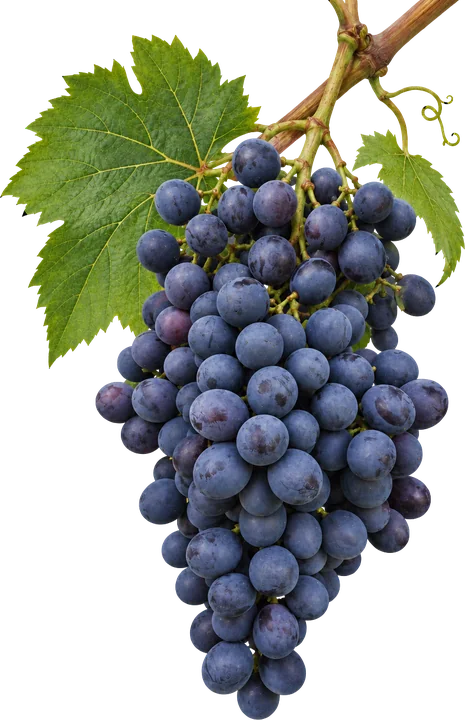
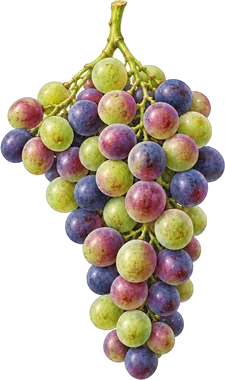
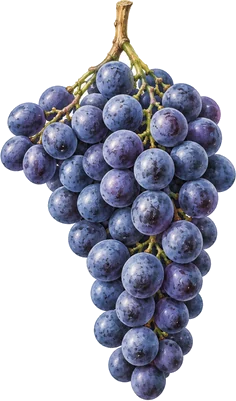
Dark, round berries and heavy crops. Growers in Belarus often praise the yield of Agat Donskoy, while their assessments of flavour and winter hardiness vary.

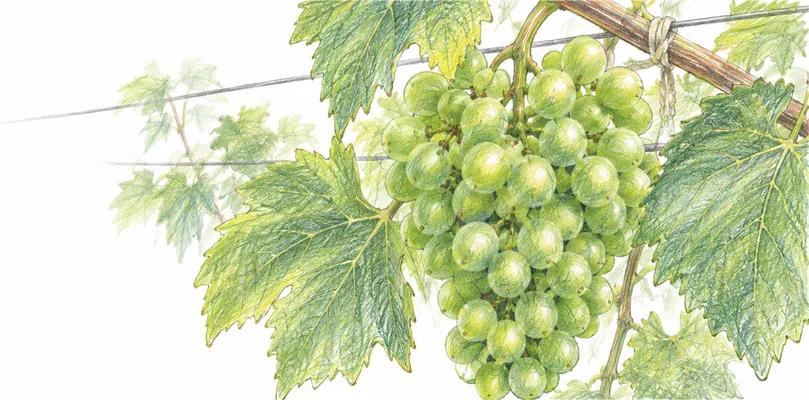
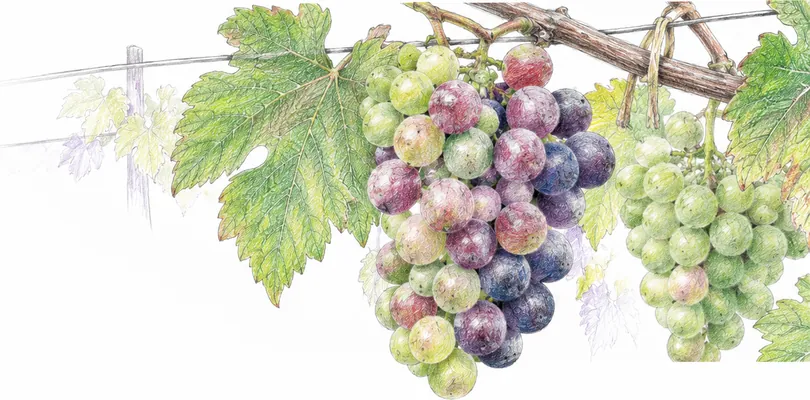
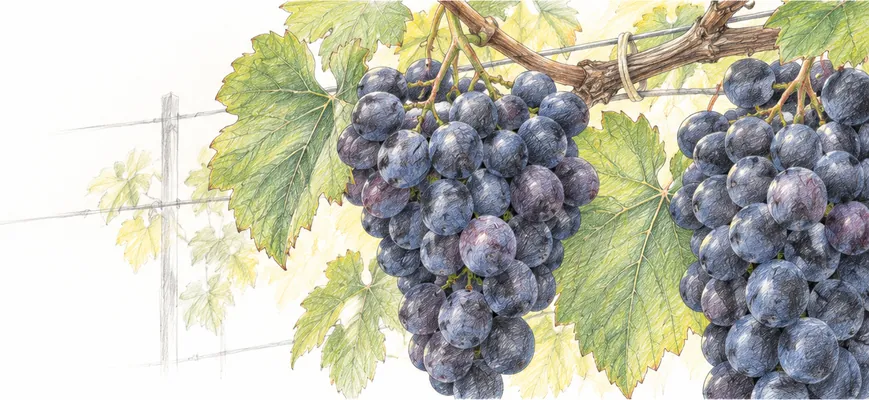
Agat Donskoy: a conical bunch of round, deep blue berries with a bluish wax bloom — AI illustration based on photos and the cultivar description
  • Ripening timeEarlycultivar description; ripened by mid-September in Vitebsk Region
  • Berry4–5 gcultivar description; dark blue, round berry
  • Frost hardiness−26 °Creference estimate; overwintering results varied in Belarus
  • Sugar13–⁠15 %cultivar description; readings of 10–18 Brix on individual plots
  • 57first-hand observations
  • 17amateur growers
  • 6professionals
  • 10seasons

The Agat Donskoy growing season in Belarus

Click a stage to see what happens on the vine and what growers saw.

Scroll the strip to see the whole season

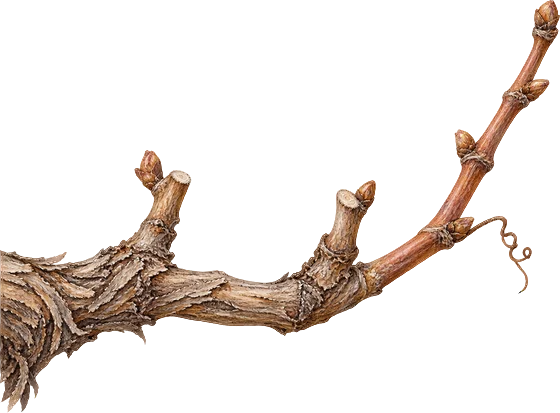
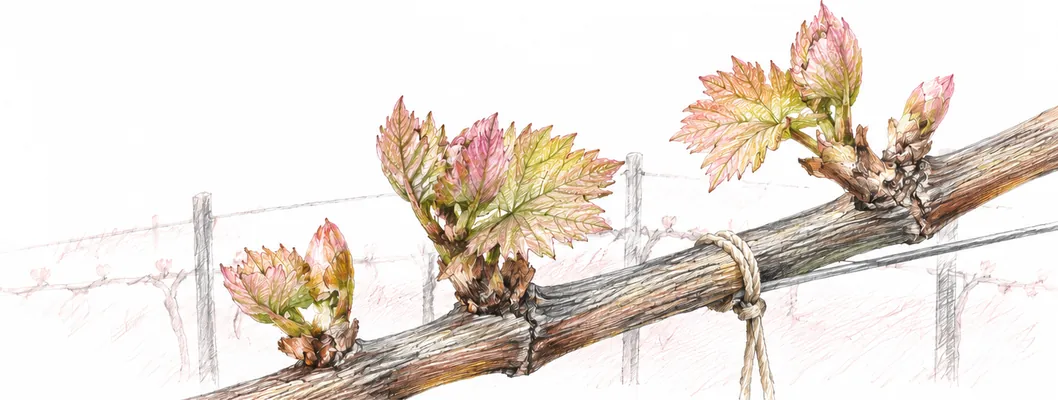
Bud break

spring

When Agat Donskoy's buds open

Amateurs' observations
No observations yet.

2

Weather, diseases and pests

Professionals 0 observations

Amateurs 1 observation

  1. Minsk Region, Pukhovichi DistrictIn Pukhavichy District, frosts in late May and early June damaged young Agat Donskoy shoots. The vine grew back but recovered only partially.
3

Work on the vine

No observations yet.

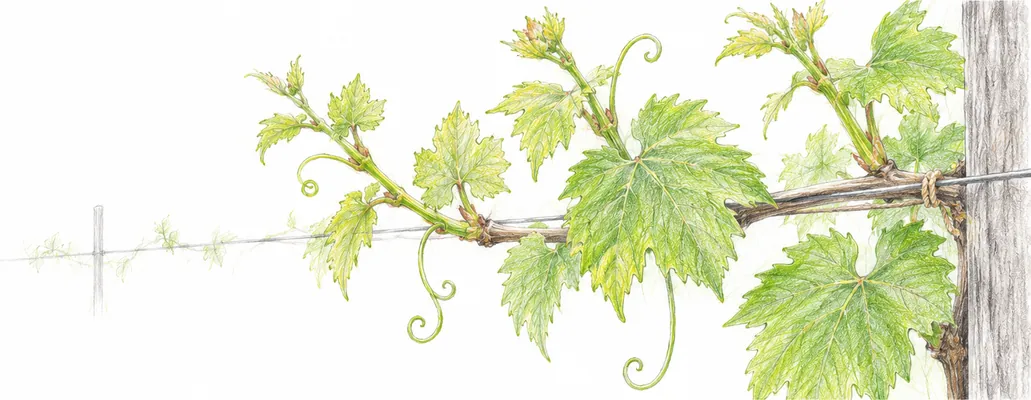
Shoot growth

May - July

Shoot growth in Agat Donskoy

Observations by professionals and amateurs

Professionals 1 observation

  1. Grodno Region, GrodnoIn Grodno a grower's Agat Donskoy is vigorous, with shoots reaching three metres or more and bending at the tips.

Amateurs 4 observations

  1. Location not specifiedIn 2025, an Agat Donskoy vine bore its first crop. In its third year after planting, the grower counted four bunches.
  2. Minsk Region, Logoisk DistrictNear Astrashytsy in Lahoysk District, a grower has a 17-year-old Agat Donskoy vine growing outdoors. It is vigorous and productive.
  3. Minsk Region, Barysaw DistrictIn Barysaw District in 2020, a grower found flower clusters on every lateral shoot of Agat Donskoy.
  4. Vitebsk RegionOne grower's Agat Donskoy vines in Vitebsk Region are moderately vigorous and yield well year after year. The grower thins flower clusters and bunches to manage the crop load.
2

Weather, diseases and pests

Professionals 0 observations

Amateurs 1 observation

  1. Location not specifiedIn late July 2017, heavy rain alternated with cool nights and warm days. Agat Donskoy by the wall was among the cultivars growing best on the plot.
3

Work on the vine

Professionals 2 observations

  1. Grodno Region, LidaIn Lida, Agat Donskoy was among the first cultivars the grower planted outdoors on an arch. The grower later used the vine for grafting trials.
  2. Gomel RegionSAT since 1 April — 198 °C, the season is 5 days behind usualmonthly precipitation — 31 mm, 30% less than usualtwo weeks 4 °C colder than usualEverest was grafted onto Agat Donskoy in Homiel Region. The graft took and produced vigorous shoots. The grower noticed flower clusters on the lateral shoots.

Amateurs 2 observations

  1. Location not specifiedIn June 2025, Velika, Kupidon and Podarok Belorussii were grafted onto Agat Donskoy. A month later the grower checked how the grafted shoots had developed.
  2. Location not specifiedSix years earlier the grower grafted Marquette and Johanniter onto an Agat Donskoy vine. It was the grower's first such graft and the result was satisfactory.

Weather in the observation lines is from AgERA5 data for the region: sum of active temperatures, precipitation.

Flowering

June to July

Flowering and fruit set in Agat Donskoy

Observations by professionals and amateurs

Professionals 2 observations

  1. Vitebsk Region, NovopolotskSAT since 1 April — 1113 °C, the season is 6 days behind usualmonthly precipitation — 65 mm, about usualBy mid-July 2020 in Navapolatsk, Agat Donskoy had finished flowering and set fruit well. The vine was developing normally.
  2. Gomel RegionSAT since 1 April — 1088 °C, the season is 4 days behind usualmonthly precipitation — 54 mm, about usualIn its second year in Homiel Region, an Agat Donskoy vine bore two shoots and two bunches. Both bunches set well by early July 2017.

Amateurs 2 observations

  1. Location not specifiedA grower has kept Agat Donskoy for over twenty years. Among the many cultivars on the plot, it stands out to the grower for its yield and as a pollinator.
  2. Location not specifiedBy 21 June 2026, Agat Donskoy had started flowering outdoors. On the same plot Muscat Donskoy and a young Klubnichnyy began flowering later, on 21 June.
2

Weather, diseases and pests

No observations yet.

3

Work on the vine

No observations yet.
Weather in the observation lines is from AgERA5 data for the region: sum of active temperatures, precipitation.

Berry growth

July — August

Berry growth in Agat Donskoy

Observations by professionals and amateurs

Professionals 3 observations

  1. Grodno Region, GrodnoSAT since 1 April — 1975 °C, the season is 5 days behind usualmonthly precipitation — 57 mm, about usualIn Grodno, Agat Donskoy berries are round and can grow large, with even bigger berries in some years. The bunches are fairly compact and weigh up to a kilogram.
  2. Vitebsk Region, NovopolotskIn Navapolatsk an Agat Donskoy vine is trained on both sides of a trellis. The grower estimated some bunches at close to a kilogram and the vine's crop at about 15 kg.
  3. Gomel RegionSAT since 1 April — 1088 °C, the season is 4 days behind usualmonthly precipitation — 54 mm, about usualIn its second year, the Agat Donskoy vine grew two shoots and set two bunches well. The shoots were thick, carried fruit and showed no excessively vigorous growth.

Amateurs 1 observation

  1. Minsk Region, Logoisk DistrictNear Astrashytsy in Lahoysk District, a 17-year-old outdoor Agat Donskoy bears moderately loose bunches of 300–800 g or more. Its berries are medium-sized.
2

Weather, diseases and pests

Professionals 0 observations

Amateurs 1 observation

  1. Minsk Region, Logoisk DistrictNear Astrashytsy, a 17-year-old Agat Donskoy vine needs standard protection against downy mildew and anthracnose. Its leaves and shoots are particularly susceptible to powdery mildew.
3

Work on the vine

Professionals 0 observations

Amateurs 1 observation

  1. Location not specifiedThe grower had considered removing a five-year-old Agat Donskoy vine. By its seventh year it was doing better with simple care, including manure and shoot tipping.

Weather in the observation lines is from AgERA5 data for the region: sum of active temperatures, precipitation.

Colouring

August

How Agat Donskoy berries change colour

Amateurs' observations

Professionals 0 observations

Amateurs 3 observations

  1. Location not specifiedBy mid-August 2025, Agat Donskoy, Taldun, Sharada and Akademik were starting to colour on one plot. The grower gave no indication that the berries were ready to pick.
  2. Location not specifiedBy 10 August 2017, the season was running 10–12 days late. Even so, outdoor Agat Donskoy by the wall had begun to colour alongside Ester and Krasa Nikopolya.
  3. Vitebsk RegionOn an outdoor plot in Vitebsk Region, Agat Donskoy begins to colour early and then builds sugar gradually.
2

Weather, diseases and pests

No observations yet.

3

Work on the vine

No observations yet.
Ripening and harvest

August — October

Sugar, flavour and harvest timing in Agat Donskoy

Observations by professionals and amateurs

Professionals 4 observations

  1. Grodno Region, GrodnoSAT since 1 April — 1975 °C, the season is 5 days behind usualmonthly precipitation — 57 mm, about usualIn late August 2026 in Grodno, the grapes had a simple, balanced flavour typical of dark grapes. They measured 10–13 Brix, and the two or three seeds per berry were beginning to brown.
  2. Vitebsk Region, NovopolotskSAT since 1 April — 1924 °C, the season is 7 days ahead of usualmonthly precipitation — 74 mm, about usualIn mid-August 2021 in Navapolatsk, Agat Donskoy was still gaining sugar. The grower reported a crop every year, even after frost damage.
  3. Gomel RegionOn a plot in Homiel Region, Agat Donskoy gained sugar around 10 September. The grower preferred cultivars she could pick earlier on that site for sale.
  4. Vitebsk Region, NovopolotskSAT since 1 April — 2298 °C, the season is 9 days ahead of usualmonthly precipitation — 32 mm, 40% less than usualIn mid-September 2019 in Navapolatsk, Agat Donskoy bunches had coloured. The grower left them to develop more flavour and said they could stay on the vine for about two more weeks.

Amateurs 12 observations

  1. Location not specifiedAt one outdoor plot, Agat Donskoy was ready for compote from the second half of September. The grower picked berries for wine after the first frosts.
  2. Minsk Region, Logoisk DistrictNear Astrashytsy in Lahoysk District, berries on a mature vine ripened in the second half of September or early October. They gained sugar slowly and were mainly used for compote.
  3. Location not specifiedThe vine grew on the plot for 14 years. It yielded adequately each year, but the flavour did not stand out. The fruit went into compote and simple sweet wine, and the vine was eventually removed.
  4. Location not specifiedOne grower never tires of eating Agat Donskoy. The grower says it is easy to eat plenty of it and that the ripe berries are sweet enough.
  5. Brest Region, ByelaazyorskIn Byelaazyorsk, bunches left on the vine reach 18 Brix. Low acidity makes them taste bland and gives wine made from the surplus little character. Halved and deseeded berries make good raisins.
  6. Location not specifiedFor one grower, Agat Donskoy carried a heavy crop well, but the berries gained little sugar and tasted plain. The vines were removed after several seasons.
  7. Gomel Region, GomelNear Homiel, a grower found up to five seeds in a single Agat Donskoy berry and considers that a drawback.
  8. Vitebsk Region, VitebskOn a sandy southern slope in Vitebsk in 2020, this cultivar cropped reliably and well. With other grapes available for eating, all of its crop went into processing.
  9. Location not specifiedOn 16 August 2019, outdoor Agat Donskoy was approaching ripeness. The grower regarded it as a dependable cultivar.
  10. Vitebsk Region, VitebskSAT since 1 April — 2664 °C, as usualmonthly precipitation — 54 mm, about usual20% more sun than usualIn Vitebsk in 2018, the first outdoor crop ripened by mid-September, but the berries contained very little sugar.
  11. Location not specifiedIn the difficult 2017 seasons in northern Belarus, Agat Donskoy gave a good crop and was one of the best-performing outdoor cultivars on the plot.
  12. Vitebsk RegionOn an outdoor plot in Vitebsk Region, the cultivar ripens by mid-September. It colours early but accumulates sugar gradually. The grower counts it among the most dependable cultivars for the region.
2

Weather, diseases and pests

Professionals 3 observations

  1. Grodno Region, GrodnoSAT since 1 April — 2110 °C, the season is 5 days behind usualmonthly precipitation — 76 mm, about usualIn Grodno in 2026, after excess watering and rain, Agat Donskoy berries split at the stem and began to shrivel. Wasps fed on berries that were already edible.
  2. Vitebsk Region, NovopolotskSAT since 1 April — 2298 °C, the season is 9 days ahead of usualmonthly precipitation — 32 mm, 40% less than usualIn 2019 in Navapolatsk, Agat Donskoy berries stayed intact, although other growers reported splitting on their vines.
  3. Gomel RegionOn one plot in Homiel Region, Agat Donskoy berries split and were too underripe for wine. The grower attributed this to how she had managed the vine.

Amateurs 6 observations

  1. Location not specifiedIn 2025, a grower noticed damage to Agat Donskoy planted in the garden away from the wall. The last spray had been in late June, when the berries were still small.
  2. Minsk Region, RatomkaIn Ratomka, a grower picked one full crop of Agat Donskoy on clay soil. The berries showed no splitting that season.
  3. Minsk RegionNear Astrashytsy, a grower reported that Agat Donskoy attracts wasps and that bunches can develop grey mould late in the season. On another plot wasps even fed on partly green berries.
  4. Location not specifiedOne grower's Agat Donskoy berries were prone to splitting. Splitting and the plain flavour were among the reasons the grower removed the vines.
  5. Gomel Region, GomelOn one plot near Homiel, Agat Donskoy suffered from disease and berry splitting. The grower planted another cultivar nearby for comparison.
  6. Vitebsk RegionIn Vitebsk Region, the cultivar showed little tendency to split. The grower rated its disease resistance fairly highly, at about 3–3.5 points.
3

Work on the vine

No observations yet.

Weather in the observation lines is from AgERA5 data for the region: sum of active temperatures, precipitation.

Autumn

August — October

Cane ripening in Agat Donskoy

Amateurs' observations

Professionals 0 observations

Amateurs 3 observations

  1. Location not specifiedAgat Donskoy grew on the plot for 14 years and its canes ripened normally every year. The vine was eventually removed to make room for a seedless variety.
  2. Brest Region, ByelaazyorskIn Byelaazyorsk, berries left on the vine too long begin to separate at the stem, where wasps and bees feed on them. They reach about 18 Brix, but low acidity leaves them tasting bland.
  3. Vitebsk RegionAt a grower's plot in Vitebsk Region, Agat Donskoy shoots ripen early and fully. The grower thins flower clusters and bunches to avoid overcropping.
2

Weather, diseases and pests

No observations yet.

3

Work on the vine

No observations yet.
Winter

autumn - spring

How Agat Donskoy overwinters

Observations by professionals and amateurs

Professionals 1 observation

  1. Minsk RegionIn Minsk Region, a mature vine overwintered with its canes laid on the ground. After a winter uncovered on its trellis, it died back to ground level and regrew from the roots.

Amateurs 2 observations

  1. Location not specifiedThe grower's table grapes overwinter uncovered. Winter temperatures reached −27 °C and spring frosts reached −7 °C. Most other vines recovered from damage, while Agat Donskoy again came through without losses.
  2. Location not specifiedMany years ago, one grower's Agat Donskoy died back completely, including the old wood. The other cultivars on the same plot overwintered well.
2

Weather, diseases and pests

No observations yet.

3

Work on the vine

Professionals 1 observation

  1. Vitebsk Region, NovopolotskIn Navapolatsk, vines overwinter under a dry cover. The canes are bent towards the ground without laying them directly on the soil. They overwinter well under that cover.

Amateurs 1 observation

  1. Vitebsk RegionThe grower in Vitebsk Region leaves 25–30 buds on each vine and prunes fruiting canes to 5–6 buds. Yields are high and consistent, and canes ripen early and fully.

Agat Donskoy: strengths and risks

Strengths

  • In Navapolatsk the crop from one vine was estimated at about 15 kg. Growers in Vitebsk Region reported consistent cropping outdoors.
  • In Homiel Region both bunches on a young vine set well in 2017. Good fruit set was also reported in Navapolatsk.
  • At one plot in Vitebsk Region, shoots ripened early and fully. On another plot the canes ripened normally for many years.
  • In Vitebsk and near Lahoysk, growers used the crop for processing. In Byelaazyorsk, one grower made raisins from halved berries with the seeds removed.

Risks in Belarus

  • Growers in Vitebsk Region reported berries ready around mid-September. Near Lahoysk the berries could take until early October to ripen.
  • The vine can set more bunches than it can ripen well. A grower in Vitebsk Region removed some flower clusters and bunches to manage the load.
  • In late August growers in Grodno reported 10–13 Brix. Near Byelaazyorsk, bunches left longer reached 18 Brix, yet one grower still found the flavour bland.
  • In one season in Navapolatsk the berries stayed intact. In Grodno they split at the stem after rain, and wasps fed on damaged berries.
  • At one plot an uncovered vine overwintered with no visible losses. On another it died back to ground level and regrew from the roots.

For growers who want a productive dark grape and are prepared to manage the crop load, check ripeness and account for local winter conditions.

Origin: Russia, Ya. I. Potapenko Institute of Viticulture and Winemaking, (Zarya Severa × Dolores) × Russkiy RanniyUpdated How we collect observations